
Dog Behaviour and Psychology Explained
Dog behaviour is shaped by scent, instinct, emotion, and the way dogs interpret the world around them. Many everyday actions — barking, pulling on the lead, or following us from room to room — can feel confusing until we begin to understand what they mean.. Many things dogs do — barking, pulling on the lead, or following us from room to room — can sometimes feel confusing.
This learning pathway explores the foundations of dog psychology and dog behaviour, helping you understand what your dog may be experiencing and why they behave the way they do.
In this section you’ll learn:
• how dogs experience the world
• how dogs communicate through behaviour
• why common behaviours happen
• how to understand your dog’s emotional state

Why understanding dog behaviour matters
When we understand dog behaviour, everyday interactions become much clearer. Actions that might seem stubborn, confusing, or random often have simple explanations rooted in communication, instinct, or emotional response.
Learning to recognise these patterns helps owners respond calmly and build a stronger relationship with their dog.
Dog Behaviour Guides and Explanations

Dogs experience the world very differently from humans, detecting layers of scent and information that we cannot perceive.

Discover how dogs communicate through body language. Learn to recognise the signals that reveal whether a dog feels relaxed, curious, stressed, or uncomfortable.

Discover why dogs bark and what they may be trying to communicate. Learn how barking can signal excitement, alertness, uncertainty, or a need for attention.

Understand why dogs pull on the lead and what they may be responding to during walks. Explore how curiosity, scent, and past experiences shape the way dogs experience the world outside.
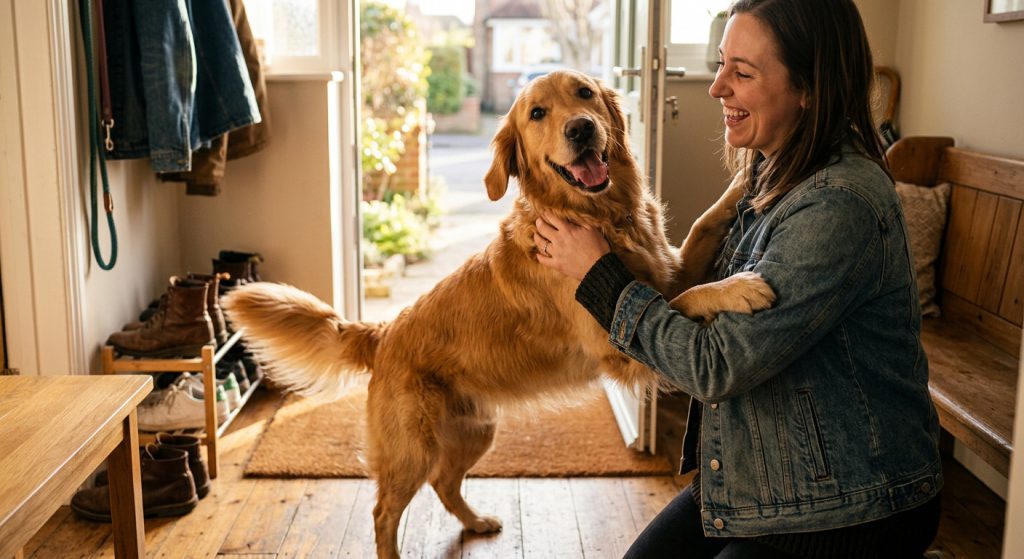
Understand why dogs jump up to greet people and what this behaviour is trying to communicate. Learn how excitement, greeting instincts, and attention can shape this common behaviour.

Discover why dogs stay close to their owners and what this behaviour reveals about connection, routine, and trust.

Discover why dogs lick and what this behaviour reveals about connection, communication, and how they experience the world around them.

Discover why dogs tilt their heads and what this curious behaviour reveals about how they listen, learn, and understand the world around them.
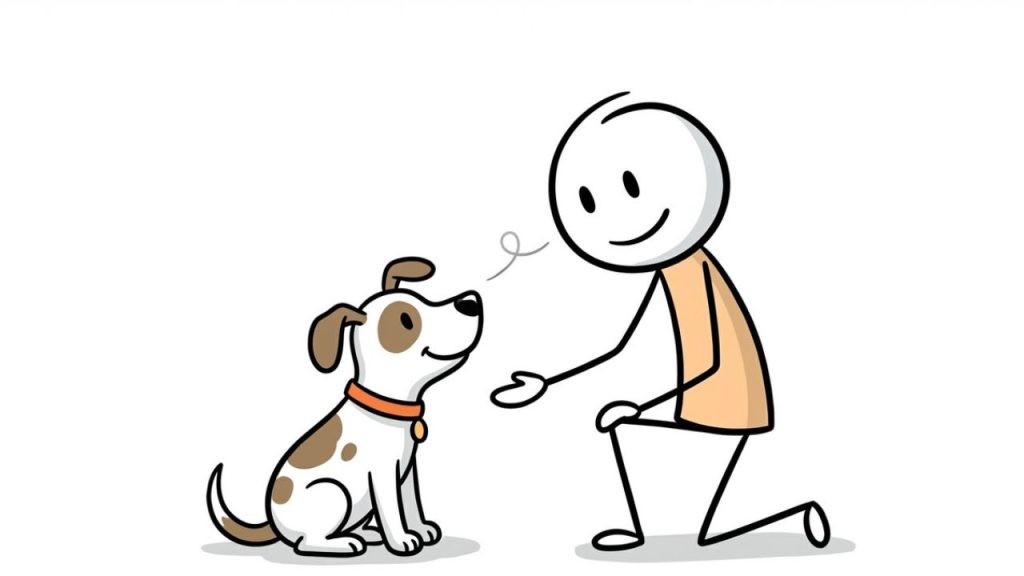
Deepen Your Understanding of Dog Behaviour
If you would like to explore canine behaviour in more depth, the course Understand Your Dog – Dog Psychology for Beginners builds on the ideas introduced in this guide.
Inside the course you’ll learn:
• how dogs interpret the world around them
• how to recognise and understand subtle behaviours
• why everyday actions, like head tilting, happen
• how to communicate more clearly with your dog
The goal is not strict obedience training.
It is understanding.
Because when we understand how dogs think, feel, and experience the world, even the smallest behaviours begin to make sense.
And when behaviour makes sense, guiding it becomes calmer, clearer, and more natural — for both you and your dog.
What to Explore Next
Understanding behaviour is only one part of supporting your dog well.
As you learn more about how your dog thinks, communicates, and responds to the world, these areas can help you build deeper understanding, practical support, and everyday confidence.
Choose the path that feels most helpful for you and your dog right now.