
Why Dogs Tilt Their Heads
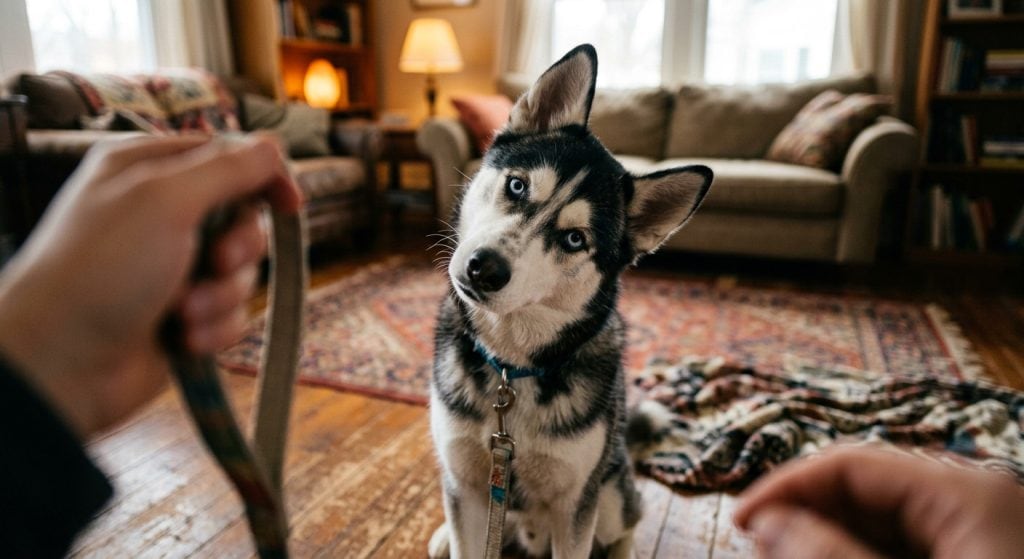
You say your dog’s name.
Or perhaps a familiar word.
“Walk.”
“Dinner.”
“Who’s there?”
And in that moment, it happens.
A slight pause.
A focused look.
And then…
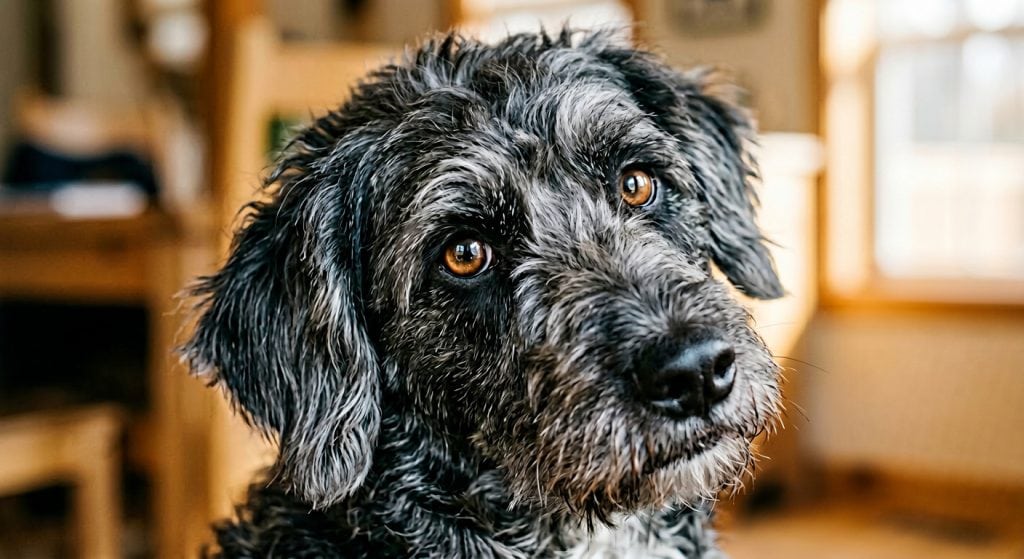
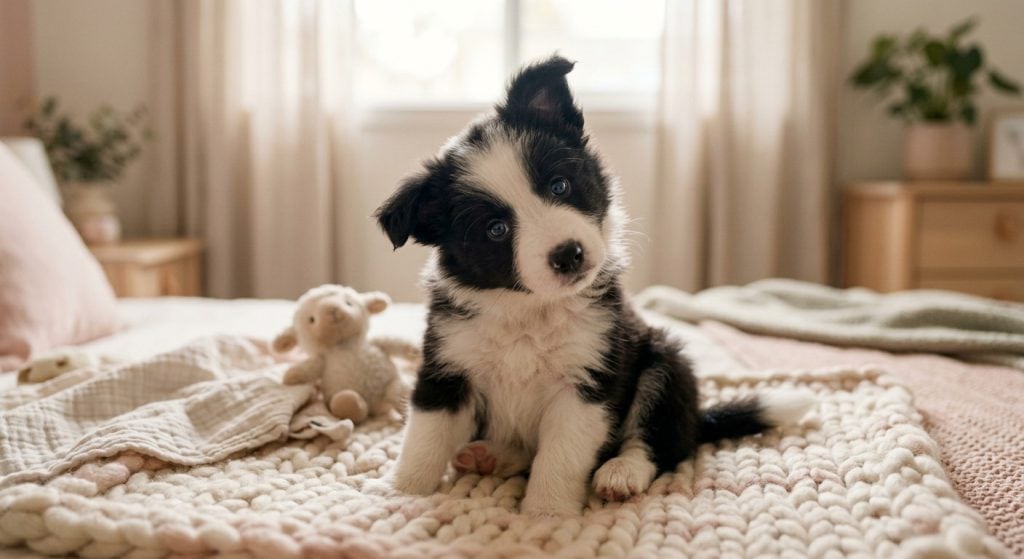
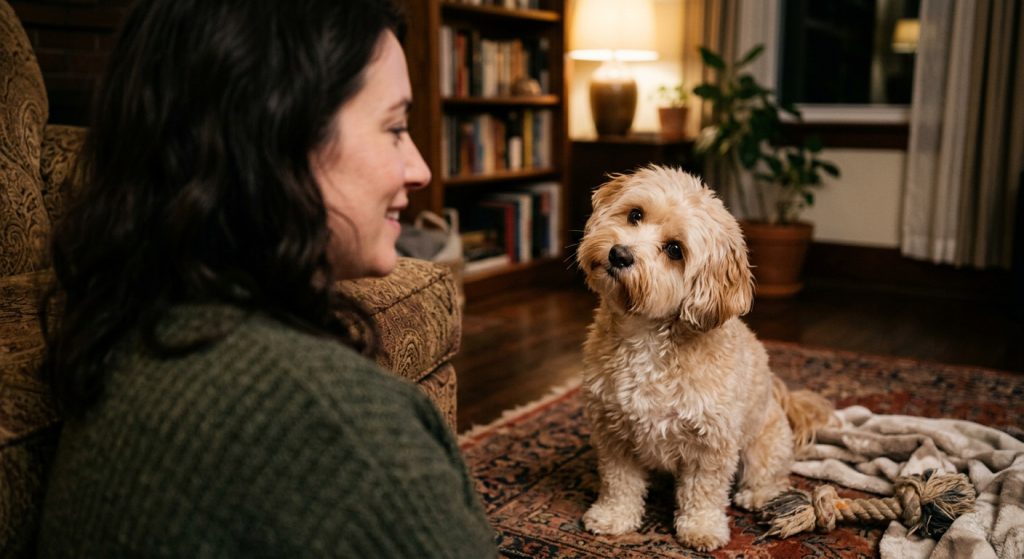
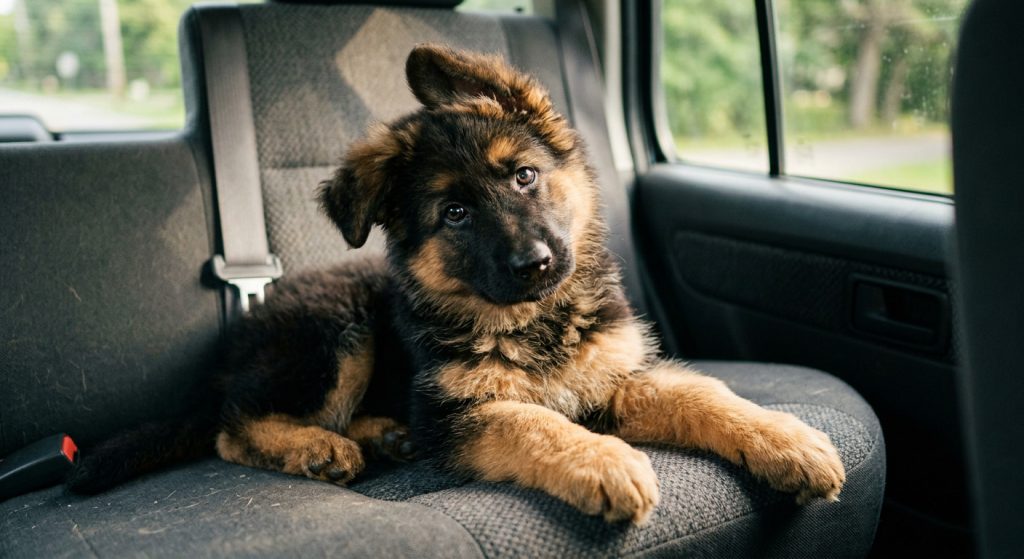
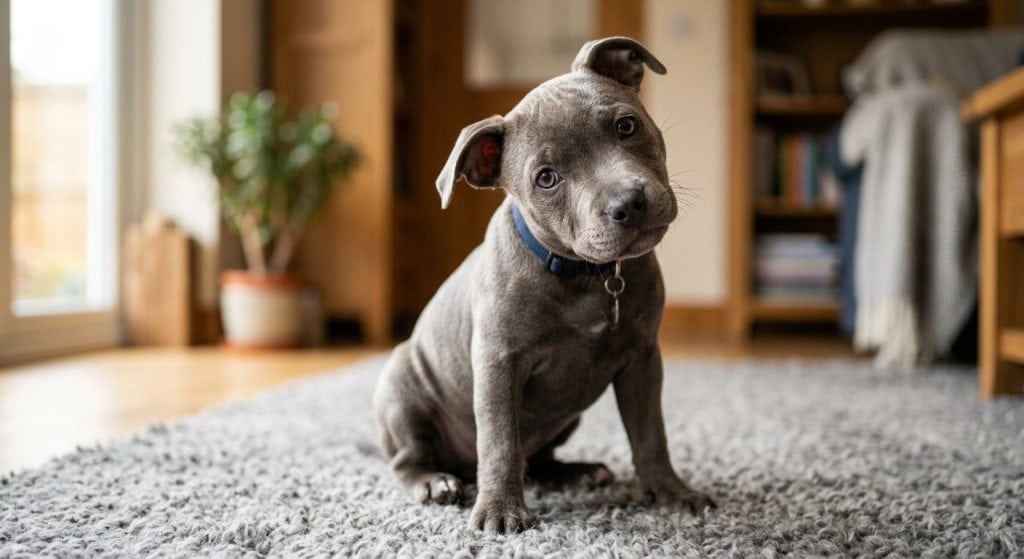
A gentle tilt of the head.
It’s one of those behaviours almost every dog owner recognises.
Often described as endearing.
Sometimes amusing.
And always just a little intriguing.
The kind of moment that makes you stop and wonder:
“Why does my dog tilt their head?”
Listening and Trying to Understand
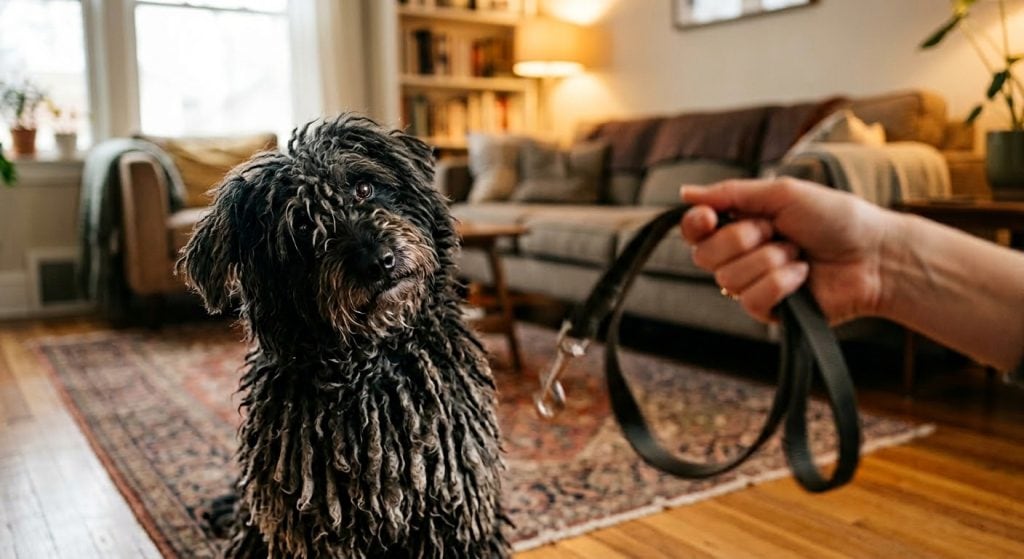
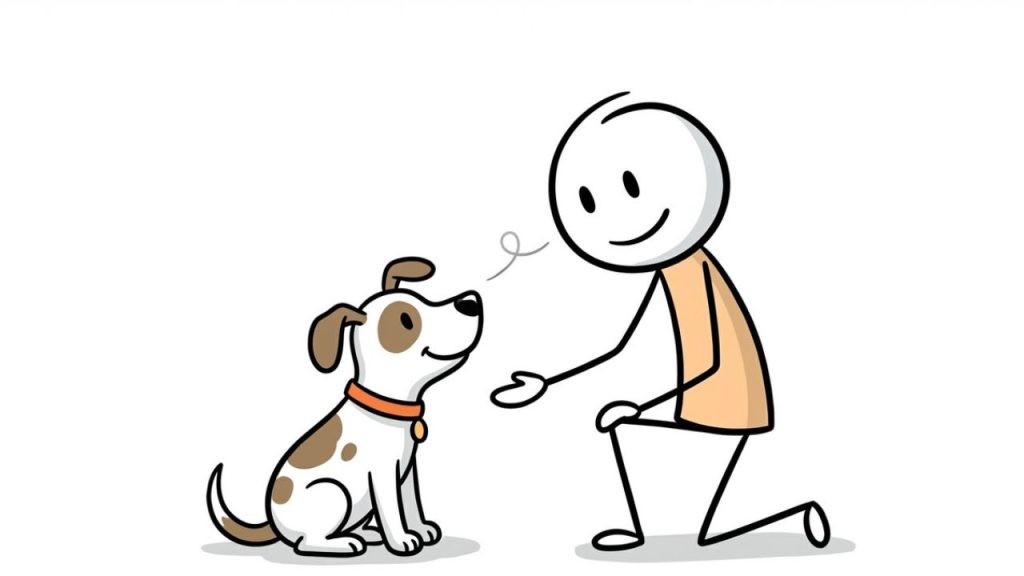
Often, it’s simply a sign that your dog is paying close attention.
Dogs are constantly listening to the world around them.
And when something stands out — a new sound, a familiar word, or a change in tone — they may adjust slightly, as if trying to focus more clearly.
A small tilt of the head can help them take it in.
Not so different from how we might lean in when we’re trying to hear something better.
In that moment, your dog may simply be listening… and trying to understand.

Familiar Words and Meaning
Over time, dogs begin to recognise certain words.
Their name.
“Walk.”
“Food.”
Or phrases they hear every day.
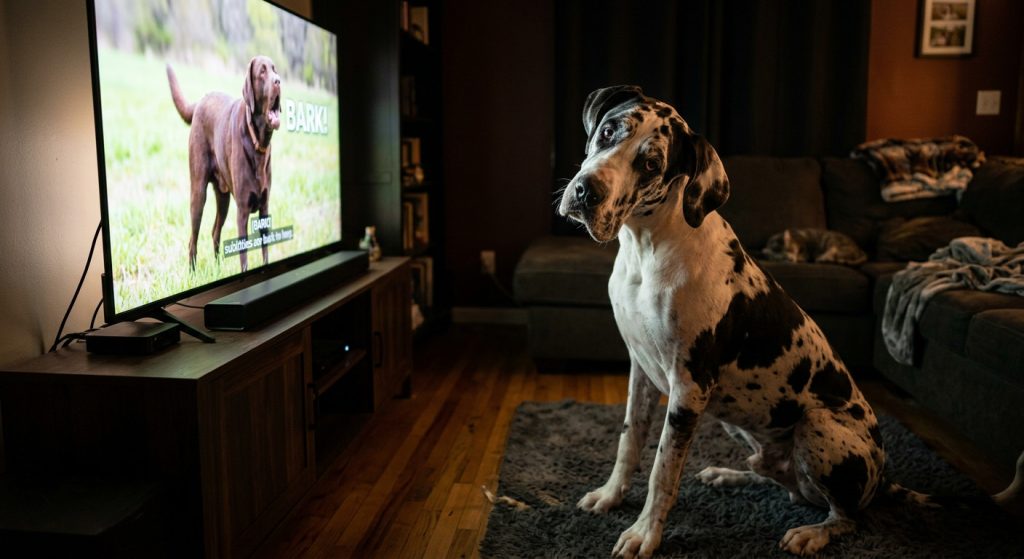
When they hear something that sounds familiar, but not completely clear, you might notice that pause… and the tilt that follows.
Almost as if they are working it out.
Is this something they know?
Does it mean something is about to happen?
It becomes a small moment of recognition — where sound starts to connect with meaning.
Seeing You More Clearly
Sometimes, it may not just be about what they hear.
It can also be about what they see.
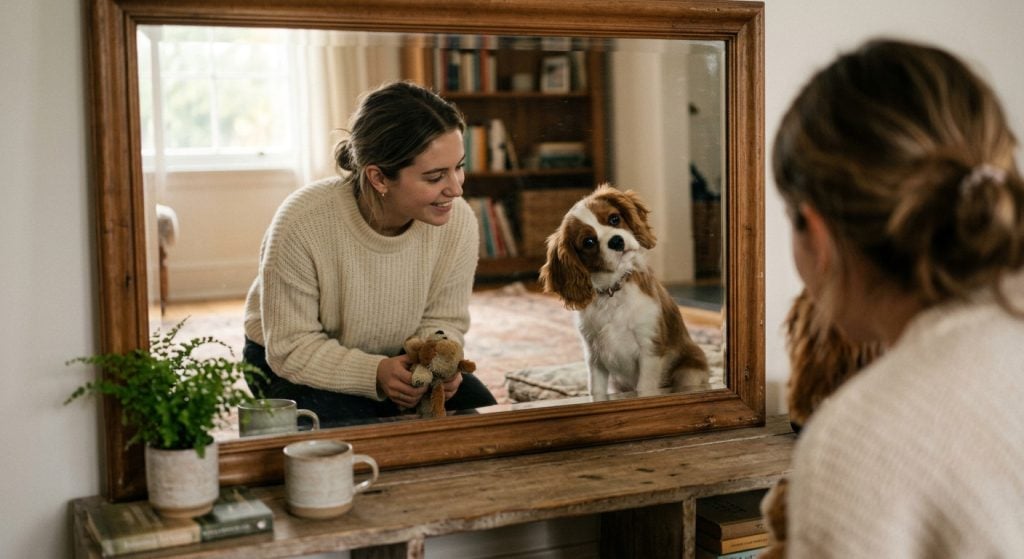
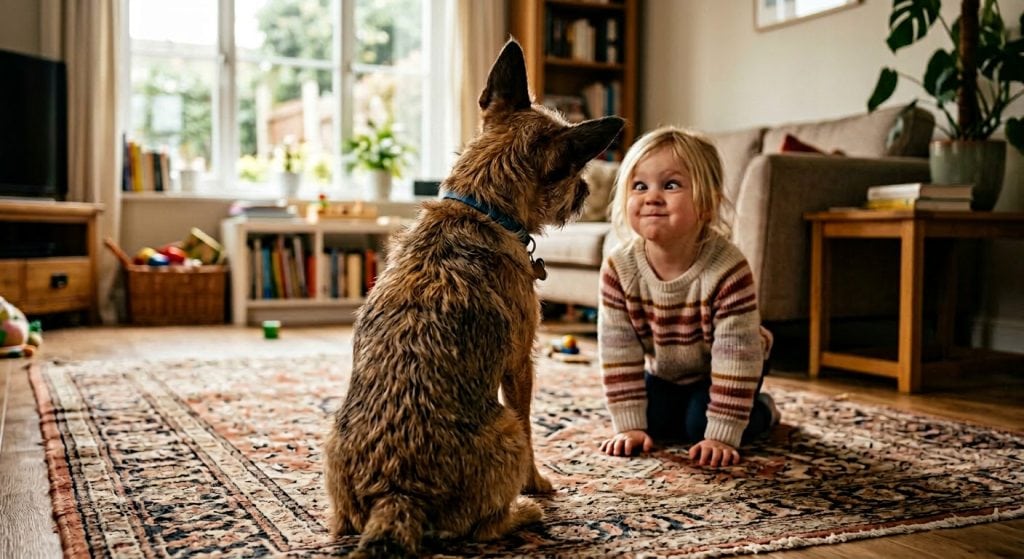
Dogs rely heavily on our faces, our expressions, and the subtle ways we move.
For some dogs, especially those with longer muzzles, a slight tilt of the head can shift their view just enough to see us more clearly.
Your eyes.
Your expression.
Your intent.
In that sense, the head tilt becomes part of how they understand you.
Curiosity and Engagement
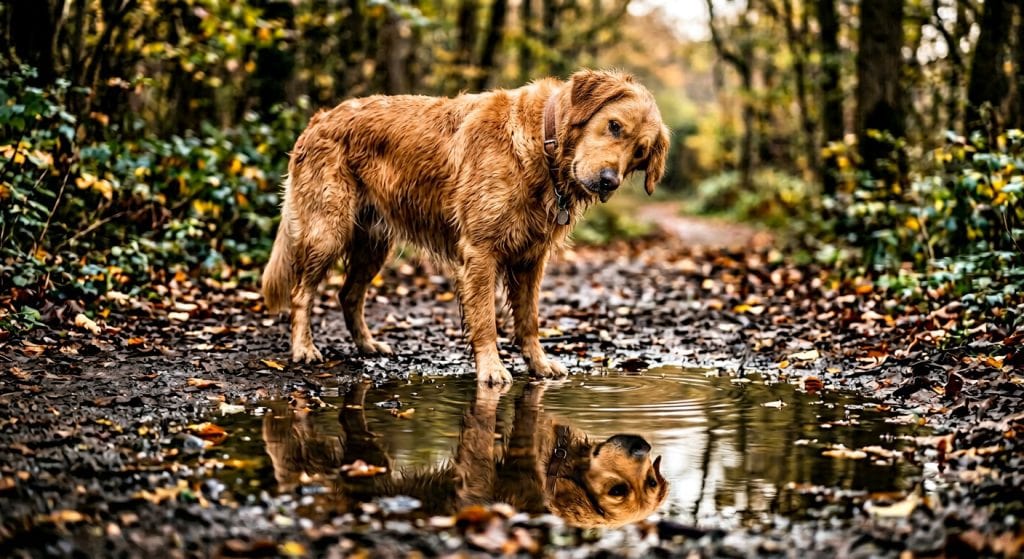
Dogs are naturally curious.
When something catches their attention, they often become completely focused in that moment.
A head tilt can simply reflect that curiosity.
Something has stood out.
Something feels important.
Something is worth paying attention to.
Rather than being random, it’s often a sign your dog is fully engaged with what’s happening around them — and with you.
Learning Through Interaction
Over time, dogs also learn from the way we respond.
A head tilt often gets a reaction.
We smile.
We speak to them.
Sometimes we repeat the word again.
From your dog’s perspective, something meaningful has happened.
And so, without thinking about it, the behaviour becomes part of that interaction.
Not because they are trying to “perform” —
but because it has become part of a familiar exchange between you.

Why It Feels So Meaningful
There’s a reason this behaviour stands out.
It feels like communication.
Like your dog is listening.
Trying to understand.
Sharing a moment with you.
And in many ways, they are.
Dogs have evolved alongside humans for thousands of years.
In that time, they have become incredibly skilled at noticing us — our voices, our expressions, and our routines.
A head tilt can be a small reflection of that connection.
A quiet moment where attention, curiosity, and understanding meet.
Why Understanding This Matters
When we begin to look at behaviour from a dog’s perspective, even the smallest actions start to make more sense.
Dogs are not tilting their heads just to be amusing.
They are responding to sound, curiosity, recognition, and interaction.
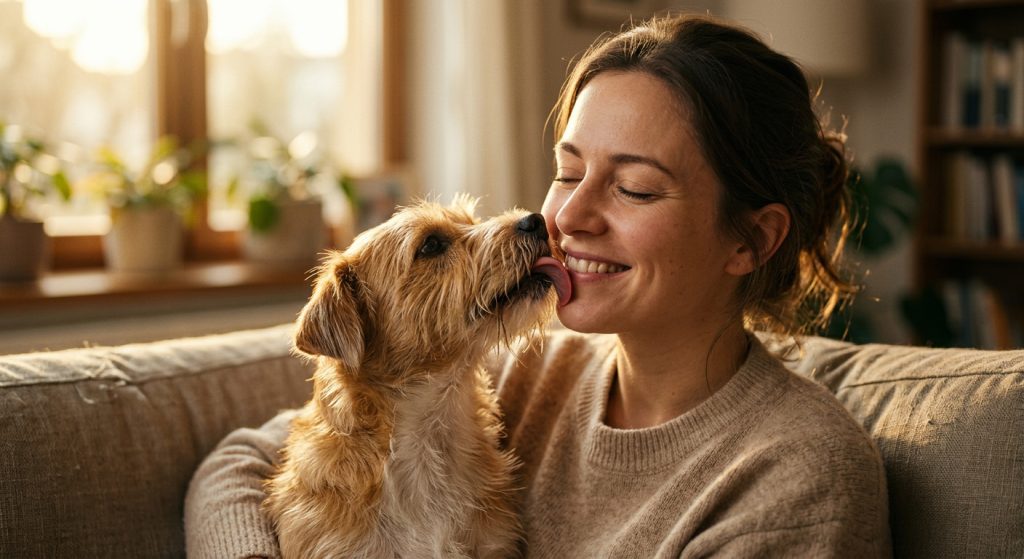
And in everyday life, it becomes one of those small behaviours that quietly strengthens the bond between you.
Because when behaviour makes sense, it becomes much easier to understand the dog in front of you.

Explore More Dog Behaviour Topics
Understanding dog behaviour is an ongoing process. Each behaviour we see — whether it’s barking, jumping, following us around the house, or tilting their head — is part of how dogs communicate and experience the world.
These guides explore some of the most common behaviours owners notice and help explain what dogs may be thinking, feeling, or responding to in everyday situations.
What to Explore Next
Head tilting is often linked to how dogs listen, process information, and focus on what’s happening around them.
These guides can help you better understand how dogs experience the world, communicate through subtle signals, and interpret everyday interactions with your dog more clearly.


Deepen Your Understanding of Dog Behaviour
If you would like to explore canine behaviour in more depth, the course Understand Your Dog – Dog Psychology for Beginners builds on the ideas introduced in this guide.
Inside the course you’ll learn:
• how dogs interpret the world around them
• how to recognise and understand subtle behaviours
• why everyday actions, like head tilting, happen
• how to communicate more clearly with your dog
The goal is not strict obedience training.
It is understanding.
Because when we understand how dogs think, feel, and experience the world, even the smallest behaviours begin to make sense.
And when behaviour makes sense, guiding it becomes calmer, clearer, and more natural — for both you and your dog.