
Why Dogs Pull on the Lead
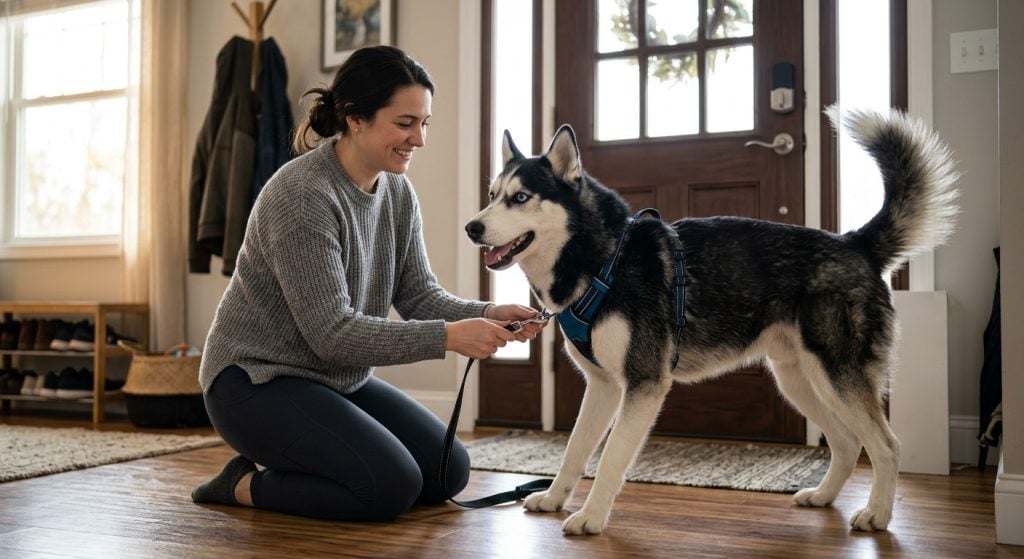
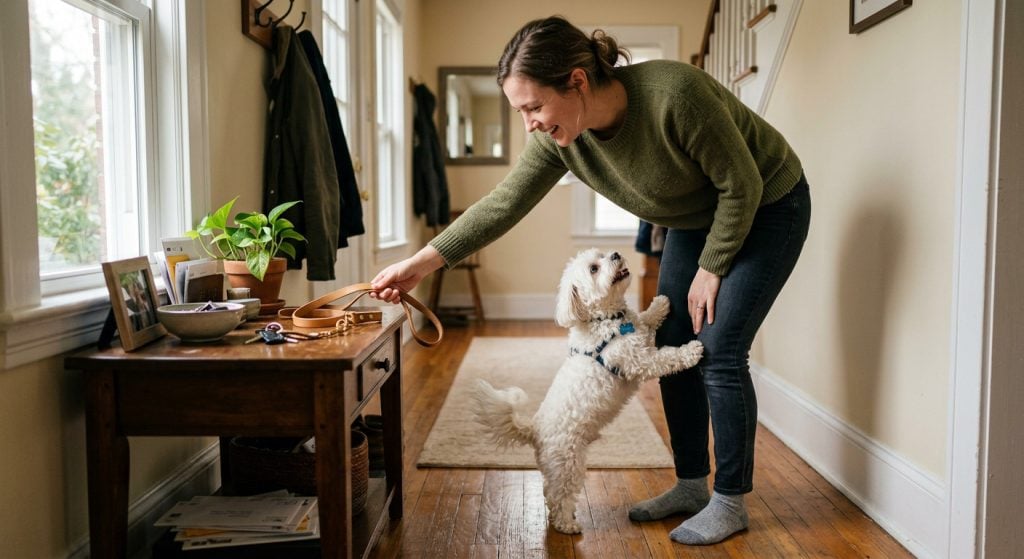
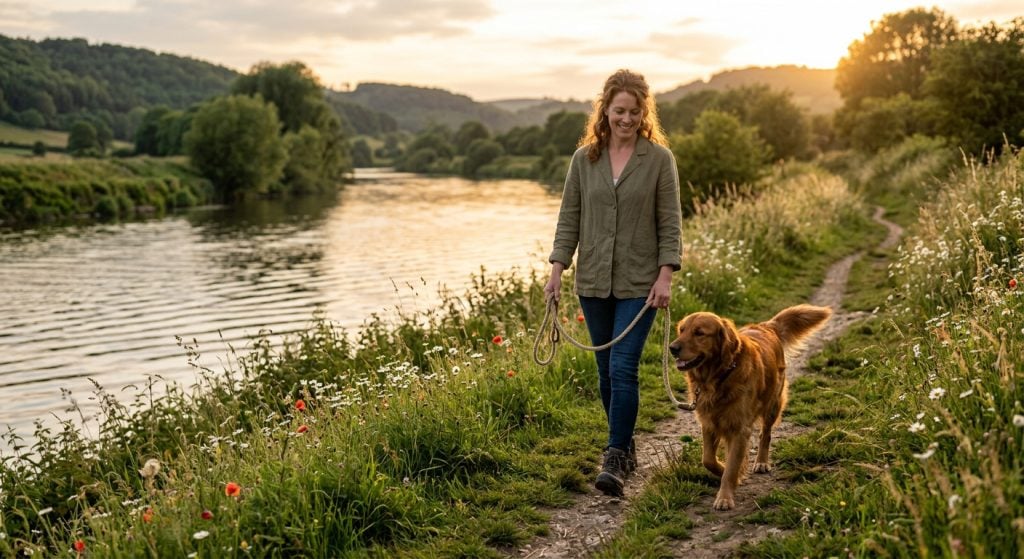
Imagine stepping outside with your dog for a walk.
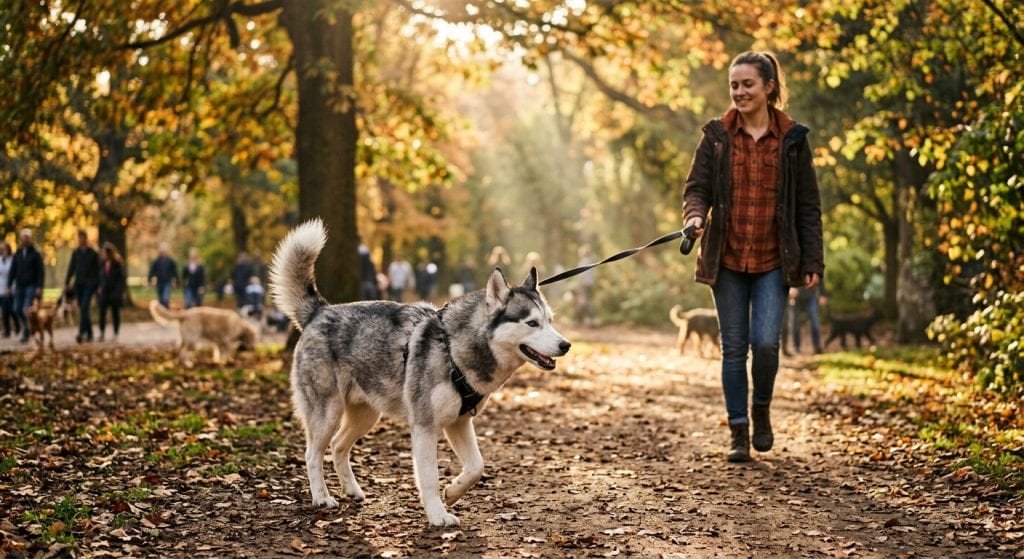
The moment the lead clips on, your dog’s excitement becomes obvious. Their tail lifts, their body leans forward, and as soon as the door opens they begin moving ahead with enthusiasm.
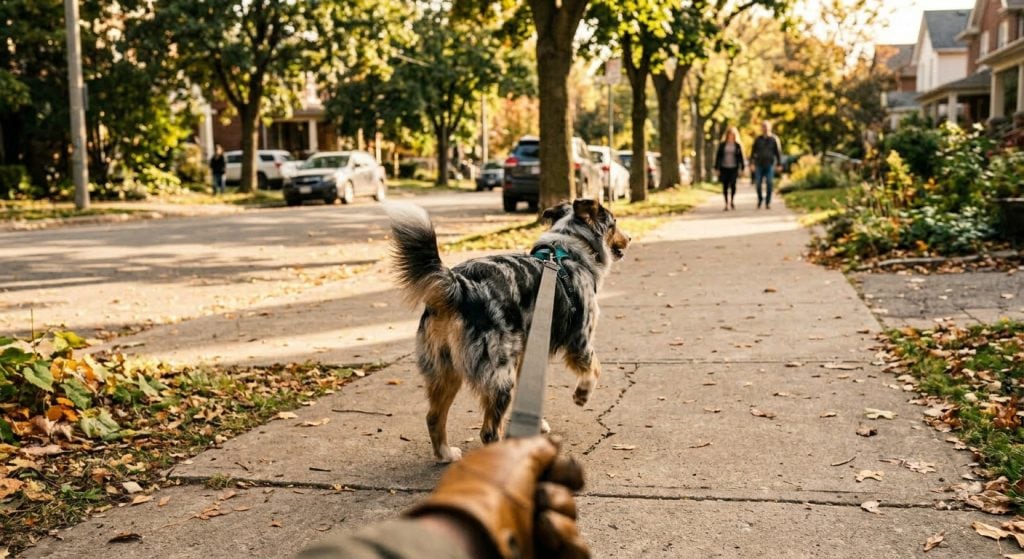
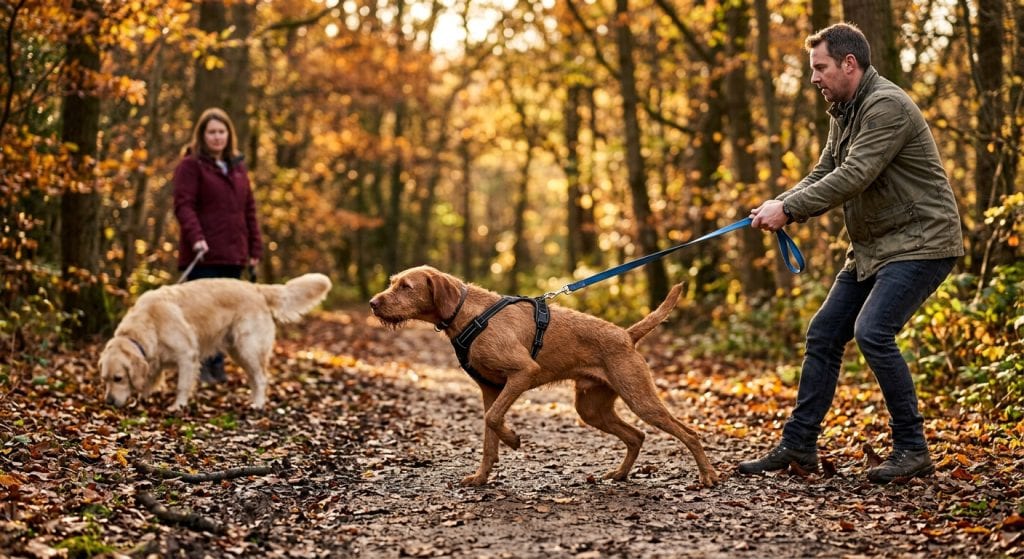
Within a few steps the lead tightens.
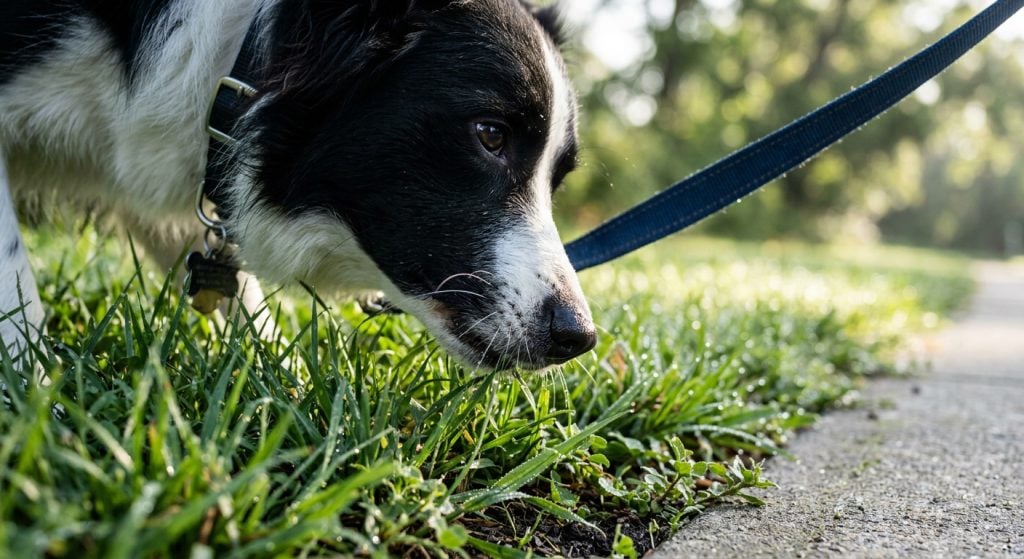
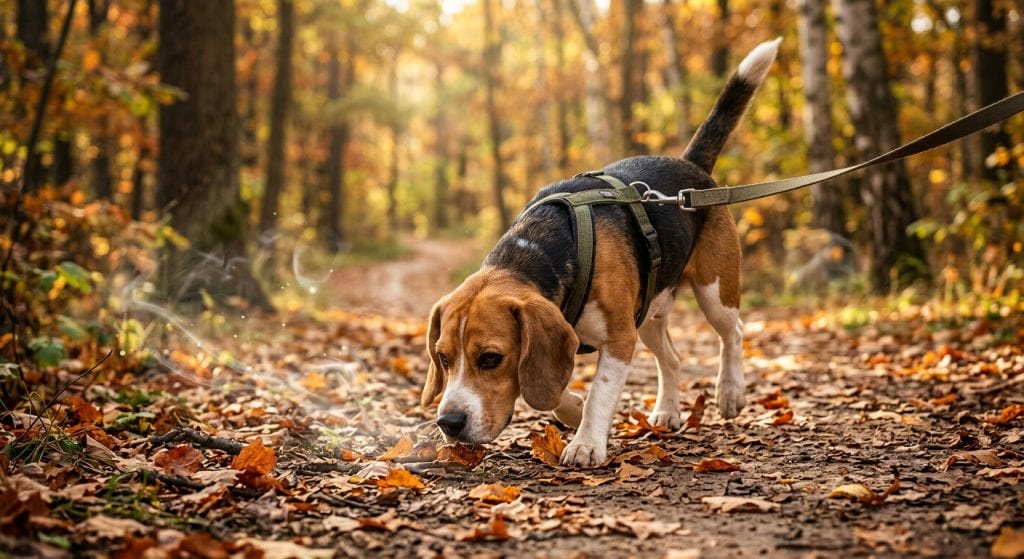
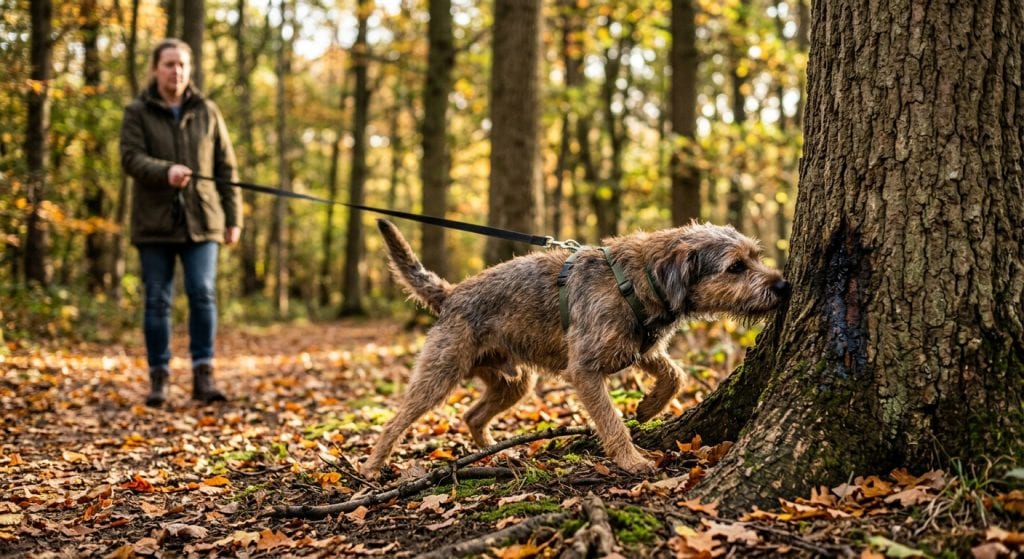
Your dog’s nose dips toward the ground, catching a scent you can’t detect, and suddenly the next few metres seem very important to them. They move forward eagerly, following a trail of information that only they can smell.
Many dog owners recognise this moment on daily walks.
From a human point of view, it can sometimes feel as though your dog is ignoring you or trying to rush ahead.
Of course, walking a dog that pulls can also feel frustrating at times — especially when the lead stays tight and the walk feels more like a tug-of-war than a relaxing outing.
But when we pause and look at the situation from a dog’s perspective, the behaviour often starts to make much more sense.
Dogs Move Toward What Interests Them
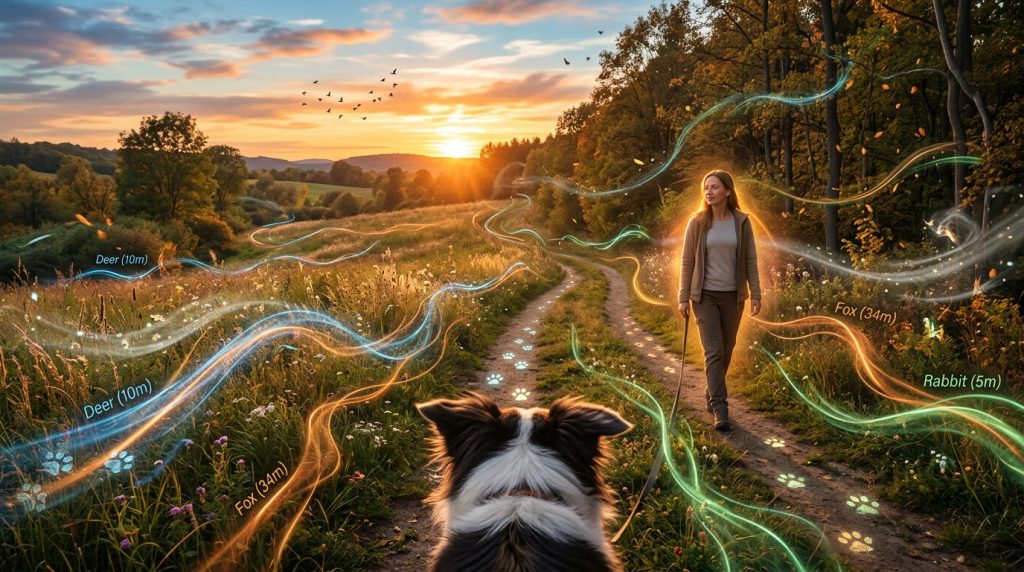
Dogs explore the world in a very different way to us.
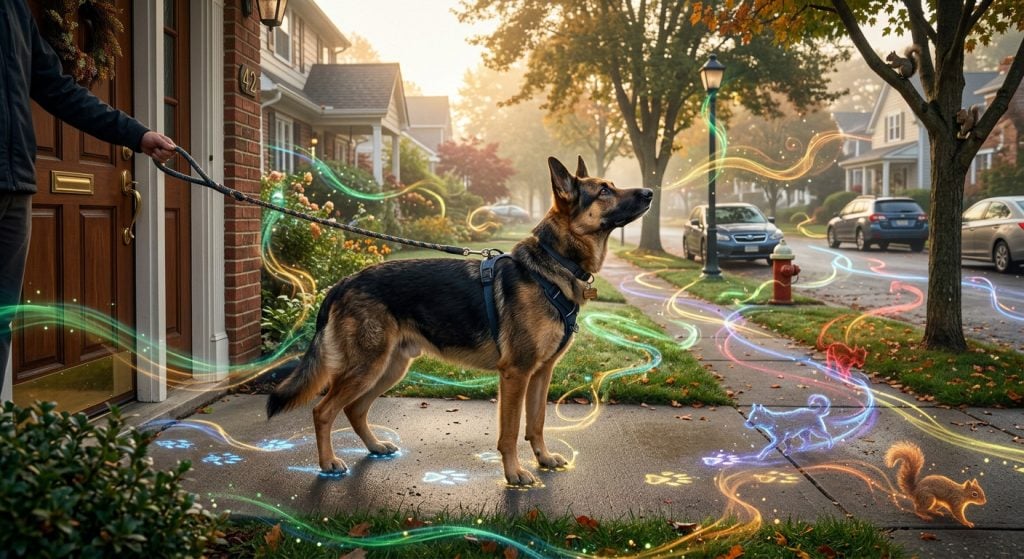
While humans rely heavily on what we see, dogs gather much of their information through scent, movement, and subtle environmental changes.
During a walk your dog is constantly noticing things such as:
- new scents on the ground
- sounds in the distance
- movement from people or animals
- familiar places they remember from previous walks
From your dog’s perspective, the environment is full of interesting things to investigate.
Moving toward those things is simply part of how dogs naturally explore the world around them.
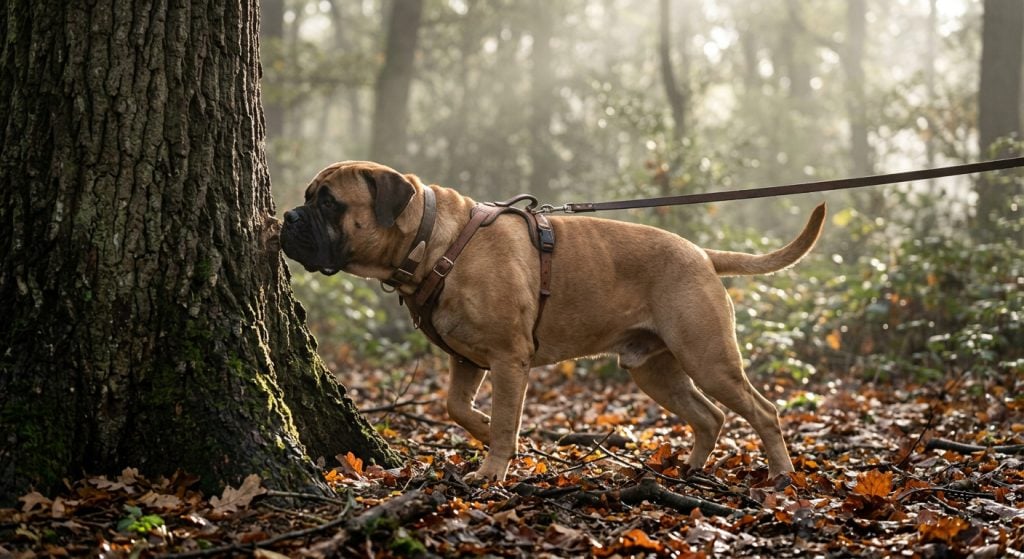
When a dog pulls on the lead, they are often trying to reach something that has captured their attention.
Walking on a Lead Is Not Natural for Dogs
It helps to remember that walking on a lead is not something dogs instinctively understand.
If dogs were free to move through their environment, they would follow scents, change direction frequently, pause to investigate, and continue exploring as they go.
The lead introduces a restriction that dogs need time to learn about.
When a dog moves forward and the lead tightens, they often keep pulling simply because they are trying to reach something interesting ahead of them.
They are not deliberately trying to challenge their owner.
They are simply responding to the world in front of them.
Excitement Plays a Role
Walks are often one of the most exciting parts of a dog’s day.
The moment the lead appears, many dogs begin anticipating the adventure of going outside.
New smells, sounds, and sights make the environment feel full of possibility.
When excitement rises, dogs naturally lean forward and move more quickly toward whatever has captured their interest.
From their point of view, pulling is simply part of moving through an exciting and stimulating environment.
And over time, something else can begin to happen.
When Pulling Becomes a Habit
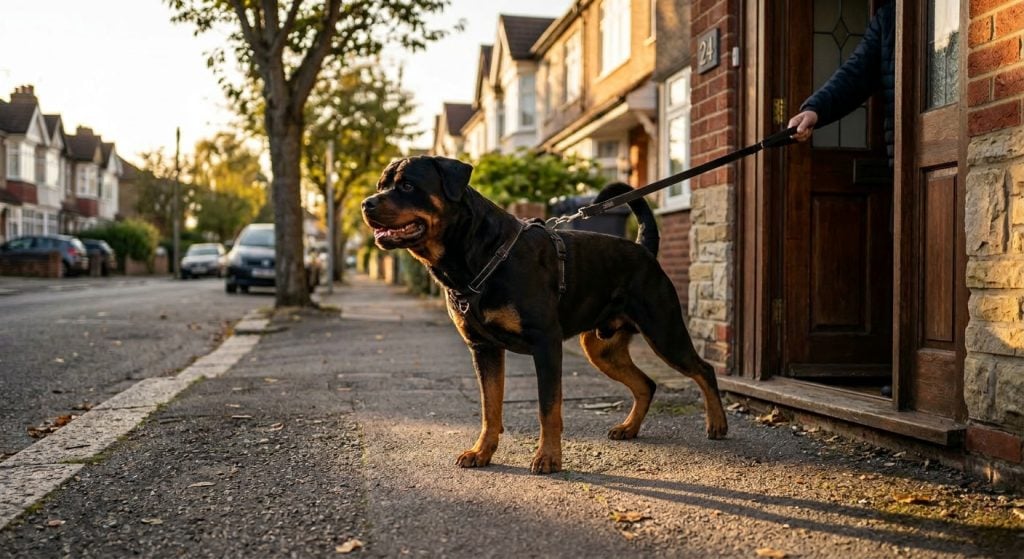
Over time, pulling can also become a learned pattern.
If a dog pulls toward something and eventually reaches it — a scent, a tree, or another dog — they may begin to associate pulling with getting closer to what they want.
Dogs are very good at recognising patterns.
If pulling sometimes leads to something interesting, they may naturally repeat the behaviour.
This does not mean the dog is being stubborn or deliberately difficult. It simply means they are repeating a behaviour that has worked for them before.
Why Understanding This Matters
Once we start looking at lead pulling through the lens of dog behaviour, the situation often becomes easier to understand.
Dogs are not pulling to frustrate us.
They are responding to:
- curiosity
- excitement
- environmental information
- past experiences
Seeing the walk from your dog’s perspective often changes how the behaviour feels.
Instead of seeing a dog that is being difficult, we begin to see a dog that is simply eager to explore the world around them.
Creating More Comfortable Walks
Many dogs can learn to walk more calmly over time, especially when walks allow them to explore their surroundings in a relaxed way.
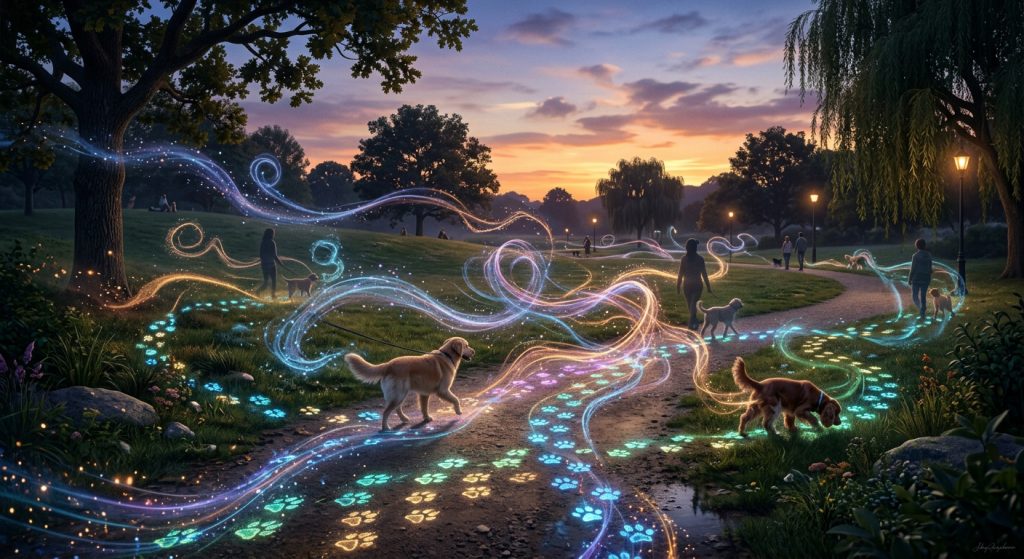
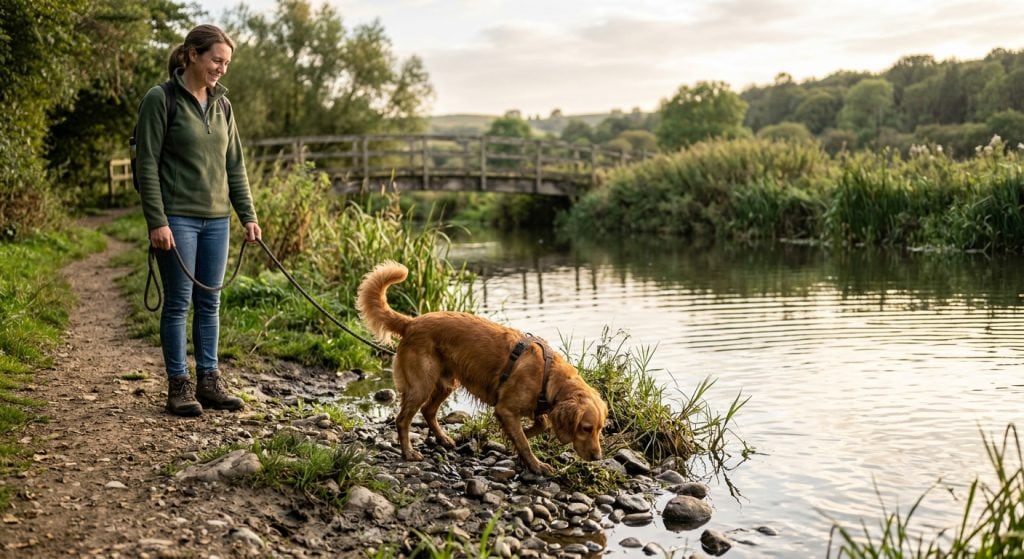
Allowing dogs moments to pause, sniff, and investigate can make the walk feel far more satisfying for them.
At the same time, gentle guidance and consistency can help dogs gradually learn how to move comfortably alongside their owners.
The goal is not perfect obedience.
The goal is calmer, more enjoyable walks for both dog and owner.
It is creating walks that feel calmer, more enjoyable, and more connected for both dog and owner.
Understanding Behaviour First
When we take the time to understand why dogs pull on the lead, the behaviour often becomes far less mysterious.
Dogs are not trying to frustrate us or challenge our authority.
They are simply responding to the world in the way their senses and instincts encourage them to.
When we begin to understand that world a little better, guiding behaviour becomes much easier.
Explore More Dog Behaviour Topics
Understanding dog behaviour is an ongoing process. Each behaviour we see — whether it’s barking, jumping, following us around the house, or tilting their head — is part of how dogs communicate and experience the world.
These guides explore some of the most common behaviours owners notice and help explain what dogs may be thinking, feeling, or responding to in everyday situations.
What to Explore Next
Pulling on the lead often feels like a training problem, but it usually makes more sense when we understand what your dog is experiencing and trying to communicate.
These guides can help you better understand why pulling happens, recognise emotional signals, and see how your dog responds to the world around them.

Deepen Your Understanding of Dog Behaviour
If you would like to explore canine behaviour in more depth, the course Understand Your Dog – Dog Psychology for Beginners expands on the ideas introduced in this section.
Inside the course you’ll learn:
- how dogs interpret their environment
- how to read canine body language
- why common behaviours happen
- how to build calm communication with your dog
The goal is not strict obedience training.
It is understanding.
When we understand how dogs think, feel, and experience the world around them, guiding behaviour becomes far easier for both dog and owner.