
Why Dogs Follow You Everywhere
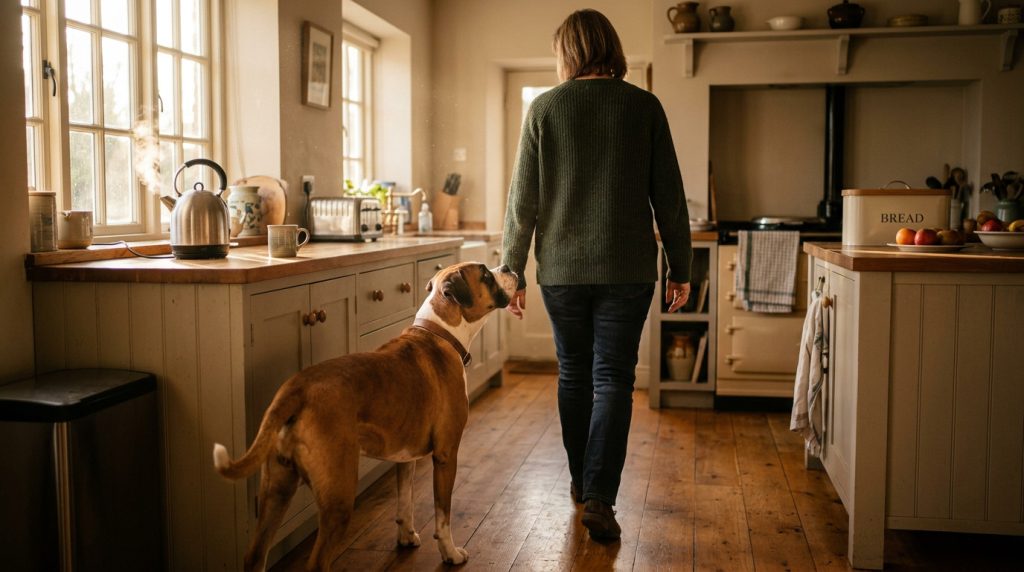
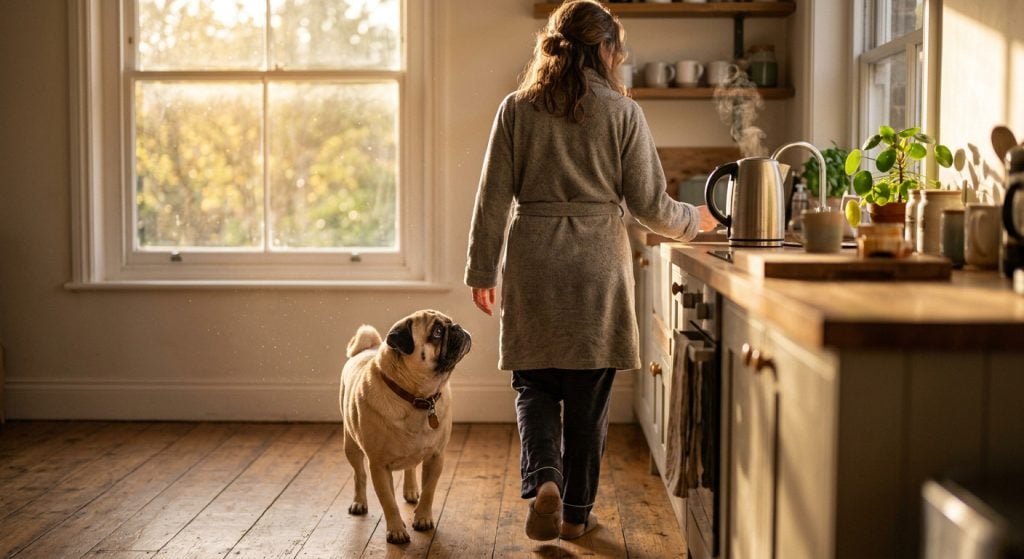
You stand up to make a cup of tea.
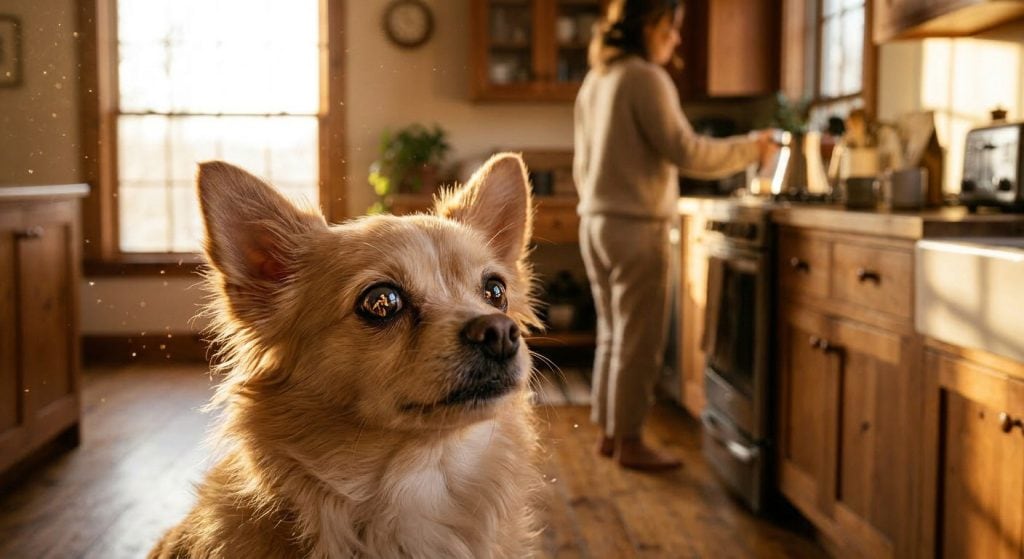
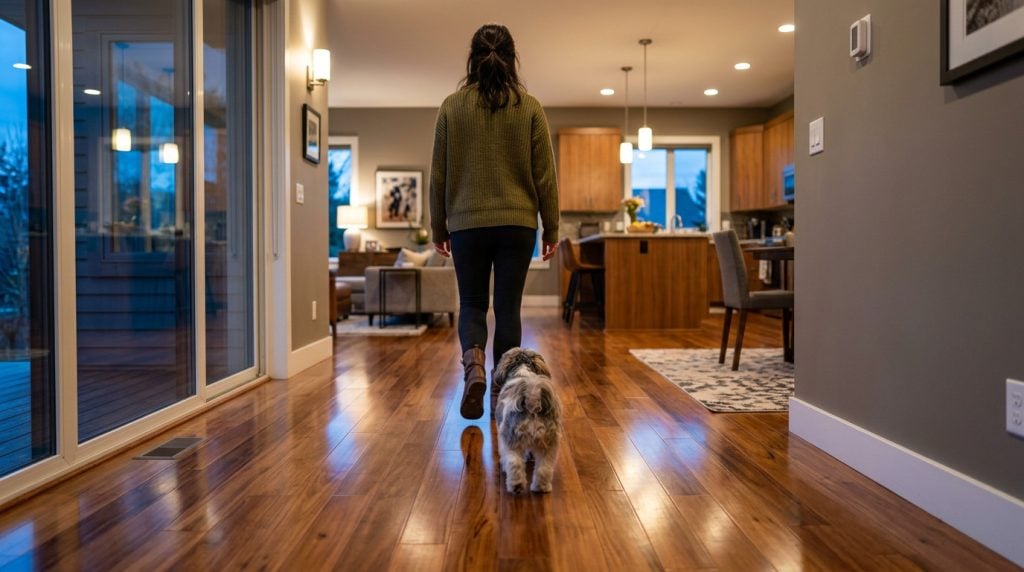
Before you even reach the kitchen, you hear the quiet tap of paws behind you.
You turn slightly, and there they are.
Your dog.
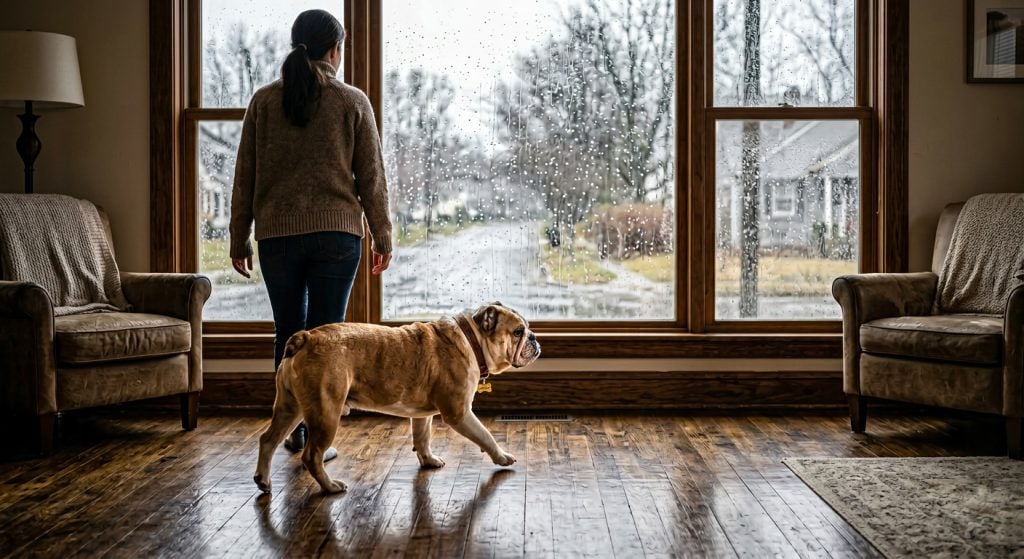
If you walk into another room, they follow.
If you head upstairs, you often hear them coming a few steps behind.
Even when you’ve only moved a short distance, your dog seems determined to stay close.
For many dog owners, this is simply part of everyday life.
Sometimes it feels comforting.
Sometimes it makes us smile.
And occasionally we might find ourselves wondering:
“Why does my dog follow me everywhere?”
In many cases, this behaviour is simply part of the bond dogs form with the people they live with.
Dogs are naturally social animals.
Long before they shared our homes, their ancestors lived and moved together in groups.
Staying close to trusted companions helped them stay safe, communicate, and work together.
So when your dog chooses to follow you from room to room, they may simply be doing something that feels very natural to them.
They are staying close to someone they trust.
Dogs Are Social Companions
Dogs evolved alongside humans over thousands of years.
During that time they became incredibly skilled at observing us — noticing our movements, habits, and daily routines.
Your dog may notice when you stand up from a chair, reach for your coat, or walk toward the door.
These small changes in your behaviour can signal that something interesting might happen next.
Perhaps a walk.
Perhaps food.
Perhaps simply the chance to spend time together.
Following you allows your dog to stay involved in what is happening around them.
From their perspective, it is simply part of sharing life with their favourite person.


Curiosity and Routine
Dogs are also naturally curious animals.
When something changes in their environment — even something small like a person moving to another room — it can spark their interest.
Where are you going?
What are you doing?
Following allows them to keep track of the activity around them.
Over time, daily routines can strengthen this behaviour.
If walking into the kitchen often leads to food preparation, your dog may learn that following you there can be rewarding.
If heading toward the door sometimes leads to a walk, they may quickly learn to stay close whenever you move in that direction.
Over time, dogs become very good at recognising the small patterns in everyday life.
And following you can simply become part of those patterns.
Attachment and Bonding
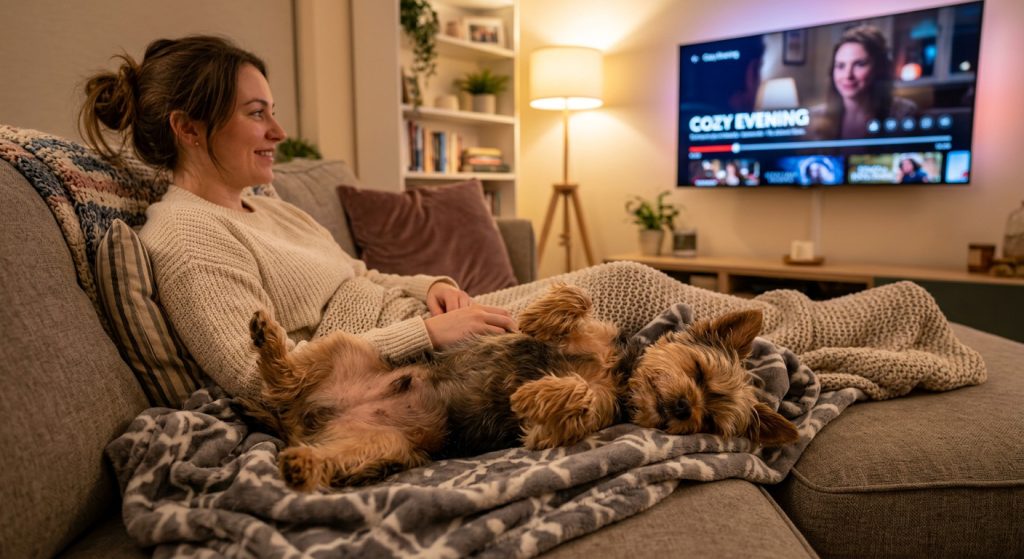
For many dogs, following behaviour is also closely linked to attachment.
Dogs often form strong social bonds with the people they live with.
These bonds provide comfort, security, and familiarity.
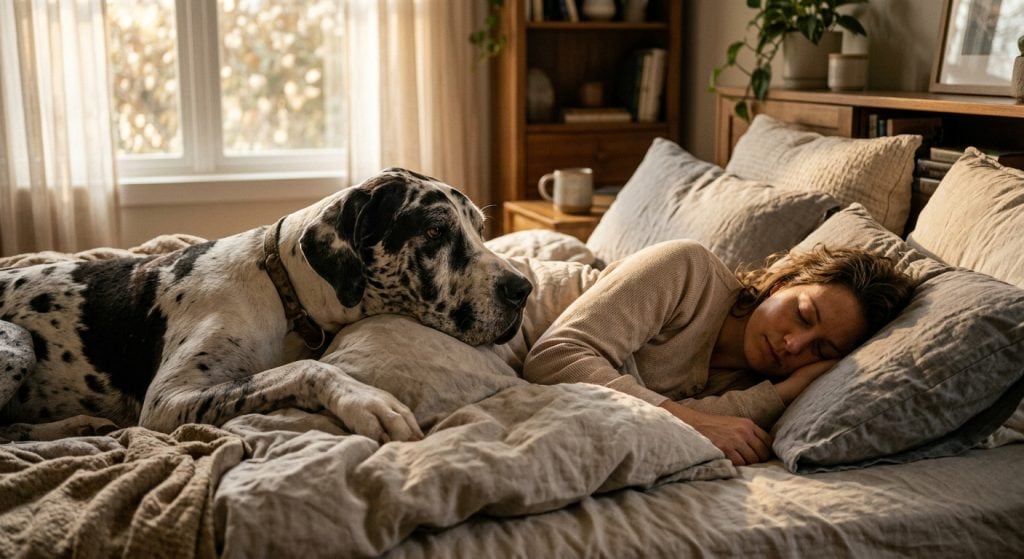
Staying close to a trusted person can help a dog feel relaxed and safe within their environment.
This is particularly common in dogs who enjoy spending time around their owners or who feel most comfortable when they know where their people are.
In this sense, following behaviour is often a reflection of connection.
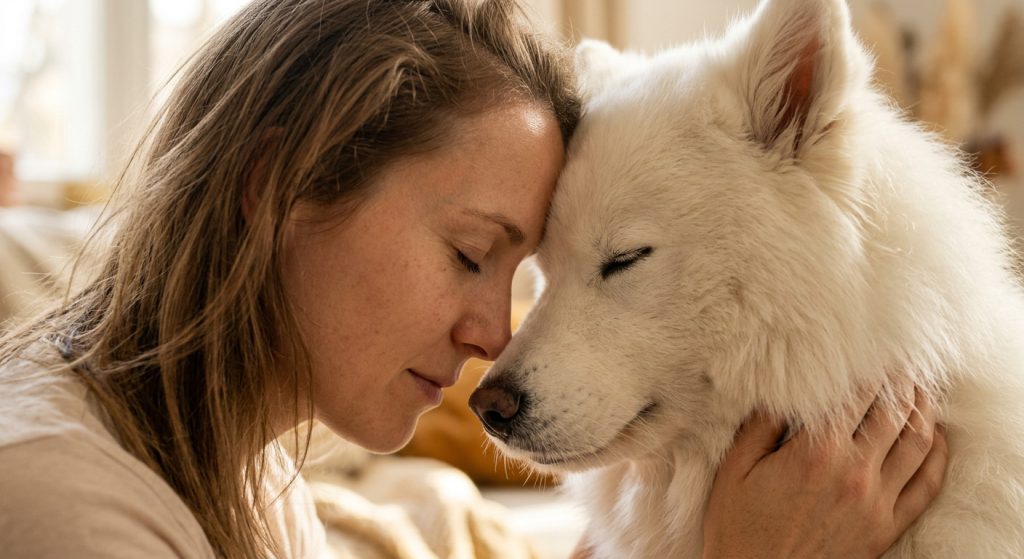
Your dog is choosing to be near you because your presence is meaningful to them.
For your dog, you are not just part of their life — you are a central part of their world.
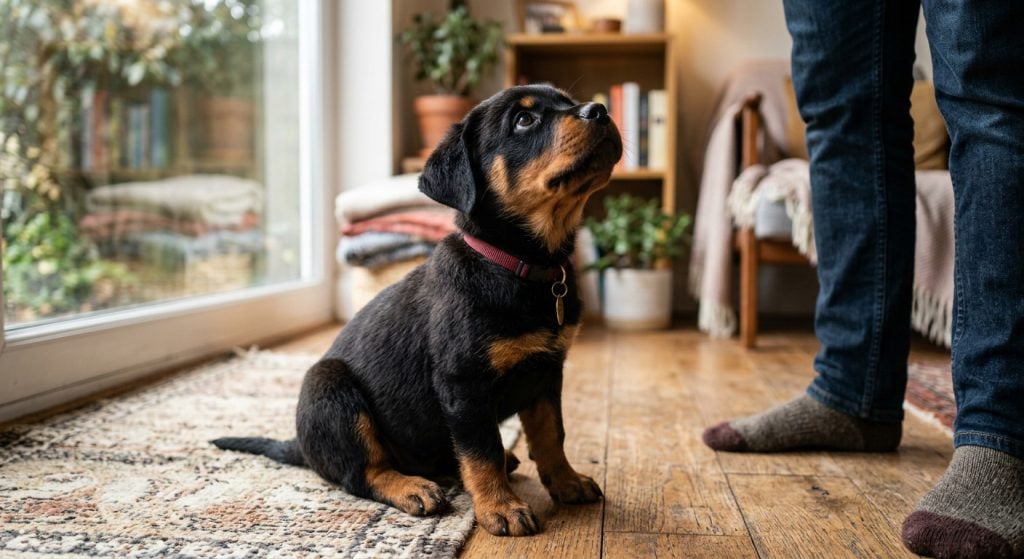

Puppies Often Learn This Early
Many dogs begin developing this habit when they are young.
Puppies naturally look to people for guidance, safety, and social interaction.
Following their owner around the house can help them learn about their environment and stay close to a source of comfort.
When puppies follow and receive attention, affection, or interaction, the behaviour can become even more rewarding.
Over time, what began as simple curiosity or closeness can grow into a familiar daily routine.
For many dogs, it simply becomes part of how they move through the world with their family.
When Following Can Become a Concern
In most cases, a dog following their owner is completely normal.
However, there are situations where the behaviour may become more intense.
Some dogs may struggle to relax when their owner leaves the room, becoming restless or distressed when they cannot stay close.
In these situations, the behaviour may be connected to anxiety or uncertainty about being alone.
If a dog seems unable to settle unless their owner is nearby, it can sometimes indicate that they are relying heavily on that presence for reassurance.
Understanding this difference can help owners recognise when following is simply social behaviour — and when a dog may need extra support in learning to feel comfortable on their own.
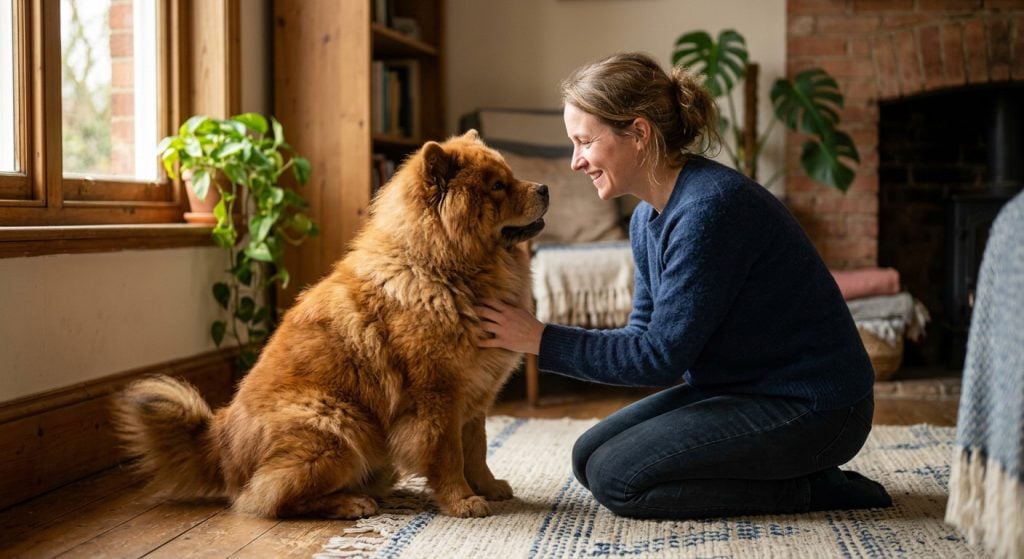
Why Understanding This Matters
When we look at behaviour from a dog’s perspective, it often becomes much easier to understand.
Dogs are not following us to be difficult or demanding.
They are usually responding to instincts that encourage closeness, curiosity, and connection.
In many homes, a dog quietly following their owner from room to room is simply a reflection of the relationship they share.
By recognising what motivates the behaviour, we can respond with patience and awareness rather than frustration.
And when we understand why our dogs behave the way they do, it becomes much easier to guide behaviour in a calm and supportive way.
Helping Dogs Feel Comfortable Both Together and Apart
Dogs naturally enjoy being close to the people they trust.
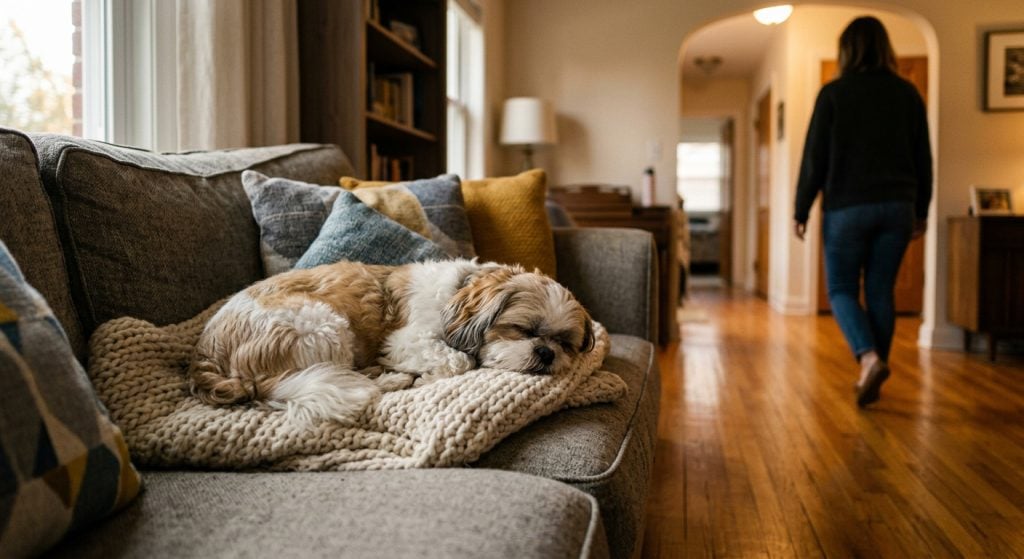
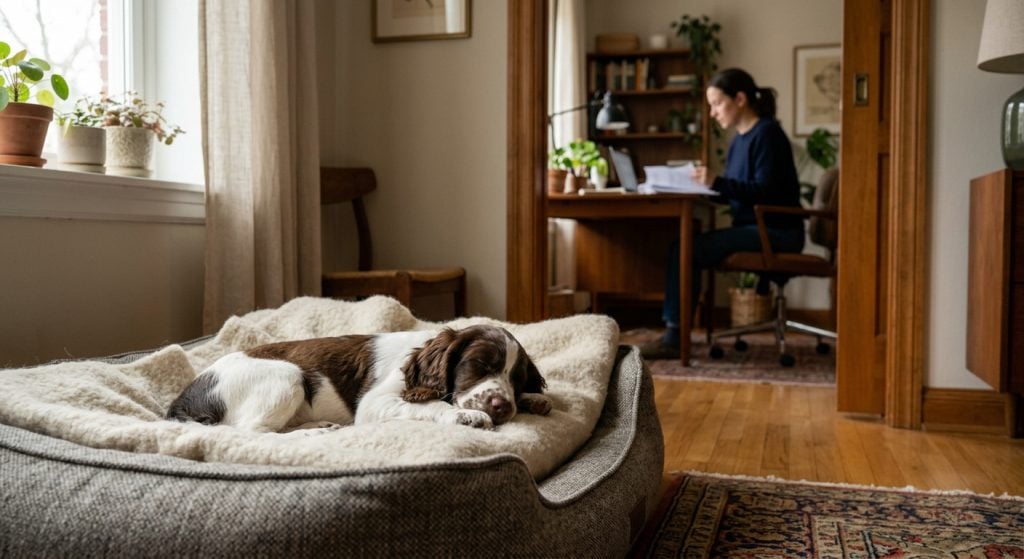
But it can also be helpful for them to learn that spending time alone is safe and comfortable too.
Encouraging calm independence — such as resting on their bed or relaxing in another room — can help dogs feel confident whether their owner is nearby or not.
The goal is not to stop a dog from wanting to be close.
It is simply to help them feel relaxed and secure in a variety of situations.
When dogs feel confident both with and without constant proximity to their owner, daily life often becomes calmer and more balanced for everyone.
Understanding Behaviour First
Once we begin looking at behaviour through the lens of dog psychology, many everyday actions start to make much more sense.
Dogs follow us not because they are trying to be troublesome, but because they are responding to instincts that encourage social connection, curiosity, and companionship.
And when we understand those instincts, guiding behaviour becomes far easier.
Because the goal is not strict obedience.
It is understanding.
Explore More Dog Behaviour Topics
Understanding dog behaviour is an ongoing process. Each behaviour we see — whether it’s barking, jumping, following us around the house, or tilting their head — is part of how dogs communicate and experience the world.
These guides explore some of the most common behaviours owners notice and help explain what dogs may be thinking, feeling, or responding to in everyday situations.
What to Explore Next
Following you everywhere can be linked to connection, routine, and emotional comfort, but it can also raise questions about attachment and independence.
These guides can help you better understand what your dog is feeling, how they communicate through everyday behaviour, and why patterns of connection develop over time.

Deepen Your Understanding of Dog Behaviour
If you would like to explore canine behaviour in more depth, the course Understand Your Dog – Dog Psychology for Beginners builds on the ideas introduced in this guide.
Inside the course you’ll learn:
• how dogs interpret their environment
• how to read canine body language
• why common behaviours happen
• how to create calmer communication with your dog
The goal is not strict obedience training.
It is understanding.
Because when we understand how dogs think, feel, and experience the world around them, guiding behaviour becomes easier for both dog and owner.