
Beagle
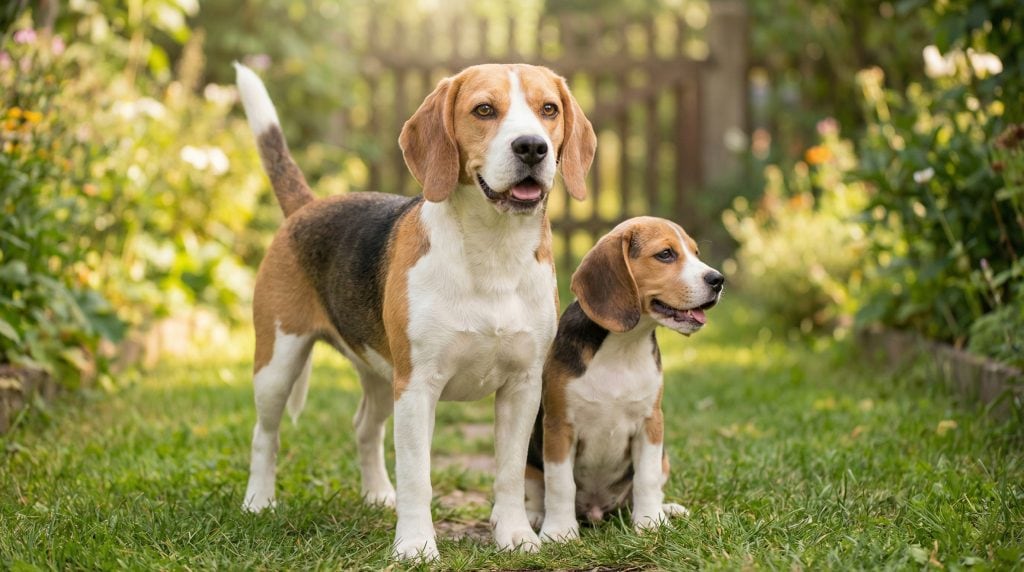
Living with a Beagle often means embracing a lively and curious companion. Their strong sense of smell leads them on many adventures, both inside and outside the home. Owners frequently find themselves amused by the Beagle's determination and charm, as they explore their surroundings with an infectious enthusiasm.
At a glance
Core care
- Size: Medium
- Energy: High
- Grooming: Low
- Shedding: Moderate
Support style
- Sensitivity: Moderate
- Training style: Moderate
Breed guide
Choose a section to explore. These notes describe common patterns, but individual dogs vary widely.
Living with a Beagle often means sharing your home with a dog that is constantly curious about the world around them. Many owners notice how quickly a Beagle’s nose takes the lead during walks, guiding them toward new scents and discoveries. This inquisitive nature reflects generations of breeding as scent hounds, where their primary task was to follow trails and investigate the environment.
Physically, Beagles are medium-sized dogs with a sturdy build that suits their active lifestyle. Their short coat is easy to maintain, though they do shed moderately throughout the year. Owners often note the Beagle’s expressive eyes and floppy ears, which add to their endearing appearance. These physical traits are not just for show; their ears help funnel scents to their nose, enhancing their tracking abilities.
Beagles are known for their friendly and social nature. They tend to be good-natured and enjoy the company of both humans and other dogs. However, their independent streak can sometimes make training a challenge, as they may become distracted by interesting smells. Patience and consistency are key when working with a Beagle, as is understanding their motivation to explore.
While Beagles generally thrive in active households, it’s important to remember that each dog is an individual. Factors such as genetics, early socialisation, and environment all play a role in shaping a Beagle’s personality. Prospective owners should be prepared for a lively and curious dog that may require a bit of extra effort to train, but will reward them with loyalty and affection.
Beagles are often described as social butterflies, thriving in environments where they can interact with both people and other animals. Their history as pack animals means they are generally comfortable in groups and enjoy being part of family activities. This social nature often results in a dog that is eager to join in on any adventure, whether it’s a walk in the park or a lazy afternoon at home.
Their moderate sensitivity means that Beagles are usually quite adaptable, though they can be a bit stubborn at times. This stubbornness is often a reflection of their independent nature, a trait that can be traced back to their days as hunting dogs. Owners may notice that their Beagle has a mind of its own, especially when it comes to following a scent. Patience and understanding are crucial when dealing with this aspect of their personality.
In terms of trainability, Beagles can be a bit of a mixed bag. While they are intelligent and capable of learning, their strong sense of smell can sometimes lead them astray. Training a Beagle often requires a good deal of creativity and a focus on positive reinforcement. Many owners find that incorporating games and scent-based activities into their training routine can help keep their Beagle engaged and motivated.
Overall, living with a Beagle means embracing their curious and playful nature. While they may present some training challenges, their affectionate and loyal disposition often wins over even the most frustrated owner. As with any breed, individual Beagles will vary, and it’s important to get to know your dog as an individual to understand their unique personality and needs.
A typical day for a Beagle involves a good amount of activity, as they are naturally energetic dogs. Most Beagles benefit from at least an hour of exercise each day, which can include walks, playtime, and opportunities to explore new environments. Their love for following scents means that they particularly enjoy activities that engage their sense of smell, such as scent trails or interactive toys.
Physical exercise is important for Beagles, but mental stimulation is equally crucial. These intelligent dogs thrive on challenges that engage their minds, so puzzle toys and scent games can be excellent ways to keep them entertained. Owners often find that a combination of physical and mental activities helps to satisfy their Beagle’s needs and can reduce the likelihood of unwanted behaviours stemming from boredom.
As Beagles age, their exercise needs may change. While puppies and young adults are often full of energy, older Beagles may require less intense activity. However, they still benefit from regular walks and gentle play to keep them healthy and happy. It’s important to adjust exercise routines to suit the individual dog’s age and health status.
Owners should be mindful of the Beagle’s tendency to follow their nose. This can sometimes lead them into mischief if they are not properly supervised. Ensuring that they have a secure area to explore and play in can help prevent any unexpected adventures. By understanding and catering to their natural instincts, owners can create a fulfilling and enjoyable routine for their Beagle.
Training a Beagle often feels like a balancing act between encouraging their natural curiosity and maintaining focus. These dogs are intelligent and eager to learn, but their strong sense of smell can sometimes lead them off track. Owners frequently find that training sessions need to be engaging and varied to keep their Beagle’s attention.
Positive reinforcement is a key strategy when training Beagles. Rewarding them with treats, praise, or play can be highly effective, especially when the reward is immediate. Consistency is important, as Beagles can be quite independent and may test boundaries if they sense inconsistency in training.
Adolescence can be a challenging time for Beagle owners, as their curiosity and energy levels peak. During this stage, it’s crucial to maintain a routine and continue reinforcing good behaviours. Patience is essential, as Beagles may take a bit longer to mature compared to some other breeds. Many owners find that enrolling in a training class can provide additional support and structure during this time.
Building a strong relationship with a Beagle is fundamental to successful training. Understanding their motivations and working with their natural instincts can lead to a more harmonious partnership. By focusing on positive interactions and clear communication, owners can help their Beagle develop into a well-mannered and happy companion.
Beagles tend to thrive in environments where they have space to explore and opportunities for regular exercise. They are adaptable dogs that can do well in both urban and rural settings, provided their need for activity is met. Many owners find that a home with a secure garden is ideal, as it allows their Beagle to safely indulge their natural curiosity.
Living with children and other pets is often a positive experience for Beagles, thanks to their friendly and social nature. They generally get along well with kids, though supervision is always recommended to ensure safe interactions. Beagles can also coexist peacefully with other dogs, especially if they are introduced properly and given time to adjust.
While Beagles are adaptable, they do best in homes where they are not left alone for extended periods. Their social nature means they enjoy company and may become bored or anxious if left alone too often. Prospective owners should consider their lifestyle and ensure they have the time and energy to meet a Beagle’s needs.
Ultimately, the Beagle’s suitability for a particular home depends on the individual dog’s personality and the owner’s ability to provide the necessary care and attention. By understanding the breed’s tendencies and considering their own lifestyle, potential owners can make an informed decision about whether a Beagle is the right fit for their home.
A Beagle’s health is closely tied to their overall wellbeing and quality of life. While they are generally healthy dogs, there are some breed-specific health considerations that owners should be aware of. Regular veterinary check-ups and preventive care are essential to catch any potential issues early and maintain their health.
Beagles can be prone to certain conditions such as hip dysplasia, epilepsy, and hypothyroidism. Understanding these potential health concerns and monitoring for any signs or symptoms is important. Owners should work closely with their vet to develop a care plan that includes regular health screenings and vaccinations.
Maintaining a healthy weight is crucial for Beagles, as they have a tendency to overeat if given the chance. Obesity can lead to a range of health problems, so it’s important to monitor their diet and provide regular exercise. Portion control and a balanced diet can help prevent weight-related issues and keep them in good shape.
In addition to physical health, mental wellbeing is also important for Beagles. Ensuring they have plenty of mental stimulation and social interaction can help prevent behavioural issues and contribute to their overall happiness. By taking a proactive approach to their health and wellbeing, owners can help their Beagle lead a long and fulfilling life.
The Beagle’s history dates back to ancient times, with records of similar hounds used for hunting in Greece and Rome. However, the modern Beagle as we know it began to take shape in England during the 19th century. Bred for their exceptional sense of smell and tracking ability, Beagles were primarily used for hunting small game such as rabbits and hares.
The breed’s development was influenced by various hound breeds, including the Harrier and other small hounds. The goal was to create a dog that was not only an excellent tracker but also had the stamina and determination to follow a scent for extended periods. This focus on scent and endurance has left a lasting impact on the Beagle’s character today.
Throughout history, Beagles have been valued for their hunting skills and their ability to work in packs. This pack mentality contributes to their social nature and ease with other dogs. Their role as hunters required them to be independent thinkers, a trait that can still be seen in their sometimes stubborn behaviour.
Understanding the Beagle’s origins helps explain many of their modern traits, from their love of scent-based activities to their social and friendly disposition. While they are no longer primarily used for hunting, the qualities that made them successful in the field continue to make them beloved companions today.
What shapes individual dogs
- Early social experiences
- Training approach
- Environment & routine
- Genetics & breeding
- Health & pain
- Age / life stage
Living with a Beagle often means sharing your home with a dog that is constantly curious about the world around them. Many owners notice how quickly a Beagle’s nose takes the lead during walks, guiding them toward new scents and discoveries. This inquisitive nature reflects generations of breeding as scent hounds, where their primary task was to follow trails and investigate the environment.
Physically, Beagles are medium-sized dogs with a sturdy build that suits their active lifestyle. Their short coat is easy to maintain, though they do shed moderately throughout the year. Owners often note the Beagle’s expressive eyes and floppy ears, which add to their endearing appearance. These physical traits are not just for show; their ears help funnel scents to their nose, enhancing their tracking abilities.
Beagles are known for their friendly and social nature. They tend to be good-natured and enjoy the company of both humans and other dogs. However, their independent streak can sometimes make training a challenge, as they may become distracted by interesting smells. Patience and consistency are key when working with a Beagle, as is understanding their motivation to explore.
While Beagles generally thrive in active households, it’s important to remember that each dog is an individual. Factors such as genetics, early socialisation, and environment all play a role in shaping a Beagle’s personality. Prospective owners should be prepared for a lively and curious dog that may require a bit of extra effort to train, but will reward them with loyalty and affection.
Beagles are often described as social butterflies, thriving in environments where they can interact with both people and other animals. Their history as pack animals means they are generally comfortable in groups and enjoy being part of family activities. This social nature often results in a dog that is eager to join in on any adventure, whether it’s a walk in the park or a lazy afternoon at home.
Their moderate sensitivity means that Beagles are usually quite adaptable, though they can be a bit stubborn at times. This stubbornness is often a reflection of their independent nature, a trait that can be traced back to their days as hunting dogs. Owners may notice that their Beagle has a mind of its own, especially when it comes to following a scent. Patience and understanding are crucial when dealing with this aspect of their personality.
In terms of trainability, Beagles can be a bit of a mixed bag. While they are intelligent and capable of learning, their strong sense of smell can sometimes lead them astray. Training a Beagle often requires a good deal of creativity and a focus on positive reinforcement. Many owners find that incorporating games and scent-based activities into their training routine can help keep their Beagle engaged and motivated.
Overall, living with a Beagle means embracing their curious and playful nature. While they may present some training challenges, their affectionate and loyal disposition often wins over even the most frustrated owner. As with any breed, individual Beagles will vary, and it’s important to get to know your dog as an individual to understand their unique personality and needs.
A typical day for a Beagle involves a good amount of activity, as they are naturally energetic dogs. Most Beagles benefit from at least an hour of exercise each day, which can include walks, playtime, and opportunities to explore new environments. Their love for following scents means that they particularly enjoy activities that engage their sense of smell, such as scent trails or interactive toys.
Physical exercise is important for Beagles, but mental stimulation is equally crucial. These intelligent dogs thrive on challenges that engage their minds, so puzzle toys and scent games can be excellent ways to keep them entertained. Owners often find that a combination of physical and mental activities helps to satisfy their Beagle’s needs and can reduce the likelihood of unwanted behaviours stemming from boredom.
As Beagles age, their exercise needs may change. While puppies and young adults are often full of energy, older Beagles may require less intense activity. However, they still benefit from regular walks and gentle play to keep them healthy and happy. It’s important to adjust exercise routines to suit the individual dog’s age and health status.
Owners should be mindful of the Beagle’s tendency to follow their nose. This can sometimes lead them into mischief if they are not properly supervised. Ensuring that they have a secure area to explore and play in can help prevent any unexpected adventures. By understanding and catering to their natural instincts, owners can create a fulfilling and enjoyable routine for their Beagle.
Training a Beagle often feels like a balancing act between encouraging their natural curiosity and maintaining focus. These dogs are intelligent and eager to learn, but their strong sense of smell can sometimes lead them off track. Owners frequently find that training sessions need to be engaging and varied to keep their Beagle’s attention.
Positive reinforcement is a key strategy when training Beagles. Rewarding them with treats, praise, or play can be highly effective, especially when the reward is immediate. Consistency is important, as Beagles can be quite independent and may test boundaries if they sense inconsistency in training.
Adolescence can be a challenging time for Beagle owners, as their curiosity and energy levels peak. During this stage, it’s crucial to maintain a routine and continue reinforcing good behaviours. Patience is essential, as Beagles may take a bit longer to mature compared to some other breeds. Many owners find that enrolling in a training class can provide additional support and structure during this time.
Building a strong relationship with a Beagle is fundamental to successful training. Understanding their motivations and working with their natural instincts can lead to a more harmonious partnership. By focusing on positive interactions and clear communication, owners can help their Beagle develop into a well-mannered and happy companion.
Beagles tend to thrive in environments where they have space to explore and opportunities for regular exercise. They are adaptable dogs that can do well in both urban and rural settings, provided their need for activity is met. Many owners find that a home with a secure garden is ideal, as it allows their Beagle to safely indulge their natural curiosity.
Living with children and other pets is often a positive experience for Beagles, thanks to their friendly and social nature. They generally get along well with kids, though supervision is always recommended to ensure safe interactions. Beagles can also coexist peacefully with other dogs, especially if they are introduced properly and given time to adjust.
While Beagles are adaptable, they do best in homes where they are not left alone for extended periods. Their social nature means they enjoy company and may become bored or anxious if left alone too often. Prospective owners should consider their lifestyle and ensure they have the time and energy to meet a Beagle’s needs.
Ultimately, the Beagle’s suitability for a particular home depends on the individual dog’s personality and the owner’s ability to provide the necessary care and attention. By understanding the breed’s tendencies and considering their own lifestyle, potential owners can make an informed decision about whether a Beagle is the right fit for their home.
A Beagle’s health is closely tied to their overall wellbeing and quality of life. While they are generally healthy dogs, there are some breed-specific health considerations that owners should be aware of. Regular veterinary check-ups and preventive care are essential to catch any potential issues early and maintain their health.
Beagles can be prone to certain conditions such as hip dysplasia, epilepsy, and hypothyroidism. Understanding these potential health concerns and monitoring for any signs or symptoms is important. Owners should work closely with their vet to develop a care plan that includes regular health screenings and vaccinations.
Maintaining a healthy weight is crucial for Beagles, as they have a tendency to overeat if given the chance. Obesity can lead to a range of health problems, so it’s important to monitor their diet and provide regular exercise. Portion control and a balanced diet can help prevent weight-related issues and keep them in good shape.
In addition to physical health, mental wellbeing is also important for Beagles. Ensuring they have plenty of mental stimulation and social interaction can help prevent behavioural issues and contribute to their overall happiness. By taking a proactive approach to their health and wellbeing, owners can help their Beagle lead a long and fulfilling life.
The Beagle’s history dates back to ancient times, with records of similar hounds used for hunting in Greece and Rome. However, the modern Beagle as we know it began to take shape in England during the 19th century. Bred for their exceptional sense of smell and tracking ability, Beagles were primarily used for hunting small game such as rabbits and hares.
The breed’s development was influenced by various hound breeds, including the Harrier and other small hounds. The goal was to create a dog that was not only an excellent tracker but also had the stamina and determination to follow a scent for extended periods. This focus on scent and endurance has left a lasting impact on the Beagle’s character today.
Throughout history, Beagles have been valued for their hunting skills and their ability to work in packs. This pack mentality contributes to their social nature and ease with other dogs. Their role as hunters required them to be independent thinkers, a trait that can still be seen in their sometimes stubborn behaviour.
Understanding the Beagle’s origins helps explain many of their modern traits, from their love of scent-based activities to their social and friendly disposition. While they are no longer primarily used for hunting, the qualities that made them successful in the field continue to make them beloved companions today.
What shapes individual dogs
- Early social experiences
- Training approach
- Environment & routine
- Genetics & breeding
- Health & pain
- Age / life stage
Want support with this?
This course is ideal for Beagle owners, helping you navigate the energetic and curious nature of this breed, especially during their early years.