
English Foxhound
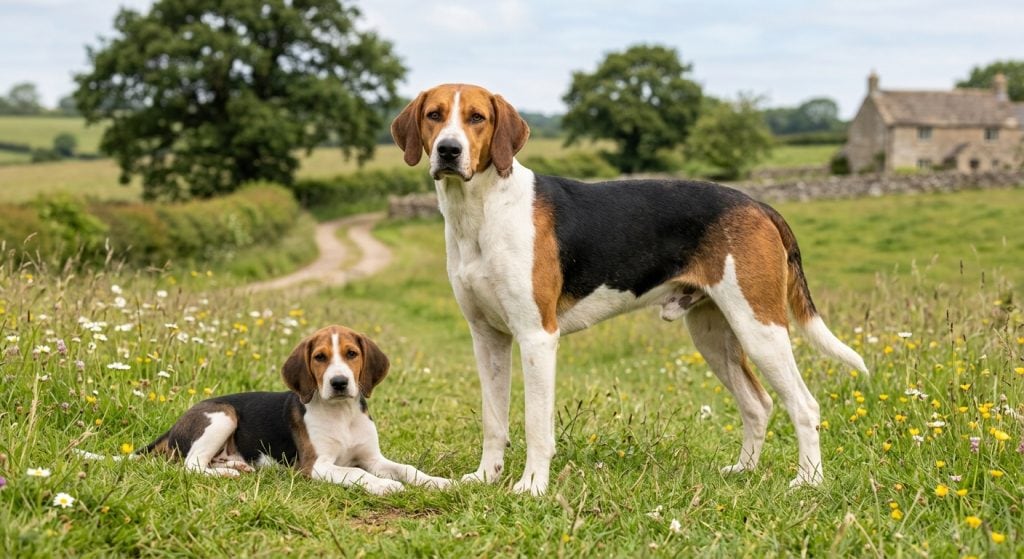
Living with an English Foxhound can be a lively experience. Known for their spirited nature and strong sense of adventure, these dogs often bring a sense of vitality into the home. Their independent streak means they may not always be the first to follow commands, but their loyalty and enthusiasm for outdoor activities make them a cherished companion for active families.
At a glance
Core care
- Size: Large
- Energy: High
- Grooming: Low
- Shedding: Moderate
Support style
- Sensitivity: Moderate
- Training style: Independent
Breed guide
Choose a section to explore. These notes describe common patterns, but individual dogs vary widely.
The English Foxhound has a rich history rooted in the traditional English countryside, where they were bred for hunting foxes in packs. This heritage has shaped them into dogs that are not only energetic but also highly social, accustomed to working closely with other dogs and humans. Today, this background translates into a dog that thrives on companionship and activity, often displaying a strong desire to be part of family outings and adventures.
Physically, the English Foxhound is a large and robust breed, built for endurance rather than speed. Their muscular build and long legs are designed for covering great distances, which is something owners notice when they take their Foxhound for a walk or run. Despite their size, they are surprisingly agile and can navigate various terrains with ease, making them excellent companions for those who enjoy hiking or long outdoor excursions.
Temperamentally, English Foxhounds are known for their friendly and gentle nature. They tend to be good-natured with people and other animals, reflecting their history of working in packs. However, their independence can sometimes be mistaken for stubbornness, particularly when it comes to training. Many owners find that patience and consistency are key to managing their Foxhound’s independent streak.
While the breed has certain common traits, it’s important to remember that each English Foxhound is an individual. Factors such as genetics, upbringing, and environment can influence their behaviour and personality. Prospective owners should be prepared for a dog that may require more exercise and social interaction than some other breeds, but who will reward them with loyalty and companionship.
English Foxhounds are often described as sociable and amiable, reflecting their history of working in packs. This social nature means they generally enjoy the company of both humans and other dogs, often seeking out interaction and play. Owners frequently notice their Foxhound’s enthusiasm for meeting new people and animals, which can make them a charming addition to social gatherings.
Their independent nature, however, can sometimes lead to moments where they seem to be lost in their own world. This independence is a trait that harks back to their hunting origins, where they needed to make decisions on the trail. In a home setting, this can translate to a dog that might not always come when called, especially if something more interesting catches their attention.
Despite their independence, English Foxhounds are generally sensitive to the moods and emotions of their human companions. They often respond well to positive reinforcement and gentle guidance, which can help in managing their natural independence. Owners might find that a calm and consistent approach works best when training or guiding their Foxhound.
While they are generally good-natured, it’s important to remember that their sensitivity can mean they pick up on household tensions or stress. Providing a stable and loving environment can help them feel secure and content. As with any breed, individual variations exist, and getting to know your specific dog’s personality will help in creating a harmonious home life.
A typical day for an English Foxhound involves plenty of physical activity. These dogs have high energy levels and benefit from regular, vigorous exercise. Owners often find that long walks, runs, or hikes are necessary to keep their Foxhound happy and healthy. Without adequate physical activity, they might become restless or exhibit unwanted behaviours.
Mental stimulation is just as important as physical exercise for this breed. Puzzle toys, scent games, and training sessions can provide the mental enrichment they need. Given their hunting background, activities that engage their sense of smell can be particularly rewarding. Owners might consider incorporating scent trails or hide-and-seek games into their routine to keep their Foxhound mentally engaged.
It’s important to tailor exercise and enrichment activities to the dog’s age and health. Young Foxhounds may require more frequent and intense activity, while older dogs might benefit from gentler, but still regular, exercise. Observing their energy levels and adjusting activities accordingly can help maintain their wellbeing throughout their life stages.
While they thrive on activity, it’s crucial to avoid over-exercising young puppies, as their growing bones and joints can be susceptible to injury. Balancing physical and mental activities will ensure that your English Foxhound remains a happy and well-adjusted member of the family.
Training an English Foxhound can feel like a journey of patience and understanding. Their independent nature means they may not respond immediately to commands, requiring a gentle yet consistent approach. Owners often find that positive reinforcement techniques, such as treats and praise, work well in encouraging desired behaviours.
Impulse control can be a challenge with this breed, particularly when their hunting instincts kick in. Training sessions that focus on recall and basic obedience can help manage these impulses. Consistency is key, as is making sure that training remains a positive experience for the dog.
Adolescence can be a particularly trying time, as young Foxhounds may test boundaries and exhibit increased independence. During this stage, maintaining a routine and reinforcing training can help guide them through their teenage phase. Many owners find that enrolling in a structured training class can provide additional support and socialisation opportunities.
Building a strong relationship based on trust and mutual respect is essential. Understanding their unique motivations and working with them rather than against them can make training a rewarding experience. For those new to the breed, seeking guidance from experienced trainers or enrolling in courses like “Understand Your Dog: Dog Psychology for Beginners” can be beneficial.
English Foxhounds tend to thrive in homes where they have ample space to move around and explore. They are well-suited to rural or suburban environments where they can enjoy regular outdoor activities. Owners often find that a large, securely fenced yard provides an ideal space for them to burn off energy safely.
In homes with children, English Foxhounds are generally gentle and patient, making them good companions for families. However, their size and energy levels mean that supervision is recommended, particularly with younger children. Teaching children how to interact respectfully with the dog can help foster a positive relationship.
When it comes to other pets, English Foxhounds typically get along well with other dogs, given their pack-oriented background. Introducing them to other household pets, such as cats, should be done gradually and under supervision to ensure harmony. Their hunting instincts may be triggered by smaller animals, so care should be taken in multi-pet households.
Prospective owners should consider their own lifestyle and activity levels when thinking about bringing an English Foxhound into their home. These dogs thrive in active households where they can participate in regular exercise and social activities. Understanding their needs and ensuring they are met can lead to a fulfilling and harmonious relationship.
The health of an English Foxhound is closely tied to their overall wellbeing and quality of life. Regular veterinary check-ups are essential to monitor their health and catch any potential issues early. Preventive care, such as vaccinations and parasite control, plays a crucial role in keeping them healthy.
Common health considerations for the breed include hip dysplasia and ear infections. Owners should be aware of the signs of discomfort or pain in their dog’s movement and seek veterinary advice if they notice any changes. Regular ear cleaning can help prevent infections, a common issue due to their floppy ears.
Maintaining a healthy weight through proper diet and exercise is important, as obesity can exacerbate joint problems and other health issues. Owners might find it helpful to consult with their vet to determine the best diet plan for their individual dog’s needs, considering factors such as age, activity level, and health status.
Being attentive to changes in behaviour or physical condition can provide early clues to health issues. If an English Foxhound seems unusually lethargic, loses interest in activities, or shows signs of discomfort, it’s advisable to consult a vet. With the right care and attention, many health issues can be managed effectively, allowing these dogs to lead happy, active lives.
The English Foxhound’s origins can be traced back to the English countryside, where they were developed for the purpose of fox hunting. This breed was carefully bred to combine speed, stamina, and a keen sense of smell, making them ideal for tracking and chasing foxes over long distances. Their ability to work in packs was crucial, as fox hunting often involved large groups of dogs working together.
The breed’s development was influenced by various hounds, including the Greyhound for speed, the Bulldog for tenacity, and the Fox Terrier for its keen scenting ability. This combination resulted in a dog that was not only physically capable but also had the temperament suited for cooperative work. The English Foxhound’s history as a working dog is reflected in their modern-day need for physical activity and social interaction.
Throughout the years, the English Foxhound has maintained its reputation as a dedicated and hardworking breed. While their role in traditional fox hunting has diminished, their qualities have found them a place in various canine sports and as loyal family companions. Their history of working closely with humans and other dogs is evident in their friendly and sociable nature.
Understanding the breed’s origins helps explain many of their modern traits, such as their high energy levels, independent spirit, and strong social instincts. These characteristics are deeply rooted in their history and continue to shape their behaviour today, making them a unique and fascinating breed to live with.
What shapes individual dogs
- Early social experiences
- Training approach
- Environment & routine
- Genetics & breeding
- Health & pain
- Age / life stage
The English Foxhound has a rich history rooted in the traditional English countryside, where they were bred for hunting foxes in packs. This heritage has shaped them into dogs that are not only energetic but also highly social, accustomed to working closely with other dogs and humans. Today, this background translates into a dog that thrives on companionship and activity, often displaying a strong desire to be part of family outings and adventures.
Physically, the English Foxhound is a large and robust breed, built for endurance rather than speed. Their muscular build and long legs are designed for covering great distances, which is something owners notice when they take their Foxhound for a walk or run. Despite their size, they are surprisingly agile and can navigate various terrains with ease, making them excellent companions for those who enjoy hiking or long outdoor excursions.
Temperamentally, English Foxhounds are known for their friendly and gentle nature. They tend to be good-natured with people and other animals, reflecting their history of working in packs. However, their independence can sometimes be mistaken for stubbornness, particularly when it comes to training. Many owners find that patience and consistency are key to managing their Foxhound’s independent streak.
While the breed has certain common traits, it’s important to remember that each English Foxhound is an individual. Factors such as genetics, upbringing, and environment can influence their behaviour and personality. Prospective owners should be prepared for a dog that may require more exercise and social interaction than some other breeds, but who will reward them with loyalty and companionship.
English Foxhounds are often described as sociable and amiable, reflecting their history of working in packs. This social nature means they generally enjoy the company of both humans and other dogs, often seeking out interaction and play. Owners frequently notice their Foxhound’s enthusiasm for meeting new people and animals, which can make them a charming addition to social gatherings.
Their independent nature, however, can sometimes lead to moments where they seem to be lost in their own world. This independence is a trait that harks back to their hunting origins, where they needed to make decisions on the trail. In a home setting, this can translate to a dog that might not always come when called, especially if something more interesting catches their attention.
Despite their independence, English Foxhounds are generally sensitive to the moods and emotions of their human companions. They often respond well to positive reinforcement and gentle guidance, which can help in managing their natural independence. Owners might find that a calm and consistent approach works best when training or guiding their Foxhound.
While they are generally good-natured, it’s important to remember that their sensitivity can mean they pick up on household tensions or stress. Providing a stable and loving environment can help them feel secure and content. As with any breed, individual variations exist, and getting to know your specific dog’s personality will help in creating a harmonious home life.
A typical day for an English Foxhound involves plenty of physical activity. These dogs have high energy levels and benefit from regular, vigorous exercise. Owners often find that long walks, runs, or hikes are necessary to keep their Foxhound happy and healthy. Without adequate physical activity, they might become restless or exhibit unwanted behaviours.
Mental stimulation is just as important as physical exercise for this breed. Puzzle toys, scent games, and training sessions can provide the mental enrichment they need. Given their hunting background, activities that engage their sense of smell can be particularly rewarding. Owners might consider incorporating scent trails or hide-and-seek games into their routine to keep their Foxhound mentally engaged.
It’s important to tailor exercise and enrichment activities to the dog’s age and health. Young Foxhounds may require more frequent and intense activity, while older dogs might benefit from gentler, but still regular, exercise. Observing their energy levels and adjusting activities accordingly can help maintain their wellbeing throughout their life stages.
While they thrive on activity, it’s crucial to avoid over-exercising young puppies, as their growing bones and joints can be susceptible to injury. Balancing physical and mental activities will ensure that your English Foxhound remains a happy and well-adjusted member of the family.
Training an English Foxhound can feel like a journey of patience and understanding. Their independent nature means they may not respond immediately to commands, requiring a gentle yet consistent approach. Owners often find that positive reinforcement techniques, such as treats and praise, work well in encouraging desired behaviours.
Impulse control can be a challenge with this breed, particularly when their hunting instincts kick in. Training sessions that focus on recall and basic obedience can help manage these impulses. Consistency is key, as is making sure that training remains a positive experience for the dog.
Adolescence can be a particularly trying time, as young Foxhounds may test boundaries and exhibit increased independence. During this stage, maintaining a routine and reinforcing training can help guide them through their teenage phase. Many owners find that enrolling in a structured training class can provide additional support and socialisation opportunities.
Building a strong relationship based on trust and mutual respect is essential. Understanding their unique motivations and working with them rather than against them can make training a rewarding experience. For those new to the breed, seeking guidance from experienced trainers or enrolling in courses like “Understand Your Dog: Dog Psychology for Beginners” can be beneficial.
English Foxhounds tend to thrive in homes where they have ample space to move around and explore. They are well-suited to rural or suburban environments where they can enjoy regular outdoor activities. Owners often find that a large, securely fenced yard provides an ideal space for them to burn off energy safely.
In homes with children, English Foxhounds are generally gentle and patient, making them good companions for families. However, their size and energy levels mean that supervision is recommended, particularly with younger children. Teaching children how to interact respectfully with the dog can help foster a positive relationship.
When it comes to other pets, English Foxhounds typically get along well with other dogs, given their pack-oriented background. Introducing them to other household pets, such as cats, should be done gradually and under supervision to ensure harmony. Their hunting instincts may be triggered by smaller animals, so care should be taken in multi-pet households.
Prospective owners should consider their own lifestyle and activity levels when thinking about bringing an English Foxhound into their home. These dogs thrive in active households where they can participate in regular exercise and social activities. Understanding their needs and ensuring they are met can lead to a fulfilling and harmonious relationship.
The health of an English Foxhound is closely tied to their overall wellbeing and quality of life. Regular veterinary check-ups are essential to monitor their health and catch any potential issues early. Preventive care, such as vaccinations and parasite control, plays a crucial role in keeping them healthy.
Common health considerations for the breed include hip dysplasia and ear infections. Owners should be aware of the signs of discomfort or pain in their dog’s movement and seek veterinary advice if they notice any changes. Regular ear cleaning can help prevent infections, a common issue due to their floppy ears.
Maintaining a healthy weight through proper diet and exercise is important, as obesity can exacerbate joint problems and other health issues. Owners might find it helpful to consult with their vet to determine the best diet plan for their individual dog’s needs, considering factors such as age, activity level, and health status.
Being attentive to changes in behaviour or physical condition can provide early clues to health issues. If an English Foxhound seems unusually lethargic, loses interest in activities, or shows signs of discomfort, it’s advisable to consult a vet. With the right care and attention, many health issues can be managed effectively, allowing these dogs to lead happy, active lives.
The English Foxhound’s origins can be traced back to the English countryside, where they were developed for the purpose of fox hunting. This breed was carefully bred to combine speed, stamina, and a keen sense of smell, making them ideal for tracking and chasing foxes over long distances. Their ability to work in packs was crucial, as fox hunting often involved large groups of dogs working together.
The breed’s development was influenced by various hounds, including the Greyhound for speed, the Bulldog for tenacity, and the Fox Terrier for its keen scenting ability. This combination resulted in a dog that was not only physically capable but also had the temperament suited for cooperative work. The English Foxhound’s history as a working dog is reflected in their modern-day need for physical activity and social interaction.
Throughout the years, the English Foxhound has maintained its reputation as a dedicated and hardworking breed. While their role in traditional fox hunting has diminished, their qualities have found them a place in various canine sports and as loyal family companions. Their history of working closely with humans and other dogs is evident in their friendly and sociable nature.
Understanding the breed’s origins helps explain many of their modern traits, such as their high energy levels, independent spirit, and strong social instincts. These characteristics are deeply rooted in their history and continue to shape their behaviour today, making them a unique and fascinating breed to live with.
What shapes individual dogs
- Early social experiences
- Training approach
- Environment & routine
- Genetics & breeding
- Health & pain
- Age / life stage
Want support with this?
This course is relevant for English Foxhound owners to better understand their dog's independent and social nature.