
Beaski
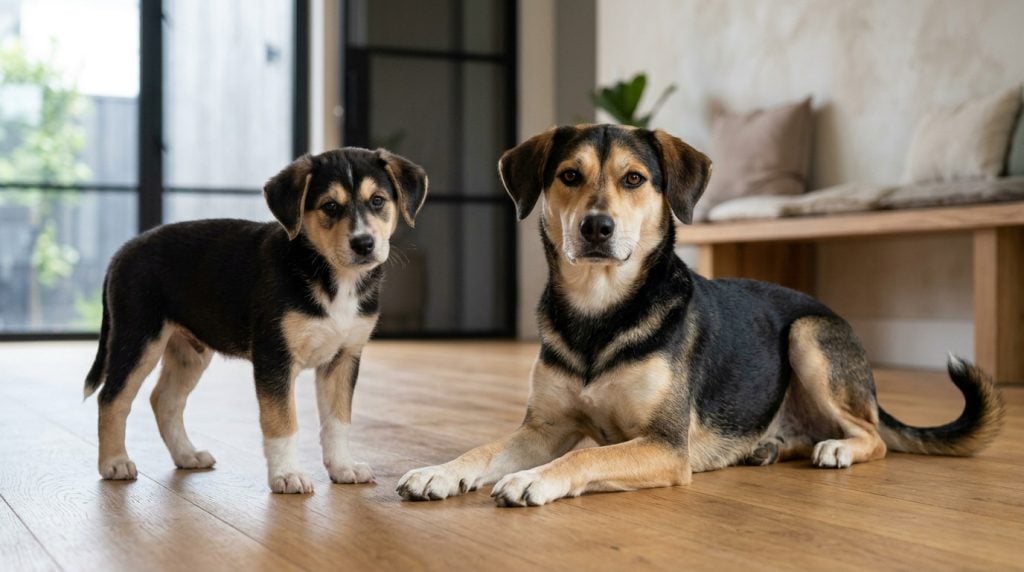
Living with a Beaski often feels like having an enthusiastic companion who thrives on activity and engagement. They are known for their spirited nature, combining the curiosity of a Beagle with the endurance of a Siberian Husky. Owners frequently notice their Beaski's love for exploration and play, making them a lively presence in any household.
At a glance
Core care
- Size: Medium
- Energy: High
- Grooming: Low
- Shedding: High
Support style
- Sensitivity: Moderate
- Training style: Moderate
Breed guide
Choose a section to explore. These notes describe common patterns, but individual dogs vary widely.
The Beaski, a blend of the Beagle and Siberian Husky, inherits a rich history from both parent breeds. Beagles, originally bred for hunting, bring a keen sense of smell and a curious nature, while the Siberian Husky’s heritage as a sled dog contributes endurance and a love for physical activity. This combination results in a dog that often displays a zest for life and a strong desire to explore their surroundings.
Physically, Beaskis are medium-sized dogs with a robust build, often showcasing the striking eyes and thick coat of the Husky, paired with the Beagle’s expressive face and floppy ears. This unique mix means they can handle a variety of climates, though their dense coat requires regular grooming to manage shedding. Many owners find their Beaski’s appearance to be a charming conversation starter, as their distinctive looks often draw attention.
In terms of temperament, Beaskis tend to be friendly and social, enjoying the company of both humans and other dogs. They may exhibit a playful stubbornness, a trait inherited from both parent breeds, which can sometimes make training a bit of a challenge. However, their intelligence and eagerness to please often shine through, especially when positive reinforcement methods are used.
It’s important for potential owners to understand that while Beaskis share common traits, individual dogs can vary significantly. Factors such as genetics, upbringing, and environment all play crucial roles in shaping a Beaski’s personality. Prospective owners should be prepared for an active and engaging companion, while also being open to the unique quirks that each Beaski may bring.
Beaskis are often described by their owners as social butterflies, eager to interact with both people and other dogs. This sociable nature can be traced back to their Beagle ancestry, which favours pack living and companionship. In everyday life, this means a Beaski might greet visitors with enthusiasm and is likely to enjoy playdates at the dog park, thriving in environments where they can engage with others.
Their behaviour is often characterised by a curious and adventurous spirit, a nod to both the Beagle’s scent-driven explorations and the Husky’s love for roaming. Owners may notice their Beaski’s tendency to follow their nose, leading to unexpected detours during walks. This inquisitiveness can be both endearing and challenging, as it requires a watchful eye to ensure they don’t wander too far.
Sensitivity in Beaskis is moderate, meaning they can be quite attuned to the emotions of their human companions. This sensitivity often translates into a dog that seeks comfort and reassurance, especially in unfamiliar situations. However, their moderate trainability means they can sometimes exhibit a stubborn streak, requiring patience and consistency from their owners.
Overall, living with a Beaski involves embracing their lively and engaging personality. While they may test boundaries at times, their affectionate nature and zest for life often make them a beloved member of the family. Understanding their social motivations and providing ample opportunities for interaction can help nurture a well-rounded and happy Beaski.
A typical day for a Beaski is filled with activity and exploration. Known for their high energy levels, these dogs thrive on regular exercise that challenges both their bodies and minds. Owners often find that a combination of long walks, play sessions, and mental enrichment activities keeps their Beaski content and well-behaved.
Physical exercise is crucial for a Beaski, given their energetic nature. Daily walks are a must, and many owners find that incorporating activities like jogging or hiking can help channel their dog’s boundless energy. Beaskis also enjoy games that engage their hunting instincts, such as fetch or scent-based challenges, which can provide both physical and mental stimulation.
Mental enrichment is equally important for this breed. Puzzle toys, training sessions, and interactive games can help satisfy their curious minds. It’s beneficial to vary these activities to keep them engaged, as Beaskis can quickly grow bored with repetitive routines. Owners should be mindful of providing a balance of physical and mental challenges to prevent restlessness or destructive behaviour.
As Beaskis age, their exercise needs may change. While they remain active throughout their lives, older Beaskis might appreciate shorter, less intense activities. It’s important to adjust their routine to suit their changing capabilities, ensuring they remain healthy and happy. Overall, a well-exercised Beaski is often a well-adjusted companion, ready to relax at home after a day of adventure.
Training a Beaski can be both rewarding and challenging, as they often exhibit a mix of intelligence and independence. Owners frequently describe the training process as needing patience and creativity. Positive reinforcement techniques, such as treats and praise, tend to work well with this breed, encouraging them to engage and learn.
Impulse control can be a particular focus during training, given the Beaski’s natural curiosity and tendency to follow their nose. Teaching commands like ‘stay’ and ‘come’ can be invaluable, especially in outdoor settings where distractions are plentiful. Consistency is key, as Beaskis benefit from clear and predictable routines that reinforce desired behaviours.
Adolescence can bring its own set of challenges, as Beaskis may test boundaries and exhibit stubbornness. During this stage, maintaining a strong bond through regular training sessions can help reinforce their learning and strengthen the owner-dog relationship. It’s important to remain patient and understanding, as this period is crucial for their development.
Overall, training a Beaski involves a blend of firmness and encouragement. Owners who invest time in building a positive and consistent training environment often find their Beaski to be a responsive and eager learner. For those new to dog training, courses like “Puppy Beginnings: Building a Calm Start” can provide valuable guidance and support.
Beaskis tend to thrive in homes where they have ample space to move and explore. Their energetic nature makes them well-suited to environments where they can enjoy regular outdoor activities. Many owners find that a home with a secure garden provides the perfect setting for their Beaski to play and burn off energy.
While Beaskis are adaptable, they often do best in homes where they are not left alone for long periods. Their social nature means they enjoy being part of family activities and can become anxious or bored if isolated. Families who can include their Beaski in daily routines often find them to be affectionate and well-adjusted companions.
Living with children and other pets can be a positive experience for a Beaski, provided introductions are managed carefully. Their playful and friendly disposition often makes them a hit with kids, and they can coexist peacefully with other dogs. However, early socialisation and training are important to ensure harmonious relationships.
Ultimately, a Beaski’s suitability to a particular home depends on the lifestyle and commitment of the owners. Those who can provide regular exercise, mental stimulation, and companionship are likely to find that a Beaski fits well into their family life, bringing joy and energy to their home.
The health of a Beaski is closely tied to their overall wellbeing and quality of life. Regular veterinary check-ups are essential to monitor their health and catch any potential issues early. Preventive care, such as vaccinations and parasite control, plays a crucial role in maintaining their health.
Beaskis may inherit health concerns from their parent breeds, such as hip dysplasia or eye conditions. Being aware of these potential issues allows owners to seek early intervention and manage their Beaski’s health proactively. Regular exercise and a balanced diet can help maintain a healthy weight, reducing the risk of joint problems.
Behavioural changes can sometimes indicate underlying health issues. Owners should be attentive to any shifts in their Beaski’s behaviour, such as changes in energy levels or appetite, and seek veterinary advice if concerns arise. Early detection and treatment can significantly improve outcomes for many health conditions.
Overall, a proactive approach to health care, including regular vet visits and a healthy lifestyle, can help ensure that a Beaski enjoys a long and happy life. By staying informed and attentive, owners can support their Beaski’s health and wellbeing effectively.
The Beaski is a relatively recent hybrid, combining the Beagle’s hunting prowess with the Siberian Husky’s sled-pulling heritage. Beagles, with their origins in England, were bred for their exceptional scenting abilities, making them adept at tracking game. This background contributes to the Beaski’s keen sense of smell and curiosity.
Siberian Huskies, originating from the Chukchi people of Siberia, were developed as sled dogs, valued for their endurance and ability to work in harsh conditions. This heritage is evident in the Beaski’s love for physical activity and their robust, energetic nature. The combination of these two breeds results in a dog that is both adventurous and resilient.
The development of the Beaski as a hybrid breed reflects a desire to combine the best traits of both parent breeds. This mix aims to balance the Beagle’s sociable and friendly nature with the Husky’s strength and stamina. The resulting breed is versatile, capable of adapting to various lifestyles while retaining a strong sense of individuality.
Understanding the Beaski’s origins helps explain many of their modern traits, such as their high energy levels and social tendencies. These characteristics, rooted in their history, make the Beaski a unique and engaging companion, well-suited to active families who appreciate their spirited personality.
What shapes individual dogs
- Early social experiences
- Training approach
- Environment & routine
- Genetics & breeding
- Health & pain
- Age / life stage
The Beaski, a blend of the Beagle and Siberian Husky, inherits a rich history from both parent breeds. Beagles, originally bred for hunting, bring a keen sense of smell and a curious nature, while the Siberian Husky’s heritage as a sled dog contributes endurance and a love for physical activity. This combination results in a dog that often displays a zest for life and a strong desire to explore their surroundings.
Physically, Beaskis are medium-sized dogs with a robust build, often showcasing the striking eyes and thick coat of the Husky, paired with the Beagle’s expressive face and floppy ears. This unique mix means they can handle a variety of climates, though their dense coat requires regular grooming to manage shedding. Many owners find their Beaski’s appearance to be a charming conversation starter, as their distinctive looks often draw attention.
In terms of temperament, Beaskis tend to be friendly and social, enjoying the company of both humans and other dogs. They may exhibit a playful stubbornness, a trait inherited from both parent breeds, which can sometimes make training a bit of a challenge. However, their intelligence and eagerness to please often shine through, especially when positive reinforcement methods are used.
It’s important for potential owners to understand that while Beaskis share common traits, individual dogs can vary significantly. Factors such as genetics, upbringing, and environment all play crucial roles in shaping a Beaski’s personality. Prospective owners should be prepared for an active and engaging companion, while also being open to the unique quirks that each Beaski may bring.
Beaskis are often described by their owners as social butterflies, eager to interact with both people and other dogs. This sociable nature can be traced back to their Beagle ancestry, which favours pack living and companionship. In everyday life, this means a Beaski might greet visitors with enthusiasm and is likely to enjoy playdates at the dog park, thriving in environments where they can engage with others.
Their behaviour is often characterised by a curious and adventurous spirit, a nod to both the Beagle’s scent-driven explorations and the Husky’s love for roaming. Owners may notice their Beaski’s tendency to follow their nose, leading to unexpected detours during walks. This inquisitiveness can be both endearing and challenging, as it requires a watchful eye to ensure they don’t wander too far.
Sensitivity in Beaskis is moderate, meaning they can be quite attuned to the emotions of their human companions. This sensitivity often translates into a dog that seeks comfort and reassurance, especially in unfamiliar situations. However, their moderate trainability means they can sometimes exhibit a stubborn streak, requiring patience and consistency from their owners.
Overall, living with a Beaski involves embracing their lively and engaging personality. While they may test boundaries at times, their affectionate nature and zest for life often make them a beloved member of the family. Understanding their social motivations and providing ample opportunities for interaction can help nurture a well-rounded and happy Beaski.
A typical day for a Beaski is filled with activity and exploration. Known for their high energy levels, these dogs thrive on regular exercise that challenges both their bodies and minds. Owners often find that a combination of long walks, play sessions, and mental enrichment activities keeps their Beaski content and well-behaved.
Physical exercise is crucial for a Beaski, given their energetic nature. Daily walks are a must, and many owners find that incorporating activities like jogging or hiking can help channel their dog’s boundless energy. Beaskis also enjoy games that engage their hunting instincts, such as fetch or scent-based challenges, which can provide both physical and mental stimulation.
Mental enrichment is equally important for this breed. Puzzle toys, training sessions, and interactive games can help satisfy their curious minds. It’s beneficial to vary these activities to keep them engaged, as Beaskis can quickly grow bored with repetitive routines. Owners should be mindful of providing a balance of physical and mental challenges to prevent restlessness or destructive behaviour.
As Beaskis age, their exercise needs may change. While they remain active throughout their lives, older Beaskis might appreciate shorter, less intense activities. It’s important to adjust their routine to suit their changing capabilities, ensuring they remain healthy and happy. Overall, a well-exercised Beaski is often a well-adjusted companion, ready to relax at home after a day of adventure.
Training a Beaski can be both rewarding and challenging, as they often exhibit a mix of intelligence and independence. Owners frequently describe the training process as needing patience and creativity. Positive reinforcement techniques, such as treats and praise, tend to work well with this breed, encouraging them to engage and learn.
Impulse control can be a particular focus during training, given the Beaski’s natural curiosity and tendency to follow their nose. Teaching commands like ‘stay’ and ‘come’ can be invaluable, especially in outdoor settings where distractions are plentiful. Consistency is key, as Beaskis benefit from clear and predictable routines that reinforce desired behaviours.
Adolescence can bring its own set of challenges, as Beaskis may test boundaries and exhibit stubbornness. During this stage, maintaining a strong bond through regular training sessions can help reinforce their learning and strengthen the owner-dog relationship. It’s important to remain patient and understanding, as this period is crucial for their development.
Overall, training a Beaski involves a blend of firmness and encouragement. Owners who invest time in building a positive and consistent training environment often find their Beaski to be a responsive and eager learner. For those new to dog training, courses like “Puppy Beginnings: Building a Calm Start” can provide valuable guidance and support.
Beaskis tend to thrive in homes where they have ample space to move and explore. Their energetic nature makes them well-suited to environments where they can enjoy regular outdoor activities. Many owners find that a home with a secure garden provides the perfect setting for their Beaski to play and burn off energy.
While Beaskis are adaptable, they often do best in homes where they are not left alone for long periods. Their social nature means they enjoy being part of family activities and can become anxious or bored if isolated. Families who can include their Beaski in daily routines often find them to be affectionate and well-adjusted companions.
Living with children and other pets can be a positive experience for a Beaski, provided introductions are managed carefully. Their playful and friendly disposition often makes them a hit with kids, and they can coexist peacefully with other dogs. However, early socialisation and training are important to ensure harmonious relationships.
Ultimately, a Beaski’s suitability to a particular home depends on the lifestyle and commitment of the owners. Those who can provide regular exercise, mental stimulation, and companionship are likely to find that a Beaski fits well into their family life, bringing joy and energy to their home.
The health of a Beaski is closely tied to their overall wellbeing and quality of life. Regular veterinary check-ups are essential to monitor their health and catch any potential issues early. Preventive care, such as vaccinations and parasite control, plays a crucial role in maintaining their health.
Beaskis may inherit health concerns from their parent breeds, such as hip dysplasia or eye conditions. Being aware of these potential issues allows owners to seek early intervention and manage their Beaski’s health proactively. Regular exercise and a balanced diet can help maintain a healthy weight, reducing the risk of joint problems.
Behavioural changes can sometimes indicate underlying health issues. Owners should be attentive to any shifts in their Beaski’s behaviour, such as changes in energy levels or appetite, and seek veterinary advice if concerns arise. Early detection and treatment can significantly improve outcomes for many health conditions.
Overall, a proactive approach to health care, including regular vet visits and a healthy lifestyle, can help ensure that a Beaski enjoys a long and happy life. By staying informed and attentive, owners can support their Beaski’s health and wellbeing effectively.
The Beaski is a relatively recent hybrid, combining the Beagle’s hunting prowess with the Siberian Husky’s sled-pulling heritage. Beagles, with their origins in England, were bred for their exceptional scenting abilities, making them adept at tracking game. This background contributes to the Beaski’s keen sense of smell and curiosity.
Siberian Huskies, originating from the Chukchi people of Siberia, were developed as sled dogs, valued for their endurance and ability to work in harsh conditions. This heritage is evident in the Beaski’s love for physical activity and their robust, energetic nature. The combination of these two breeds results in a dog that is both adventurous and resilient.
The development of the Beaski as a hybrid breed reflects a desire to combine the best traits of both parent breeds. This mix aims to balance the Beagle’s sociable and friendly nature with the Husky’s strength and stamina. The resulting breed is versatile, capable of adapting to various lifestyles while retaining a strong sense of individuality.
Understanding the Beaski’s origins helps explain many of their modern traits, such as their high energy levels and social tendencies. These characteristics, rooted in their history, make the Beaski a unique and engaging companion, well-suited to active families who appreciate their spirited personality.
What shapes individual dogs
- Early social experiences
- Training approach
- Environment & routine
- Genetics & breeding
- Health & pain
- Age / life stage
Want support with this?
This course is ideal for Beaski owners, offering guidance on managing their energetic nature and building a strong foundation for training.