
Puggle
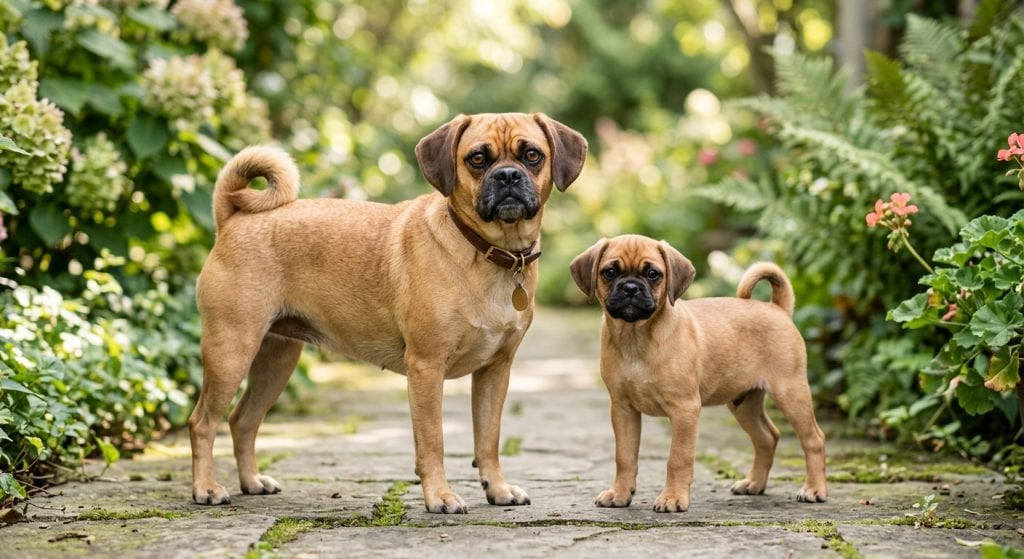
Living with a Puggle often means sharing your space with a lively, affectionate companion. These dogs typically bring a mix of curiosity and playfulness, making them a delightful presence in many homes. Their social nature means they often enjoy being part of family activities, whether that's a walk in the park or a cosy evening on the couch.
At a glance
Core care
- Size: Small
- Energy: Moderate to high
- Grooming: Low
- Shedding: Moderate
Support style
- Sensitivity: Moderate
- Training style: Moderate
Breed guide
Choose a section to explore. These notes describe common patterns, but individual dogs vary widely.
The Puggle, a delightful mix of Pug and Beagle, brings together the best of both breeds into a charming companion. This hybrid originated in the late 20th century, aiming to blend the Pug’s affectionate nature with the Beagle’s lively spirit. The result is a dog that often exhibits a friendly, outgoing personality, making them popular among families and singles alike. Their mixed heritage means they might inherit a range of traits from either parent breed, which can make each Puggle unique in its own way.
Physically, Puggles tend to be small yet sturdy, often weighing between 6 to 14 kilograms. They typically have a short coat that’s relatively low-maintenance, though they do shed moderately. Their compact size makes them well-suited for both apartment living and larger homes, and they often adapt well to different environments. Owners frequently notice their expressive faces, which can convey a wide range of emotions, often endearing them further to their human companions.
Temperamentally, Puggles are known for their sociable and affectionate nature. Many owners find them to be eager companions, always ready to join in on family activities or cuddle up on the sofa. Their moderate sensitivity means they are generally good at reading human emotions, which can make them particularly attuned to their owner’s moods. However, like any breed, individual Puggles can vary, with some being more independent or reserved.
When considering a Puggle, it’s important to remember that they are a mixed breed, and as such, their traits can vary widely. While many Puggles are friendly and playful, others might inherit more of the Beagle’s independent streak or the Pug’s laid-back nature. Prospective owners should be prepared for this variability and embrace the unique personality of their individual dog.
Puggles often exhibit a social and friendly disposition, making them a joy to have around. Their natural inclination towards companionship means they frequently seek out interaction with their human families. This social nature is likely a blend of their Pug and Beagle ancestry, both of which are known for their affectionate traits. Owners often notice how their Puggle enjoys being involved in daily activities, whether that’s following them around the house or eagerly greeting guests at the door.
Their moderate sensitivity level means Puggles are generally good at picking up on human emotions, which can make them particularly responsive to their owner’s mood. This sensitivity can be a double-edged sword, as they may become anxious if left alone for extended periods. Many owners find that their Puggle thrives in a home where someone is often present, providing the companionship they crave.
Trainability in Puggles can vary, but many respond well to positive reinforcement methods. Their Beagle side may lend them a touch of stubbornness, but with patience and consistency, they can learn a variety of commands and tricks. Owners often find that short, engaging training sessions work best, keeping their Puggle’s attention and making the learning process enjoyable for both dog and owner.
Overall, Puggles tend to be adaptable and easy-going, making them well-suited to a variety of living situations. However, like any breed, individual personalities can vary, and it’s important for owners to get to know their specific dog’s temperament. Understanding these tendencies can help in creating a harmonious living environment where both the Puggle and their family can thrive.
A typical day for a Puggle often includes a healthy mix of physical activity and mental stimulation. Given their moderate to high energy levels, they usually benefit from daily walks and playtime. Many owners find that their Puggle enjoys a good romp in the garden or a game of fetch, which helps to burn off energy and keep them fit. These activities not only cater to their physical needs but also provide essential mental enrichment.
Puggles, with their Beagle lineage, may have a strong sense of smell and enjoy activities that engage their nose. Scent-based games, like hide and seek with treats, can be particularly satisfying for them. Such activities tap into their natural instincts and provide mental challenges that keep them engaged and happy. Owners often notice that their Puggle is more settled and content after a good session of mental stimulation.
As Puggles age, their exercise needs may change. While a young Puggle might require more vigorous play and longer walks, an older Puggle might prefer shorter, more leisurely strolls. It’s important for owners to adjust their dog’s activity levels according to their age and health, ensuring they remain comfortable and happy.
It’s also crucial to avoid over-exercising a Puggle, especially in hot weather, as their Pug ancestry can make them prone to overheating. Regular, moderate exercise combined with mental enrichment can help maintain a Puggle’s health and happiness throughout their life. By understanding and catering to their exercise needs, owners can help ensure their Puggle remains a well-balanced and content companion.
Training a Puggle can often feel like a blend of patience and creativity. Their mixed heritage means they can display both the Beagle’s independent streak and the Pug’s eagerness to please. Many owners find that using positive reinforcement techniques, such as treats and praise, works well in capturing their Puggle’s attention and encouraging desired behaviours. Consistency is key, as Puggles can sometimes be easily distracted, particularly if they catch an interesting scent.
Impulse control can be a challenge for some Puggles, especially during their adolescent phase. This is a time when they might test boundaries or become more stubborn. Owners often find that maintaining a routine and setting clear expectations helps in managing this phase. Engaging training sessions that are short and varied can keep a Puggle’s interest and prevent boredom.
Building a strong relationship with a Puggle is essential for effective training. These dogs thrive on companionship and often respond well to a bond built on trust and mutual respect. Many owners notice that their Puggle is more responsive and eager to learn when they feel connected and understood by their human companions.
For those new to dog ownership or those facing training challenges, enrolling in a course like “Puppy Beginnings: Building a Calm Start” can provide valuable insights and techniques. With the right approach, training a Puggle can be a rewarding experience, leading to a well-mannered and happy companion.
Puggles often adapt well to a variety of living environments, making them a versatile choice for many households. Their small size and moderate energy levels mean they can be comfortable in both apartments and larger homes. Many owners find that as long as their Puggle receives enough exercise and companionship, they are happy in most settings.
Families with children often find Puggles to be delightful companions. Their friendly and playful nature means they typically enjoy interacting with kids, joining in on games, and being part of family activities. However, it’s always important to supervise interactions between dogs and young children to ensure safety and respect for both parties.
Puggles can also get along well with other pets, particularly if they are introduced to them from a young age. Their social nature means they often enjoy having a playmate, whether it’s another dog or a cat. As with any breed, early socialisation and proper introductions are key to fostering harmonious relationships between pets.
While Puggles are generally adaptable, they do best in homes where they are not left alone for long periods. Their social disposition means they thrive on companionship and can become anxious if isolated. Prospective owners should consider their lifestyle and ensure they can provide the attention and interaction that a Puggle needs to be happy and healthy.
The health of a Puggle is closely tied to their overall wellbeing and quality of life. As a mixed breed, they can inherit health issues from either parent breed, so it’s important for owners to be aware of potential concerns. Common health considerations include respiratory issues due to their Pug ancestry and hip dysplasia, which can affect their mobility.
Regular veterinary check-ups are essential to monitor a Puggle’s health and catch any potential issues early. Preventive care, such as vaccinations, dental care, and weight management, plays a crucial role in maintaining their health. Many owners find that keeping their Puggle at a healthy weight helps reduce the risk of joint problems and other health issues.
Behavioural changes can sometimes indicate health problems, so it’s important for owners to be observant of any shifts in their Puggle’s activity level, appetite, or temperament. If a Puggle seems unusually lethargic or shows signs of discomfort, it’s advisable to seek veterinary advice promptly.
Overall, while Puggles may have some health considerations, with attentive care and regular veterinary support, they can lead happy, healthy lives. Owners who are proactive about their Puggle’s health often find that their efforts are rewarded with a vibrant and loving companion.
The Puggle is a relatively recent addition to the canine world, emerging in the United States in the 1980s. This hybrid breed was created by crossing a Pug and a Beagle, with the aim of combining the best traits of both breeds into a single companion dog. The Pug’s affectionate and sociable nature, paired with the Beagle’s lively and curious demeanour, has resulted in a dog that is both charming and engaging.
The Puggle’s development was driven by a desire to create a dog with the Pug’s endearing personality and the Beagle’s robustness and energy. As a designer breed, Puggles quickly gained popularity for their appealing looks and friendly disposition. Their mixed heritage means they can inherit a variety of traits, making each Puggle unique in its own right.
While the Puggle does not have a long history like some purebred dogs, its origins are rooted in the desire for a versatile and adaptable companion. This background helps explain why many Puggles are so well-suited to family life, often displaying a mix of playfulness and loyalty that endears them to their owners.
Today, Puggles continue to be popular for their friendly nature and adaptability. Their history as a hybrid breed highlights the benefits of combining different genetic backgrounds to create a dog that embodies the best of both worlds. For many owners, the Puggle’s unique blend of traits makes them a delightful and cherished member of the family.
What shapes individual dogs
- Early social experiences
- Training approach
- Environment & routine
- Genetics & breeding
- Health & pain
- Age / life stage
The Puggle, a delightful mix of Pug and Beagle, brings together the best of both breeds into a charming companion. This hybrid originated in the late 20th century, aiming to blend the Pug’s affectionate nature with the Beagle’s lively spirit. The result is a dog that often exhibits a friendly, outgoing personality, making them popular among families and singles alike. Their mixed heritage means they might inherit a range of traits from either parent breed, which can make each Puggle unique in its own way.
Physically, Puggles tend to be small yet sturdy, often weighing between 6 to 14 kilograms. They typically have a short coat that’s relatively low-maintenance, though they do shed moderately. Their compact size makes them well-suited for both apartment living and larger homes, and they often adapt well to different environments. Owners frequently notice their expressive faces, which can convey a wide range of emotions, often endearing them further to their human companions.
Temperamentally, Puggles are known for their sociable and affectionate nature. Many owners find them to be eager companions, always ready to join in on family activities or cuddle up on the sofa. Their moderate sensitivity means they are generally good at reading human emotions, which can make them particularly attuned to their owner’s moods. However, like any breed, individual Puggles can vary, with some being more independent or reserved.
When considering a Puggle, it’s important to remember that they are a mixed breed, and as such, their traits can vary widely. While many Puggles are friendly and playful, others might inherit more of the Beagle’s independent streak or the Pug’s laid-back nature. Prospective owners should be prepared for this variability and embrace the unique personality of their individual dog.
Puggles often exhibit a social and friendly disposition, making them a joy to have around. Their natural inclination towards companionship means they frequently seek out interaction with their human families. This social nature is likely a blend of their Pug and Beagle ancestry, both of which are known for their affectionate traits. Owners often notice how their Puggle enjoys being involved in daily activities, whether that’s following them around the house or eagerly greeting guests at the door.
Their moderate sensitivity level means Puggles are generally good at picking up on human emotions, which can make them particularly responsive to their owner’s mood. This sensitivity can be a double-edged sword, as they may become anxious if left alone for extended periods. Many owners find that their Puggle thrives in a home where someone is often present, providing the companionship they crave.
Trainability in Puggles can vary, but many respond well to positive reinforcement methods. Their Beagle side may lend them a touch of stubbornness, but with patience and consistency, they can learn a variety of commands and tricks. Owners often find that short, engaging training sessions work best, keeping their Puggle’s attention and making the learning process enjoyable for both dog and owner.
Overall, Puggles tend to be adaptable and easy-going, making them well-suited to a variety of living situations. However, like any breed, individual personalities can vary, and it’s important for owners to get to know their specific dog’s temperament. Understanding these tendencies can help in creating a harmonious living environment where both the Puggle and their family can thrive.
A typical day for a Puggle often includes a healthy mix of physical activity and mental stimulation. Given their moderate to high energy levels, they usually benefit from daily walks and playtime. Many owners find that their Puggle enjoys a good romp in the garden or a game of fetch, which helps to burn off energy and keep them fit. These activities not only cater to their physical needs but also provide essential mental enrichment.
Puggles, with their Beagle lineage, may have a strong sense of smell and enjoy activities that engage their nose. Scent-based games, like hide and seek with treats, can be particularly satisfying for them. Such activities tap into their natural instincts and provide mental challenges that keep them engaged and happy. Owners often notice that their Puggle is more settled and content after a good session of mental stimulation.
As Puggles age, their exercise needs may change. While a young Puggle might require more vigorous play and longer walks, an older Puggle might prefer shorter, more leisurely strolls. It’s important for owners to adjust their dog’s activity levels according to their age and health, ensuring they remain comfortable and happy.
It’s also crucial to avoid over-exercising a Puggle, especially in hot weather, as their Pug ancestry can make them prone to overheating. Regular, moderate exercise combined with mental enrichment can help maintain a Puggle’s health and happiness throughout their life. By understanding and catering to their exercise needs, owners can help ensure their Puggle remains a well-balanced and content companion.
Training a Puggle can often feel like a blend of patience and creativity. Their mixed heritage means they can display both the Beagle’s independent streak and the Pug’s eagerness to please. Many owners find that using positive reinforcement techniques, such as treats and praise, works well in capturing their Puggle’s attention and encouraging desired behaviours. Consistency is key, as Puggles can sometimes be easily distracted, particularly if they catch an interesting scent.
Impulse control can be a challenge for some Puggles, especially during their adolescent phase. This is a time when they might test boundaries or become more stubborn. Owners often find that maintaining a routine and setting clear expectations helps in managing this phase. Engaging training sessions that are short and varied can keep a Puggle’s interest and prevent boredom.
Building a strong relationship with a Puggle is essential for effective training. These dogs thrive on companionship and often respond well to a bond built on trust and mutual respect. Many owners notice that their Puggle is more responsive and eager to learn when they feel connected and understood by their human companions.
For those new to dog ownership or those facing training challenges, enrolling in a course like “Puppy Beginnings: Building a Calm Start” can provide valuable insights and techniques. With the right approach, training a Puggle can be a rewarding experience, leading to a well-mannered and happy companion.
Puggles often adapt well to a variety of living environments, making them a versatile choice for many households. Their small size and moderate energy levels mean they can be comfortable in both apartments and larger homes. Many owners find that as long as their Puggle receives enough exercise and companionship, they are happy in most settings.
Families with children often find Puggles to be delightful companions. Their friendly and playful nature means they typically enjoy interacting with kids, joining in on games, and being part of family activities. However, it’s always important to supervise interactions between dogs and young children to ensure safety and respect for both parties.
Puggles can also get along well with other pets, particularly if they are introduced to them from a young age. Their social nature means they often enjoy having a playmate, whether it’s another dog or a cat. As with any breed, early socialisation and proper introductions are key to fostering harmonious relationships between pets.
While Puggles are generally adaptable, they do best in homes where they are not left alone for long periods. Their social disposition means they thrive on companionship and can become anxious if isolated. Prospective owners should consider their lifestyle and ensure they can provide the attention and interaction that a Puggle needs to be happy and healthy.
The health of a Puggle is closely tied to their overall wellbeing and quality of life. As a mixed breed, they can inherit health issues from either parent breed, so it’s important for owners to be aware of potential concerns. Common health considerations include respiratory issues due to their Pug ancestry and hip dysplasia, which can affect their mobility.
Regular veterinary check-ups are essential to monitor a Puggle’s health and catch any potential issues early. Preventive care, such as vaccinations, dental care, and weight management, plays a crucial role in maintaining their health. Many owners find that keeping their Puggle at a healthy weight helps reduce the risk of joint problems and other health issues.
Behavioural changes can sometimes indicate health problems, so it’s important for owners to be observant of any shifts in their Puggle’s activity level, appetite, or temperament. If a Puggle seems unusually lethargic or shows signs of discomfort, it’s advisable to seek veterinary advice promptly.
Overall, while Puggles may have some health considerations, with attentive care and regular veterinary support, they can lead happy, healthy lives. Owners who are proactive about their Puggle’s health often find that their efforts are rewarded with a vibrant and loving companion.
The Puggle is a relatively recent addition to the canine world, emerging in the United States in the 1980s. This hybrid breed was created by crossing a Pug and a Beagle, with the aim of combining the best traits of both breeds into a single companion dog. The Pug’s affectionate and sociable nature, paired with the Beagle’s lively and curious demeanour, has resulted in a dog that is both charming and engaging.
The Puggle’s development was driven by a desire to create a dog with the Pug’s endearing personality and the Beagle’s robustness and energy. As a designer breed, Puggles quickly gained popularity for their appealing looks and friendly disposition. Their mixed heritage means they can inherit a variety of traits, making each Puggle unique in its own right.
While the Puggle does not have a long history like some purebred dogs, its origins are rooted in the desire for a versatile and adaptable companion. This background helps explain why many Puggles are so well-suited to family life, often displaying a mix of playfulness and loyalty that endears them to their owners.
Today, Puggles continue to be popular for their friendly nature and adaptability. Their history as a hybrid breed highlights the benefits of combining different genetic backgrounds to create a dog that embodies the best of both worlds. For many owners, the Puggle’s unique blend of traits makes them a delightful and cherished member of the family.
What shapes individual dogs
- Early social experiences
- Training approach
- Environment & routine
- Genetics & breeding
- Health & pain
- Age / life stage
Want support with this?
This course offers valuable insights into raising a well-adjusted Puggle, especially helpful during their formative puppy years.