
Understanding Dog Body Language
The Language Dogs Speak Every Day
Imagine meeting someone who cannot speak your language.
They don’t use words you understand, yet they are constantly communicating. Their posture changes. Their facial expression shifts. They move closer, step away, turn their body, or look in a certain direction.
Even without words, you would still begin to understand how they feel.
Dogs communicate in a very similar way.
While humans rely heavily on spoken language, dogs express themselves primarily through body language. Every movement — from the position of their ears to the direction of their gaze — can carry information about how they are feeling in that moment.
Most dogs are communicating constantly.
The challenge is that many owners simply haven’t been taught how to recognise what their dog is saying.
Learning to notice these signals can transform the way you understand your dog’s behaviour.
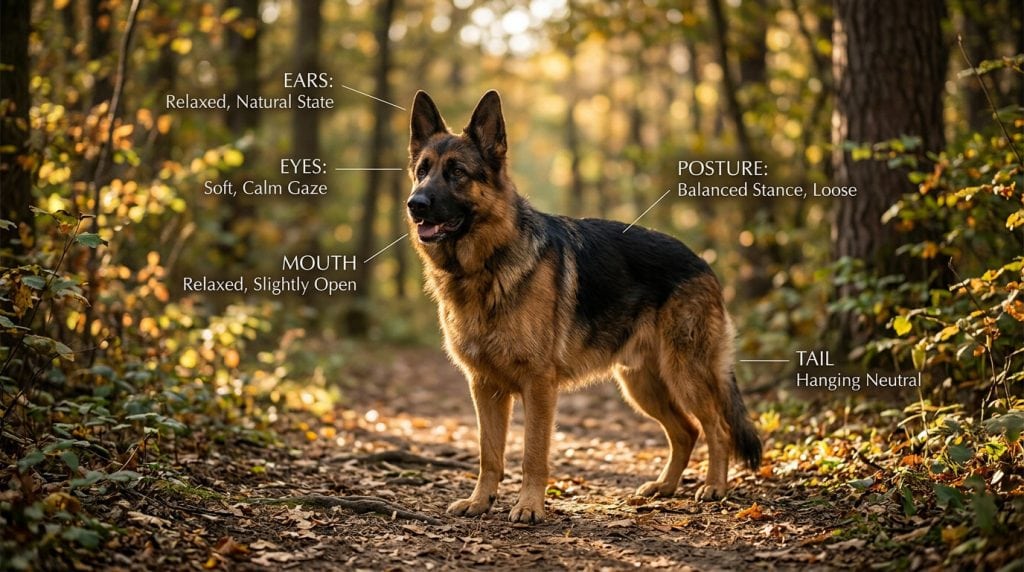
Calm & Relaxed
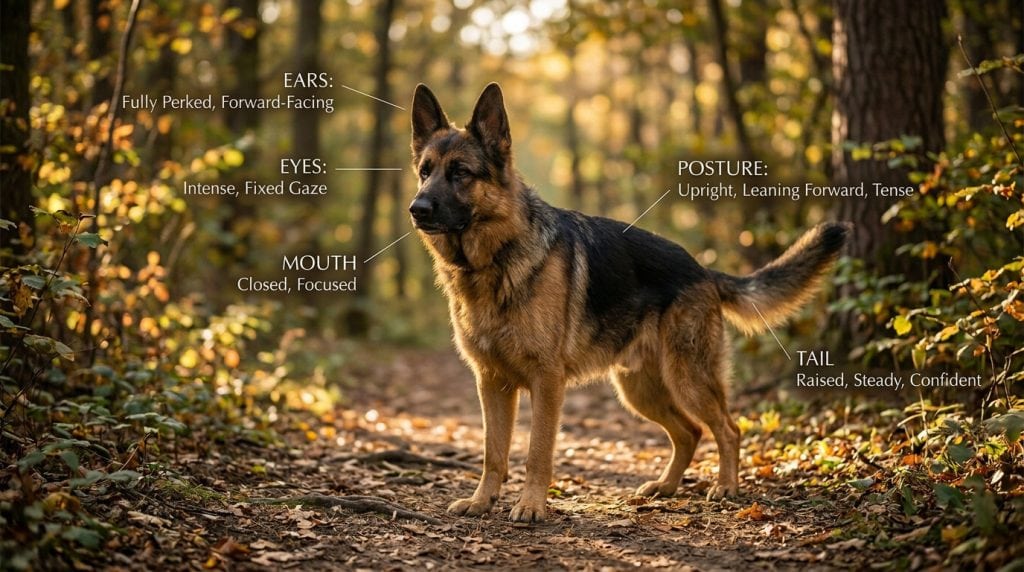
Alert / Confident
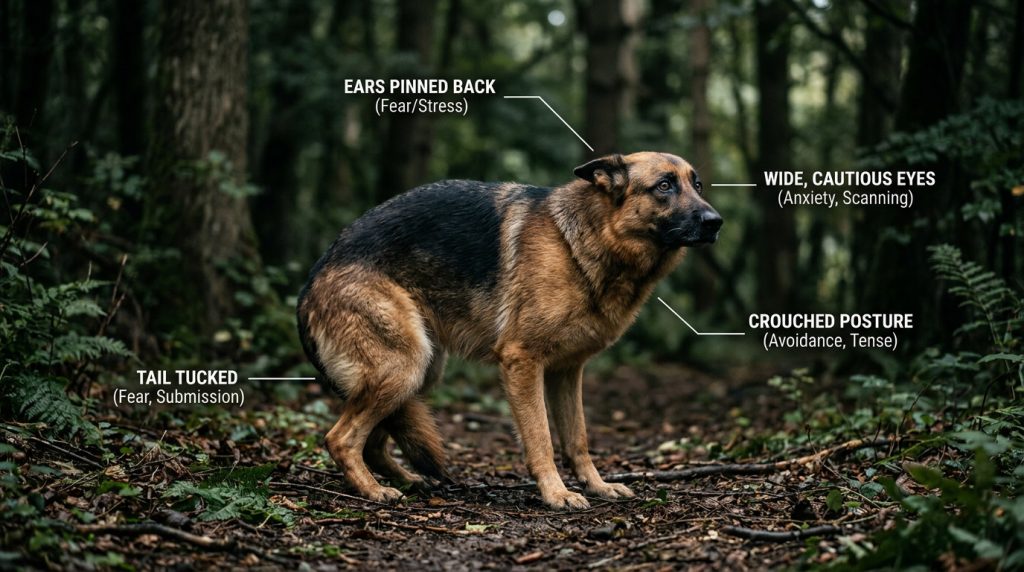
Fearful / Uncomfortable
Dogs Are Always Communicating
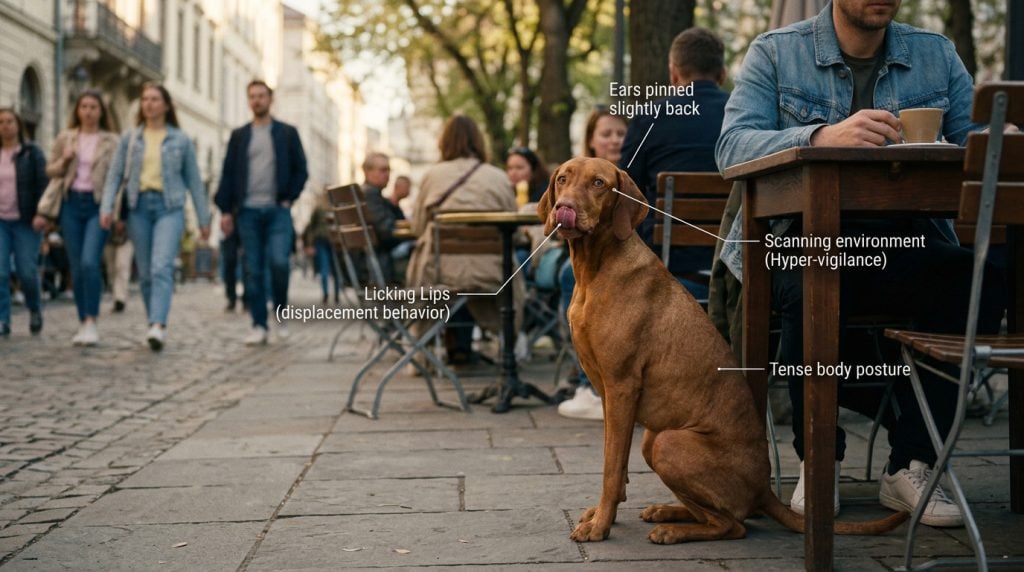
Imagine a dog pausing during a walk, slowing slightly before approaching something unfamiliar.
Their ears shift, their body stiffens for a moment, and their gaze turns away.
Dogs rarely behave without a reason.
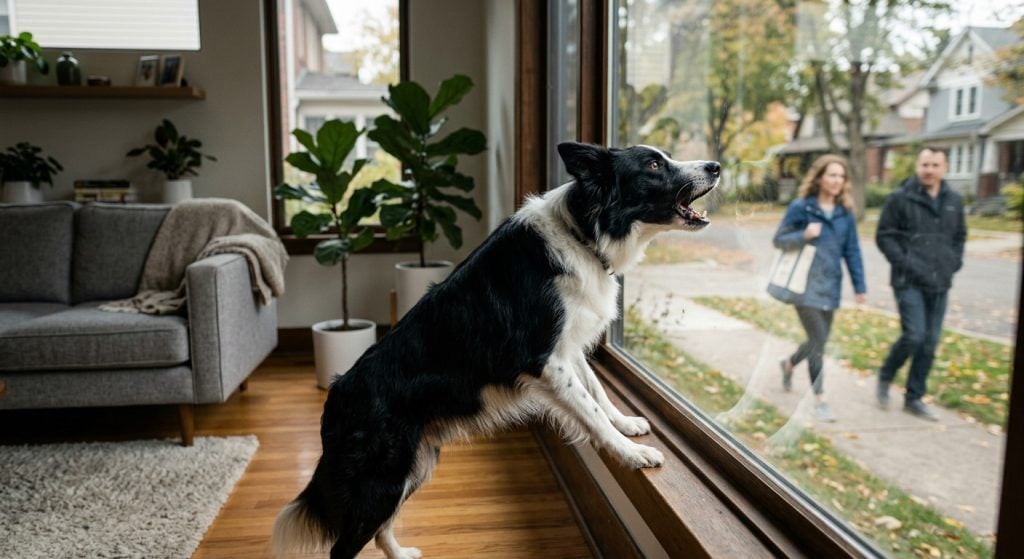
When a dog barks, steps away, jumps up, or approaches someone, their body is usually showing signs of how they feel before the behaviour happens.
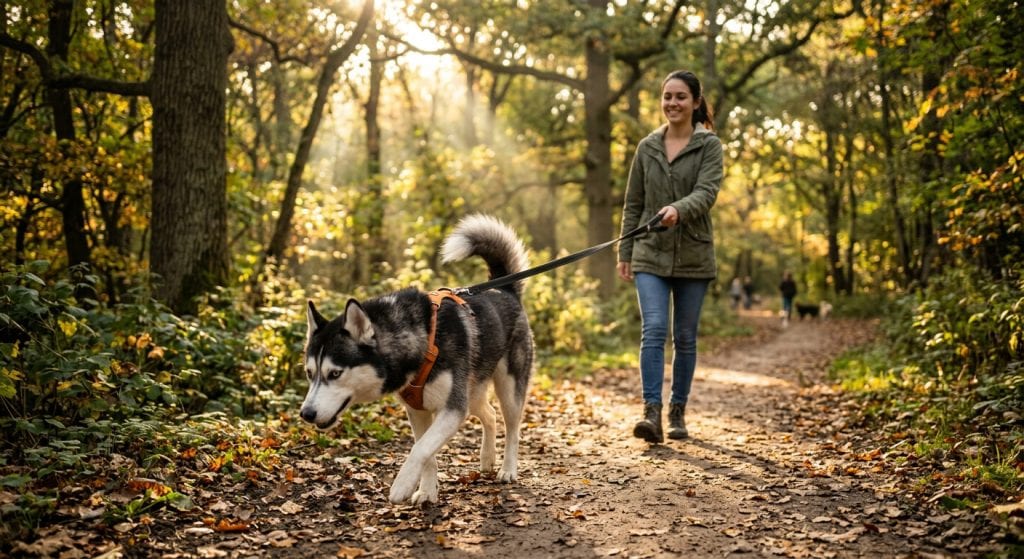
A dog who feels relaxed may move freely, with soft eyes, loose muscles, and a gently wagging tail.
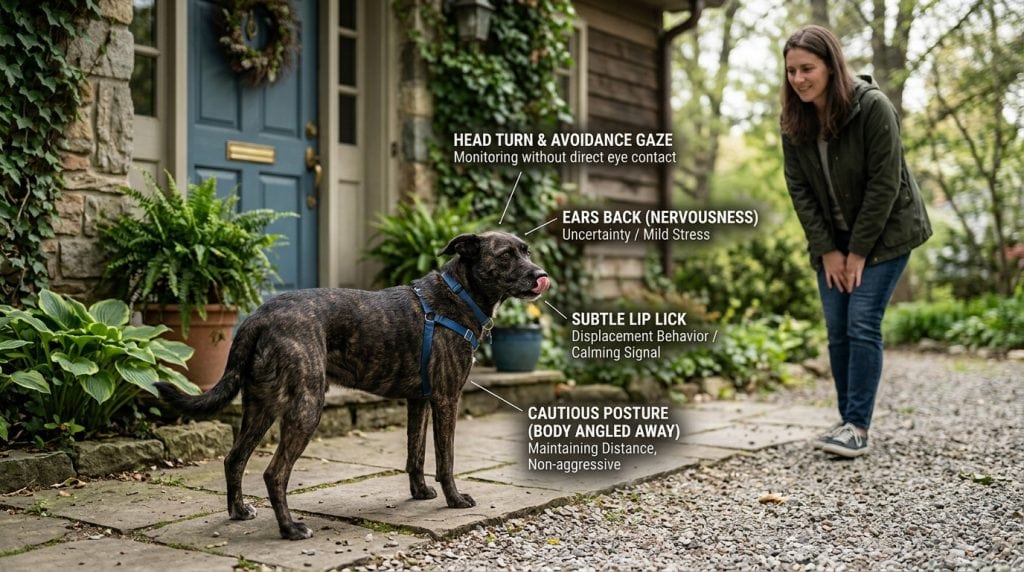
A dog who feels uncertain might slow down, turn their head away, lick their lips, or pause before approaching.
These signals are not random. They are part of a natural communication system dogs use with each other — and with us.
The more we learn to recognise these signals, the easier it becomes to understand what our dogs may be experiencing.
Reading the Whole Dog
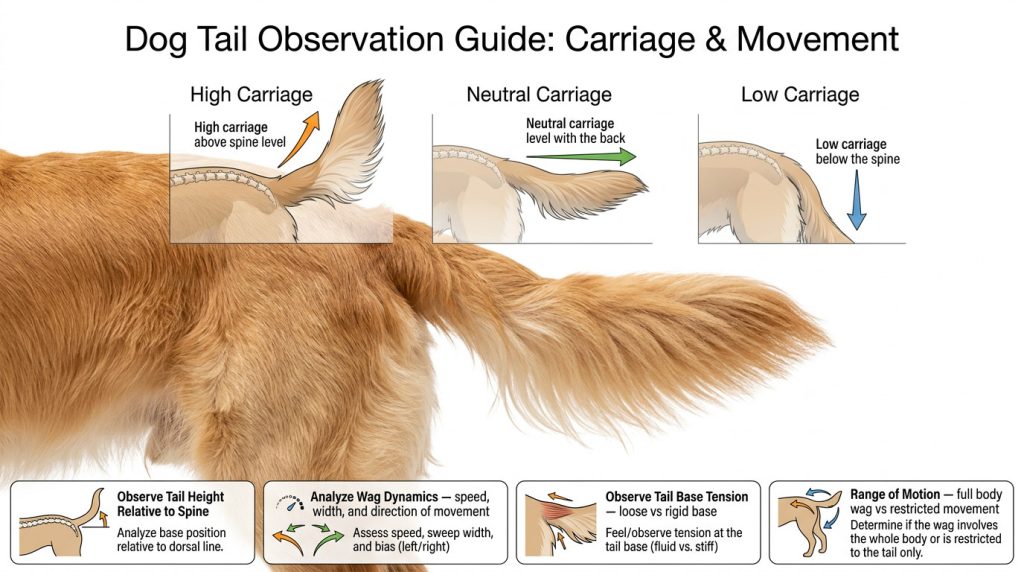
One of the most common mistakes people make is focusing on only one signal, such as the tail.
You may have heard the phrase:
“A wagging tail means a happy dog.”
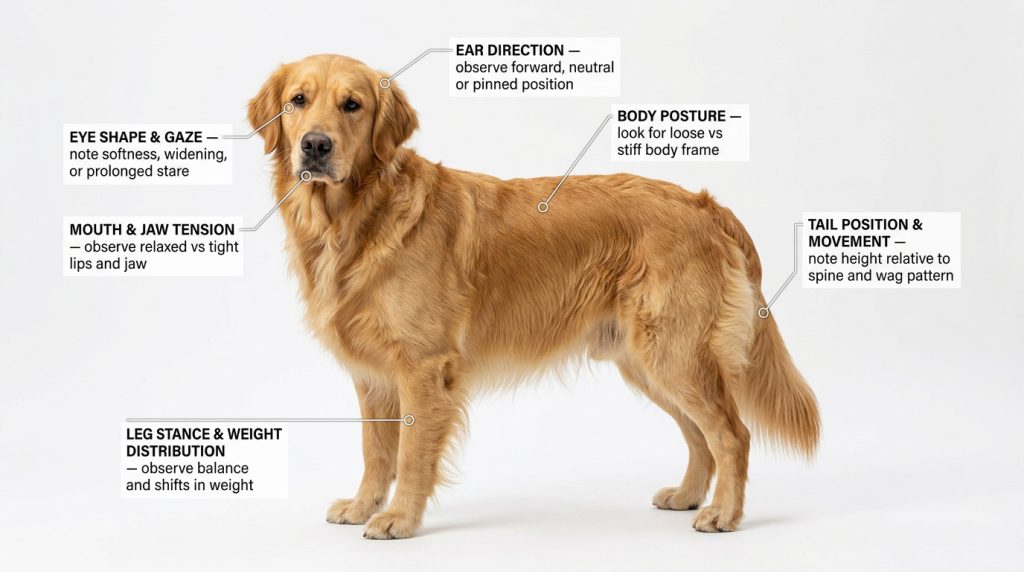
But in reality, body language works more like a conversation made up of several signals at once.
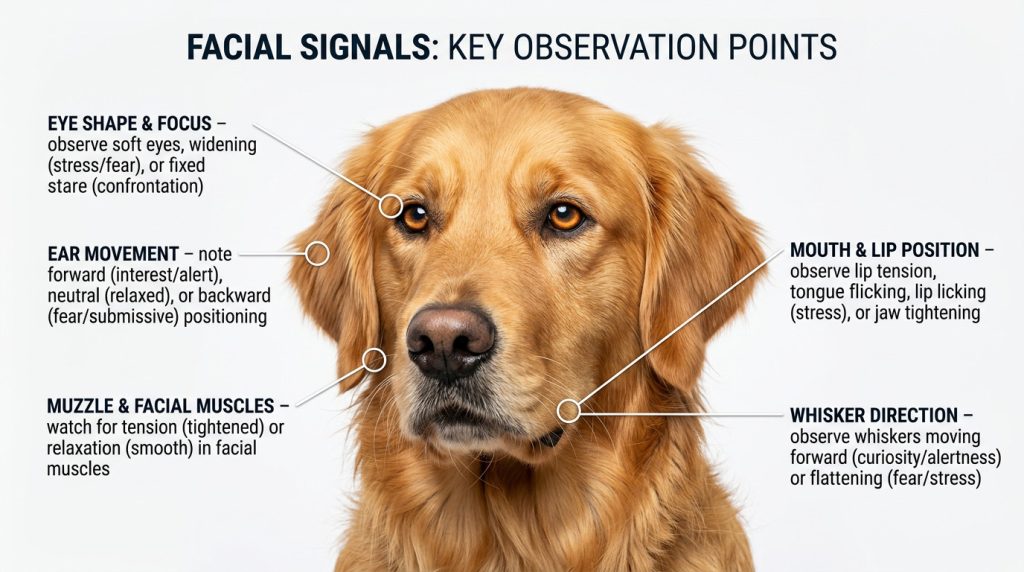
A dog’s ears, tail, posture, facial expression, and movement all contribute to the message.
For example:
A loose body, relaxed ears, soft eyes, and a gentle tail wag often indicate a dog who feels comfortable.
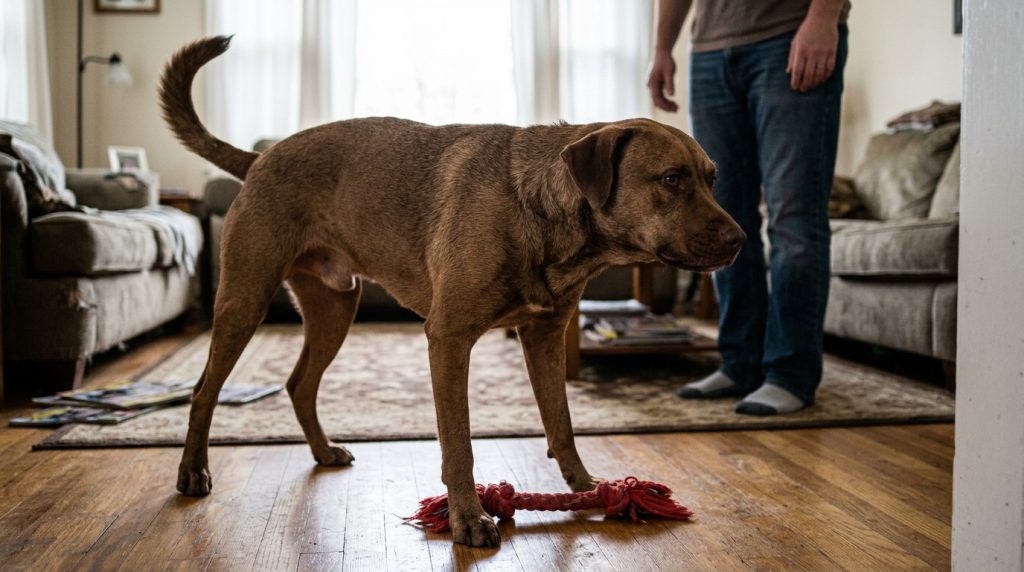
A stiff body, tightly closed mouth, intense stare, and raised tail may suggest tension or uncertainty.
Understanding body language means learning to look at the whole dog, rather than focusing on one signal alone.
Small Signals That Often Go Unnoticed
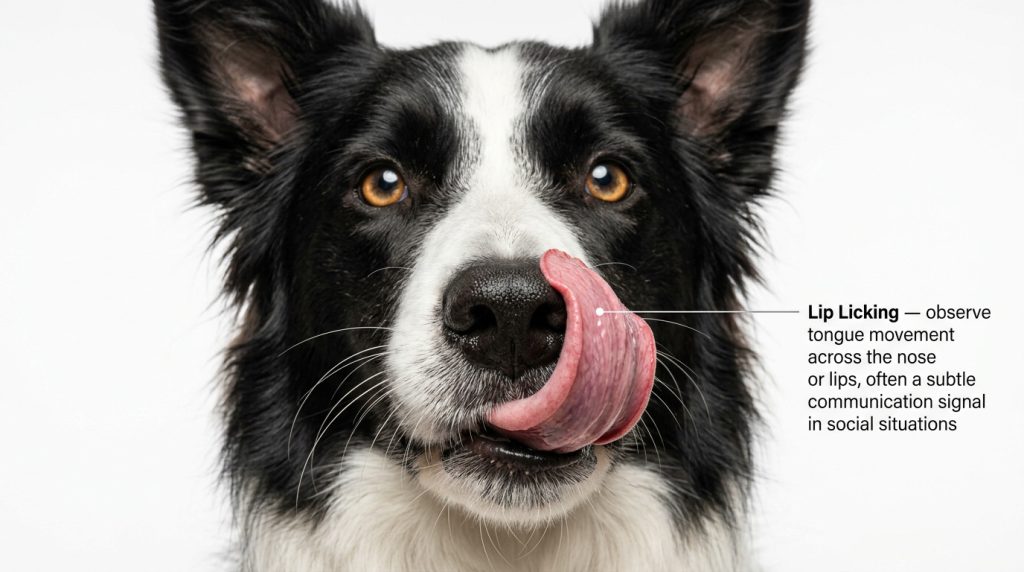
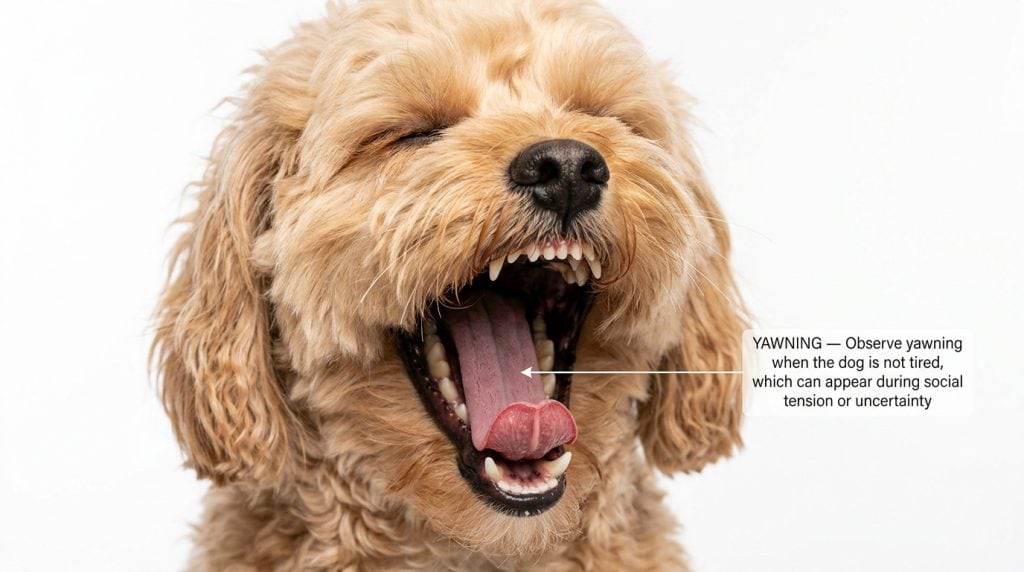
Dogs often communicate through very small signals that are easy for humans to miss.
These can include:
- turning their head away
- blinking or avoiding eye contact
- licking their lips
- yawning when not tired
- slowing their movements
- stepping slightly away
These behaviours are sometimes called calming signals because dogs often use them to reduce tension in social situations.
They can be a way of saying:
“I’m not comfortable.”
“I need a little space.”
“I’m trying to keep things calm.”
When these signals are noticed early, they can help prevent misunderstandings between dogs and people.
Context Matters
Body language always depends on the situation.
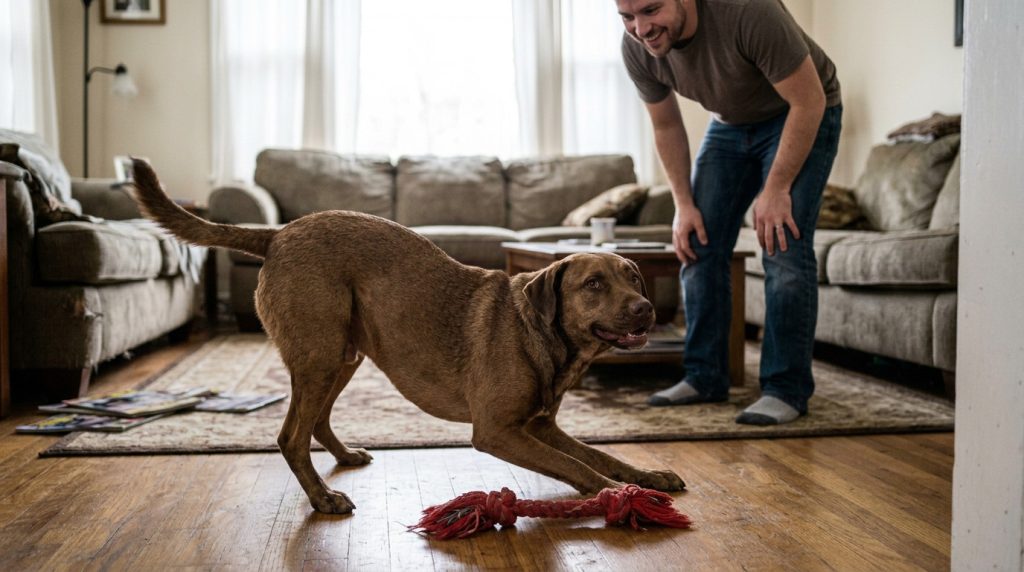
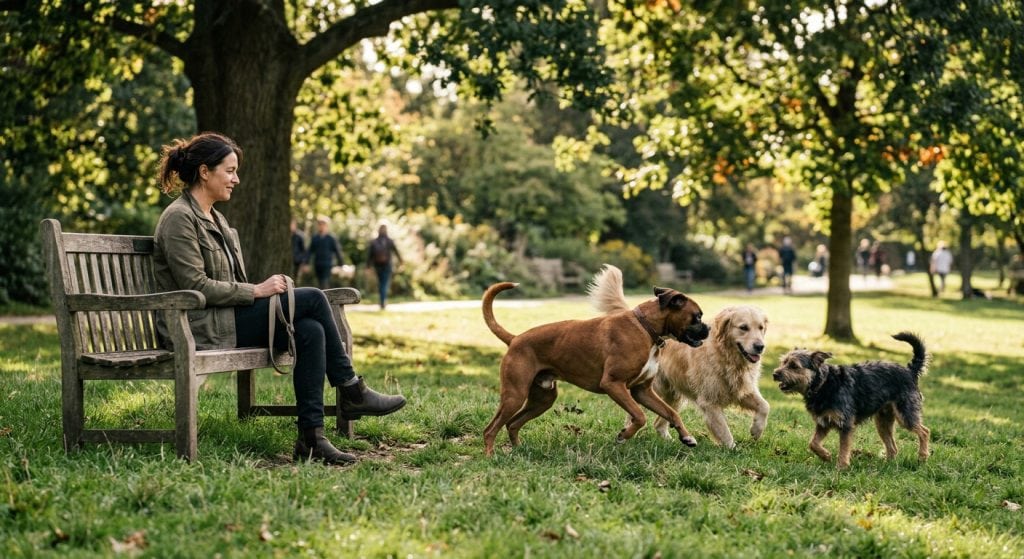
A dog who is running with loose movements and wagging tail during play may be expressing excitement and joy.
The same tail movement paired with a stiff body, forward stance, and intense focus may signal something very different.
This is why behaviour is best understood by looking at:
- the dog’s body language
- the environment
- the context of the situation
Learning to notice these pieces together provides a much clearer picture of what your dog may be feeling.
Why This Matters for Dog Owners
When we begin to understand body language, many behaviours start to make more sense.
A dog who backs away from a stranger may not be “being stubborn.”
They may be feeling unsure.
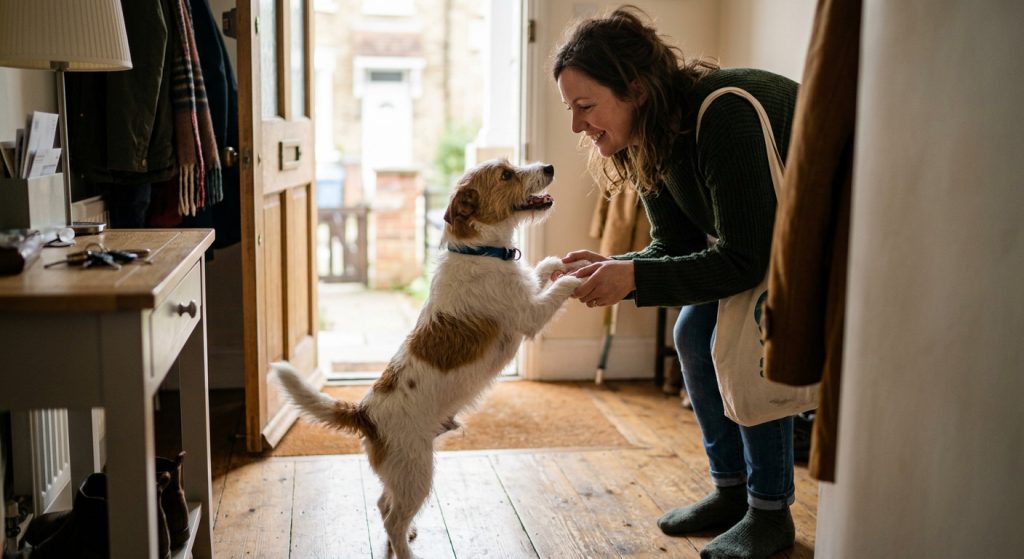
A dog who jumps up excitedly may not simply be misbehaving.
They may be expressing enthusiasm and seeking interaction.
By recognising the signals dogs use to communicate, we can respond more thoughtfully and help our dogs feel more comfortable and understood.
This creates calmer interactions for both dog and owner.
Learning to Observe Your Dog
Understanding body language is not about memorising every signal.
It is about developing the habit of observing your dog more closely.
Notice how your dog’s body looks when they feel relaxed.
Pay attention to how their posture changes in new environments.
Watch how they respond to different people, sounds, or situations.
Over time, these observations begin to build a clearer picture of your dog’s emotional world.
And when behaviour starts to make sense, communication becomes much easier.
Explore More Dog Behaviour Topics
Understanding dog behaviour is an ongoing process. Each behaviour we see — whether it’s barking, jumping, following us around the house, or tilting their head — is part of how dogs communicate and experience the world.
These guides explore some of the most common behaviours owners notice and help explain what dogs may be thinking, feeling, or responding to in everyday situations.
What to Explore Next
Body language is one of the clearest ways dogs communicate, but it is often misunderstood.
These guides can help you better understand how dogs interpret the world, express emotion, and show us what they need through everyday behaviour.

Continue Learning
Understanding body language is one of the most valuable skills a dog owner can develop.
It helps explain many common behaviours and provides insight into how dogs experience the world around them.
If you would like to explore dog behaviour in more depth, our course Understand Your Dog – Dog Psychology for Beginners introduces the foundations of canine behaviour and communication.
Through simple explanations and practical examples, you’ll learn how to better interpret your dog’s behaviour and build a stronger understanding between you and your dog.