
Miniature Schnauzer
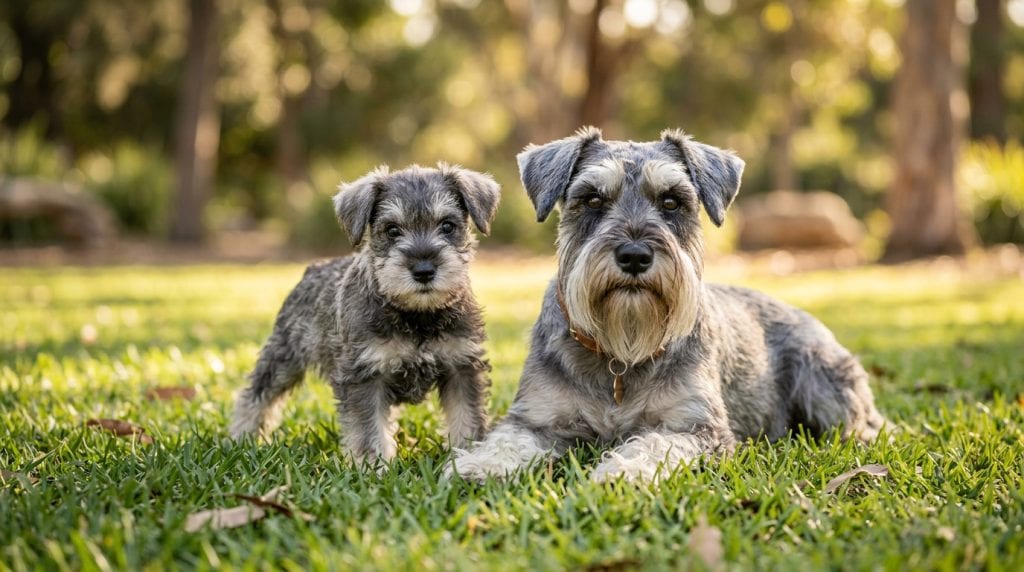
Living with a Miniature Schnauzer often means having a spirited companion who thrives on interaction. Their lively nature and distinctive beard give them a charming presence that many find endearing. While they are attentive and eager to join in family activities, they also exhibit a curious streak that keeps life interesting.
At a glance
Core care
- Size: Small
- Energy: Moderate to high
- Grooming: Low
- Shedding: Low
Support style
- Sensitivity: Moderate
- Training style: Willing
Breed guide
Choose a section to explore. These notes describe common patterns, but individual dogs vary widely.
Living with a Miniature Schnauzer often means sharing your home with a small dog that is alert to everything happening around them. Many owners notice how these dogs enjoy being involved in daily life, watching household activity closely and quickly responding to new sounds or visitors. Their lively and attentive nature reflects their working heritage, where awareness and determination were valuable traits.
Physically, the Miniature Schnauzer is small but sturdy, with a distinctive wiry coat that gives them a unique silhouette. Their bushy eyebrows and beard are not just for show; they were initially developed to protect them while working. In everyday life, this means regular grooming to maintain their iconic look and keep their coat in good condition. Despite their robust appearance, they are quite agile, which owners often notice during playtime.
Temperamentally, Miniature Schnauzers are known for their lively and outgoing nature. They tend to be quite social and enjoy being involved in family activities. Many owners observe that their Schnauzer is quick to alert them to visitors or unusual sounds, a trait that harks back to their watchdog origins. While they are generally friendly, some can be reserved with strangers until they feel comfortable.
As with any breed, individual Miniature Schnauzers can vary in behaviour and temperament. Some may be more laid-back, while others exhibit higher energy levels. It’s essential for potential owners to spend time with this breed to understand their needs and ensure a good match. Each dog’s unique personality will be shaped by their genetics, upbringing, and the environment they are raised in.
Miniature Schnauzers are often described as having a big personality packed into a small frame. Their social nature means they frequently seek interaction with their human companions. Many owners notice that their Schnauzer enjoys being in the thick of family life, whether that means following them around the house or participating in activities. This desire for involvement stems from their history as working dogs, where being alert and engaged was crucial.
Their moderate sensitivity can sometimes mean they pick up on household dynamics and emotions, reacting accordingly. This can be a double-edged sword; while they are often intuitive and responsive to their owners’ moods, they may also become anxious if the environment is too chaotic or tense. Owners often find that maintaining a calm and structured home helps their Schnauzer feel secure and content.
In terms of trainability, Miniature Schnauzers are generally willing learners. They respond well to positive reinforcement techniques, enjoying the mental stimulation that training provides. However, their independent streak can sometimes lead to selective listening, especially if they sense inconsistency in their training routine. Patience and persistence are key, as well as ensuring training sessions are engaging and varied.
Overall, living with a Miniature Schnauzer means embracing their lively spirit and social tendencies. They thrive in environments where they can be active participants in family life. While they may have moments of stubbornness, their loyalty and affection often shine through, making them cherished companions for those who appreciate their unique blend of characteristics.
A typical day for a Miniature Schnauzer involves a mix of physical activity and mental engagement. Their moderate to high energy levels mean they benefit from regular walks and play sessions. Many owners find that two brisk walks a day, coupled with some playtime in the garden or park, help to keep their Schnauzer happy and healthy. These dogs enjoy games that challenge their minds, such as puzzle toys or interactive games that involve problem-solving.
As they are naturally curious, Miniature Schnauzers often appreciate activities that allow them to explore their environment. This might include scent work or agility courses, which tap into their natural instincts and keep them mentally stimulated. Owners often notice that their Schnauzer is more settled at home when they have had ample opportunity to burn off energy and engage their minds.
It’s important to tailor exercise routines to the individual dog’s age and health. Puppies and young dogs may have bursts of energy that require more frequent, shorter play sessions, while older Schnauzers might prefer a more leisurely pace. Regardless of age, providing a variety of activities can help prevent boredom and the behavioural issues that can arise from it.
While Miniature Schnauzers are generally adaptable, they can become bored if left without sufficient stimulation. This can lead to unwanted behaviours such as excessive barking or digging. Owners should aim to provide a balanced routine that includes both physical exercise and mental challenges, ensuring their Schnauzer remains content and well-behaved.
Training a Miniature Schnauzer often feels like a rewarding partnership. These dogs are typically eager to learn and enjoy the interaction that training provides. Many owners find that their Schnauzer responds well to positive reinforcement methods, such as treats and praise. This approach helps to build a strong bond between dog and owner, fostering a sense of trust and cooperation.
Consistency is crucial when training a Miniature Schnauzer. They can be quite clever, which means they may test boundaries if they sense inconsistency. Establishing clear rules and sticking to them helps these dogs understand what is expected of them. Owners often notice that their Schnauzer thrives when they know their place within the family structure.
Adolescence can bring its own set of challenges, as Miniature Schnauzers may exhibit increased independence and test limits. During this stage, patience and persistence are key. Continuing with regular training sessions can help reinforce good behaviours and prevent the development of bad habits. Some owners find that enrolling in a training class provides additional support and socialisation opportunities.
The relationship between a Miniature Schnauzer and their owner is central to successful training. These dogs are sensitive to their owner’s emotions and respond best when they feel understood and valued. By maintaining a positive and encouraging approach, owners can help their Schnauzer develop into a well-mannered and confident companion.
Miniature Schnauzers tend to fit well into a variety of home environments, from bustling family homes to quieter single-person households. Their adaptable nature means they can thrive in both urban and rural settings, as long as they receive adequate exercise and mental stimulation. Many owners find that their Schnauzer is happiest when they are included in daily activities and receive plenty of attention.
Living with children can be a positive experience for Miniature Schnauzers, as they often enjoy the energy and playfulness that children bring. However, it’s important to teach children how to interact respectfully with dogs to ensure a harmonious relationship. Supervision is key, especially with younger children, to prevent any accidental rough handling.
When it comes to other pets, Miniature Schnauzers can coexist peacefully if properly socialised from a young age. Their terrier instincts may lead them to chase smaller animals, so introductions should be managed carefully. Many owners find that with patience and training, their Schnauzer can become a well-integrated member of a multi-pet household.
Ultimately, the best fit for a Miniature Schnauzer is a home where they are valued as a family member and given the opportunity to participate in daily life. They thrive in environments where they receive consistent attention, training, and care, making them a rewarding companion for those willing to invest time in their wellbeing.
A Miniature Schnauzer’s health is closely tied to their overall wellbeing and quality of life. Regular veterinary check-ups are essential to monitor their health and catch any potential issues early. Many owners find that preventive care, such as vaccinations and parasite control, helps keep their Schnauzer in good health and prevents common ailments.
Some health considerations specific to the breed include issues such as pancreatitis and bladder stones. While not all Schnauzers will experience these problems, being aware of the signs and maintaining a balanced diet can help reduce risks. Owners often find that feeding a high-quality diet and monitoring their dog’s weight are effective preventive measures.
Behaviour can sometimes be an indicator of health issues. Changes in appetite, energy levels, or behaviour may warrant a visit to the vet. Miniature Schnauzers are generally active and alert, so any significant changes in these areas should be investigated to rule out underlying health concerns.
Maintaining a regular routine of exercise, grooming, and veterinary care can help ensure a Miniature Schnauzer remains healthy and happy. By being attentive to their dog’s needs and seeking veterinary advice when necessary, owners can support their Schnauzer in living a long and fulfilling life.
The Miniature Schnauzer originated in Germany in the late 19th century, developed from the Standard Schnauzer by crossing with smaller breeds such as the Affenpinscher and Poodle. The goal was to create a smaller version of the Schnauzer that retained its working abilities, particularly as a ratter and watchdog. This history is reflected in the breed’s alert and spirited nature, traits that were essential for their original roles.
As farm dogs, Miniature Schnauzers needed to be versatile and resilient, capable of handling various tasks around the homestead. Their keen senses and protective instincts made them excellent watchdogs, while their tenacity and intelligence helped them excel in ratting. These characteristics are still evident today, as many Schnauzers remain vigilant and quick to alert their owners to any changes in their environment.
Over time, the Miniature Schnauzer’s appeal grew beyond their working abilities, and they became popular as companion animals. Their distinctive appearance, with the characteristic beard and eyebrows, added to their charm and helped them stand out in the show ring. This transition from working dog to family companion has not diminished their lively spirit, but rather enriched their role as beloved pets.
Today, the Miniature Schnauzer is cherished for both their historical roots and their adaptability to modern life. Their story of development and purpose continues to influence their behaviour and temperament, making them a unique and engaging breed for those who appreciate their rich heritage and vibrant personality.
What shapes individual dogs
- Early social experiences
- Training approach
- Environment & routine
- Genetics & breeding
- Health & pain
- Age / life stage
Living with a Miniature Schnauzer often means sharing your home with a small dog that is alert to everything happening around them. Many owners notice how these dogs enjoy being involved in daily life, watching household activity closely and quickly responding to new sounds or visitors. Their lively and attentive nature reflects their working heritage, where awareness and determination were valuable traits.
Physically, the Miniature Schnauzer is small but sturdy, with a distinctive wiry coat that gives them a unique silhouette. Their bushy eyebrows and beard are not just for show; they were initially developed to protect them while working. In everyday life, this means regular grooming to maintain their iconic look and keep their coat in good condition. Despite their robust appearance, they are quite agile, which owners often notice during playtime.
Temperamentally, Miniature Schnauzers are known for their lively and outgoing nature. They tend to be quite social and enjoy being involved in family activities. Many owners observe that their Schnauzer is quick to alert them to visitors or unusual sounds, a trait that harks back to their watchdog origins. While they are generally friendly, some can be reserved with strangers until they feel comfortable.
As with any breed, individual Miniature Schnauzers can vary in behaviour and temperament. Some may be more laid-back, while others exhibit higher energy levels. It’s essential for potential owners to spend time with this breed to understand their needs and ensure a good match. Each dog’s unique personality will be shaped by their genetics, upbringing, and the environment they are raised in.
Miniature Schnauzers are often described as having a big personality packed into a small frame. Their social nature means they frequently seek interaction with their human companions. Many owners notice that their Schnauzer enjoys being in the thick of family life, whether that means following them around the house or participating in activities. This desire for involvement stems from their history as working dogs, where being alert and engaged was crucial.
Their moderate sensitivity can sometimes mean they pick up on household dynamics and emotions, reacting accordingly. This can be a double-edged sword; while they are often intuitive and responsive to their owners’ moods, they may also become anxious if the environment is too chaotic or tense. Owners often find that maintaining a calm and structured home helps their Schnauzer feel secure and content.
In terms of trainability, Miniature Schnauzers are generally willing learners. They respond well to positive reinforcement techniques, enjoying the mental stimulation that training provides. However, their independent streak can sometimes lead to selective listening, especially if they sense inconsistency in their training routine. Patience and persistence are key, as well as ensuring training sessions are engaging and varied.
Overall, living with a Miniature Schnauzer means embracing their lively spirit and social tendencies. They thrive in environments where they can be active participants in family life. While they may have moments of stubbornness, their loyalty and affection often shine through, making them cherished companions for those who appreciate their unique blend of characteristics.
A typical day for a Miniature Schnauzer involves a mix of physical activity and mental engagement. Their moderate to high energy levels mean they benefit from regular walks and play sessions. Many owners find that two brisk walks a day, coupled with some playtime in the garden or park, help to keep their Schnauzer happy and healthy. These dogs enjoy games that challenge their minds, such as puzzle toys or interactive games that involve problem-solving.
As they are naturally curious, Miniature Schnauzers often appreciate activities that allow them to explore their environment. This might include scent work or agility courses, which tap into their natural instincts and keep them mentally stimulated. Owners often notice that their Schnauzer is more settled at home when they have had ample opportunity to burn off energy and engage their minds.
It’s important to tailor exercise routines to the individual dog’s age and health. Puppies and young dogs may have bursts of energy that require more frequent, shorter play sessions, while older Schnauzers might prefer a more leisurely pace. Regardless of age, providing a variety of activities can help prevent boredom and the behavioural issues that can arise from it.
While Miniature Schnauzers are generally adaptable, they can become bored if left without sufficient stimulation. This can lead to unwanted behaviours such as excessive barking or digging. Owners should aim to provide a balanced routine that includes both physical exercise and mental challenges, ensuring their Schnauzer remains content and well-behaved.
Training a Miniature Schnauzer often feels like a rewarding partnership. These dogs are typically eager to learn and enjoy the interaction that training provides. Many owners find that their Schnauzer responds well to positive reinforcement methods, such as treats and praise. This approach helps to build a strong bond between dog and owner, fostering a sense of trust and cooperation.
Consistency is crucial when training a Miniature Schnauzer. They can be quite clever, which means they may test boundaries if they sense inconsistency. Establishing clear rules and sticking to them helps these dogs understand what is expected of them. Owners often notice that their Schnauzer thrives when they know their place within the family structure.
Adolescence can bring its own set of challenges, as Miniature Schnauzers may exhibit increased independence and test limits. During this stage, patience and persistence are key. Continuing with regular training sessions can help reinforce good behaviours and prevent the development of bad habits. Some owners find that enrolling in a training class provides additional support and socialisation opportunities.
The relationship between a Miniature Schnauzer and their owner is central to successful training. These dogs are sensitive to their owner’s emotions and respond best when they feel understood and valued. By maintaining a positive and encouraging approach, owners can help their Schnauzer develop into a well-mannered and confident companion.
Miniature Schnauzers tend to fit well into a variety of home environments, from bustling family homes to quieter single-person households. Their adaptable nature means they can thrive in both urban and rural settings, as long as they receive adequate exercise and mental stimulation. Many owners find that their Schnauzer is happiest when they are included in daily activities and receive plenty of attention.
Living with children can be a positive experience for Miniature Schnauzers, as they often enjoy the energy and playfulness that children bring. However, it’s important to teach children how to interact respectfully with dogs to ensure a harmonious relationship. Supervision is key, especially with younger children, to prevent any accidental rough handling.
When it comes to other pets, Miniature Schnauzers can coexist peacefully if properly socialised from a young age. Their terrier instincts may lead them to chase smaller animals, so introductions should be managed carefully. Many owners find that with patience and training, their Schnauzer can become a well-integrated member of a multi-pet household.
Ultimately, the best fit for a Miniature Schnauzer is a home where they are valued as a family member and given the opportunity to participate in daily life. They thrive in environments where they receive consistent attention, training, and care, making them a rewarding companion for those willing to invest time in their wellbeing.
A Miniature Schnauzer’s health is closely tied to their overall wellbeing and quality of life. Regular veterinary check-ups are essential to monitor their health and catch any potential issues early. Many owners find that preventive care, such as vaccinations and parasite control, helps keep their Schnauzer in good health and prevents common ailments.
Some health considerations specific to the breed include issues such as pancreatitis and bladder stones. While not all Schnauzers will experience these problems, being aware of the signs and maintaining a balanced diet can help reduce risks. Owners often find that feeding a high-quality diet and monitoring their dog’s weight are effective preventive measures.
Behaviour can sometimes be an indicator of health issues. Changes in appetite, energy levels, or behaviour may warrant a visit to the vet. Miniature Schnauzers are generally active and alert, so any significant changes in these areas should be investigated to rule out underlying health concerns.
Maintaining a regular routine of exercise, grooming, and veterinary care can help ensure a Miniature Schnauzer remains healthy and happy. By being attentive to their dog’s needs and seeking veterinary advice when necessary, owners can support their Schnauzer in living a long and fulfilling life.
The Miniature Schnauzer originated in Germany in the late 19th century, developed from the Standard Schnauzer by crossing with smaller breeds such as the Affenpinscher and Poodle. The goal was to create a smaller version of the Schnauzer that retained its working abilities, particularly as a ratter and watchdog. This history is reflected in the breed’s alert and spirited nature, traits that were essential for their original roles.
As farm dogs, Miniature Schnauzers needed to be versatile and resilient, capable of handling various tasks around the homestead. Their keen senses and protective instincts made them excellent watchdogs, while their tenacity and intelligence helped them excel in ratting. These characteristics are still evident today, as many Schnauzers remain vigilant and quick to alert their owners to any changes in their environment.
Over time, the Miniature Schnauzer’s appeal grew beyond their working abilities, and they became popular as companion animals. Their distinctive appearance, with the characteristic beard and eyebrows, added to their charm and helped them stand out in the show ring. This transition from working dog to family companion has not diminished their lively spirit, but rather enriched their role as beloved pets.
Today, the Miniature Schnauzer is cherished for both their historical roots and their adaptability to modern life. Their story of development and purpose continues to influence their behaviour and temperament, making them a unique and engaging breed for those who appreciate their rich heritage and vibrant personality.
What shapes individual dogs
- Early social experiences
- Training approach
- Environment & routine
- Genetics & breeding
- Health & pain
- Age / life stage
Want support with this?
This course is beneficial for understanding the unique temperament and social nature of Miniature Schnauzers.