
Giant Schnauzer
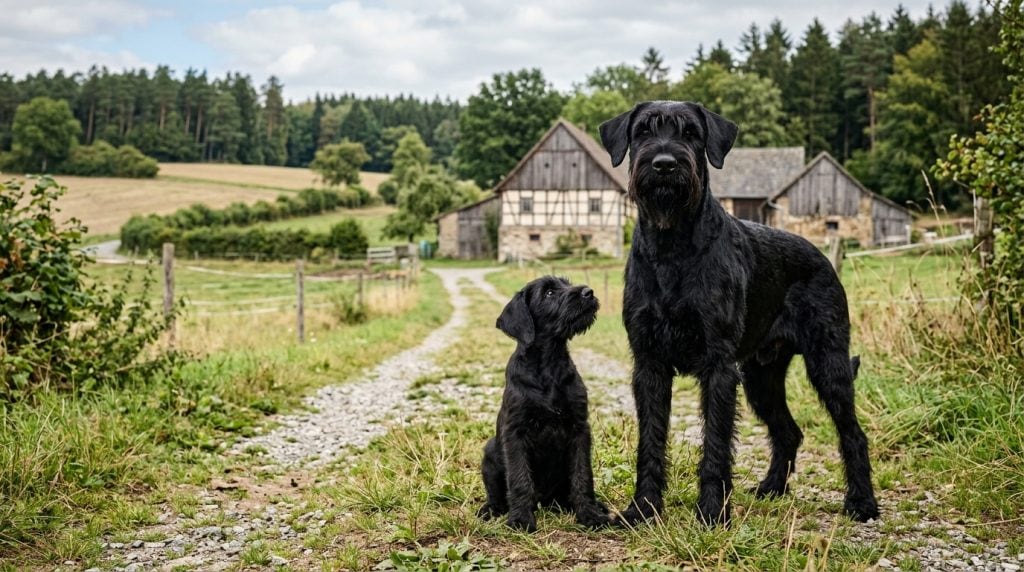
Living with a Giant Schnauzer often means sharing your home with a vigilant and spirited companion. They have a strong presence, frequently displaying both their protective instincts and their affectionate side. Owners often find that these dogs thrive on being part of the family's daily activities, always ready to join in with enthusiasm.
At a glance
Core care
- Size: Giant
- Energy: High
- Grooming: Low
- Shedding: Low
Support style
- Sensitivity: Moderate
- Training style: Willing
Breed guide
Choose a section to explore. These notes describe common patterns, but individual dogs vary widely.
The Giant Schnauzer’s roots lie in the rugged landscapes of Germany, where they were originally bred as versatile working dogs. Their history as cattle drovers and later as guard dogs has shaped their modern-day persona. This breed is known for its intelligence and robust nature, traits that were essential for their demanding roles. Today, these characteristics manifest in a dog that is both a loyal companion and a vigilant protector of the home.
Physically, the Giant Schnauzer is a commanding presence with its large size and distinctive beard and eyebrows. These features are not just for show; they serve practical purposes, such as providing protection from the elements. Owners often notice the breed’s athletic build, which requires regular physical exercise to maintain their health and happiness. This is a dog that enjoys having space to move and activities to engage in.
Temperamentally, Giant Schnauzers are known for their keen intelligence and strong-willed nature. They are often described as being alert and watchful, making them excellent watchdogs. However, this also means they can be somewhat aloof with strangers, preferring the company of their familiar family members. Owners typically observe a dog that is both independent and affectionate, enjoying both moments of play and quiet companionship.
While the breed has many consistent traits, individual Giant Schnauzers can vary significantly. Some may be more sociable, while others might lean towards being more reserved. It’s important for potential owners to understand that these dogs require both mental and physical stimulation to thrive. Each dog will have its own unique personality shaped by its environment and upbringing.
Giant Schnauzers often display a strong social nature, particularly with their families. They tend to form deep bonds with those they trust, often showing a protective streak that is rooted in their working heritage. This protective nature can sometimes make them wary of strangers, but with proper socialisation, they can learn to be more accepting.
Their moderate sensitivity means they are quite attuned to the moods and emotions of their human companions. Owners often notice that their Giant Schnauzer is quick to pick up on changes in their environment or routine, which can be both a blessing and a challenge. This sensitivity requires a thoughtful approach to training and interaction, ensuring that the dog feels secure and understood.
Trainability is one of the breed’s strong suits, as they are generally willing learners. However, their intelligence means they can become bored with repetitive tasks, so variety in training is key. Owners often find success with positive reinforcement techniques that engage the dog’s mind and body. Consistent training helps to harness their energy and channel it into productive activities.
Overall, living with a Giant Schnauzer can be a rewarding experience for those who appreciate a dog with a strong character and a loyal heart. Their temperament can vary from dog to dog, with some being more outgoing and others more reserved. Understanding these tendencies and working with them can lead to a harmonious relationship between dog and owner.
A typical day for a Giant Schnauzer involves plenty of physical activity and mental stimulation. These dogs thrive on having a purpose, and regular exercise is crucial to their wellbeing. Owners often find that long walks, runs, or play sessions in a secure area help to burn off their high energy levels. Without adequate exercise, a Giant Schnauzer may become restless or even destructive.
In addition to physical exercise, mental enrichment is equally important. Puzzle toys, training sessions, and interactive games can keep their minds sharp and engaged. Many owners enjoy teaching their Giant Schnauzer new tricks or participating in dog sports such as agility or obedience, which cater to their intelligence and willingness to learn.
It’s important to note that the exercise needs of a Giant Schnauzer can change as they age. Puppies and young adults are often full of energy and require more frequent activity, while older dogs may slow down but still need regular walks to stay healthy. Adjusting the level and type of exercise to suit the dog’s life stage is key to maintaining their overall health.
Owners should be mindful of not overexerting their Giant Schnauzer, especially in hot weather, as their dense coat can make them prone to overheating. Providing plenty of water and shade during outdoor activities is essential. By balancing physical and mental stimulation, owners can help ensure their Giant Schnauzer remains a happy and well-adjusted member of the family.
Training a Giant Schnauzer can be a fulfilling experience, as these dogs are known for their willingness to learn and their intelligent nature. Many owners describe the training process as engaging, with the dog often eager to participate in activities that challenge both their mind and body. Establishing a strong foundation with basic commands is a great starting point.
Given their working background, Giant Schnauzers respond well to positive reinforcement methods. They appreciate rewards, whether in the form of treats, praise, or play. Consistency is crucial, as these dogs thrive on routine and clear expectations. Training sessions should be varied to keep the dog interested and prevent boredom.
Adolescence can be a challenging time for Giant Schnauzer owners, as this is when the dog’s independent streak may become more pronounced. Patience and persistence are key during this phase, as is maintaining a strong bond with the dog. Owners often find that continuing training during this period helps to reinforce good behaviour and manage any emerging challenges.
Building a relationship based on trust and mutual respect is essential for successful training. This breed appreciates a calm and confident handler who can provide guidance and support. By investing time in training and understanding their dog’s unique personality, owners can foster a well-behaved and content Giant Schnauzer.
Giant Schnauzers tend to thrive in environments where they have plenty of space to move and explore. Homes with large gardens or access to open spaces can be ideal, allowing the dog to indulge in their natural athleticism. However, they can also adapt to urban living, provided they receive adequate exercise and mental stimulation.
Owners often find that Giant Schnauzers integrate well into family life, enjoying the company of both adults and children. They tend to be protective of their family, which can be reassuring, but it’s important to supervise interactions with younger children to ensure play remains gentle and respectful.
When it comes to other pets, Giant Schnauzers can coexist peacefully, especially if they are raised together from a young age. Early socialisation is key to fostering positive relationships with other animals, helping to prevent any potential territorial behaviour.
Ultimately, the suitability of a Giant Schnauzer to a particular home depends on the owner’s ability to meet their physical and mental needs. These dogs require time, attention, and engagement, and they flourish in homes where they are considered an integral part of the family.
The health of a Giant Schnauzer is closely linked to their overall wellbeing and quality of life. Like all breeds, they have specific health considerations that owners should be aware of. Regular veterinary check-ups are essential to monitor their health and catch any potential issues early.
Common health concerns for this breed include hip dysplasia, eye conditions, and certain skin issues. Maintaining a healthy weight through proper diet and exercise can help mitigate some of these risks. Owners often find that a balanced diet, tailored to the dog’s age and activity level, supports their health and vitality.
Preventive care is crucial in managing the health of a Giant Schnauzer. Regular grooming not only keeps their coat in good condition but also allows owners to check for any skin abnormalities or parasites. Dental care is another important aspect, as dental issues can lead to more serious health problems if left untreated.
If an owner notices any changes in their dog’s behaviour, appetite, or physical condition, seeking veterinary advice is always recommended. By staying informed and proactive about their Giant Schnauzer’s health, owners can help ensure their dog enjoys a long and healthy life.
The Giant Schnauzer hails from the Bavarian region of Germany, where they were initially developed in the 17th century. Originally used as cattle drovers, these dogs were valued for their strength, intelligence, and resilience. Their ability to work tirelessly in harsh conditions made them indispensable to farmers and herders.
As time went on, the breed’s role evolved, and they became popular as guard dogs for breweries and stockyards. Their imposing size and natural protective instincts made them well-suited to this task. This history of guarding and protection is still evident in the breed today, as many owners note their dog’s watchful and alert nature.
The breed’s development was influenced by crossing with other breeds, such as the Great Dane and the Bouvier des Flandres, to enhance their size and working capabilities. This selective breeding helped to refine the Giant Schnauzer’s characteristics, resulting in the confident and capable dog we see today.
Understanding the Giant Schnauzer’s history provides insight into their modern traits, such as their loyalty, intelligence, and need for purposeful activity. These dogs carry their heritage with them, and owners often find that embracing their working instincts leads to a more fulfilling relationship.
What shapes individual dogs
- Early social experiences
- Training approach
- Environment & routine
- Genetics & breeding
- Health & pain
- Age / life stage
The Giant Schnauzer’s roots lie in the rugged landscapes of Germany, where they were originally bred as versatile working dogs. Their history as cattle drovers and later as guard dogs has shaped their modern-day persona. This breed is known for its intelligence and robust nature, traits that were essential for their demanding roles. Today, these characteristics manifest in a dog that is both a loyal companion and a vigilant protector of the home.
Physically, the Giant Schnauzer is a commanding presence with its large size and distinctive beard and eyebrows. These features are not just for show; they serve practical purposes, such as providing protection from the elements. Owners often notice the breed’s athletic build, which requires regular physical exercise to maintain their health and happiness. This is a dog that enjoys having space to move and activities to engage in.
Temperamentally, Giant Schnauzers are known for their keen intelligence and strong-willed nature. They are often described as being alert and watchful, making them excellent watchdogs. However, this also means they can be somewhat aloof with strangers, preferring the company of their familiar family members. Owners typically observe a dog that is both independent and affectionate, enjoying both moments of play and quiet companionship.
While the breed has many consistent traits, individual Giant Schnauzers can vary significantly. Some may be more sociable, while others might lean towards being more reserved. It’s important for potential owners to understand that these dogs require both mental and physical stimulation to thrive. Each dog will have its own unique personality shaped by its environment and upbringing.
Giant Schnauzers often display a strong social nature, particularly with their families. They tend to form deep bonds with those they trust, often showing a protective streak that is rooted in their working heritage. This protective nature can sometimes make them wary of strangers, but with proper socialisation, they can learn to be more accepting.
Their moderate sensitivity means they are quite attuned to the moods and emotions of their human companions. Owners often notice that their Giant Schnauzer is quick to pick up on changes in their environment or routine, which can be both a blessing and a challenge. This sensitivity requires a thoughtful approach to training and interaction, ensuring that the dog feels secure and understood.
Trainability is one of the breed’s strong suits, as they are generally willing learners. However, their intelligence means they can become bored with repetitive tasks, so variety in training is key. Owners often find success with positive reinforcement techniques that engage the dog’s mind and body. Consistent training helps to harness their energy and channel it into productive activities.
Overall, living with a Giant Schnauzer can be a rewarding experience for those who appreciate a dog with a strong character and a loyal heart. Their temperament can vary from dog to dog, with some being more outgoing and others more reserved. Understanding these tendencies and working with them can lead to a harmonious relationship between dog and owner.
A typical day for a Giant Schnauzer involves plenty of physical activity and mental stimulation. These dogs thrive on having a purpose, and regular exercise is crucial to their wellbeing. Owners often find that long walks, runs, or play sessions in a secure area help to burn off their high energy levels. Without adequate exercise, a Giant Schnauzer may become restless or even destructive.
In addition to physical exercise, mental enrichment is equally important. Puzzle toys, training sessions, and interactive games can keep their minds sharp and engaged. Many owners enjoy teaching their Giant Schnauzer new tricks or participating in dog sports such as agility or obedience, which cater to their intelligence and willingness to learn.
It’s important to note that the exercise needs of a Giant Schnauzer can change as they age. Puppies and young adults are often full of energy and require more frequent activity, while older dogs may slow down but still need regular walks to stay healthy. Adjusting the level and type of exercise to suit the dog’s life stage is key to maintaining their overall health.
Owners should be mindful of not overexerting their Giant Schnauzer, especially in hot weather, as their dense coat can make them prone to overheating. Providing plenty of water and shade during outdoor activities is essential. By balancing physical and mental stimulation, owners can help ensure their Giant Schnauzer remains a happy and well-adjusted member of the family.
Training a Giant Schnauzer can be a fulfilling experience, as these dogs are known for their willingness to learn and their intelligent nature. Many owners describe the training process as engaging, with the dog often eager to participate in activities that challenge both their mind and body. Establishing a strong foundation with basic commands is a great starting point.
Given their working background, Giant Schnauzers respond well to positive reinforcement methods. They appreciate rewards, whether in the form of treats, praise, or play. Consistency is crucial, as these dogs thrive on routine and clear expectations. Training sessions should be varied to keep the dog interested and prevent boredom.
Adolescence can be a challenging time for Giant Schnauzer owners, as this is when the dog’s independent streak may become more pronounced. Patience and persistence are key during this phase, as is maintaining a strong bond with the dog. Owners often find that continuing training during this period helps to reinforce good behaviour and manage any emerging challenges.
Building a relationship based on trust and mutual respect is essential for successful training. This breed appreciates a calm and confident handler who can provide guidance and support. By investing time in training and understanding their dog’s unique personality, owners can foster a well-behaved and content Giant Schnauzer.
Giant Schnauzers tend to thrive in environments where they have plenty of space to move and explore. Homes with large gardens or access to open spaces can be ideal, allowing the dog to indulge in their natural athleticism. However, they can also adapt to urban living, provided they receive adequate exercise and mental stimulation.
Owners often find that Giant Schnauzers integrate well into family life, enjoying the company of both adults and children. They tend to be protective of their family, which can be reassuring, but it’s important to supervise interactions with younger children to ensure play remains gentle and respectful.
When it comes to other pets, Giant Schnauzers can coexist peacefully, especially if they are raised together from a young age. Early socialisation is key to fostering positive relationships with other animals, helping to prevent any potential territorial behaviour.
Ultimately, the suitability of a Giant Schnauzer to a particular home depends on the owner’s ability to meet their physical and mental needs. These dogs require time, attention, and engagement, and they flourish in homes where they are considered an integral part of the family.
The health of a Giant Schnauzer is closely linked to their overall wellbeing and quality of life. Like all breeds, they have specific health considerations that owners should be aware of. Regular veterinary check-ups are essential to monitor their health and catch any potential issues early.
Common health concerns for this breed include hip dysplasia, eye conditions, and certain skin issues. Maintaining a healthy weight through proper diet and exercise can help mitigate some of these risks. Owners often find that a balanced diet, tailored to the dog’s age and activity level, supports their health and vitality.
Preventive care is crucial in managing the health of a Giant Schnauzer. Regular grooming not only keeps their coat in good condition but also allows owners to check for any skin abnormalities or parasites. Dental care is another important aspect, as dental issues can lead to more serious health problems if left untreated.
If an owner notices any changes in their dog’s behaviour, appetite, or physical condition, seeking veterinary advice is always recommended. By staying informed and proactive about their Giant Schnauzer’s health, owners can help ensure their dog enjoys a long and healthy life.
The Giant Schnauzer hails from the Bavarian region of Germany, where they were initially developed in the 17th century. Originally used as cattle drovers, these dogs were valued for their strength, intelligence, and resilience. Their ability to work tirelessly in harsh conditions made them indispensable to farmers and herders.
As time went on, the breed’s role evolved, and they became popular as guard dogs for breweries and stockyards. Their imposing size and natural protective instincts made them well-suited to this task. This history of guarding and protection is still evident in the breed today, as many owners note their dog’s watchful and alert nature.
The breed’s development was influenced by crossing with other breeds, such as the Great Dane and the Bouvier des Flandres, to enhance their size and working capabilities. This selective breeding helped to refine the Giant Schnauzer’s characteristics, resulting in the confident and capable dog we see today.
Understanding the Giant Schnauzer’s history provides insight into their modern traits, such as their loyalty, intelligence, and need for purposeful activity. These dogs carry their heritage with them, and owners often find that embracing their working instincts leads to a more fulfilling relationship.
What shapes individual dogs
- Early social experiences
- Training approach
- Environment & routine
- Genetics & breeding
- Health & pain
- Age / life stage
Want support with this?
This course will help you understand the unique behavioural tendencies of your Giant Schnauzer, enhancing your relationship and training success.