
Schnoodle
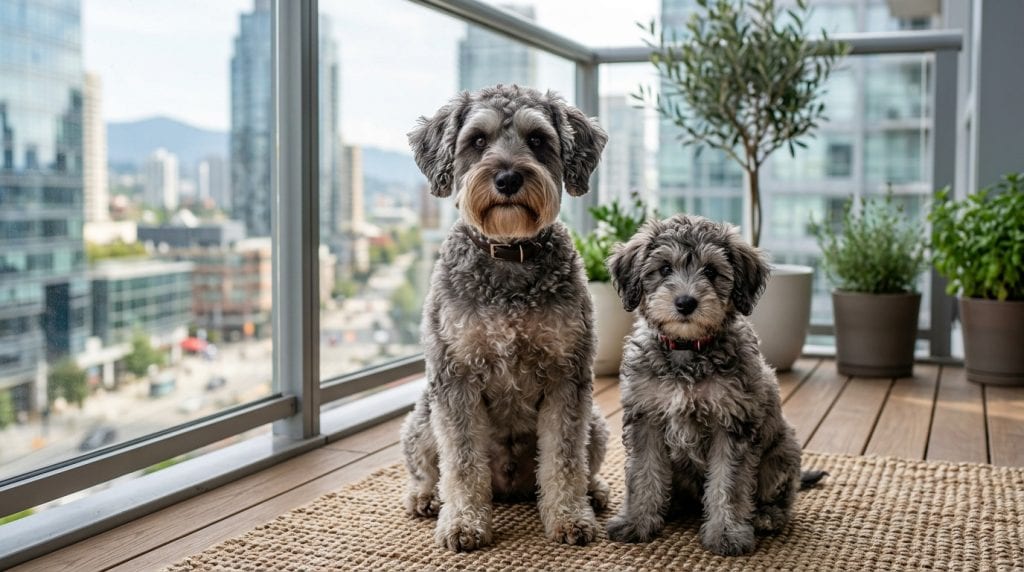
Living with a Schnoodle often means enjoying the best of both worlds. They tend to be lively and affectionate, bringing a playful energy to the home while also showing a keen willingness to learn. Their mixed heritage gives them a unique blend of characteristics that many owners find endearing and adaptable to various lifestyles.
At a glance
Core care
- Size: Small
- Energy: Moderate to high
- Grooming: Low
- Shedding: Low
Support style
- Sensitivity: Moderate
- Training style: Willing
Breed guide
Choose a section to explore. These notes describe common patterns, but individual dogs vary widely.
The Schnoodle, a delightful blend of the Schnauzer and Poodle, carries forward the working heritage of both parent breeds. Schnauzers were originally bred as versatile farm dogs, adept at guarding and ratting, while Poodles were known for their intelligence and agility as water retrievers. This combination results in a dog that is both alert and eager to please, often showing a strong desire to be involved in family activities.
Physically, Schnoodles are typically small in size, which makes them well-suited for both apartment living and larger homes. Their size doesn’t limit their enthusiasm, though; they often display a lively and energetic demeanor. Many owners appreciate their low-shedding coat, which can be a boon for those with allergies. However, this coat does require regular grooming to keep it in top condition.
In terms of temperament, Schnoodles are known for being friendly and sociable. They often form strong bonds with their families and enjoy being part of the action, whether that’s a walk in the park or a quiet evening at home. Their moderate sensitivity means they can be quite attuned to their owner’s emotions, sometimes offering comfort when needed. However, like all dogs, individual personalities can vary, with some Schnoodles being more reserved or independent.
While Schnoodles generally adapt well to various environments, it’s important for potential owners to remember that each dog is unique. Factors such as genetics, early socialisation, and individual experiences can all influence a Schnoodle’s behaviour and temperament. Prospective owners should be prepared for a dog that requires both mental and physical stimulation to thrive.
Schnoodles often exhibit a social nature that makes them a joy to be around. They tend to enjoy the company of their human companions and are usually eager to participate in family activities. This social inclination often means they are happiest when they can be involved in day-to-day life, whether that’s joining in on a walk or simply lounging nearby while you work.
Their mixed heritage contributes to their behavioural tendencies. The Schnauzer side can bring a certain alertness and protective instinct, which might show up as a tendency to bark when they sense something unusual. Meanwhile, the Poodle influence often results in a dog that is intelligent and quick to learn, making training an enjoyable experience for both the dog and the owner.
Owners frequently notice that Schnoodles are quite sensitive to their environment. This sensitivity can manifest in different ways, such as being highly attuned to their owner’s mood or reacting to changes in their surroundings. This trait can be both a blessing and a challenge, as it means they can be very empathetic but may also require reassurance in new situations.
Trainability is another hallmark of the Schnoodle. Their willingness to learn and please makes them responsive to positive reinforcement techniques. However, like all dogs, they benefit from consistent training and clear boundaries. While they are generally adaptable, it’s important to remember that each Schnoodle is an individual, and their temperament can vary based on a range of factors.
A typical day with a Schnoodle often includes a healthy balance of physical activity and mental stimulation. These dogs usually have moderate to high energy levels, so they appreciate regular walks and play sessions. Many owners find that a couple of brisk walks each day, combined with some playtime in the garden or park, helps keep their Schnoodle content and well-exercised.
In addition to physical exercise, Schnoodles thrive on mental enrichment. Puzzle toys, training games, and interactive play can all help to engage their intelligent minds. Given their Poodle heritage, they often enjoy activities that challenge them to think and problem-solve. This not only helps to tire them out but also strengthens the bond between dog and owner.
It’s important to adjust exercise routines as Schnoodles age. While puppies may require shorter, more frequent bursts of activity, adult Schnoodles often benefit from longer, more structured exercise sessions. Senior Schnoodles, on the other hand, may need gentler activities to accommodate any age-related health changes.
Owners should be mindful of not over-exercising their Schnoodle, especially in extreme weather conditions. Providing a variety of activities can help prevent boredom and destructive behaviours, ensuring a happy and well-adjusted pet. As with any breed, individual needs can vary, so it’s important to tailor exercise and enrichment activities to suit your Schnoodle’s unique personality and energy level.
Training a Schnoodle often feels like a rewarding experience due to their eager-to-please nature. Many owners find that their Schnoodle responds well to positive reinforcement techniques, such as treats, praise, and play. This willingness to learn can make training sessions enjoyable and productive for both the dog and the owner.
Consistency is key when training a Schnoodle. They benefit from clear and consistent commands, which help them understand what is expected of them. Establishing a routine can also aid in their learning process, as Schnoodles tend to thrive on predictability and structure. This approach can be particularly helpful during adolescence when they may test boundaries more frequently.
Impulse control can be an area to focus on, especially given their lively nature. Teaching commands such as ‘sit’, ‘stay’, and ‘leave it’ can help manage their enthusiasm and ensure they remain well-mannered in various situations. Training sessions should be kept short and engaging to maintain their interest and prevent frustration.
Building a strong relationship with your Schnoodle through training not only helps with obedience but also strengthens the bond between you. This breed often enjoys learning new tricks and tasks, which can be a fun way to keep them mentally stimulated. Remember, each Schnoodle is an individual, so patience and understanding are essential as you navigate the training journey together.
Schnoodles often adapt well to a variety of living environments, making them a versatile choice for different households. Their small size and moderate energy levels mean they can be comfortable in both apartments and larger homes, provided they receive enough exercise and mental stimulation.
Many owners find that Schnoodles thrive in homes where they can be part of the family activities. They enjoy being involved and can often be found following their owners from room to room. This tendency to bond closely with their family can make them wonderful companions, but it also means they may not enjoy being left alone for long periods.
When it comes to living with children and other pets, Schnoodles often do well, especially if they are socialised from a young age. Their friendly and playful nature can make them great playmates for children, though supervision is always recommended to ensure safe interactions. With other pets, Schnoodles can usually coexist peacefully, but introductions should be managed carefully to ensure harmony.
Ultimately, the Schnoodle’s adaptability means they can fit into many different lifestyles. However, potential owners should consider their ability to provide the necessary time and attention this breed requires. Understanding that each Schnoodle is an individual will help in creating a home environment where they can truly thrive.
The health of a Schnoodle is closely linked to their overall wellbeing and quality of life. As a mixed breed, Schnoodles can inherit health traits from either parent breed, making it important for owners to be aware of potential health considerations. Regular veterinary check-ups and preventive care are essential to catch any issues early and maintain their health.
Some common health concerns in Schnoodles include hip dysplasia, eye conditions, and allergies. Keeping an eye on their weight and ensuring they get regular exercise can help manage joint health, while regular grooming can prevent skin issues and ear infections. Being proactive about their health can help prevent more serious conditions from developing.
Owners often notice that a healthy Schnoodle is more active, alert, and engaged with their surroundings. Behavioural changes, such as lethargy or reluctance to play, can sometimes indicate health issues, so it’s important to monitor their behaviour and seek veterinary advice if needed. Early intervention can make a significant difference in managing health conditions.
Overall, maintaining a balanced diet, regular exercise, and routine veterinary care are key components of keeping a Schnoodle healthy and happy. While no dog is immune to health issues, being informed and attentive can help ensure your Schnoodle enjoys a long and fulfilling life.
The Schnoodle is a relatively modern creation, emerging as a designer breed that combines the best qualities of the Schnauzer and the Poodle. Both parent breeds have rich histories, with Schnauzers originating in Germany as versatile farm dogs and Poodles known for their intelligence and agility as water retrievers. This blend of traits was intended to create a companion dog that is both intelligent and hypoallergenic.
The development of the Schnoodle began in the late 20th century, as breeders sought to combine the Schnauzer’s alertness and protective nature with the Poodle’s intelligence and low-shedding coat. The result is a dog that is not only charming and affectionate but also adaptable to various living situations. This mix has made the Schnoodle a popular choice for families and individuals alike.
Today, Schnoodles are recognised for their friendly and sociable nature, traits that can be traced back to their working dog ancestry. The Schnauzer’s protective instincts and the Poodle’s eagerness to please have combined to create a breed that is both loyal and trainable. These characteristics make them well-suited to a variety of roles, from family pet to therapy dog.
Understanding the Schnoodle’s history helps explain many of the traits owners appreciate today. Their adaptability, intelligence, and affectionate nature are all rooted in their mixed heritage, making them a unique and beloved breed. As with any mixed breed, individual Schnoodles can vary, but their history provides a foundation for understanding their general tendencies.
What shapes individual dogs
- Early social experiences
- Training approach
- Environment & routine
- Genetics & breeding
- Health & pain
- Age / life stage
The Schnoodle, a delightful blend of the Schnauzer and Poodle, carries forward the working heritage of both parent breeds. Schnauzers were originally bred as versatile farm dogs, adept at guarding and ratting, while Poodles were known for their intelligence and agility as water retrievers. This combination results in a dog that is both alert and eager to please, often showing a strong desire to be involved in family activities.
Physically, Schnoodles are typically small in size, which makes them well-suited for both apartment living and larger homes. Their size doesn’t limit their enthusiasm, though; they often display a lively and energetic demeanor. Many owners appreciate their low-shedding coat, which can be a boon for those with allergies. However, this coat does require regular grooming to keep it in top condition.
In terms of temperament, Schnoodles are known for being friendly and sociable. They often form strong bonds with their families and enjoy being part of the action, whether that’s a walk in the park or a quiet evening at home. Their moderate sensitivity means they can be quite attuned to their owner’s emotions, sometimes offering comfort when needed. However, like all dogs, individual personalities can vary, with some Schnoodles being more reserved or independent.
While Schnoodles generally adapt well to various environments, it’s important for potential owners to remember that each dog is unique. Factors such as genetics, early socialisation, and individual experiences can all influence a Schnoodle’s behaviour and temperament. Prospective owners should be prepared for a dog that requires both mental and physical stimulation to thrive.
Schnoodles often exhibit a social nature that makes them a joy to be around. They tend to enjoy the company of their human companions and are usually eager to participate in family activities. This social inclination often means they are happiest when they can be involved in day-to-day life, whether that’s joining in on a walk or simply lounging nearby while you work.
Their mixed heritage contributes to their behavioural tendencies. The Schnauzer side can bring a certain alertness and protective instinct, which might show up as a tendency to bark when they sense something unusual. Meanwhile, the Poodle influence often results in a dog that is intelligent and quick to learn, making training an enjoyable experience for both the dog and the owner.
Owners frequently notice that Schnoodles are quite sensitive to their environment. This sensitivity can manifest in different ways, such as being highly attuned to their owner’s mood or reacting to changes in their surroundings. This trait can be both a blessing and a challenge, as it means they can be very empathetic but may also require reassurance in new situations.
Trainability is another hallmark of the Schnoodle. Their willingness to learn and please makes them responsive to positive reinforcement techniques. However, like all dogs, they benefit from consistent training and clear boundaries. While they are generally adaptable, it’s important to remember that each Schnoodle is an individual, and their temperament can vary based on a range of factors.
A typical day with a Schnoodle often includes a healthy balance of physical activity and mental stimulation. These dogs usually have moderate to high energy levels, so they appreciate regular walks and play sessions. Many owners find that a couple of brisk walks each day, combined with some playtime in the garden or park, helps keep their Schnoodle content and well-exercised.
In addition to physical exercise, Schnoodles thrive on mental enrichment. Puzzle toys, training games, and interactive play can all help to engage their intelligent minds. Given their Poodle heritage, they often enjoy activities that challenge them to think and problem-solve. This not only helps to tire them out but also strengthens the bond between dog and owner.
It’s important to adjust exercise routines as Schnoodles age. While puppies may require shorter, more frequent bursts of activity, adult Schnoodles often benefit from longer, more structured exercise sessions. Senior Schnoodles, on the other hand, may need gentler activities to accommodate any age-related health changes.
Owners should be mindful of not over-exercising their Schnoodle, especially in extreme weather conditions. Providing a variety of activities can help prevent boredom and destructive behaviours, ensuring a happy and well-adjusted pet. As with any breed, individual needs can vary, so it’s important to tailor exercise and enrichment activities to suit your Schnoodle’s unique personality and energy level.
Training a Schnoodle often feels like a rewarding experience due to their eager-to-please nature. Many owners find that their Schnoodle responds well to positive reinforcement techniques, such as treats, praise, and play. This willingness to learn can make training sessions enjoyable and productive for both the dog and the owner.
Consistency is key when training a Schnoodle. They benefit from clear and consistent commands, which help them understand what is expected of them. Establishing a routine can also aid in their learning process, as Schnoodles tend to thrive on predictability and structure. This approach can be particularly helpful during adolescence when they may test boundaries more frequently.
Impulse control can be an area to focus on, especially given their lively nature. Teaching commands such as ‘sit’, ‘stay’, and ‘leave it’ can help manage their enthusiasm and ensure they remain well-mannered in various situations. Training sessions should be kept short and engaging to maintain their interest and prevent frustration.
Building a strong relationship with your Schnoodle through training not only helps with obedience but also strengthens the bond between you. This breed often enjoys learning new tricks and tasks, which can be a fun way to keep them mentally stimulated. Remember, each Schnoodle is an individual, so patience and understanding are essential as you navigate the training journey together.
Schnoodles often adapt well to a variety of living environments, making them a versatile choice for different households. Their small size and moderate energy levels mean they can be comfortable in both apartments and larger homes, provided they receive enough exercise and mental stimulation.
Many owners find that Schnoodles thrive in homes where they can be part of the family activities. They enjoy being involved and can often be found following their owners from room to room. This tendency to bond closely with their family can make them wonderful companions, but it also means they may not enjoy being left alone for long periods.
When it comes to living with children and other pets, Schnoodles often do well, especially if they are socialised from a young age. Their friendly and playful nature can make them great playmates for children, though supervision is always recommended to ensure safe interactions. With other pets, Schnoodles can usually coexist peacefully, but introductions should be managed carefully to ensure harmony.
Ultimately, the Schnoodle’s adaptability means they can fit into many different lifestyles. However, potential owners should consider their ability to provide the necessary time and attention this breed requires. Understanding that each Schnoodle is an individual will help in creating a home environment where they can truly thrive.
The health of a Schnoodle is closely linked to their overall wellbeing and quality of life. As a mixed breed, Schnoodles can inherit health traits from either parent breed, making it important for owners to be aware of potential health considerations. Regular veterinary check-ups and preventive care are essential to catch any issues early and maintain their health.
Some common health concerns in Schnoodles include hip dysplasia, eye conditions, and allergies. Keeping an eye on their weight and ensuring they get regular exercise can help manage joint health, while regular grooming can prevent skin issues and ear infections. Being proactive about their health can help prevent more serious conditions from developing.
Owners often notice that a healthy Schnoodle is more active, alert, and engaged with their surroundings. Behavioural changes, such as lethargy or reluctance to play, can sometimes indicate health issues, so it’s important to monitor their behaviour and seek veterinary advice if needed. Early intervention can make a significant difference in managing health conditions.
Overall, maintaining a balanced diet, regular exercise, and routine veterinary care are key components of keeping a Schnoodle healthy and happy. While no dog is immune to health issues, being informed and attentive can help ensure your Schnoodle enjoys a long and fulfilling life.
The Schnoodle is a relatively modern creation, emerging as a designer breed that combines the best qualities of the Schnauzer and the Poodle. Both parent breeds have rich histories, with Schnauzers originating in Germany as versatile farm dogs and Poodles known for their intelligence and agility as water retrievers. This blend of traits was intended to create a companion dog that is both intelligent and hypoallergenic.
The development of the Schnoodle began in the late 20th century, as breeders sought to combine the Schnauzer’s alertness and protective nature with the Poodle’s intelligence and low-shedding coat. The result is a dog that is not only charming and affectionate but also adaptable to various living situations. This mix has made the Schnoodle a popular choice for families and individuals alike.
Today, Schnoodles are recognised for their friendly and sociable nature, traits that can be traced back to their working dog ancestry. The Schnauzer’s protective instincts and the Poodle’s eagerness to please have combined to create a breed that is both loyal and trainable. These characteristics make them well-suited to a variety of roles, from family pet to therapy dog.
Understanding the Schnoodle’s history helps explain many of the traits owners appreciate today. Their adaptability, intelligence, and affectionate nature are all rooted in their mixed heritage, making them a unique and beloved breed. As with any mixed breed, individual Schnoodles can vary, but their history provides a foundation for understanding their general tendencies.
What shapes individual dogs
- Early social experiences
- Training approach
- Environment & routine
- Genetics & breeding
- Health & pain
- Age / life stage
Want support with this?
This course is perfect for new Schnoodle owners looking to establish a calm and positive foundation during their puppy's early stages.