
Standard Schnauzer
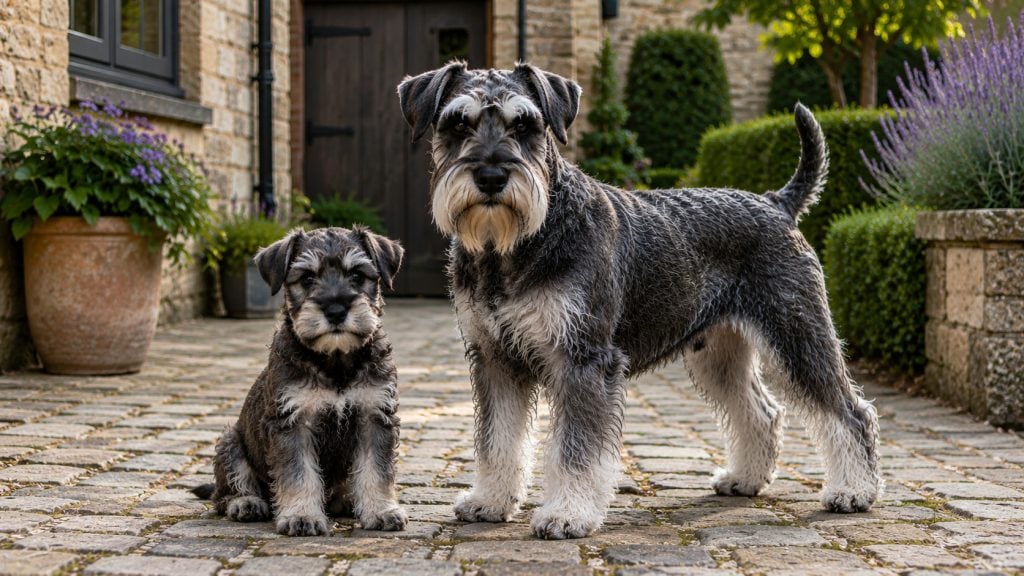
Living with a Standard Schnauzer often means sharing your space with a dog that is both spirited and attentive. Their keen expression and distinct beard give them a wise appearance, but it's their alertness and willingness to engage that truly stand out. Many owners find that these dogs are eager to participate in family activities, whether it's a brisk walk or a relaxed evening at home.
At a glance
Core care
- Size: Medium
- Energy: Moderate to high
- Grooming: Low
- Shedding: Low
Support style
- Sensitivity: Moderate
- Training style: Willing
Breed guide
Choose a section to explore. These notes describe common patterns, but individual dogs vary widely.
The Standard Schnauzer has roots as a versatile working dog, originally bred in Germany for tasks like guarding and ratting. This history of being a diligent and adaptable worker is still evident in their behaviour today. Many owners notice that their Schnauzer is both watchful and ready to spring into action, a nod to their past roles. This breed’s innate alertness and protective instincts make them natural watchdogs, often quick to alert their families to new developments.
Physically, the Standard Schnauzer is a medium-sized dog with a robust, square build that hints at their working heritage. Their wiry coat, distinct beard, and bushy eyebrows give them a unique look that many find endearing. In daily life, this sturdy build allows them to enjoy a range of activities, from hiking to agility courses. Despite their rugged appearance, they are quite agile and can keep up with an active lifestyle.
In terms of temperament, Standard Schnauzers are known for their spirited and intelligent nature. Many owners observe a dog that is both independent and affectionate, often forming strong bonds with their families. While they are generally good-natured, they can be somewhat reserved with strangers, a trait that reflects their protective instincts. Within the breed, there is some variation, with individual dogs displaying different levels of energy and sociability.
It’s important for potential owners to have realistic expectations about living with a Standard Schnauzer. While they are generally adaptable, they do require regular mental and physical stimulation to thrive. Each dog is an individual, and factors like genetics, upbringing, and environment will influence their personality and behaviour. Understanding these nuances can help ensure a harmonious relationship with this engaging breed.
Standard Schnauzers are often described as having a lively and engaging social nature. Many owners notice that their Schnauzer is quick to join in on family activities, displaying a keen interest in their surroundings. This social inclination is likely rooted in their history as versatile working dogs, where being attuned to their environment was crucial. Their alertness often translates into a dog that is eager to interact and participate in daily life.
The breed’s moderate sensitivity means they are generally responsive to their owner’s moods and commands. This can be a double-edged sword, as they may pick up on stress or tension in the household. However, their willingness to please makes them relatively easy to train, especially when positive reinforcement techniques are used. Owners often find that a consistent and patient approach works best, allowing the Schnauzer to understand and respond to expectations.
Standard Schnauzers are known for their protective instincts, which can sometimes manifest as wariness towards strangers. While this makes them excellent watchdogs, it also means they benefit from early socialisation to ensure they are well-adjusted and confident in various situations. Many owners find that exposing their Schnauzer to different people, places, and experiences helps them develop a balanced temperament.
Living with a Standard Schnauzer means embracing their spirited nature. They thrive in environments where they can be active participants, whether through play, training, or simply being involved in family routines. While they are generally adaptable, individual dogs will vary in their energy levels and social preferences. Understanding and respecting these individual differences is key to fostering a positive relationship with this dynamic breed.
A typical day for a Standard Schnauzer often involves a mix of physical activity and mental stimulation. With their moderate to high energy levels, they generally enjoy a couple of brisk walks or play sessions each day. Many owners find that activities like fetch, agility, or even a jog can help channel their Schnauzer’s energy effectively. These dogs tend to appreciate a routine that includes both structured exercise and opportunities for free play.
Beyond physical exercise, mental enrichment is crucial for keeping a Standard Schnauzer content. Puzzle toys, obedience training, and interactive games can provide the mental challenges they often crave. Owners frequently notice that their Schnauzer is happiest when they have a job to do, whether it’s learning new tricks or participating in canine sports. This mental engagement can help prevent boredom, which can sometimes lead to unwanted behaviours.
As with many breeds, the exercise needs of a Standard Schnauzer can vary with age. Puppies and young adults typically have higher energy levels and may require more frequent activity to keep them satisfied. As they mature, their energy levels may taper slightly, but they will still benefit from regular exercise and mental challenges. Tailoring activities to their life stage can help ensure they remain healthy and happy.
While they are generally adaptable, it’s important to avoid over-exercising young Schnauzers, as their growing bodies need time to develop properly. Similarly, older dogs may need a gentler approach to exercise, with activities adjusted to suit their capabilities. By paying attention to their individual needs and preferences, owners can create a balanced routine that supports their Schnauzer’s wellbeing throughout their life.
Training a Standard Schnauzer often feels like working with a dog that is both intelligent and eager to learn. Many owners find that their Schnauzer responds well to training sessions that are engaging and varied, as their curious nature thrives on new challenges. Positive reinforcement techniques, such as treats and praise, tend to be particularly effective with this breed, encouraging them to repeat desired behaviours.
Impulse control can sometimes be a challenge with a spirited breed like the Schnauzer. It’s not uncommon for them to become excited or distracted, especially in stimulating environments. Consistent training and clear boundaries can help them learn to manage their impulses. Many owners find that regular practice of basic commands, like ‘sit’ and ‘stay’, can reinforce good behaviour and improve their Schnauzer’s focus.
Adolescence can be a particularly testing time for Schnauzer owners, as their dogs may become more independent and test boundaries. Patience and consistency are key during this stage, as is maintaining a strong relationship based on trust and mutual respect. Enrolling in a training class can provide valuable support and guidance, helping both dog and owner navigate this challenging period.
Ultimately, training a Standard Schnauzer is about building a positive and cooperative relationship. By understanding their individual needs and motivations, owners can tailor their approach to suit their Schnauzer’s personality. This breed’s willingness to learn and engage makes them rewarding companions for those who invest the time and effort into their training.
Standard Schnauzers tend to thrive in homes where they can be active participants in daily life. They often do well in environments where they have access to both indoor and outdoor spaces, allowing them to engage in various activities. Many owners find that a home with a secure garden is ideal, providing their Schnauzer with a safe area to explore and play.
This breed’s adaptable nature means they can fit into a range of living situations, from city apartments to rural homes, as long as their exercise and social needs are met. They can be quite content in smaller spaces if they receive ample mental and physical stimulation. Owners who are committed to regular walks and interactive playtime often find their Schnauzer to be a happy and well-adjusted companion.
Living with children and other pets is generally positive for Standard Schnauzers, provided they are properly socialised from a young age. Many families find that their Schnauzer is a playful and protective addition, enjoying the company of children and getting along with other animals. However, it’s important to supervise interactions, especially with younger children, to ensure that play remains safe and respectful for all involved.
Ultimately, the Standard Schnauzer is a versatile breed that can adapt to various lifestyles, as long as their needs for companionship and activity are met. Prospective owners should consider their ability to provide the time and energy required to keep a Schnauzer engaged and content. By understanding and accommodating their Schnauzer’s individual personality and preferences, owners can create a harmonious living environment for this spirited breed.
The health of a Standard Schnauzer is closely tied to their overall wellbeing and quality of life. Regular veterinary check-ups are important to monitor their health and catch any potential issues early. Many owners find that a proactive approach to healthcare, including vaccinations and parasite prevention, helps keep their Schnauzer in top condition.
Some health considerations for Standard Schnauzers include hip dysplasia and certain eye conditions, which can affect their comfort and mobility. Regular exercise and a balanced diet can support joint health and overall vitality. Owners often notice that maintaining a healthy weight helps their Schnauzer stay active and reduces the risk of health problems.
Preventive care is key to supporting a Schnauzer’s health. This includes regular grooming to check for skin issues, dental care to prevent periodontal disease, and monitoring for any changes in behaviour or appetite. Many owners find that being attentive to their Schnauzer’s needs and consulting with their vet as needed helps address health concerns promptly.
Understanding the health needs of a Standard Schnauzer can help owners provide the best care for their dog. While no breed is without health risks, being informed and prepared can make a significant difference in their Schnauzer’s wellbeing. By fostering a strong relationship with their vet and staying vigilant about their dog’s health, owners can help ensure a long and healthy life for their beloved companion.
The Standard Schnauzer’s origins trace back to Germany, where they were developed as versatile working dogs. Initially bred for tasks such as guarding property and controlling vermin, they were valued for their intelligence and adaptability. This working heritage is still evident in their alert and watchful nature, traits that make them excellent companions and guardians today.
Throughout history, the Standard Schnauzer has been appreciated for their robust build and distinctive appearance. Their wiry coat and expressive features have made them a popular choice for those seeking a dog with both character and charm. As the breed developed, they were refined to enhance their working abilities, resulting in a dog that is both capable and reliable.
The breed’s versatility has allowed them to adapt to various roles over the years, from farm dog to family pet. Their keen intelligence and willingness to learn have made them suitable for a range of activities, including obedience, agility, and even therapy work. Many owners find that their Schnauzer’s history as a working dog is reflected in their eagerness to engage and participate in family life.
Today, the Standard Schnauzer is cherished for their spirited personality and loyal nature. Their history as a working breed continues to influence their behaviour, with many Schnauzers displaying a strong desire to be involved in their owner’s activities. Understanding their origins can provide valuable insight into their needs and motivations, helping owners appreciate the unique qualities that make the Standard Schnauzer such a beloved breed.
What shapes individual dogs
- Early social experiences
- Training approach
- Environment & routine
- Genetics & breeding
- Health & pain
- Age / life stage
The Standard Schnauzer has roots as a versatile working dog, originally bred in Germany for tasks like guarding and ratting. This history of being a diligent and adaptable worker is still evident in their behaviour today. Many owners notice that their Schnauzer is both watchful and ready to spring into action, a nod to their past roles. This breed’s innate alertness and protective instincts make them natural watchdogs, often quick to alert their families to new developments.
Physically, the Standard Schnauzer is a medium-sized dog with a robust, square build that hints at their working heritage. Their wiry coat, distinct beard, and bushy eyebrows give them a unique look that many find endearing. In daily life, this sturdy build allows them to enjoy a range of activities, from hiking to agility courses. Despite their rugged appearance, they are quite agile and can keep up with an active lifestyle.
In terms of temperament, Standard Schnauzers are known for their spirited and intelligent nature. Many owners observe a dog that is both independent and affectionate, often forming strong bonds with their families. While they are generally good-natured, they can be somewhat reserved with strangers, a trait that reflects their protective instincts. Within the breed, there is some variation, with individual dogs displaying different levels of energy and sociability.
It’s important for potential owners to have realistic expectations about living with a Standard Schnauzer. While they are generally adaptable, they do require regular mental and physical stimulation to thrive. Each dog is an individual, and factors like genetics, upbringing, and environment will influence their personality and behaviour. Understanding these nuances can help ensure a harmonious relationship with this engaging breed.
Standard Schnauzers are often described as having a lively and engaging social nature. Many owners notice that their Schnauzer is quick to join in on family activities, displaying a keen interest in their surroundings. This social inclination is likely rooted in their history as versatile working dogs, where being attuned to their environment was crucial. Their alertness often translates into a dog that is eager to interact and participate in daily life.
The breed’s moderate sensitivity means they are generally responsive to their owner’s moods and commands. This can be a double-edged sword, as they may pick up on stress or tension in the household. However, their willingness to please makes them relatively easy to train, especially when positive reinforcement techniques are used. Owners often find that a consistent and patient approach works best, allowing the Schnauzer to understand and respond to expectations.
Standard Schnauzers are known for their protective instincts, which can sometimes manifest as wariness towards strangers. While this makes them excellent watchdogs, it also means they benefit from early socialisation to ensure they are well-adjusted and confident in various situations. Many owners find that exposing their Schnauzer to different people, places, and experiences helps them develop a balanced temperament.
Living with a Standard Schnauzer means embracing their spirited nature. They thrive in environments where they can be active participants, whether through play, training, or simply being involved in family routines. While they are generally adaptable, individual dogs will vary in their energy levels and social preferences. Understanding and respecting these individual differences is key to fostering a positive relationship with this dynamic breed.
A typical day for a Standard Schnauzer often involves a mix of physical activity and mental stimulation. With their moderate to high energy levels, they generally enjoy a couple of brisk walks or play sessions each day. Many owners find that activities like fetch, agility, or even a jog can help channel their Schnauzer’s energy effectively. These dogs tend to appreciate a routine that includes both structured exercise and opportunities for free play.
Beyond physical exercise, mental enrichment is crucial for keeping a Standard Schnauzer content. Puzzle toys, obedience training, and interactive games can provide the mental challenges they often crave. Owners frequently notice that their Schnauzer is happiest when they have a job to do, whether it’s learning new tricks or participating in canine sports. This mental engagement can help prevent boredom, which can sometimes lead to unwanted behaviours.
As with many breeds, the exercise needs of a Standard Schnauzer can vary with age. Puppies and young adults typically have higher energy levels and may require more frequent activity to keep them satisfied. As they mature, their energy levels may taper slightly, but they will still benefit from regular exercise and mental challenges. Tailoring activities to their life stage can help ensure they remain healthy and happy.
While they are generally adaptable, it’s important to avoid over-exercising young Schnauzers, as their growing bodies need time to develop properly. Similarly, older dogs may need a gentler approach to exercise, with activities adjusted to suit their capabilities. By paying attention to their individual needs and preferences, owners can create a balanced routine that supports their Schnauzer’s wellbeing throughout their life.
Training a Standard Schnauzer often feels like working with a dog that is both intelligent and eager to learn. Many owners find that their Schnauzer responds well to training sessions that are engaging and varied, as their curious nature thrives on new challenges. Positive reinforcement techniques, such as treats and praise, tend to be particularly effective with this breed, encouraging them to repeat desired behaviours.
Impulse control can sometimes be a challenge with a spirited breed like the Schnauzer. It’s not uncommon for them to become excited or distracted, especially in stimulating environments. Consistent training and clear boundaries can help them learn to manage their impulses. Many owners find that regular practice of basic commands, like ‘sit’ and ‘stay’, can reinforce good behaviour and improve their Schnauzer’s focus.
Adolescence can be a particularly testing time for Schnauzer owners, as their dogs may become more independent and test boundaries. Patience and consistency are key during this stage, as is maintaining a strong relationship based on trust and mutual respect. Enrolling in a training class can provide valuable support and guidance, helping both dog and owner navigate this challenging period.
Ultimately, training a Standard Schnauzer is about building a positive and cooperative relationship. By understanding their individual needs and motivations, owners can tailor their approach to suit their Schnauzer’s personality. This breed’s willingness to learn and engage makes them rewarding companions for those who invest the time and effort into their training.
Standard Schnauzers tend to thrive in homes where they can be active participants in daily life. They often do well in environments where they have access to both indoor and outdoor spaces, allowing them to engage in various activities. Many owners find that a home with a secure garden is ideal, providing their Schnauzer with a safe area to explore and play.
This breed’s adaptable nature means they can fit into a range of living situations, from city apartments to rural homes, as long as their exercise and social needs are met. They can be quite content in smaller spaces if they receive ample mental and physical stimulation. Owners who are committed to regular walks and interactive playtime often find their Schnauzer to be a happy and well-adjusted companion.
Living with children and other pets is generally positive for Standard Schnauzers, provided they are properly socialised from a young age. Many families find that their Schnauzer is a playful and protective addition, enjoying the company of children and getting along with other animals. However, it’s important to supervise interactions, especially with younger children, to ensure that play remains safe and respectful for all involved.
Ultimately, the Standard Schnauzer is a versatile breed that can adapt to various lifestyles, as long as their needs for companionship and activity are met. Prospective owners should consider their ability to provide the time and energy required to keep a Schnauzer engaged and content. By understanding and accommodating their Schnauzer’s individual personality and preferences, owners can create a harmonious living environment for this spirited breed.
The health of a Standard Schnauzer is closely tied to their overall wellbeing and quality of life. Regular veterinary check-ups are important to monitor their health and catch any potential issues early. Many owners find that a proactive approach to healthcare, including vaccinations and parasite prevention, helps keep their Schnauzer in top condition.
Some health considerations for Standard Schnauzers include hip dysplasia and certain eye conditions, which can affect their comfort and mobility. Regular exercise and a balanced diet can support joint health and overall vitality. Owners often notice that maintaining a healthy weight helps their Schnauzer stay active and reduces the risk of health problems.
Preventive care is key to supporting a Schnauzer’s health. This includes regular grooming to check for skin issues, dental care to prevent periodontal disease, and monitoring for any changes in behaviour or appetite. Many owners find that being attentive to their Schnauzer’s needs and consulting with their vet as needed helps address health concerns promptly.
Understanding the health needs of a Standard Schnauzer can help owners provide the best care for their dog. While no breed is without health risks, being informed and prepared can make a significant difference in their Schnauzer’s wellbeing. By fostering a strong relationship with their vet and staying vigilant about their dog’s health, owners can help ensure a long and healthy life for their beloved companion.
The Standard Schnauzer’s origins trace back to Germany, where they were developed as versatile working dogs. Initially bred for tasks such as guarding property and controlling vermin, they were valued for their intelligence and adaptability. This working heritage is still evident in their alert and watchful nature, traits that make them excellent companions and guardians today.
Throughout history, the Standard Schnauzer has been appreciated for their robust build and distinctive appearance. Their wiry coat and expressive features have made them a popular choice for those seeking a dog with both character and charm. As the breed developed, they were refined to enhance their working abilities, resulting in a dog that is both capable and reliable.
The breed’s versatility has allowed them to adapt to various roles over the years, from farm dog to family pet. Their keen intelligence and willingness to learn have made them suitable for a range of activities, including obedience, agility, and even therapy work. Many owners find that their Schnauzer’s history as a working dog is reflected in their eagerness to engage and participate in family life.
Today, the Standard Schnauzer is cherished for their spirited personality and loyal nature. Their history as a working breed continues to influence their behaviour, with many Schnauzers displaying a strong desire to be involved in their owner’s activities. Understanding their origins can provide valuable insight into their needs and motivations, helping owners appreciate the unique qualities that make the Standard Schnauzer such a beloved breed.
What shapes individual dogs
- Early social experiences
- Training approach
- Environment & routine
- Genetics & breeding
- Health & pain
- Age / life stage
Want support with this?
This course offers valuable insights into the Standard Schnauzer's complex temperament and social nature, helping owners build a deeper understanding of their dog's behaviour.