
Pug
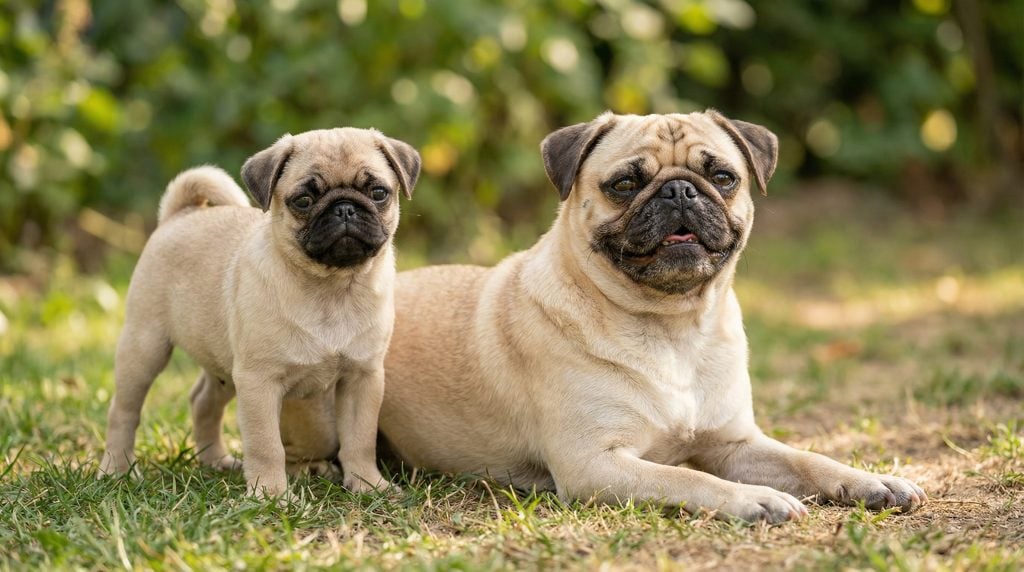
Living with a Pug often feels like having a little shadow that follows you around with unwavering devotion. Their expressive faces and charming personalities make them delightful companions, always ready to share in the day's activities or simply snuggle up for a nap. Despite their small size, Pugs have a big presence in the home, often bringing joy and laughter to their families.
At a glance
Core care
- Size: Small
- Energy: Moderate
- Grooming: Low
- Shedding: Moderate
Support style
- Sensitivity: High
- Training style: Moderate
Breed guide
Choose a section to explore. These notes describe common patterns, but individual dogs vary widely.
Pugs are widely recognised for their sociable nature and their tendency to stay close to the people they live with. Many owners notice how naturally these dogs settle into household routines, often choosing to rest nearby while family members go about their day. Their attentive and companionable behaviour reflects centuries of breeding as dogs meant to live closely alongside people.
Physically, Pugs are compact and sturdy, with a distinctive wrinkled face and curled tail. Their small size makes them well-suited for apartment living, but they are also robust enough to enjoy outdoor play. Owners often notice their Pug’s charming expressions, thanks to their large, round eyes and expressive faces. Despite their small stature, Pugs carry themselves with a dignified air, often appearing more regal than their size might suggest.
In terms of temperament, Pugs are known for their even-tempered and playful nature. They tend to be sociable with both people and other animals, making them a good fit for households with children or other pets. However, their sensitivity means they may not respond well to harsh training methods. Instead, positive reinforcement and gentle guidance are often more effective in helping them learn.
When considering a Pug, it’s important to remember that while they share common traits, each dog is unique. Factors such as genetics, socialisation, and environment play significant roles in shaping their behaviour. Prospective owners should be prepared for a dog that thrives on attention and companionship, with individual personalities varying from one dog to another.
Pugs are often described as having a social and loving nature, which is evident in their desire to be near their human companions. This breed tends to form strong bonds with their families, often following their owners from room to room. Their social motivations are deeply rooted in their history as companion animals, and this is reflected in their day-to-day behaviour.
Owners often notice that Pugs are quite sensitive to their environment and the emotions of those around them. This sensitivity means they can be quite intuitive, often responding to the mood of their household. While they are generally good-natured, a Pug’s sensitivity means they may not cope well with loud noises or chaotic environments. They thrive in calm, loving homes where they can feel secure and included.
Training a Pug can sometimes be a test of patience due to their moderate trainability. While they are eager to please, their independent streak can make them a bit stubborn at times. Positive reinforcement and consistency are key in training, as Pugs respond well to praise and treats. Despite their occasional stubbornness, many owners find that their Pug’s willingness to learn and bond with them makes training a rewarding experience.
It’s important to remember that while Pugs share many common traits, individual dogs can vary significantly. Some may be more outgoing and playful, while others might be more reserved and relaxed. Understanding and appreciating these individual differences is crucial for fostering a strong relationship with a Pug. As with any breed, early socialisation and a nurturing environment are essential in helping them develop into well-rounded companions.
A typical day for a Pug includes moderate exercise, which is essential to keep them healthy and happy. While they are not high-energy dogs, they do enjoy daily walks and playtime. A couple of short walks each day, combined with some indoor play, usually suffices to meet their exercise needs. It’s important to monitor their activity in hot weather, as their brachycephalic nature makes them prone to overheating.
Mental enrichment is equally important for Pugs, as they are intelligent and curious by nature. Puzzle toys, interactive games, and training sessions can provide the mental stimulation they need. These activities not only keep their minds sharp but also help strengthen the bond between the Pug and their owner. Many Pugs enjoy learning new tricks, which can be a fun way to engage their minds.
As Pugs age, their exercise needs may change. Older Pugs might require shorter, more frequent walks to accommodate their changing energy levels and any health issues that may arise. It’s crucial to adapt their routine to their individual needs, ensuring they remain active without overexerting themselves. Regular vet check-ups can help monitor their health and adjust their exercise regimen accordingly.
Owners should avoid over-exercising Pugs, particularly in extreme weather conditions. Their short noses can make breathing difficult, especially in heat or humidity. Providing a cool, comfortable environment and ensuring they have access to water at all times is important. By balancing physical activity with mental enrichment, Pugs can lead a fulfilling and healthy life.
Training a Pug often feels like a dance between patience and persistence. Their moderate trainability means they can learn commands and tricks, but their independent streak might require a bit more encouragement. Owners frequently find that Pugs respond best to positive reinforcement techniques, such as treats and praise, which tap into their desire to please and be rewarded.
Impulse control can be a challenge for Pugs, especially during their adolescent phase. Consistency and routine are crucial during this time, as they help the Pug understand expectations and boundaries. Short, frequent training sessions tend to be more effective than long, drawn-out ones, keeping the Pug engaged without overwhelming them. Patience is key, as each Pug will progress at their own pace.
Building a strong relationship with a Pug is essential for successful training. They thrive on attention and affection, and a trusting bond can make a significant difference in their responsiveness. Owners often notice that their Pug is more eager to learn when they feel secure and loved. Establishing a routine that includes regular training, play, and relaxation time can help strengthen this bond.
For first-time Pug owners, enrolling in a basic obedience class can be beneficial. These classes provide structure and guidance, helping both the dog and owner learn effective communication techniques. It’s important to remember that while Pugs may have common training tendencies, each dog is unique. Tailoring training methods to suit the individual Pug’s personality and needs can lead to a more harmonious and enjoyable experience.
Pugs tend to fit well into a variety of living environments, from bustling city apartments to quieter suburban homes. Their small size and moderate energy levels make them adaptable to different lifestyles, but they thrive in homes where they can be close to their human companions. Many owners find that Pugs are happiest when they are included in family activities and routines.
This breed’s sociable nature means they often get along well with children and other pets. Their playful and gentle disposition makes them a good match for families, although supervision is always recommended when they are around young children. Pugs can be quite tolerant, but teaching children how to interact respectfully with them is important for a harmonious relationship.
Pugs are known for being quite adaptable, but they do best in homes where they are not left alone for long periods. Their strong desire for companionship means they can become anxious or bored if left to their own devices too often. Prospective owners should consider their ability to provide the time and attention a Pug needs to thrive.
Ultimately, the best home for a Pug is one where they are loved and included as a member of the family. While they have common traits, each Pug is an individual with their own personality and needs. Understanding and accommodating these differences can lead to a rewarding and fulfilling relationship with this charming breed.
The health of a Pug is closely tied to their everyday wellbeing, influencing how they interact with their environment and family. Pugs are prone to certain health issues, such as brachycephalic obstructive airway syndrome, which can affect their breathing. Owners often need to be mindful of their Pug’s breathing, especially during exercise or in hot weather, to ensure they remain comfortable and safe.
Regular veterinary check-ups are crucial for Pugs, as early detection of health issues can lead to more effective management. Common concerns include eye problems, skin conditions, and joint issues. Keeping up with vaccinations, dental care, and parasite prevention is essential for maintaining their overall health. Many Pug owners find that a proactive approach to health care helps their dogs lead longer, healthier lives.
Diet and exercise play significant roles in a Pug’s health. Maintaining a healthy weight is important, as obesity can exacerbate respiratory and joint problems. A balanced diet, portion control, and regular exercise tailored to their needs can help keep a Pug in good shape. Owners should work with their vet to develop a diet and exercise plan that suits their individual Pug.
Being aware of the signs of potential health issues, such as changes in behaviour, appetite, or energy levels, can help owners seek veterinary advice promptly. While Pugs may have common health tendencies, each dog is unique, and their health needs can vary. By staying informed and attentive, owners can help ensure their Pug enjoys a happy and healthy life.
The Pug’s history is a fascinating journey that begins in ancient China, where they were bred as companions for royalty. These small, affectionate dogs were highly prized for their companionship, often living in luxury and enjoying the company of emperors. Their presence in the imperial court helped shape their sociable and loving nature, traits that are still evident in Pugs today.
As trade routes expanded, Pugs made their way to Europe, where they quickly captured the hearts of the aristocracy. In the Netherlands, they became the official dog of the House of Orange after a Pug reportedly saved the life of Prince William by alerting him to approaching assassins. This story illustrates the breed’s alertness and loyalty, qualities that have endeared them to many.
Over time, Pugs spread across Europe, gaining popularity in England and France. Their distinct appearance, with a wrinkled face and curled tail, made them a favourite among artists and royals alike. The breed’s development in Europe focused on maintaining their charming looks and friendly disposition, traits that continue to define them.
Today, Pugs are beloved worldwide for their affectionate nature and unique appearance. Their history as companion animals is reflected in their love of human company and their ability to adapt to various living situations. Understanding their origins helps explain why Pugs are such devoted and engaging pets, bringing joy and companionship to countless families.
What shapes individual dogs
- Early social experiences
- Training approach
- Environment & routine
- Genetics & breeding
- Health & pain
- Age / life stage
Pugs are widely recognised for their sociable nature and their tendency to stay close to the people they live with. Many owners notice how naturally these dogs settle into household routines, often choosing to rest nearby while family members go about their day. Their attentive and companionable behaviour reflects centuries of breeding as dogs meant to live closely alongside people.
Physically, Pugs are compact and sturdy, with a distinctive wrinkled face and curled tail. Their small size makes them well-suited for apartment living, but they are also robust enough to enjoy outdoor play. Owners often notice their Pug’s charming expressions, thanks to their large, round eyes and expressive faces. Despite their small stature, Pugs carry themselves with a dignified air, often appearing more regal than their size might suggest.
In terms of temperament, Pugs are known for their even-tempered and playful nature. They tend to be sociable with both people and other animals, making them a good fit for households with children or other pets. However, their sensitivity means they may not respond well to harsh training methods. Instead, positive reinforcement and gentle guidance are often more effective in helping them learn.
When considering a Pug, it’s important to remember that while they share common traits, each dog is unique. Factors such as genetics, socialisation, and environment play significant roles in shaping their behaviour. Prospective owners should be prepared for a dog that thrives on attention and companionship, with individual personalities varying from one dog to another.
Pugs are often described as having a social and loving nature, which is evident in their desire to be near their human companions. This breed tends to form strong bonds with their families, often following their owners from room to room. Their social motivations are deeply rooted in their history as companion animals, and this is reflected in their day-to-day behaviour.
Owners often notice that Pugs are quite sensitive to their environment and the emotions of those around them. This sensitivity means they can be quite intuitive, often responding to the mood of their household. While they are generally good-natured, a Pug’s sensitivity means they may not cope well with loud noises or chaotic environments. They thrive in calm, loving homes where they can feel secure and included.
Training a Pug can sometimes be a test of patience due to their moderate trainability. While they are eager to please, their independent streak can make them a bit stubborn at times. Positive reinforcement and consistency are key in training, as Pugs respond well to praise and treats. Despite their occasional stubbornness, many owners find that their Pug’s willingness to learn and bond with them makes training a rewarding experience.
It’s important to remember that while Pugs share many common traits, individual dogs can vary significantly. Some may be more outgoing and playful, while others might be more reserved and relaxed. Understanding and appreciating these individual differences is crucial for fostering a strong relationship with a Pug. As with any breed, early socialisation and a nurturing environment are essential in helping them develop into well-rounded companions.
A typical day for a Pug includes moderate exercise, which is essential to keep them healthy and happy. While they are not high-energy dogs, they do enjoy daily walks and playtime. A couple of short walks each day, combined with some indoor play, usually suffices to meet their exercise needs. It’s important to monitor their activity in hot weather, as their brachycephalic nature makes them prone to overheating.
Mental enrichment is equally important for Pugs, as they are intelligent and curious by nature. Puzzle toys, interactive games, and training sessions can provide the mental stimulation they need. These activities not only keep their minds sharp but also help strengthen the bond between the Pug and their owner. Many Pugs enjoy learning new tricks, which can be a fun way to engage their minds.
As Pugs age, their exercise needs may change. Older Pugs might require shorter, more frequent walks to accommodate their changing energy levels and any health issues that may arise. It’s crucial to adapt their routine to their individual needs, ensuring they remain active without overexerting themselves. Regular vet check-ups can help monitor their health and adjust their exercise regimen accordingly.
Owners should avoid over-exercising Pugs, particularly in extreme weather conditions. Their short noses can make breathing difficult, especially in heat or humidity. Providing a cool, comfortable environment and ensuring they have access to water at all times is important. By balancing physical activity with mental enrichment, Pugs can lead a fulfilling and healthy life.
Training a Pug often feels like a dance between patience and persistence. Their moderate trainability means they can learn commands and tricks, but their independent streak might require a bit more encouragement. Owners frequently find that Pugs respond best to positive reinforcement techniques, such as treats and praise, which tap into their desire to please and be rewarded.
Impulse control can be a challenge for Pugs, especially during their adolescent phase. Consistency and routine are crucial during this time, as they help the Pug understand expectations and boundaries. Short, frequent training sessions tend to be more effective than long, drawn-out ones, keeping the Pug engaged without overwhelming them. Patience is key, as each Pug will progress at their own pace.
Building a strong relationship with a Pug is essential for successful training. They thrive on attention and affection, and a trusting bond can make a significant difference in their responsiveness. Owners often notice that their Pug is more eager to learn when they feel secure and loved. Establishing a routine that includes regular training, play, and relaxation time can help strengthen this bond.
For first-time Pug owners, enrolling in a basic obedience class can be beneficial. These classes provide structure and guidance, helping both the dog and owner learn effective communication techniques. It’s important to remember that while Pugs may have common training tendencies, each dog is unique. Tailoring training methods to suit the individual Pug’s personality and needs can lead to a more harmonious and enjoyable experience.
Pugs tend to fit well into a variety of living environments, from bustling city apartments to quieter suburban homes. Their small size and moderate energy levels make them adaptable to different lifestyles, but they thrive in homes where they can be close to their human companions. Many owners find that Pugs are happiest when they are included in family activities and routines.
This breed’s sociable nature means they often get along well with children and other pets. Their playful and gentle disposition makes them a good match for families, although supervision is always recommended when they are around young children. Pugs can be quite tolerant, but teaching children how to interact respectfully with them is important for a harmonious relationship.
Pugs are known for being quite adaptable, but they do best in homes where they are not left alone for long periods. Their strong desire for companionship means they can become anxious or bored if left to their own devices too often. Prospective owners should consider their ability to provide the time and attention a Pug needs to thrive.
Ultimately, the best home for a Pug is one where they are loved and included as a member of the family. While they have common traits, each Pug is an individual with their own personality and needs. Understanding and accommodating these differences can lead to a rewarding and fulfilling relationship with this charming breed.
The health of a Pug is closely tied to their everyday wellbeing, influencing how they interact with their environment and family. Pugs are prone to certain health issues, such as brachycephalic obstructive airway syndrome, which can affect their breathing. Owners often need to be mindful of their Pug’s breathing, especially during exercise or in hot weather, to ensure they remain comfortable and safe.
Regular veterinary check-ups are crucial for Pugs, as early detection of health issues can lead to more effective management. Common concerns include eye problems, skin conditions, and joint issues. Keeping up with vaccinations, dental care, and parasite prevention is essential for maintaining their overall health. Many Pug owners find that a proactive approach to health care helps their dogs lead longer, healthier lives.
Diet and exercise play significant roles in a Pug’s health. Maintaining a healthy weight is important, as obesity can exacerbate respiratory and joint problems. A balanced diet, portion control, and regular exercise tailored to their needs can help keep a Pug in good shape. Owners should work with their vet to develop a diet and exercise plan that suits their individual Pug.
Being aware of the signs of potential health issues, such as changes in behaviour, appetite, or energy levels, can help owners seek veterinary advice promptly. While Pugs may have common health tendencies, each dog is unique, and their health needs can vary. By staying informed and attentive, owners can help ensure their Pug enjoys a happy and healthy life.
The Pug’s history is a fascinating journey that begins in ancient China, where they were bred as companions for royalty. These small, affectionate dogs were highly prized for their companionship, often living in luxury and enjoying the company of emperors. Their presence in the imperial court helped shape their sociable and loving nature, traits that are still evident in Pugs today.
As trade routes expanded, Pugs made their way to Europe, where they quickly captured the hearts of the aristocracy. In the Netherlands, they became the official dog of the House of Orange after a Pug reportedly saved the life of Prince William by alerting him to approaching assassins. This story illustrates the breed’s alertness and loyalty, qualities that have endeared them to many.
Over time, Pugs spread across Europe, gaining popularity in England and France. Their distinct appearance, with a wrinkled face and curled tail, made them a favourite among artists and royals alike. The breed’s development in Europe focused on maintaining their charming looks and friendly disposition, traits that continue to define them.
Today, Pugs are beloved worldwide for their affectionate nature and unique appearance. Their history as companion animals is reflected in their love of human company and their ability to adapt to various living situations. Understanding their origins helps explain why Pugs are such devoted and engaging pets, bringing joy and companionship to countless families.
What shapes individual dogs
- Early social experiences
- Training approach
- Environment & routine
- Genetics & breeding
- Health & pain
- Age / life stage
Want support with this?
This course is helpful for Pug owners to better understand their dog's social and sensitive nature, enhancing their bond and communication.