Chug
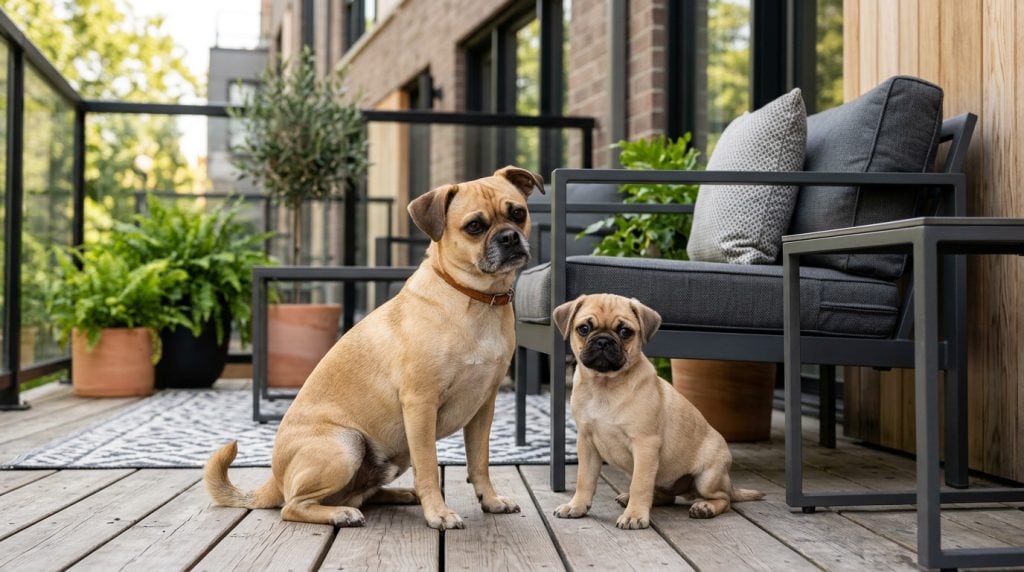
Living with a Chug can be a delightful experience. These small mixed breeds often bring a unique blend of charm and spunk to a household. Many owners find that their Chug is both affectionate and spirited, enjoying moments of play as much as quiet cuddles. Their presence is often felt as they follow family members around the house, eager to be part of the action.
At a glance
Core care
- Size: Small
- Energy: Moderate
- Grooming: Low
- Shedding: Moderate
Support style
- Sensitivity: Moderate
- Training style: Moderate
Breed guide
Choose a section to explore. These notes describe common patterns, but individual dogs vary widely.
The Chug, a cross between the Chihuahua and the Pug, carries a rich history of companionship and charm. Both parent breeds have been cherished for their roles as loyal companions, and this heritage continues to shine in the Chug. These dogs often embody the spirited nature of the Chihuahua and the affectionate demeanor of the Pug, making them engaging and loving pets.
Physically, Chugs are small and compact, often weighing between 10 to 20 pounds. Their size makes them well-suited for apartment living, where they can comfortably navigate smaller spaces. Owners often notice their expressive faces, a trait inherited from the Pug, which can convey a range of emotions from curiosity to contentment. Their small stature doesn’t limit their presence, as they often make their presence known with a lively personality.
Temperamentally, Chugs can be a mix of their parent breeds’ traits. They often display a playful and outgoing nature, with a tendency to form strong bonds with their families. However, they can also exhibit a stubborn streak, which can be both endearing and challenging. Owners frequently observe their Chug’s eagerness to interact with people and other pets, though individual personalities can vary significantly.
While Chugs typically embody a blend of their parent breeds’ characteristics, it’s important to remember that each dog is unique. Factors such as genetics, environment, and upbringing all play a role in shaping a Chug’s personality. Prospective owners should be prepared for a variety of traits and behaviours, ensuring they can provide the love and support each individual dog needs.
Chugs are often described as social butterflies, eager to interact with both people and other animals. This social nature stems from their Pug lineage, which is known for its friendly and outgoing personality. In everyday life, this means a Chug may greet guests with enthusiasm and show curiosity towards new experiences. Owners often notice their Chug’s desire to be involved in family activities, whether it’s a walk in the park or lounging on the couch.
Understanding a Chug’s behaviour often involves recognising their moderate sensitivity. While they can be quite resilient, they may also pick up on the emotions of those around them. This sensitivity can lead to a strong bond with their owners, as they often seek comfort and reassurance in familiar faces. However, it also means they can be affected by changes in their environment or routine, requiring a gentle and consistent approach.
Trainability in Chugs is generally moderate, reflecting a balance between the independent nature of the Chihuahua and the eager-to-please attitude of the Pug. Owners often find that positive reinforcement techniques work best, as these dogs respond well to praise and treats. Patience and consistency are key, especially when addressing any stubborn tendencies that may arise.
In daily life, Chugs can exhibit a range of behaviours, from playful antics to moments of calm companionship. While they often thrive in social settings, it’s important to remember that each Chug is an individual. Some may be more reserved, while others are outgoing and exuberant. Understanding and appreciating these differences can help owners foster a happy and harmonious relationship with their Chug.
A typical day for a Chug involves a mix of moderate exercise and mental stimulation. Despite their small size, they enjoy being active and benefit from daily walks or play sessions. A brisk walk around the neighbourhood or a game of fetch in the backyard can help burn off energy and keep them physically fit. Owners often find that these activities also provide an opportunity for social interaction, which Chugs typically enjoy.
In addition to physical exercise, mental enrichment is important for keeping a Chug engaged and happy. Puzzle toys, interactive games, and training sessions can help stimulate their minds and prevent boredom. Many owners notice that their Chug enjoys learning new tricks or commands, which can be a fun way to bond and provide mental challenges.
As Chugs age, their exercise needs may change. While puppies and young adults often have bursts of energy, older Chugs may prefer shorter, more leisurely walks. It’s important to tailor activities to their energy levels and physical capabilities, ensuring they remain comfortable and healthy throughout their lives.
Owners should also be mindful of the Chug’s tolerance for extreme temperatures, as their small size and short snouts can make them sensitive to heat and cold. Providing a comfortable environment and adjusting exercise routines accordingly can help ensure their wellbeing. By understanding and meeting their exercise and enrichment needs, owners can help their Chug lead a balanced and fulfilling life.
Training a Chug can often feel like a journey of discovery, as these dogs bring a mix of intelligence and independence to the table. Many owners find that training sessions are most successful when they incorporate positive reinforcement techniques. Chugs respond well to treats, praise, and play, making these methods effective for teaching new commands and reinforcing good behaviour.
Impulse control can be an area where Chugs require additional support, particularly during adolescence. This phase may bring about a surge in energy and a desire to explore boundaries. Consistency and patience are crucial during this time, as is maintaining a routine that includes regular training sessions. By setting clear expectations and rewarding positive behaviour, owners can help their Chug navigate this developmental stage.
Building a strong relationship with a Chug is essential for effective training. These dogs often thrive on the bond they share with their owners, which can be leveraged to encourage cooperation and focus. Many owners find that spending quality time together, both during and outside of training, helps strengthen this connection and fosters a sense of trust and mutual respect.
While Chugs can be eager learners, it’s important to remember that each dog is unique. Some may require more time and patience, while others pick up new skills quickly. By approaching training with a warm and encouraging attitude, owners can create a positive learning environment that supports their Chug’s individual needs and helps them reach their full potential.
Chugs often adapt well to a variety of living environments, making them a versatile choice for many households. Their small size and moderate energy levels mean they can thrive in both apartments and larger homes, provided they receive sufficient exercise and attention. Many owners find that their Chug is happiest when they have a comfortable space to call their own, along with access to family activities.
Families with children often find Chugs to be delightful companions, as they can be playful and affectionate. However, it’s important to supervise interactions with young children, as Chugs are small and can be sensitive to rough handling. Teaching children how to interact gently and respectfully with their Chug can help foster a positive relationship.
When it comes to other pets, Chugs can vary in their reactions. Some may get along well with other dogs and even cats, while others may prefer being the sole pet. Early socialisation and gradual introductions can help a Chug adjust to living with other animals, promoting harmony within the household.
Ultimately, the best fit for a Chug is a home where they are included as a valued family member. They often thrive in environments where they receive plenty of attention, affection, and opportunities for social interaction. By understanding their needs and providing a supportive and loving home, owners can create a fulfilling lifestyle for their Chug.
Health is a crucial aspect of a Chug’s overall wellbeing, influencing their behaviour and quality of life. While Chugs are generally healthy, they can be prone to certain health issues common in their parent breeds. Regular veterinary check-ups and preventive care play a vital role in maintaining their health and catching any potential issues early.
Some Chugs may experience respiratory issues due to their short snouts, a trait inherited from the Pug. Owners often notice snoring or heavy breathing, which can be managed with appropriate care and by avoiding strenuous activities in hot weather. Maintaining a healthy weight through proper diet and exercise also supports respiratory health.
Dental care is another important consideration for Chugs, as small breeds can be prone to dental issues. Regular brushing and professional cleanings help prevent tartar buildup and gum disease. Many owners find that incorporating dental care into their routine contributes to their Chug’s overall health and comfort.
By staying informed about potential health concerns and taking proactive measures, owners can help ensure their Chug lives a long and healthy life. Understanding the connection between health and behaviour also allows owners to provide the best possible care, addressing any issues that may arise with confidence and support.
The Chug is a relatively recent addition to the world of designer dogs, combining the characteristics of the Chihuahua and the Pug. Both parent breeds have long histories as beloved companion animals, each bringing unique traits to the mix. The Chihuahua, with its origins in Mexico, is known for its spirited personality and loyalty, while the Pug, with roots in ancient China, is celebrated for its affectionate and sociable nature.
This blend of histories has resulted in a dog that embodies the best of both worlds. Chugs often inherit the Chihuahua’s alertness and the Pug’s playful disposition, making them engaging and entertaining companions. Their development as a mixed breed highlights a desire for a small, adaptable dog that fits well into modern lifestyles.
The Chug’s history as a companion animal is evident in their behaviour today. Many owners notice their Chug’s desire to be close to their family, a trait that can be traced back to both parent breeds’ roles as loyal and loving pets. This connection to their historical roots helps explain why Chugs often form strong bonds with their owners and thrive in social settings.
Understanding the Chug’s origins provides valuable insight into their modern characteristics. By recognising the influences of both the Chihuahua and the Pug, owners can better appreciate the unique blend of traits that make the Chug a distinctive and charming breed. This historical perspective also helps inform the care and support they need to thrive in today’s world.
What shapes individual dogs
- Early social experiences
- Training approach
- Environment & routine
- Genetics & breeding
- Health & pain
- Age / life stage
The Chug, a cross between the Chihuahua and the Pug, carries a rich history of companionship and charm. Both parent breeds have been cherished for their roles as loyal companions, and this heritage continues to shine in the Chug. These dogs often embody the spirited nature of the Chihuahua and the affectionate demeanor of the Pug, making them engaging and loving pets.
Physically, Chugs are small and compact, often weighing between 10 to 20 pounds. Their size makes them well-suited for apartment living, where they can comfortably navigate smaller spaces. Owners often notice their expressive faces, a trait inherited from the Pug, which can convey a range of emotions from curiosity to contentment. Their small stature doesn’t limit their presence, as they often make their presence known with a lively personality.
Temperamentally, Chugs can be a mix of their parent breeds’ traits. They often display a playful and outgoing nature, with a tendency to form strong bonds with their families. However, they can also exhibit a stubborn streak, which can be both endearing and challenging. Owners frequently observe their Chug’s eagerness to interact with people and other pets, though individual personalities can vary significantly.
While Chugs typically embody a blend of their parent breeds’ characteristics, it’s important to remember that each dog is unique. Factors such as genetics, environment, and upbringing all play a role in shaping a Chug’s personality. Prospective owners should be prepared for a variety of traits and behaviours, ensuring they can provide the love and support each individual dog needs.
Chugs are often described as social butterflies, eager to interact with both people and other animals. This social nature stems from their Pug lineage, which is known for its friendly and outgoing personality. In everyday life, this means a Chug may greet guests with enthusiasm and show curiosity towards new experiences. Owners often notice their Chug’s desire to be involved in family activities, whether it’s a walk in the park or lounging on the couch.
Understanding a Chug’s behaviour often involves recognising their moderate sensitivity. While they can be quite resilient, they may also pick up on the emotions of those around them. This sensitivity can lead to a strong bond with their owners, as they often seek comfort and reassurance in familiar faces. However, it also means they can be affected by changes in their environment or routine, requiring a gentle and consistent approach.
Trainability in Chugs is generally moderate, reflecting a balance between the independent nature of the Chihuahua and the eager-to-please attitude of the Pug. Owners often find that positive reinforcement techniques work best, as these dogs respond well to praise and treats. Patience and consistency are key, especially when addressing any stubborn tendencies that may arise.
In daily life, Chugs can exhibit a range of behaviours, from playful antics to moments of calm companionship. While they often thrive in social settings, it’s important to remember that each Chug is an individual. Some may be more reserved, while others are outgoing and exuberant. Understanding and appreciating these differences can help owners foster a happy and harmonious relationship with their Chug.
A typical day for a Chug involves a mix of moderate exercise and mental stimulation. Despite their small size, they enjoy being active and benefit from daily walks or play sessions. A brisk walk around the neighbourhood or a game of fetch in the backyard can help burn off energy and keep them physically fit. Owners often find that these activities also provide an opportunity for social interaction, which Chugs typically enjoy.
In addition to physical exercise, mental enrichment is important for keeping a Chug engaged and happy. Puzzle toys, interactive games, and training sessions can help stimulate their minds and prevent boredom. Many owners notice that their Chug enjoys learning new tricks or commands, which can be a fun way to bond and provide mental challenges.
As Chugs age, their exercise needs may change. While puppies and young adults often have bursts of energy, older Chugs may prefer shorter, more leisurely walks. It’s important to tailor activities to their energy levels and physical capabilities, ensuring they remain comfortable and healthy throughout their lives.
Owners should also be mindful of the Chug’s tolerance for extreme temperatures, as their small size and short snouts can make them sensitive to heat and cold. Providing a comfortable environment and adjusting exercise routines accordingly can help ensure their wellbeing. By understanding and meeting their exercise and enrichment needs, owners can help their Chug lead a balanced and fulfilling life.
Training a Chug can often feel like a journey of discovery, as these dogs bring a mix of intelligence and independence to the table. Many owners find that training sessions are most successful when they incorporate positive reinforcement techniques. Chugs respond well to treats, praise, and play, making these methods effective for teaching new commands and reinforcing good behaviour.
Impulse control can be an area where Chugs require additional support, particularly during adolescence. This phase may bring about a surge in energy and a desire to explore boundaries. Consistency and patience are crucial during this time, as is maintaining a routine that includes regular training sessions. By setting clear expectations and rewarding positive behaviour, owners can help their Chug navigate this developmental stage.
Building a strong relationship with a Chug is essential for effective training. These dogs often thrive on the bond they share with their owners, which can be leveraged to encourage cooperation and focus. Many owners find that spending quality time together, both during and outside of training, helps strengthen this connection and fosters a sense of trust and mutual respect.
While Chugs can be eager learners, it’s important to remember that each dog is unique. Some may require more time and patience, while others pick up new skills quickly. By approaching training with a warm and encouraging attitude, owners can create a positive learning environment that supports their Chug’s individual needs and helps them reach their full potential.
Chugs often adapt well to a variety of living environments, making them a versatile choice for many households. Their small size and moderate energy levels mean they can thrive in both apartments and larger homes, provided they receive sufficient exercise and attention. Many owners find that their Chug is happiest when they have a comfortable space to call their own, along with access to family activities.
Families with children often find Chugs to be delightful companions, as they can be playful and affectionate. However, it’s important to supervise interactions with young children, as Chugs are small and can be sensitive to rough handling. Teaching children how to interact gently and respectfully with their Chug can help foster a positive relationship.
When it comes to other pets, Chugs can vary in their reactions. Some may get along well with other dogs and even cats, while others may prefer being the sole pet. Early socialisation and gradual introductions can help a Chug adjust to living with other animals, promoting harmony within the household.
Ultimately, the best fit for a Chug is a home where they are included as a valued family member. They often thrive in environments where they receive plenty of attention, affection, and opportunities for social interaction. By understanding their needs and providing a supportive and loving home, owners can create a fulfilling lifestyle for their Chug.
Health is a crucial aspect of a Chug’s overall wellbeing, influencing their behaviour and quality of life. While Chugs are generally healthy, they can be prone to certain health issues common in their parent breeds. Regular veterinary check-ups and preventive care play a vital role in maintaining their health and catching any potential issues early.
Some Chugs may experience respiratory issues due to their short snouts, a trait inherited from the Pug. Owners often notice snoring or heavy breathing, which can be managed with appropriate care and by avoiding strenuous activities in hot weather. Maintaining a healthy weight through proper diet and exercise also supports respiratory health.
Dental care is another important consideration for Chugs, as small breeds can be prone to dental issues. Regular brushing and professional cleanings help prevent tartar buildup and gum disease. Many owners find that incorporating dental care into their routine contributes to their Chug’s overall health and comfort.
By staying informed about potential health concerns and taking proactive measures, owners can help ensure their Chug lives a long and healthy life. Understanding the connection between health and behaviour also allows owners to provide the best possible care, addressing any issues that may arise with confidence and support.
The Chug is a relatively recent addition to the world of designer dogs, combining the characteristics of the Chihuahua and the Pug. Both parent breeds have long histories as beloved companion animals, each bringing unique traits to the mix. The Chihuahua, with its origins in Mexico, is known for its spirited personality and loyalty, while the Pug, with roots in ancient China, is celebrated for its affectionate and sociable nature.
This blend of histories has resulted in a dog that embodies the best of both worlds. Chugs often inherit the Chihuahua’s alertness and the Pug’s playful disposition, making them engaging and entertaining companions. Their development as a mixed breed highlights a desire for a small, adaptable dog that fits well into modern lifestyles.
The Chug’s history as a companion animal is evident in their behaviour today. Many owners notice their Chug’s desire to be close to their family, a trait that can be traced back to both parent breeds’ roles as loyal and loving pets. This connection to their historical roots helps explain why Chugs often form strong bonds with their owners and thrive in social settings.
Understanding the Chug’s origins provides valuable insight into their modern characteristics. By recognising the influences of both the Chihuahua and the Pug, owners can better appreciate the unique blend of traits that make the Chug a distinctive and charming breed. This historical perspective also helps inform the care and support they need to thrive in today’s world.
What shapes individual dogs
- Early social experiences
- Training approach
- Environment & routine
- Genetics & breeding
- Health & pain
- Age / life stage
Want support with this?
This course is perfect for Chug owners looking to navigate the unique challenges of raising a spirited and engaging companion.