
Pugapoo
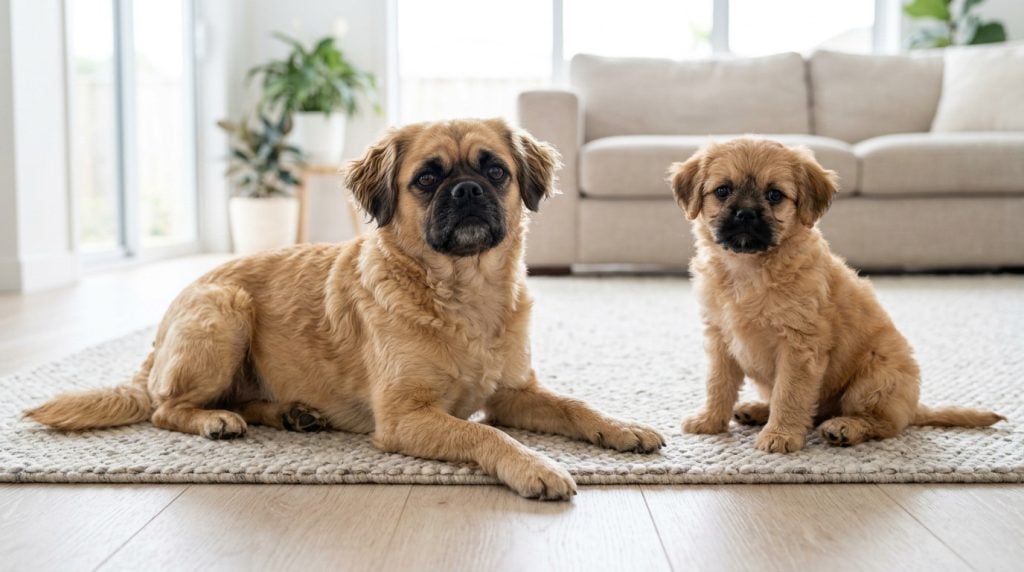
Living with a Pugapoo often feels like sharing your home with a small, cheerful companion who thrives on interaction. Their playful nature and affectionate disposition make them delightful housemates, and many owners appreciate their adaptability to different lifestyles. Pugapoos often bring a sense of joy and light-heartedness to everyday life, thanks to their charming blend of Pug and Poodle traits.
At a glance
Core care
- Size: Small
- Energy: Moderate
- Grooming: Low
- Shedding: Low
Support style
- Sensitivity: Moderate
- Training style: Moderate
Breed guide
Choose a section to explore. These notes describe common patterns, but individual dogs vary widely.
The Pugapoo, a delightful mix of the Pug and Poodle, carries traits from both of its parent breeds, resulting in a unique and endearing personality. Originally bred to combine the Pug’s affectionate nature with the Poodle’s intelligence, the Pugapoo often exhibits a friendly and engaging demeanor. This blend of characteristics makes them well-suited to a variety of living situations, from bustling family homes to quieter, single-person households.
Physically, Pugapoos are small and sturdy, often inheriting the Pug’s compact build along with the Poodle’s curly or wavy coat. This combination results in a dog that is both charming and manageable in size, making them ideal for those living in apartments or homes with limited space. Their coat, typically low-shedding, requires regular grooming to keep it in good condition, but the effort is often rewarded with a soft, pleasant-to-touch fur.
In terms of temperament, Pugapoos are known for their sociable and affectionate nature. They tend to form strong bonds with their families and enjoy being involved in daily activities. Owners often notice their Pugapoo’s eagerness to participate in family life, whether it’s a simple walk in the park or a cozy evening on the couch. However, like all dogs, individual personalities can vary, with some Pugapoos being more reserved than others.
While Pugapoos generally adapt well to various lifestyles, it’s important for potential owners to understand that each dog is unique. Factors such as genetics, early socialization, and ongoing training can all influence a Pugapoo’s behavior and temperament. Prospective owners should be prepared for a range of personalities and be willing to invest time in understanding and nurturing their individual dog’s needs.
Pugapoos are often described as social butterflies, keen to be in the company of their human companions. This social nature stems from their Pug lineage, known for its affectionate and people-oriented personality, combined with the Poodle’s intelligence and eagerness to please. Many Pugapoo owners find that their dog is happiest when involved in family activities, whether it’s a casual stroll or simply lounging around the house.
Their moderate sensitivity means that Pugapoos can be quite attuned to their owner’s emotions and environment. This sensitivity often manifests as a desire to be close and involved, making them excellent companions for those who enjoy a dog that is both interactive and attentive. However, this can also mean they may need reassurance in new or overwhelming situations, highlighting the importance of gentle and consistent socialization from a young age.
Training a Pugapoo can be a rewarding experience, thanks to their moderate trainability. They are generally eager to learn and respond well to positive reinforcement techniques. Owners often notice that Pugapoos enjoy the mental stimulation that training provides, and regular sessions can help strengthen the bond between dog and owner. However, patience and consistency are key, as some Pugapoos may exhibit a bit of stubbornness, a trait inherited from their Pug ancestors.
Overall, living with a Pugapoo means embracing their unique blend of social tendencies and intelligence. While they thrive on companionship and interaction, it’s important to remember that each Pugapoo is an individual. Their behavior can be influenced by a variety of factors, including their upbringing and environment, so understanding and adapting to their specific needs will help ensure a harmonious relationship.
A typical day for a Pugapoo involves a balanced mix of moderate physical activity and mental enrichment. Given their moderate energy levels, Pugapoos often enjoy a couple of short walks each day, which help to keep them physically fit and mentally stimulated. These walks also provide excellent opportunities for socialization, allowing them to interact with other dogs and people, which many Pugapoos find enjoyable.
In addition to walks, Pugapoos benefit from playtime that engages their minds. Puzzle toys and interactive games can be particularly effective in keeping them entertained and mentally sharp. Owners often find that their Pugapoo’s playful nature makes them enthusiastic participants in games like fetch or hide-and-seek, which can be easily incorporated into daily routines.
As with many small breeds, it’s important to tailor exercise to the individual dog’s needs and life stage. Younger Pugapoos may have bursts of energy that require more frequent play sessions, while older dogs might prefer a more relaxed pace. Regardless of age, it’s crucial to monitor their activity to prevent overexertion, especially in warmer weather, as Pugapoos can be prone to overheating due to their Pug heritage.
Overall, the key to a happy Pugapoo is a routine that balances physical exercise with mental enrichment. By providing a variety of activities that cater to their playful and social nature, owners can ensure their Pugapoo remains healthy and content. It’s also important to remain flexible and attentive to their changing needs as they grow and develop.
Training a Pugapoo often feels like a journey of discovery, as owners learn to navigate the breed’s unique blend of intelligence and occasional stubbornness. Many find that positive reinforcement techniques, such as treats and praise, work particularly well, as Pugapoos are generally motivated by rewards and enjoy the mental challenge that training presents.
Impulse control can be an area where Pugapoos require a bit of guidance. Their curious and social nature means they might be easily distracted, especially in environments with lots of stimuli. Consistent training sessions that focus on basic commands and impulse control can help them learn to manage their excitement and respond more reliably to their owners.
Adolescence can be a challenging time for Pugapoo owners, as young dogs may test boundaries and exhibit more independent behaviour. Patience and consistency are crucial during this stage, and many owners find that maintaining a regular training routine helps reinforce good behaviour and prevent unwanted habits from developing. It’s also a time to strengthen the bond between owner and dog, as building trust is essential for effective training.
Ultimately, training a Pugapoo is about understanding their individual personality and adapting methods to suit their needs. While they may present some challenges, the reward of a well-trained and happy Pugapoo is well worth the effort. By focusing on positive interactions and maintaining a consistent approach, owners can foster a strong and trusting relationship with their Pugapoo.
Pugapoos tend to adapt well to a variety of living environments, making them a versatile choice for many households. Their small size and moderate energy levels mean they can thrive in both apartments and larger homes, provided they receive adequate exercise and mental stimulation. Many owners find that their Pugapoo’s adaptable nature allows them to fit seamlessly into different lifestyles.
Families with children often find Pugapoos to be delightful companions, as their playful and affectionate nature tends to mesh well with the energy of a busy household. However, it’s important to supervise interactions between young children and dogs to ensure a safe and positive experience for both parties. Teaching children how to interact respectfully with their Pugapoo can help foster a strong bond and prevent any misunderstandings.
When it comes to other pets, Pugapoos generally get along well, especially if they are introduced properly and given time to adjust. Their social nature means they often enjoy the company of other dogs, and with proper socialization, they can also coexist peacefully with cats. As with any breed, early socialization is key to ensuring harmonious relationships with other animals.
Ultimately, the Pugapoo’s suitability for a particular home depends on the individual dog’s personality and the owner’s lifestyle. While they are generally adaptable, it’s important for potential owners to consider their ability to meet the breed’s needs for companionship, exercise, and mental stimulation. By doing so, they can ensure a happy and fulfilling life for their Pugapoo.
The health of a Pugapoo is closely tied to their overall wellbeing, and attentive care can help ensure they lead a happy and healthy life. As with any breed, there are certain health considerations that owners should be aware of, particularly those common to both Pugs and Poodles. Regular veterinary check-ups and preventive care are essential in monitoring and maintaining their health.
Pugapoos may be prone to certain genetic conditions, such as respiratory issues from their Pug parentage and potential joint problems from their Poodle side. Keeping an eye on their weight and ensuring they have a balanced diet can help mitigate some of these risks. Exercise should be moderate and tailored to their needs, avoiding excessive strain that could exacerbate joint issues.
Behaviour can sometimes be influenced by health, so it’s important for owners to be observant of any changes in their Pugapoo’s behaviour that might indicate discomfort or illness. Early detection of health issues can lead to more effective treatment and management, so knowing when to seek veterinary advice is crucial.
Overall, a proactive approach to health care, including regular grooming, dental hygiene, and a balanced diet, can greatly contribute to a Pugapoo’s quality of life. By understanding the breed’s specific health needs and being attentive to their individual dog’s wellbeing, owners can help ensure their Pugapoo remains a happy and healthy member of the family.
The Pugapoo is a relatively modern breed, emerging from the desire to blend the charming characteristics of the Pug with the intelligence and hypoallergenic qualities of the Poodle. This crossbreed was developed to create a companion dog that could offer the best of both worlds, combining the Pug’s affectionate nature with the Poodle’s keen intellect and low-shedding coat.
Pugs have a long history as cherished companions, originally bred in China and later becoming popular in European courts. Their sociable and loving nature made them favourites among nobility, traits that continue to endear them to dog lovers today. Poodles, on the other hand, were originally bred as water retrievers in Germany, known for their intelligence and trainability, which made them highly versatile working dogs.
The Pugapoo inherits a mix of these historical traits, resulting in a dog that is both affectionate and intelligent. This blend of characteristics makes them well-suited to life as a companion animal, thriving in environments where they can be close to their human family and engage in activities that stimulate their minds.
Understanding the Pugapoo’s origins helps explain their behaviour and needs in modern life. Their history as companion animals means they often seek out human interaction and enjoy being involved in family life. This background also highlights the importance of socialization and training to ensure they develop into well-rounded and happy pets. By appreciating the Pugapoo’s rich heritage, owners can better understand and meet their dog’s needs.
What shapes individual dogs
- Early social experiences
- Training approach
- Environment & routine
- Genetics & breeding
- Health & pain
- Age / life stage
The Pugapoo, a delightful mix of the Pug and Poodle, carries traits from both of its parent breeds, resulting in a unique and endearing personality. Originally bred to combine the Pug’s affectionate nature with the Poodle’s intelligence, the Pugapoo often exhibits a friendly and engaging demeanor. This blend of characteristics makes them well-suited to a variety of living situations, from bustling family homes to quieter, single-person households.
Physically, Pugapoos are small and sturdy, often inheriting the Pug’s compact build along with the Poodle’s curly or wavy coat. This combination results in a dog that is both charming and manageable in size, making them ideal for those living in apartments or homes with limited space. Their coat, typically low-shedding, requires regular grooming to keep it in good condition, but the effort is often rewarded with a soft, pleasant-to-touch fur.
In terms of temperament, Pugapoos are known for their sociable and affectionate nature. They tend to form strong bonds with their families and enjoy being involved in daily activities. Owners often notice their Pugapoo’s eagerness to participate in family life, whether it’s a simple walk in the park or a cozy evening on the couch. However, like all dogs, individual personalities can vary, with some Pugapoos being more reserved than others.
While Pugapoos generally adapt well to various lifestyles, it’s important for potential owners to understand that each dog is unique. Factors such as genetics, early socialization, and ongoing training can all influence a Pugapoo’s behavior and temperament. Prospective owners should be prepared for a range of personalities and be willing to invest time in understanding and nurturing their individual dog’s needs.
Pugapoos are often described as social butterflies, keen to be in the company of their human companions. This social nature stems from their Pug lineage, known for its affectionate and people-oriented personality, combined with the Poodle’s intelligence and eagerness to please. Many Pugapoo owners find that their dog is happiest when involved in family activities, whether it’s a casual stroll or simply lounging around the house.
Their moderate sensitivity means that Pugapoos can be quite attuned to their owner’s emotions and environment. This sensitivity often manifests as a desire to be close and involved, making them excellent companions for those who enjoy a dog that is both interactive and attentive. However, this can also mean they may need reassurance in new or overwhelming situations, highlighting the importance of gentle and consistent socialization from a young age.
Training a Pugapoo can be a rewarding experience, thanks to their moderate trainability. They are generally eager to learn and respond well to positive reinforcement techniques. Owners often notice that Pugapoos enjoy the mental stimulation that training provides, and regular sessions can help strengthen the bond between dog and owner. However, patience and consistency are key, as some Pugapoos may exhibit a bit of stubbornness, a trait inherited from their Pug ancestors.
Overall, living with a Pugapoo means embracing their unique blend of social tendencies and intelligence. While they thrive on companionship and interaction, it’s important to remember that each Pugapoo is an individual. Their behavior can be influenced by a variety of factors, including their upbringing and environment, so understanding and adapting to their specific needs will help ensure a harmonious relationship.
A typical day for a Pugapoo involves a balanced mix of moderate physical activity and mental enrichment. Given their moderate energy levels, Pugapoos often enjoy a couple of short walks each day, which help to keep them physically fit and mentally stimulated. These walks also provide excellent opportunities for socialization, allowing them to interact with other dogs and people, which many Pugapoos find enjoyable.
In addition to walks, Pugapoos benefit from playtime that engages their minds. Puzzle toys and interactive games can be particularly effective in keeping them entertained and mentally sharp. Owners often find that their Pugapoo’s playful nature makes them enthusiastic participants in games like fetch or hide-and-seek, which can be easily incorporated into daily routines.
As with many small breeds, it’s important to tailor exercise to the individual dog’s needs and life stage. Younger Pugapoos may have bursts of energy that require more frequent play sessions, while older dogs might prefer a more relaxed pace. Regardless of age, it’s crucial to monitor their activity to prevent overexertion, especially in warmer weather, as Pugapoos can be prone to overheating due to their Pug heritage.
Overall, the key to a happy Pugapoo is a routine that balances physical exercise with mental enrichment. By providing a variety of activities that cater to their playful and social nature, owners can ensure their Pugapoo remains healthy and content. It’s also important to remain flexible and attentive to their changing needs as they grow and develop.
Training a Pugapoo often feels like a journey of discovery, as owners learn to navigate the breed’s unique blend of intelligence and occasional stubbornness. Many find that positive reinforcement techniques, such as treats and praise, work particularly well, as Pugapoos are generally motivated by rewards and enjoy the mental challenge that training presents.
Impulse control can be an area where Pugapoos require a bit of guidance. Their curious and social nature means they might be easily distracted, especially in environments with lots of stimuli. Consistent training sessions that focus on basic commands and impulse control can help them learn to manage their excitement and respond more reliably to their owners.
Adolescence can be a challenging time for Pugapoo owners, as young dogs may test boundaries and exhibit more independent behaviour. Patience and consistency are crucial during this stage, and many owners find that maintaining a regular training routine helps reinforce good behaviour and prevent unwanted habits from developing. It’s also a time to strengthen the bond between owner and dog, as building trust is essential for effective training.
Ultimately, training a Pugapoo is about understanding their individual personality and adapting methods to suit their needs. While they may present some challenges, the reward of a well-trained and happy Pugapoo is well worth the effort. By focusing on positive interactions and maintaining a consistent approach, owners can foster a strong and trusting relationship with their Pugapoo.
Pugapoos tend to adapt well to a variety of living environments, making them a versatile choice for many households. Their small size and moderate energy levels mean they can thrive in both apartments and larger homes, provided they receive adequate exercise and mental stimulation. Many owners find that their Pugapoo’s adaptable nature allows them to fit seamlessly into different lifestyles.
Families with children often find Pugapoos to be delightful companions, as their playful and affectionate nature tends to mesh well with the energy of a busy household. However, it’s important to supervise interactions between young children and dogs to ensure a safe and positive experience for both parties. Teaching children how to interact respectfully with their Pugapoo can help foster a strong bond and prevent any misunderstandings.
When it comes to other pets, Pugapoos generally get along well, especially if they are introduced properly and given time to adjust. Their social nature means they often enjoy the company of other dogs, and with proper socialization, they can also coexist peacefully with cats. As with any breed, early socialization is key to ensuring harmonious relationships with other animals.
Ultimately, the Pugapoo’s suitability for a particular home depends on the individual dog’s personality and the owner’s lifestyle. While they are generally adaptable, it’s important for potential owners to consider their ability to meet the breed’s needs for companionship, exercise, and mental stimulation. By doing so, they can ensure a happy and fulfilling life for their Pugapoo.
The health of a Pugapoo is closely tied to their overall wellbeing, and attentive care can help ensure they lead a happy and healthy life. As with any breed, there are certain health considerations that owners should be aware of, particularly those common to both Pugs and Poodles. Regular veterinary check-ups and preventive care are essential in monitoring and maintaining their health.
Pugapoos may be prone to certain genetic conditions, such as respiratory issues from their Pug parentage and potential joint problems from their Poodle side. Keeping an eye on their weight and ensuring they have a balanced diet can help mitigate some of these risks. Exercise should be moderate and tailored to their needs, avoiding excessive strain that could exacerbate joint issues.
Behaviour can sometimes be influenced by health, so it’s important for owners to be observant of any changes in their Pugapoo’s behaviour that might indicate discomfort or illness. Early detection of health issues can lead to more effective treatment and management, so knowing when to seek veterinary advice is crucial.
Overall, a proactive approach to health care, including regular grooming, dental hygiene, and a balanced diet, can greatly contribute to a Pugapoo’s quality of life. By understanding the breed’s specific health needs and being attentive to their individual dog’s wellbeing, owners can help ensure their Pugapoo remains a happy and healthy member of the family.
The Pugapoo is a relatively modern breed, emerging from the desire to blend the charming characteristics of the Pug with the intelligence and hypoallergenic qualities of the Poodle. This crossbreed was developed to create a companion dog that could offer the best of both worlds, combining the Pug’s affectionate nature with the Poodle’s keen intellect and low-shedding coat.
Pugs have a long history as cherished companions, originally bred in China and later becoming popular in European courts. Their sociable and loving nature made them favourites among nobility, traits that continue to endear them to dog lovers today. Poodles, on the other hand, were originally bred as water retrievers in Germany, known for their intelligence and trainability, which made them highly versatile working dogs.
The Pugapoo inherits a mix of these historical traits, resulting in a dog that is both affectionate and intelligent. This blend of characteristics makes them well-suited to life as a companion animal, thriving in environments where they can be close to their human family and engage in activities that stimulate their minds.
Understanding the Pugapoo’s origins helps explain their behaviour and needs in modern life. Their history as companion animals means they often seek out human interaction and enjoy being involved in family life. This background also highlights the importance of socialization and training to ensure they develop into well-rounded and happy pets. By appreciating the Pugapoo’s rich heritage, owners can better understand and meet their dog’s needs.
What shapes individual dogs
- Early social experiences
- Training approach
- Environment & routine
- Genetics & breeding
- Health & pain
- Age / life stage
Want support with this?
This course is ideal for Pugapoo owners looking to establish a calm and structured start for their puppy, helping to navigate early challenges effectively.