
Puppy Socialisation
For many new puppy owners, the word socialisation sounds like something simple — letting your puppy meet lots of people and other dogs.
But real socialisation is much more than that.
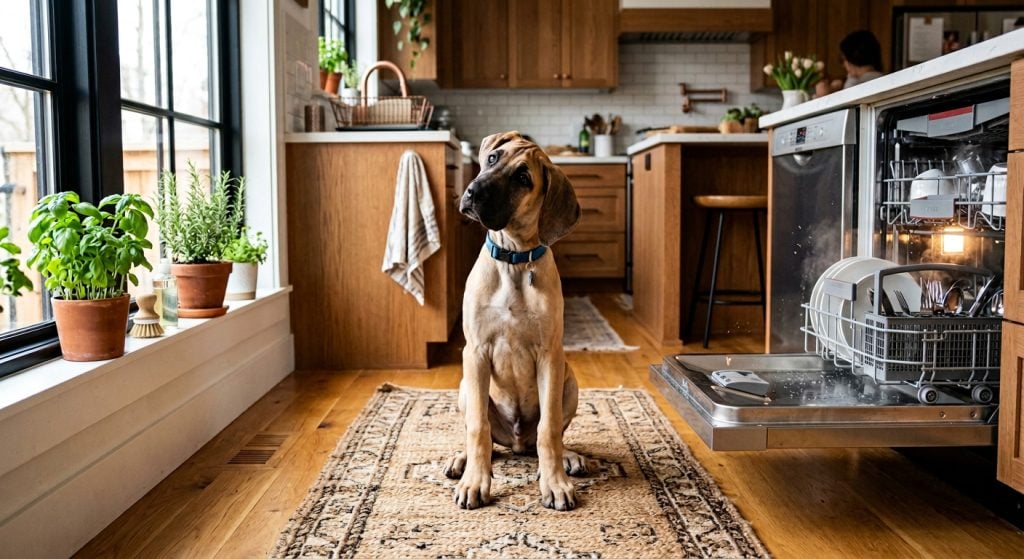
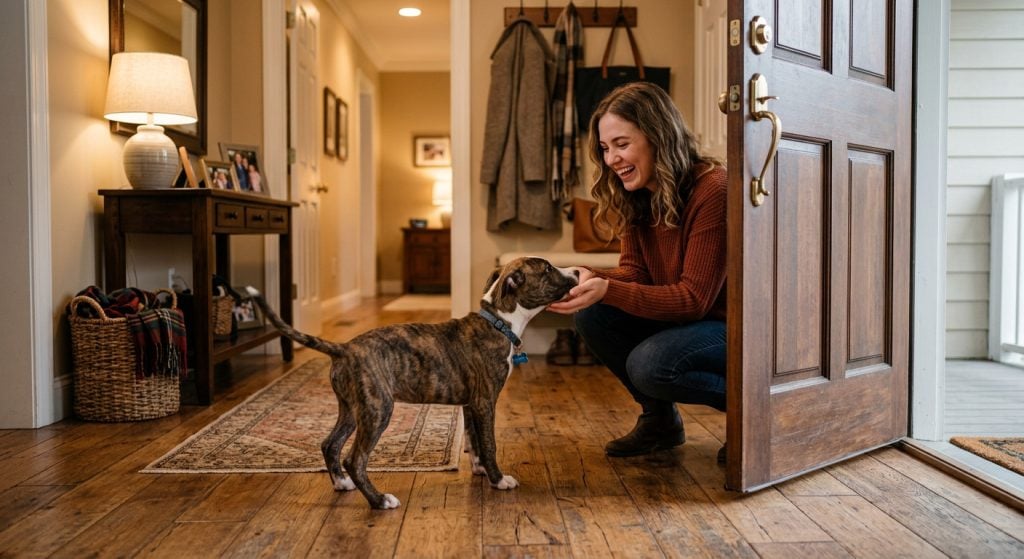
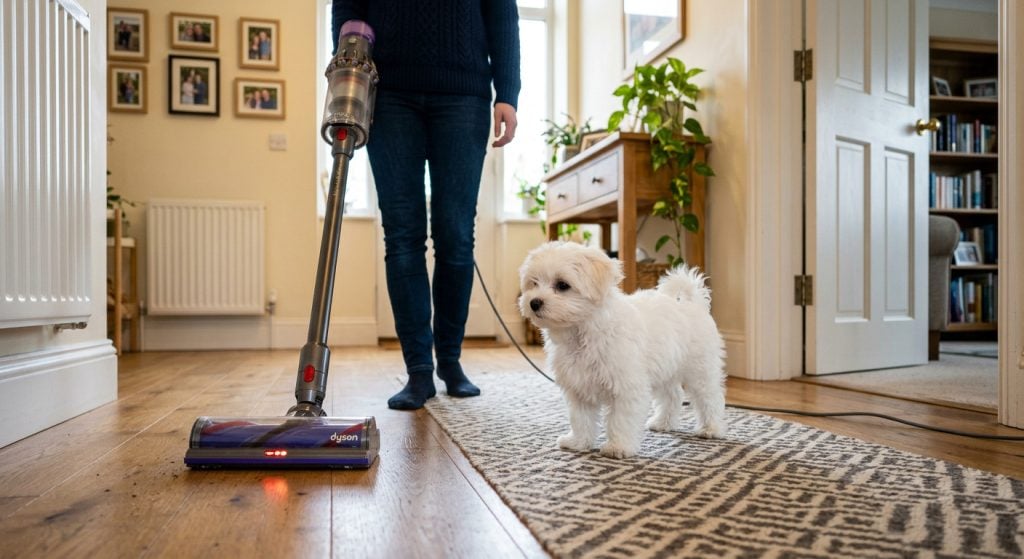
It’s the process of gently introducing your puppy to the world they will grow up in. The sounds of traffic outside the house, visitors arriving at the door, the park down the street, the clatter of dishes in the kitchen, or the hum of the vacuum cleaner in the hallway.
All of these experiences slowly become part of your puppy’s understanding of everyday life.
During the early months, puppies are naturally curious about almost everything around them. New sights, sounds, and environments feel interesting rather than frightening. This stage of development gives owners a valuable opportunity to help their puppy build confidence in the world they are discovering.
When these early experiences are calm and positive, puppies begin to learn that unfamiliar situations are nothing to worry about. Over time, those small moments of exploration become the foundation of a confident and relaxed adult dog.
Socialisation isn’t about overwhelming a puppy with new experiences. It’s about allowing them to explore the world at a pace that feels safe, so curiosity can grow into confidence.
Why Socialisation Matters
A well-socialised puppy grows into a dog that feels comfortable in the world around them.
Without positive early experiences, everyday situations can feel overwhelming. A dog who has never encountered certain sights, sounds, or environments may react with fear, barking, or avoidance later in life.
Socialisation helps prevent many of these problems before they begin.
When puppies experience new things in a calm and positive way, they begin to learn that unfamiliar situations are nothing to worry about.
This doesn’t mean exposing your puppy to everything all at once. In fact, good socialisation is slow, gentle, and thoughtful.
The goal isn’t simply to introduce your puppy to the world — it’s to make sure those introductions feel safe.
The Socialisation Window
Puppies go through a special stage of development where they are naturally curious and open to learning about their surroundings.
This period is often called the socialisation window, and it usually occurs between three and sixteen weeks of age.
During this time, puppies are more willing to approach new experiences with curiosity rather than caution. Positive encounters during this stage can shape how they respond to the world for the rest of their lives.
This doesn’t mean socialisation stops after sixteen weeks, but early experiences during this period have a particularly strong impact.
That’s why thoughtful exposure to everyday sights and sounds during these early weeks can make such a difference in building a confident dog.

Safe Ways to Socialise Your Puppy
When people first hear about socialisation, it can sometimes sound like puppies need to meet everything and everyone as quickly as possible.
In reality, the opposite is true.
Good socialisation happens slowly. It’s about giving your puppy the chance to experience new things while still feeling safe and relaxed.
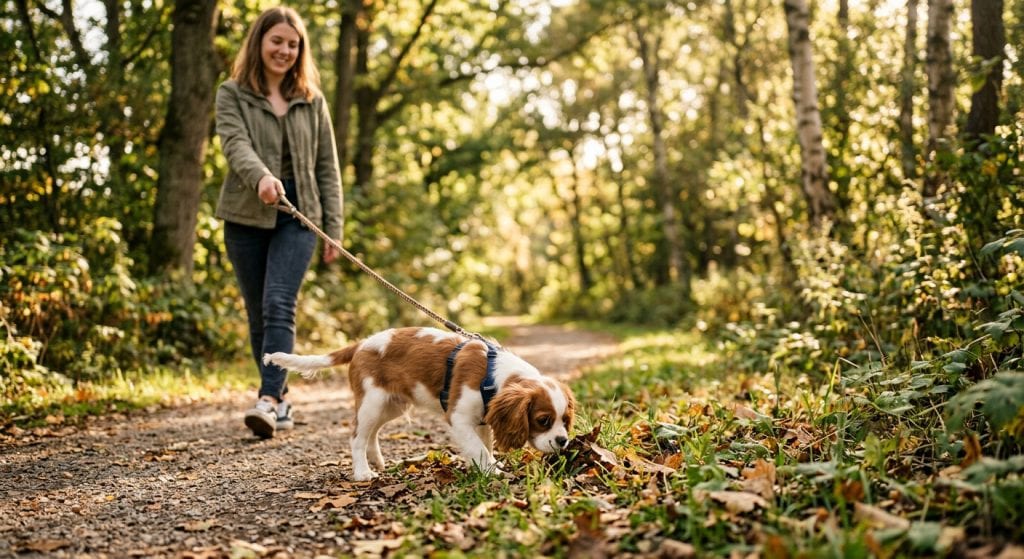
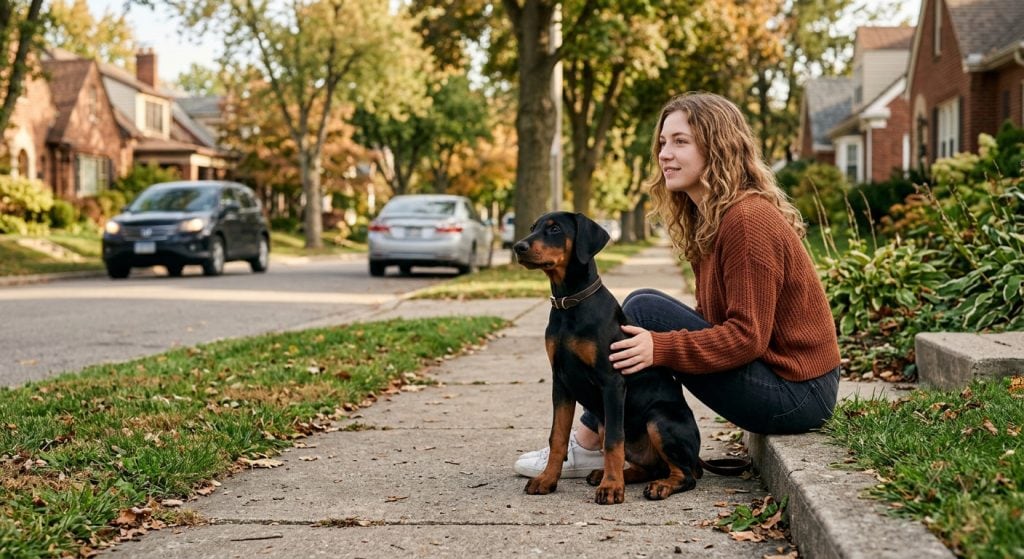
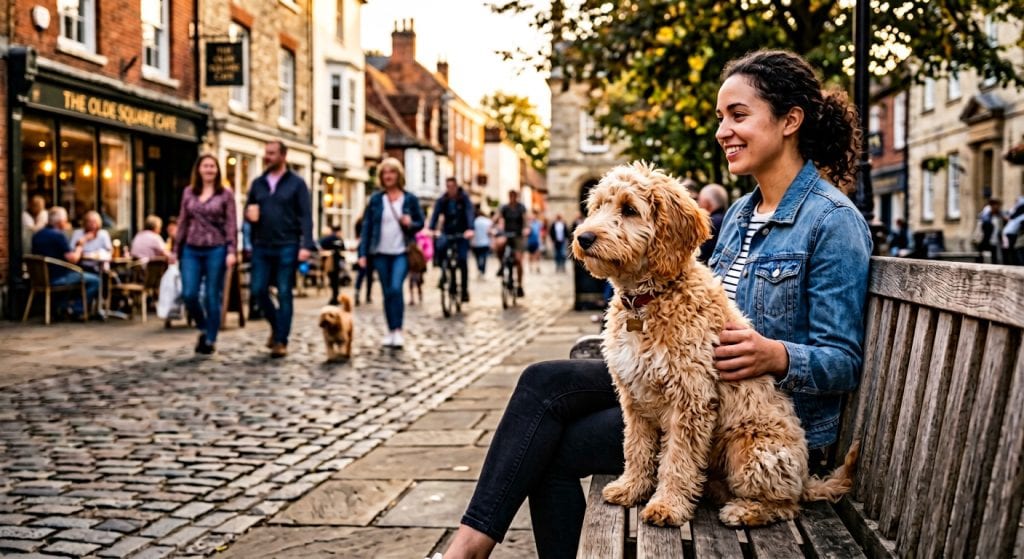
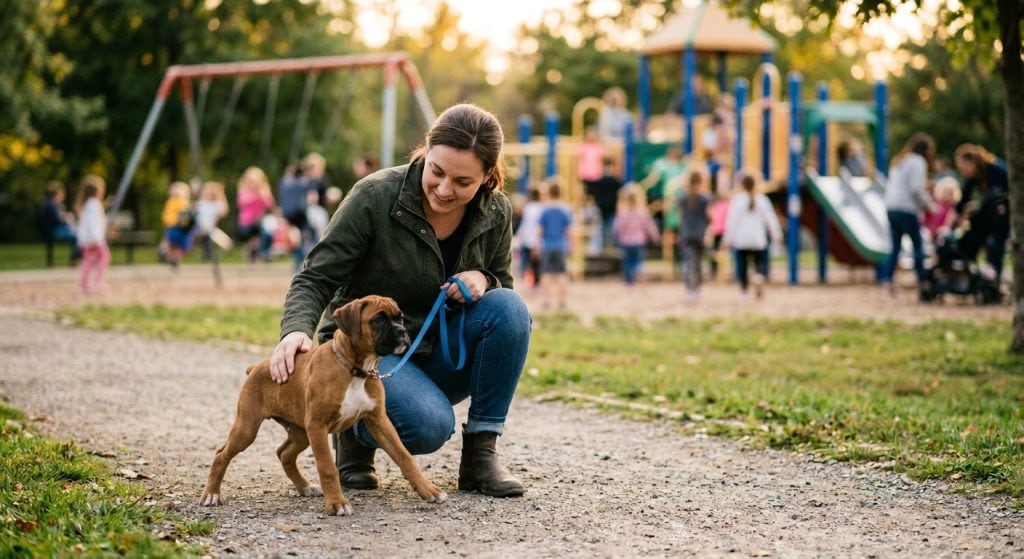
A quiet walk where your puppy watches people passing by can be just as valuable as direct interaction. Sitting on a bench near a playground, hearing different sounds from a distance, or calmly observing the world around them all help your puppy build confidence.
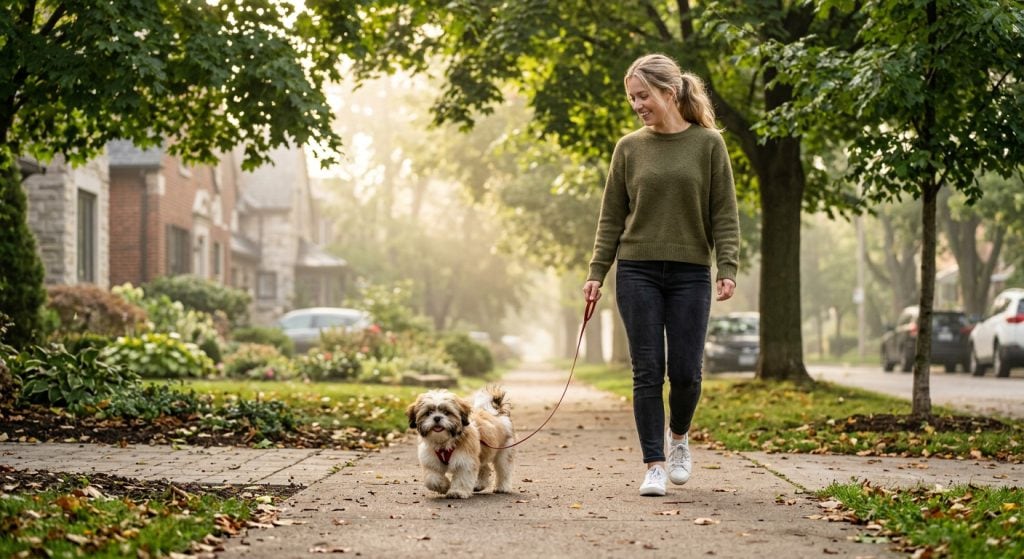
It’s also helpful to introduce puppies to different environments — pavements, grass, parks, quiet streets, and busier areas — so they learn that these places are simply part of everyday life.
The goal is not to overwhelm your puppy with activity, but to allow them to explore gradually while they remain curious and comfortable.
While puppies are naturally curious, they can also become overwhelmed if too much happens too quickly.
Learning to recognise when your puppy needs a break is an important part of socialisation.
A puppy who feels unsure may begin to slow down, avoid looking at something new, or try to move away from the situation. Some puppies may freeze, tuck their tail, or become quieter than usual.
These reactions aren’t signs of stubbornness — they are simply your puppy’s way of saying they need a little more space or time to process what’s happening.
When you notice these signals, it’s best to create distance from the situation and allow your puppy to relax. Socialisation works best when puppies feel safe enough to remain curious.


Building Positive Experiences
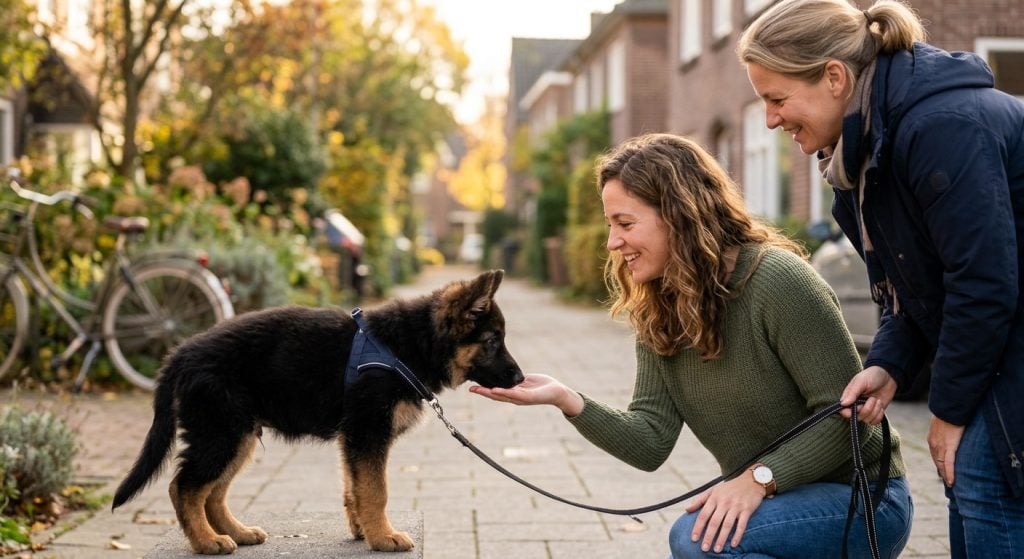
The most important part of socialisation isn’t how many things your puppy experiences — it’s how those experiences feel to them.
Positive experiences help puppies build confidence, while overwhelming or frightening situations can have the opposite effect.
Keeping early introductions calm, short, and relaxed helps puppies feel secure while they explore new environments. Praise, gentle encouragement, and allowing your puppy to approach things in their own time all help create positive associations.
Over time, these small experiences begin to add up. What once felt new and unfamiliar gradually becomes part of normal everyday life.
This is how confident dogs are built — not through pressure or forcing interaction, but through patient exposure and positive experiences
Socialisation Is About Confidence
For many owners, socialisation can feel like a responsibility they have to get exactly right.
In truth, the most important thing is simply helping your puppy experience the world in a calm and positive way.
Each gentle introduction — a walk down a new street, meeting a friendly person, hearing an unfamiliar sound — helps your puppy understand that the world around them is a safe place to explore.
With patience and thoughtful guidance, those early experiences become the foundation of a confident and relaxed adult dog.

Explore More Puppy Topics
This topic forms part of our Raising a Puppy guide, where we explore puppy sleep, socialisation, exercise, routines, and the behaviours that shape early development.
What to Explore Next
As your puppy grows, socialisation is only one part of helping them feel calm, confident, and supported.
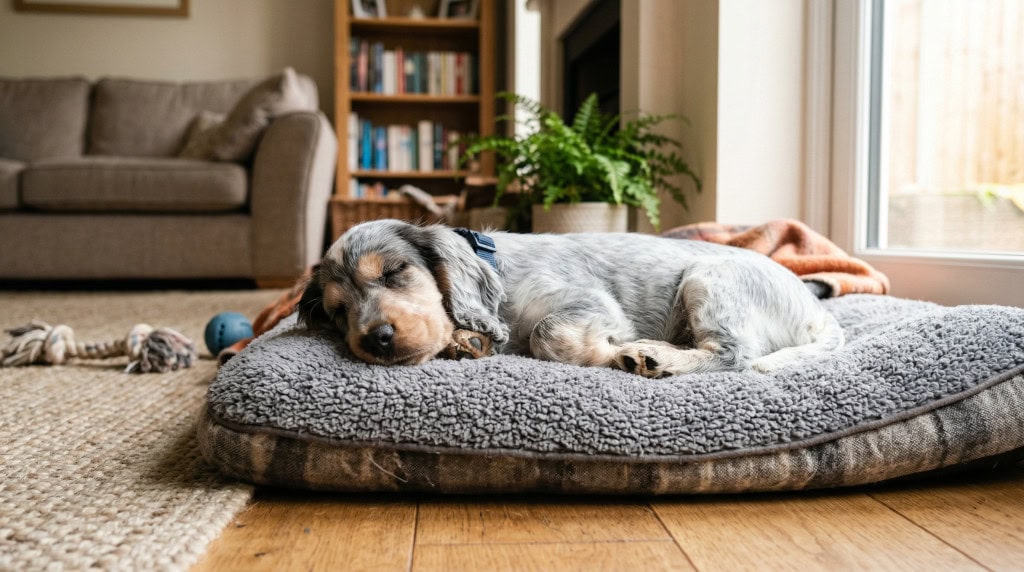
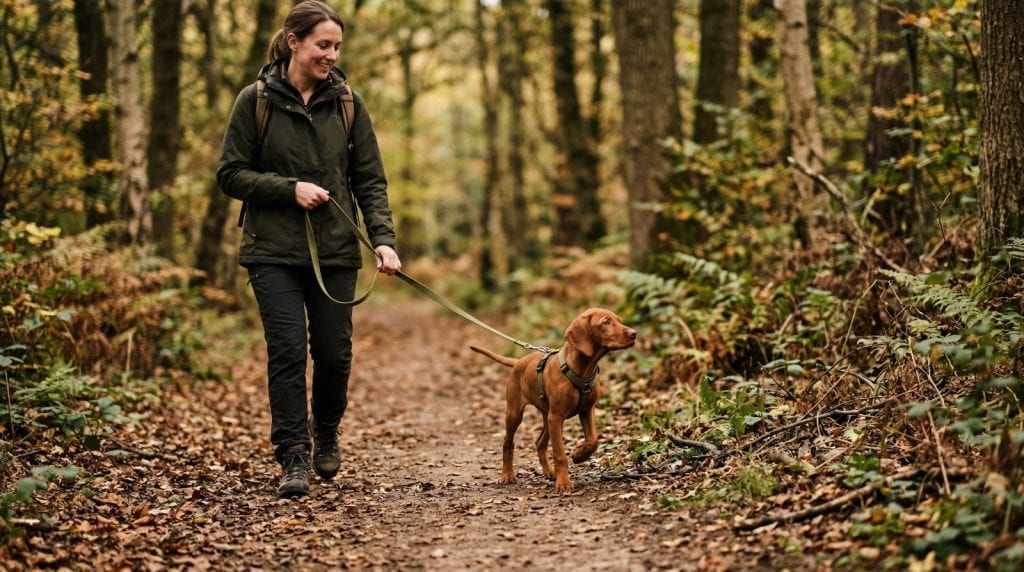
These guides can help you better understand routines, rest, and balanced development as your puppy continues to learn.

Start Your Puppy Journey
If you’re raising a puppy and want to understand their behaviour more clearly, the Puppy Beginnings: Building a Calm Start course provides step-by-step guidance to help you build healthy routines, prevent common behaviour problems, and create a calm and confident foundation for your puppy.