
Puppy Exercise Guide
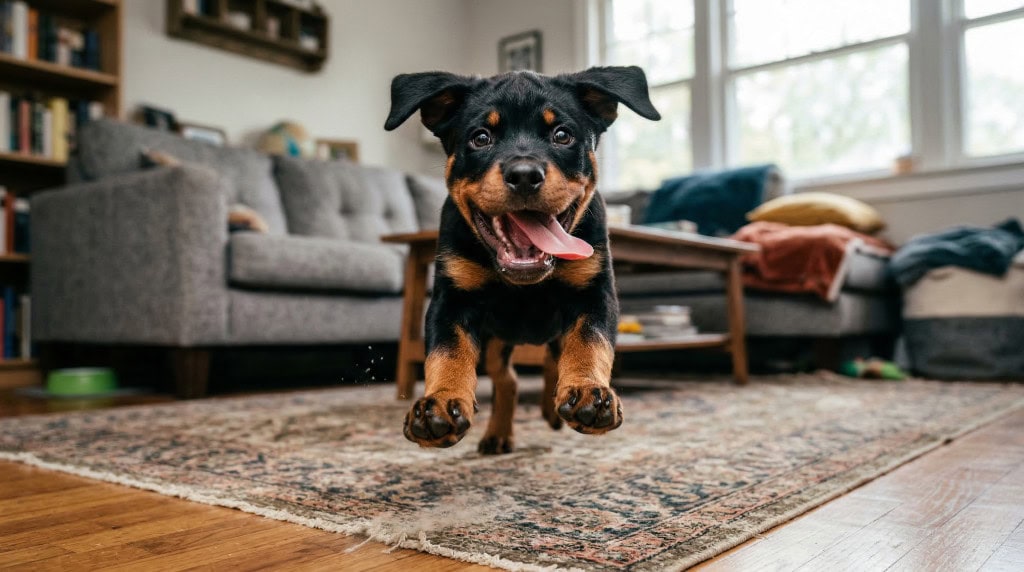
If you’ve ever watched a puppy race around the house with endless enthusiasm, it can be easy to assume they have limitless energy.
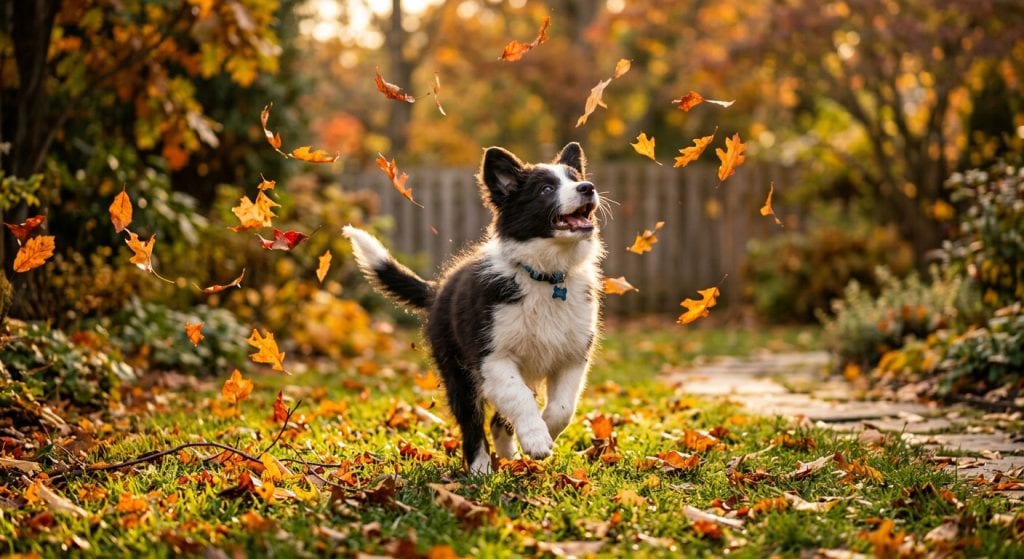
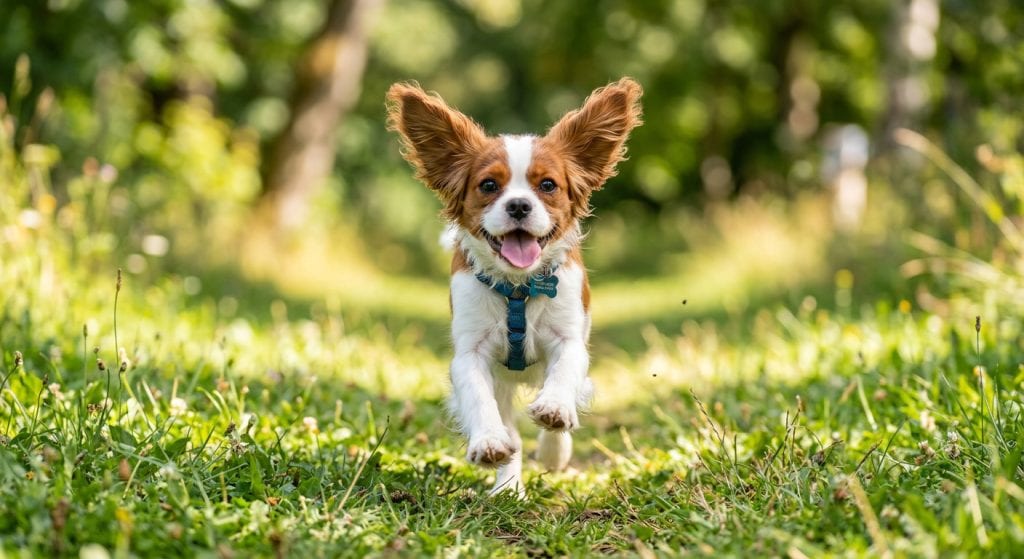
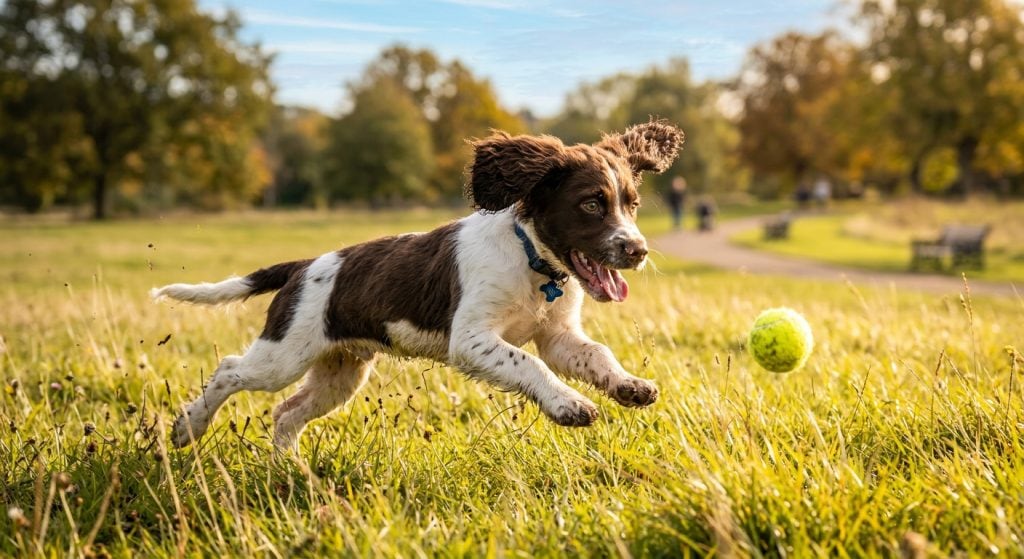
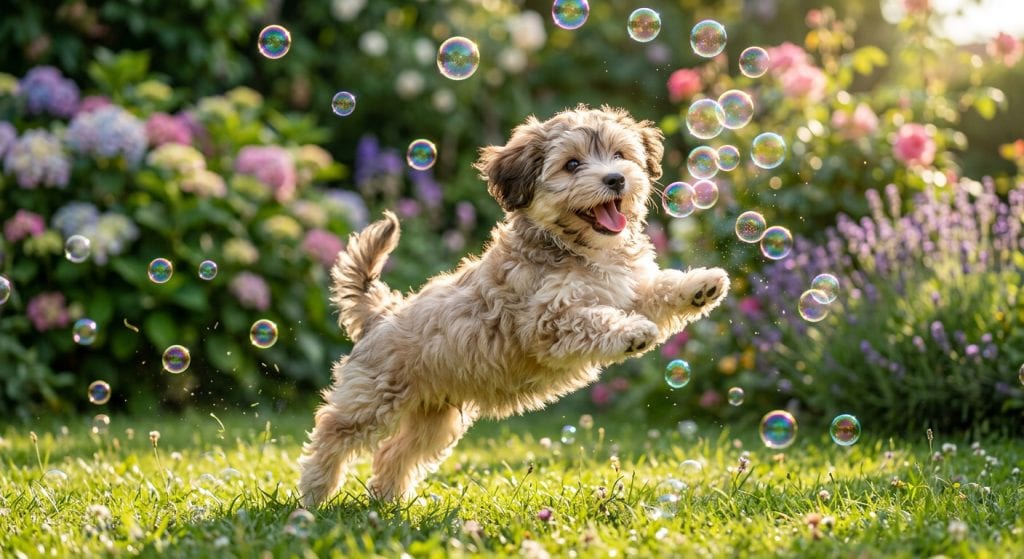
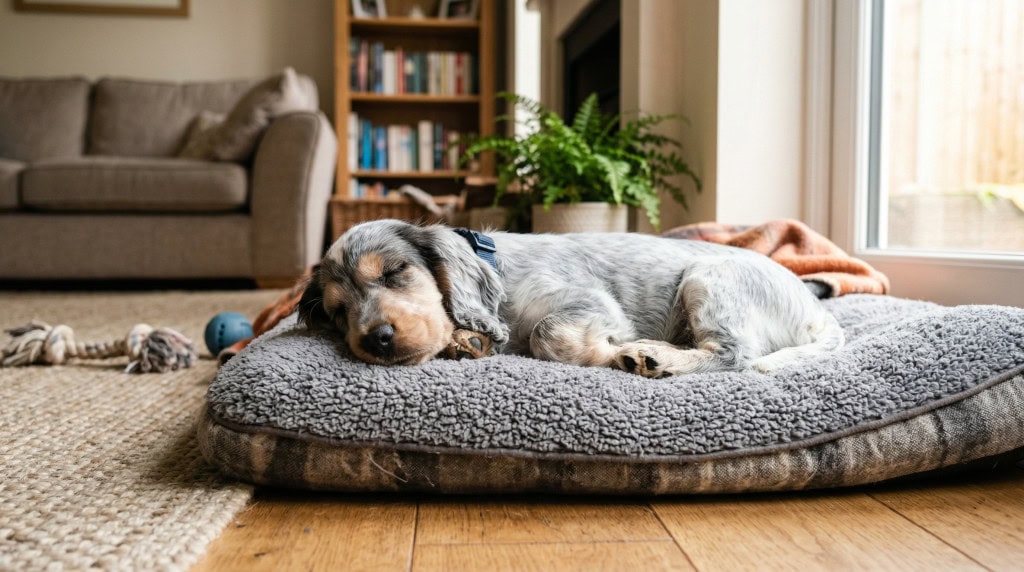
One moment they are bouncing after toys, chasing leaves in the garden, or trotting along beside you on a walk. The next moment they collapse into a deep sleep as if the battery has suddenly run out.
For many new owners, it can be difficult to know how much exercise a young puppy actually needs. Some worry they aren’t doing enough, while others accidentally do far too much.
In reality, exercise for puppies is less about long walks or physical exertion, and more about balanced activity that supports healthy development.
Understanding how much exercise is appropriate — and how it fits alongside play, learning, and rest — helps your puppy grow into a strong, confident, and well-balanced dog.
Why Exercise Matters for Puppies
Exercise plays an important role in a puppy’s development, but it isn’t just about burning off energy.
Movement helps build muscles, strengthen growing bones, and develop coordination. It also gives puppies opportunities to explore their environment, experience new sights and smells, and build confidence.
For young puppies, even small adventures can feel exciting. Walking across a new surface, meeting another dog, or exploring a new park can all be important learning experiences.
At the same time, puppies are still developing physically. Their joints and bones are growing quickly, which means the type and amount of exercise they get needs to be carefully balanced.
Like most things in puppyhood, it’s about balance. Too little activity can leave a puppy restless, while too much can leave them overtired or overwhelmed.
Finding the right balance helps puppies develop both physically and emotionally.
How Much Exercise Do Puppies Need?
One of the most commonly repeated guidelines for puppies is known as the five-minute rule.
Many owners may hear about the “five-minute rule,” which suggests roughly five minutes of structured walking per month of age.
For example:
- A three-month-old puppy may have around 15 minutes of walking.
- A four-month-old puppy may have around 20 minutes.
This guideline helps protect a puppy’s developing joints while still allowing them to explore and experience the world.
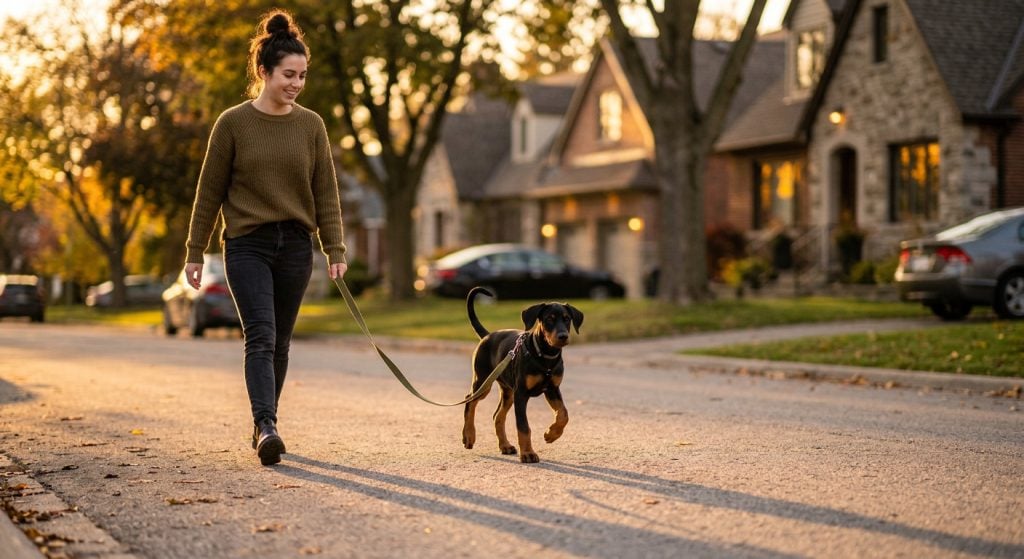
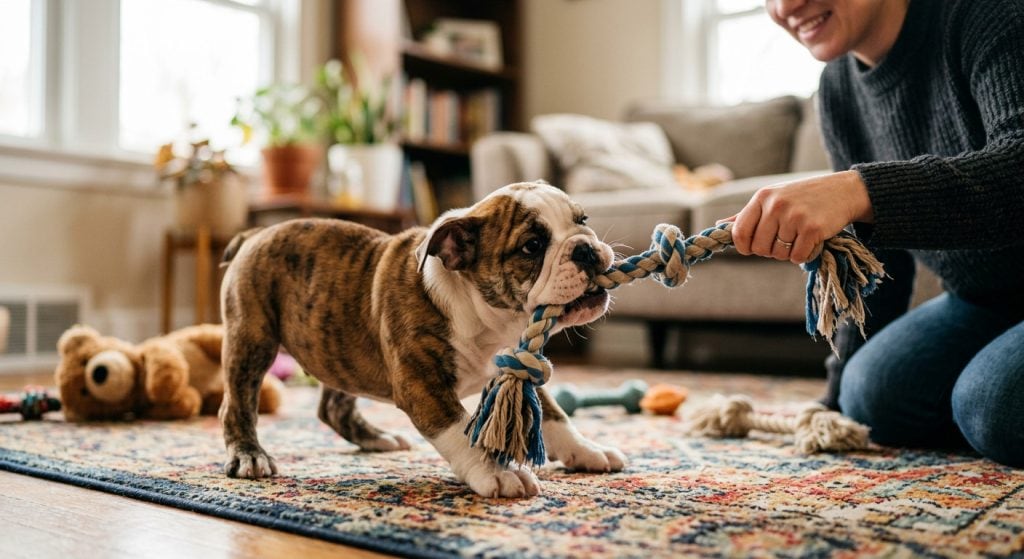
However, it’s important to remember that structured exercise like walks is only one part of a puppy’s activity. Playtime, training, and gentle exploration also contribute to their daily movement.
Many puppies naturally alternate between activity and rest throughout the day, which helps them regulate their energy levels.

When Puppies Get Too Much Exercise
It’s easy to assume that a tired puppy is a well-exercised puppy, but this isn’t always the case.
An overtired puppy often becomes more excitable rather than calmer.
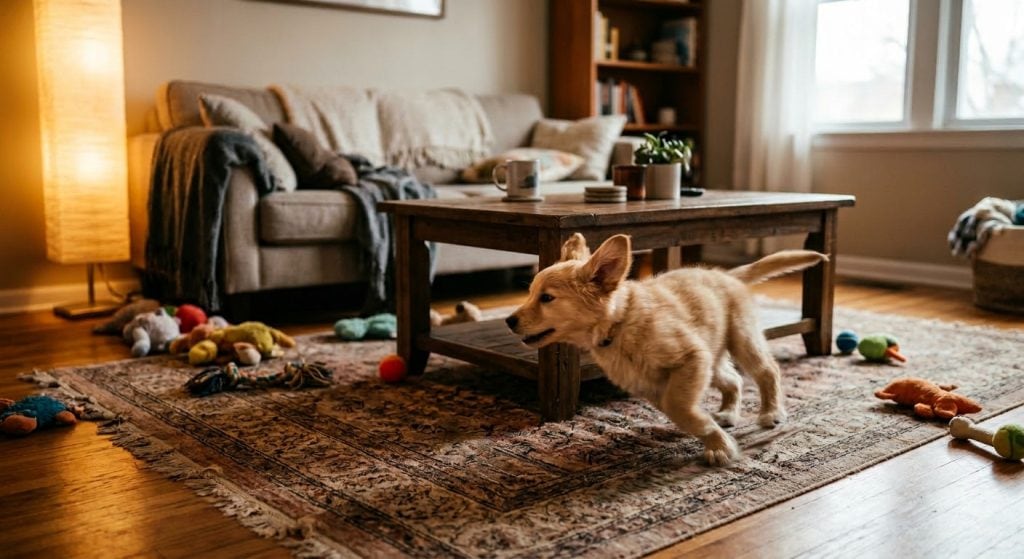
You might notice sudden bursts of zoomies, increased nipping during play, or difficulty settling down after activity.
This happens because young puppies are still learning how to regulate their energy levels. When they become overly stimulated, they can struggle to switch themselves off.
Regular rest periods between activities help prevent this cycle and allow puppies to recover properly.
Balancing Walks, Play, and Rest
For most puppies, the healthiest routine is a balance between three things:
- short walks
- gentle play
- plenty of rest
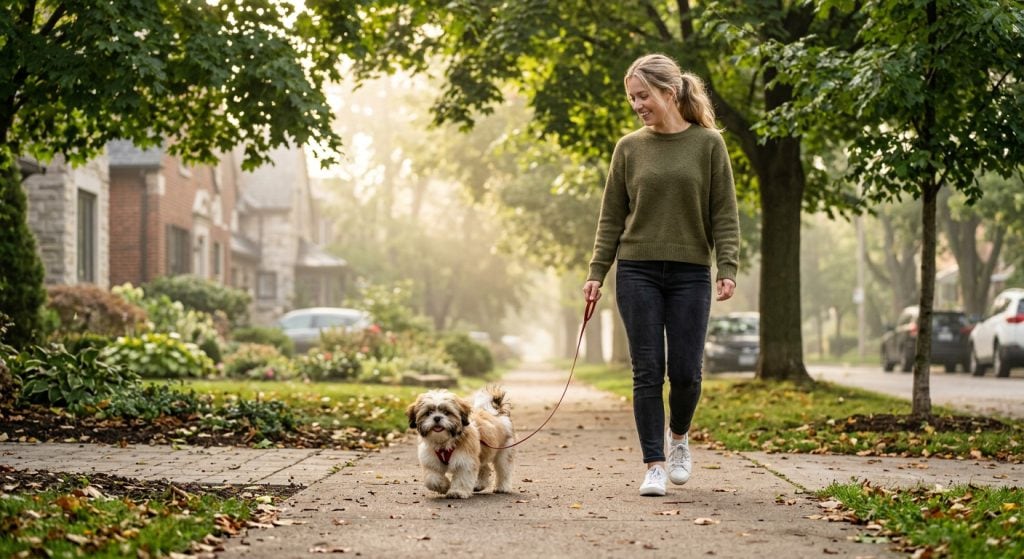
Walks allow puppies to explore new environments and build confidence. Play helps develop coordination and strengthens the bond between puppy and owner.
Rest is equally important. After periods of excitement, puppies often need time to sleep and process everything they’ve experienced.
Creating a daily rhythm that includes activity followed by rest helps puppies feel more settled and prevents overstimulation.
Exercise Changes as Puppies Grow
As your puppy grows, their exercise needs will gradually change.
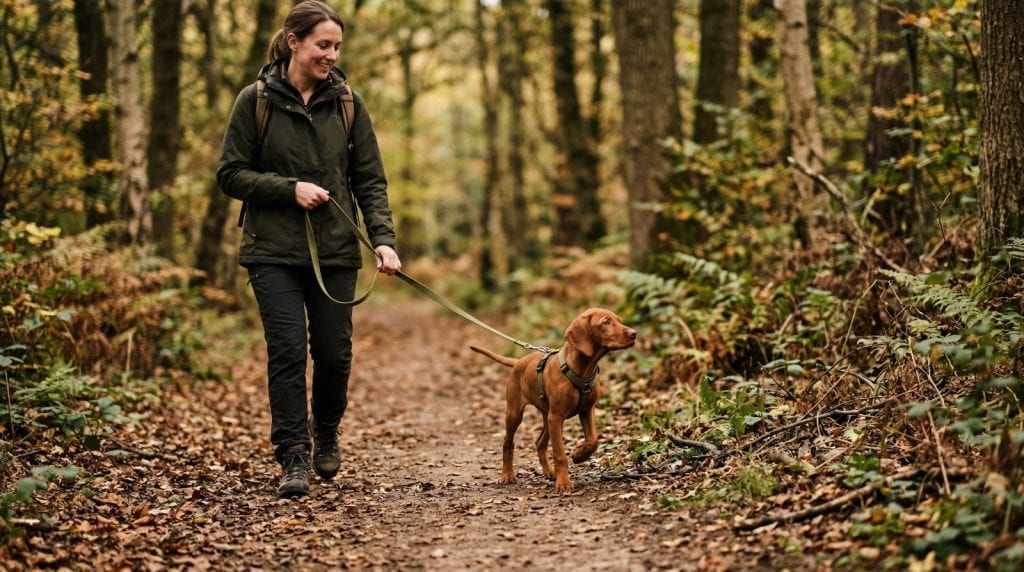
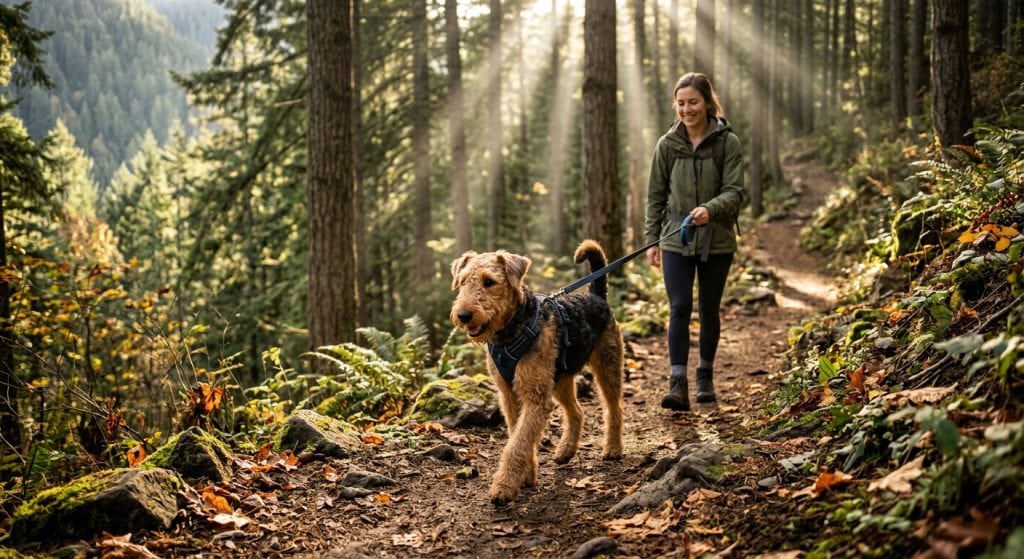
Older puppies begin to develop stronger muscles, improved coordination, and greater stamina. This means they can slowly handle longer walks and more adventurous outings.
However, growth plates in the bones remain sensitive until a dog is fully mature. Gradually increasing activity helps ensure their body develops safely.
Over time, your puppy will naturally build the strength and endurance needed for longer walks, bigger adventures, and more active days together.
Growing Together
For puppies, exercise isn’t just about burning energy — it’s about learning how the world works.
Each walk, play session, and exploration gives your puppy a chance to learn about the world and strengthen the bond you share.
When exercise is balanced with rest, learning, and calm time at home, puppies develop both confidence and self-control.
These early routines help shape the habits that will guide your puppy through the rest of their life.
Explore More Puppy Topics
This topic forms part of our Raising a Puppy guide, where we explore puppy sleep, socialisation, exercise, routines, and the behaviours that shape early development.
What to Explore Next
Exercise is important, but more movement is not always the answer when your puppy seems full of energy.
These guides can help you better understand rest, overstimulation, and how to create balance without adding more chaos.

Start Your Puppy Journey
If you’re raising a puppy and want to understand their behaviour more clearly, the Puppy Beginnings: Building a Calm Start course provides step-by-step guidance to help you build healthy routines, prevent common behaviour problems, and create a calm and confident foundation for your puppy.