
When Do Puppies Calm Down
Bringing a puppy into your life often feels like living with a tiny whirlwind.
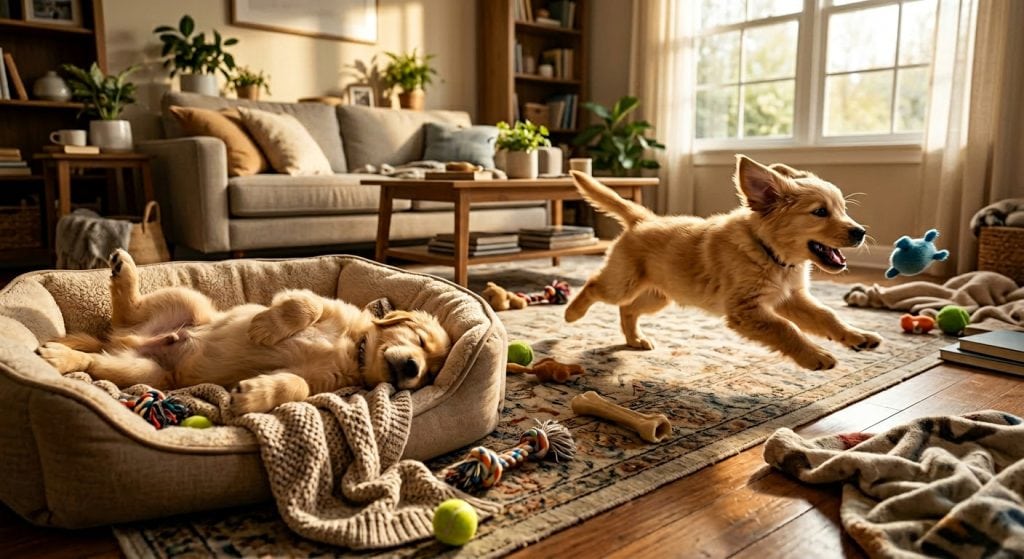
One moment they’re curled up peacefully beside you, fast asleep.
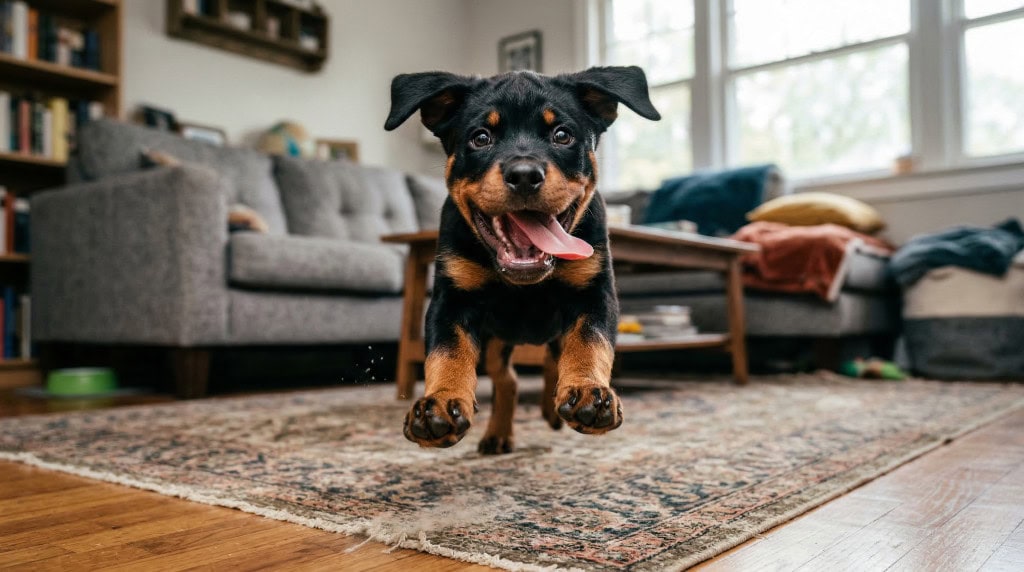
The next moment they’re racing through the house, grabbing toys, bouncing off furniture, and discovering energy you didn’t know they had.
For many new owners, this raises an important question:
Will my puppy ever calm down?
The reassuring answer is yes.
But understanding when and why puppies become calmer helps make those energetic early months much easier to navigate.
Puppies aren’t chaotic because something is wrong.
They’re energetic because their bodies and brains are developing at an incredible pace.
Learning, exploring, and testing the world around them takes a lot of energy.
Over time, as their bodies mature and their daily routine becomes more predictable, that constant burst of puppy energy gradually settles.
Why Puppies Have So Much Energy
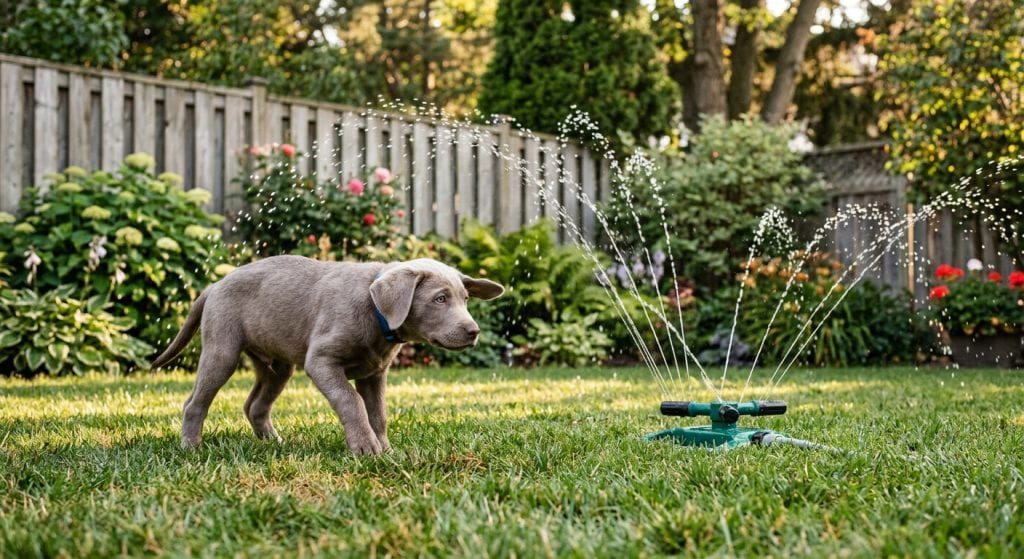
Young puppies experience the world with intense curiosity.
Everything is new:
• new smells
• new sounds
• new people
• new places to explore
Their developing brains are constantly processing information, which often leads to bursts of excitement and play.
At the same time, puppies are still learning how to regulate their own energy levels.
Puppy Sleep GuideThey don’t naturally understand when they are tired or overstimulated.
Instead of slowing down, many puppies actually become more energetic when they are overtired.
This is why puppies sometimes seem most chaotic at the end of the day.
What looks like endless energy is often a sign that they actually need more rest, not more activity.
As puppies grow and gain experience, they gradually learn how to settle themselves more easily.
The Stages of Puppy Energy
Puppies don’t calm down overnight.
Instead, their behaviour changes gradually as they move through different stages of development.
2–4 Months
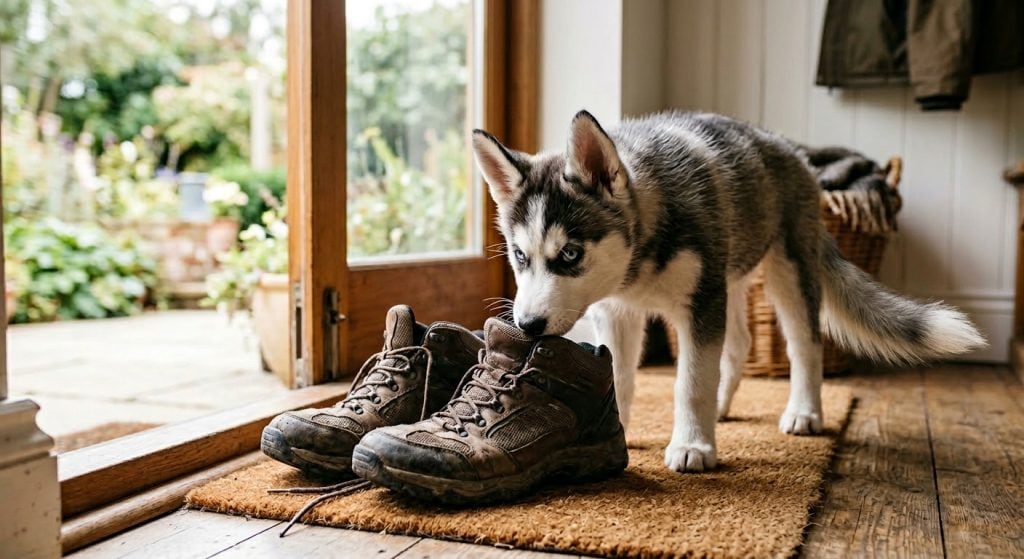
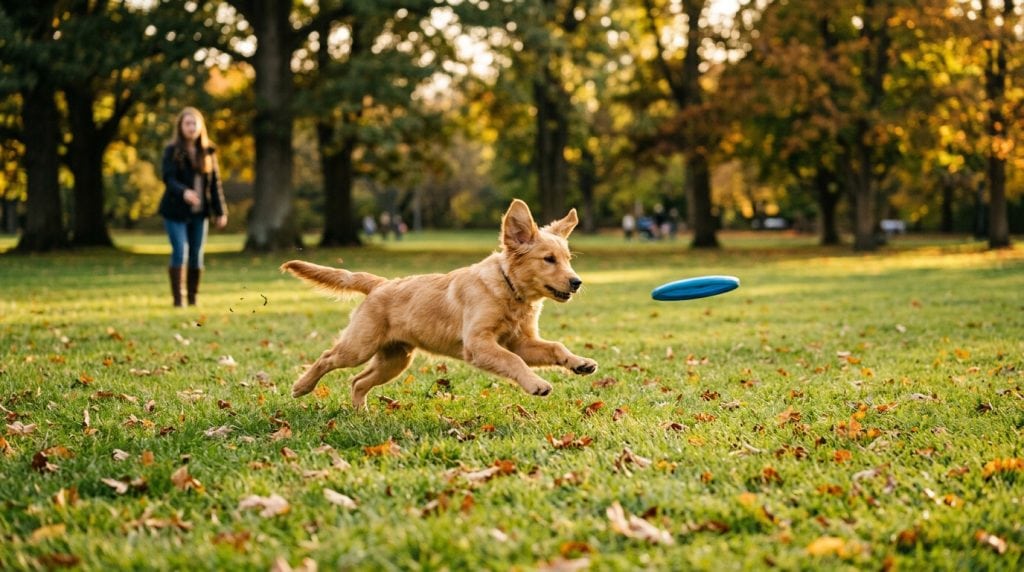
During the early months, puppies are naturally very energetic.
They spend much of their time:
• exploring
• chewing
• playing
• learning about their environment
Their attention spans are short, and their excitement can quickly turn into zoomies or playful chaos.
This stage is completely normal and an important part of development.
4–6 Months
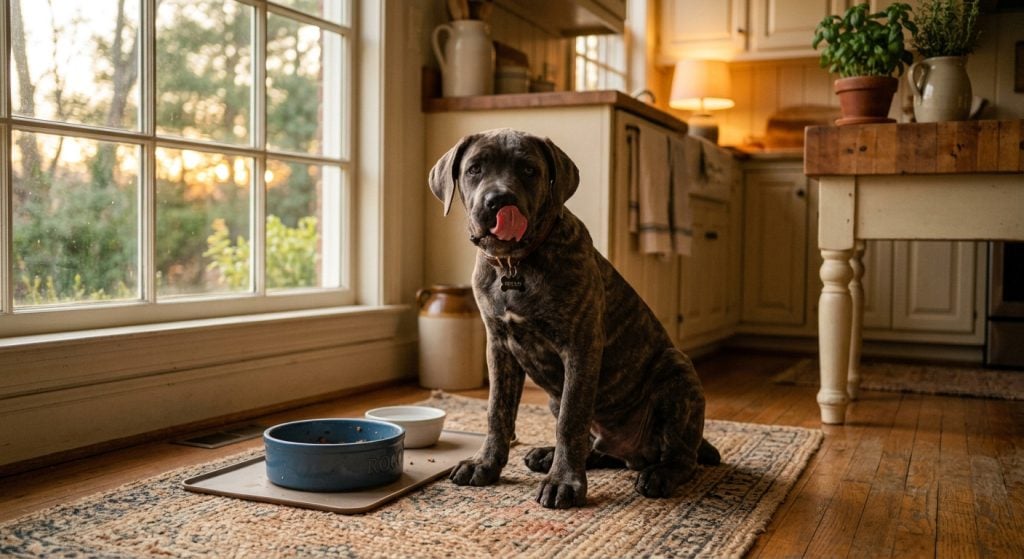
As puppies grow, their coordination improves and they begin to develop better focus.
Training becomes easier, and many puppies start to understand routines such as:
• meal times
• walks
• rest periods
• bedtime
While they still have plenty of energy, they may begin to settle more quickly after play or activity.
6–12 Months
This stage is often described as canine adolescence.
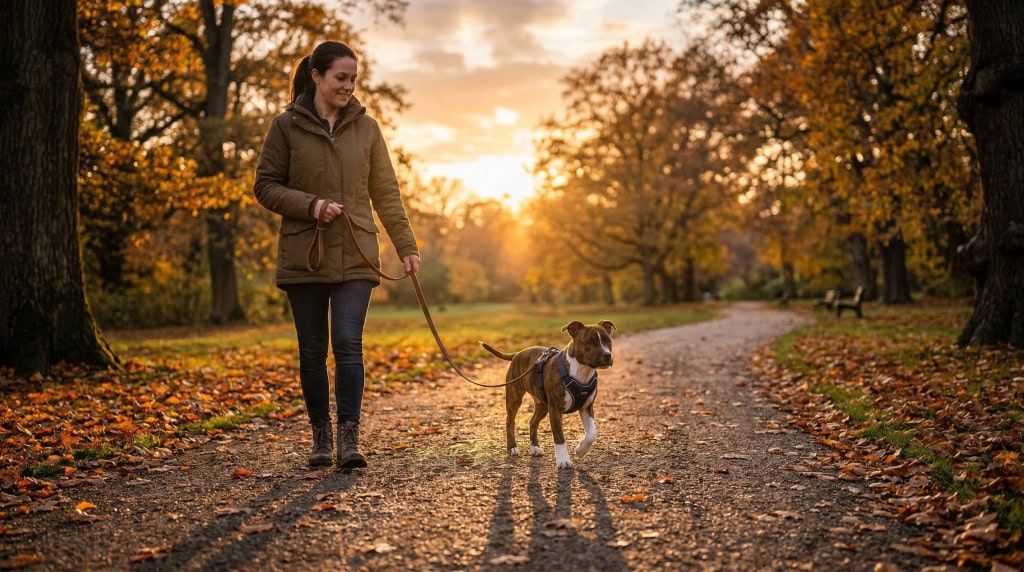
Puppies may seem calmer in some moments but suddenly full of energy again in others.
Their bodies are growing rapidly, and their confidence is increasing.
Although it can feel like progress goes backwards at times, this stage is simply part of the transition toward adulthood.
1–2 Years
Every dog develops at their own pace, but most owners begin to notice calmer behaviour gradually emerging throughout the first year.
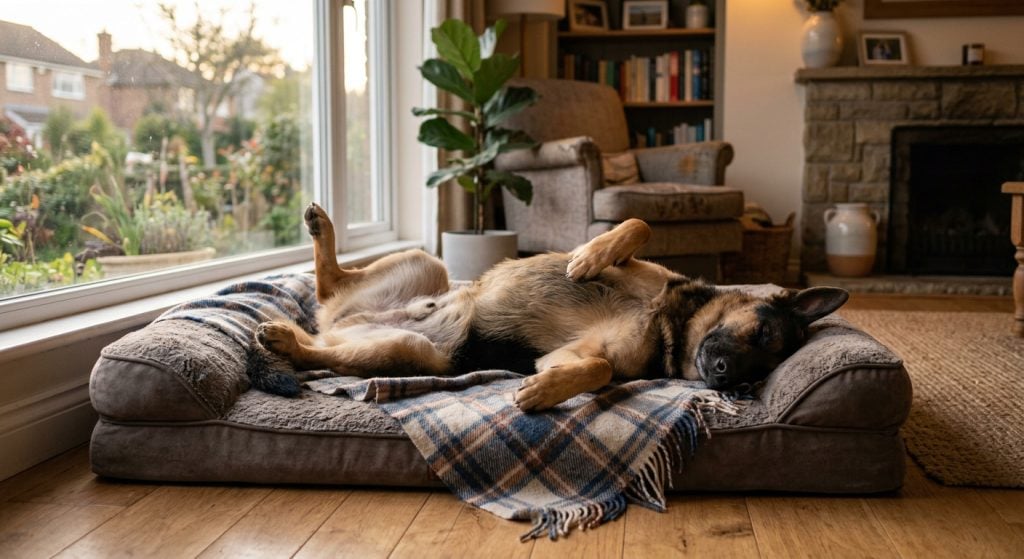
Their bodies are more mature, their routines are familiar, and they have learned how to balance activity and rest.
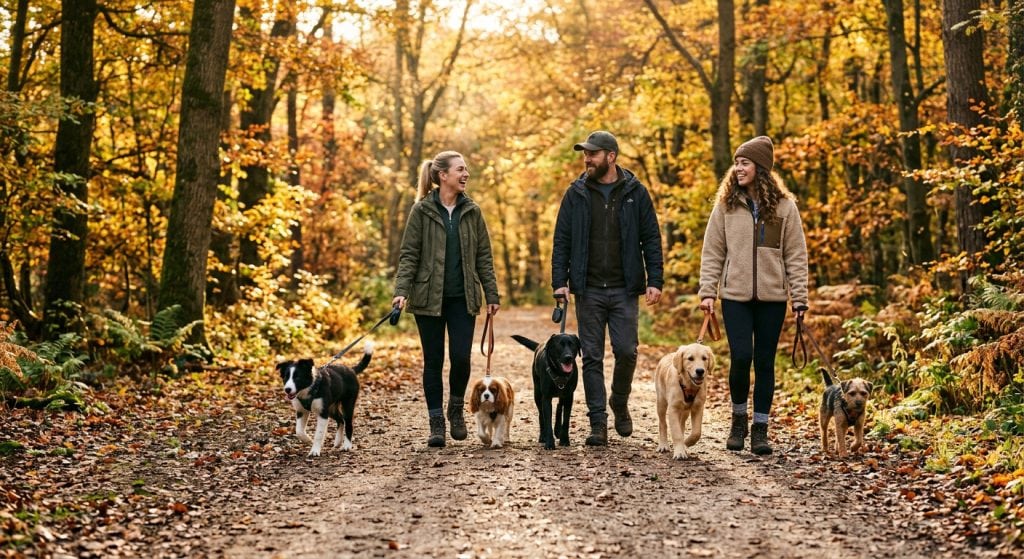
While they will still enjoy play, walks, and excitement, their energy is usually more controlled and predictable.

What Helps Puppies Become Calmer
Calm behaviour rarely happens by accident.
It develops when puppies grow up in an environment that supports balance.
Puppies benefit from a healthy mix of:
• gentle exercise
• play and exploration
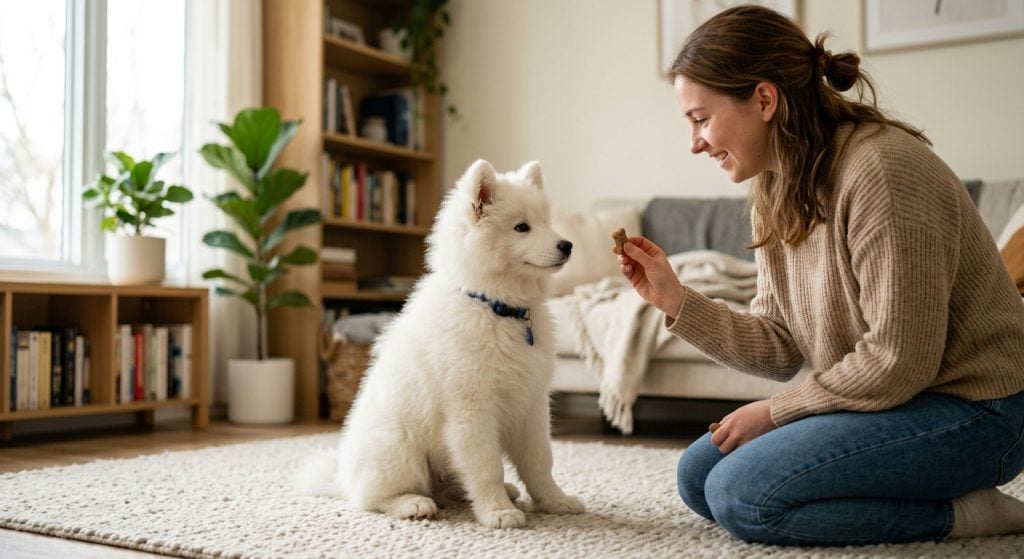
• short training sessions
• social experiences
• and plenty of sleep
Routine plays an especially important role.
When puppies know what to expect during the day, they feel more secure and are better able to settle between activities.
Just as important is teaching puppies that quiet moments are normal.
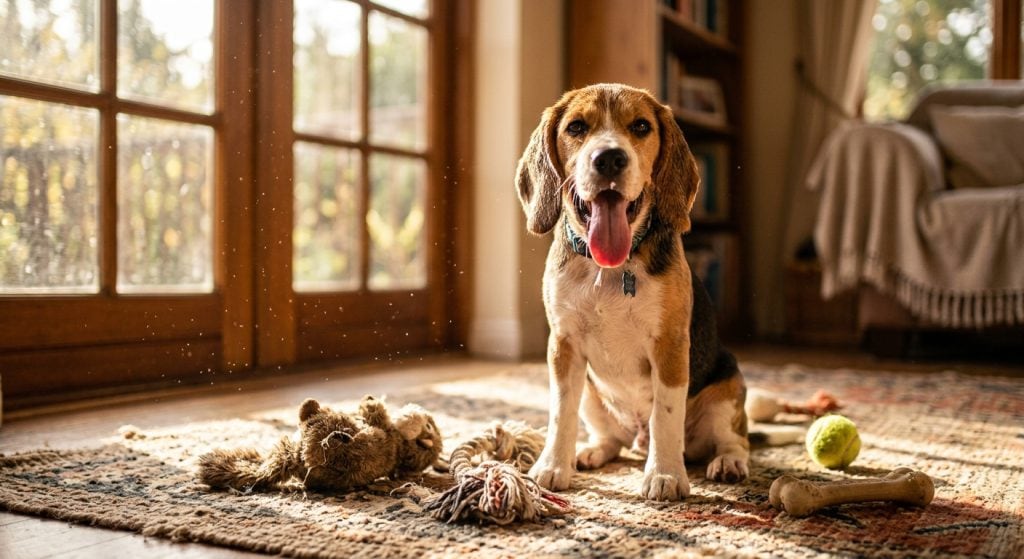
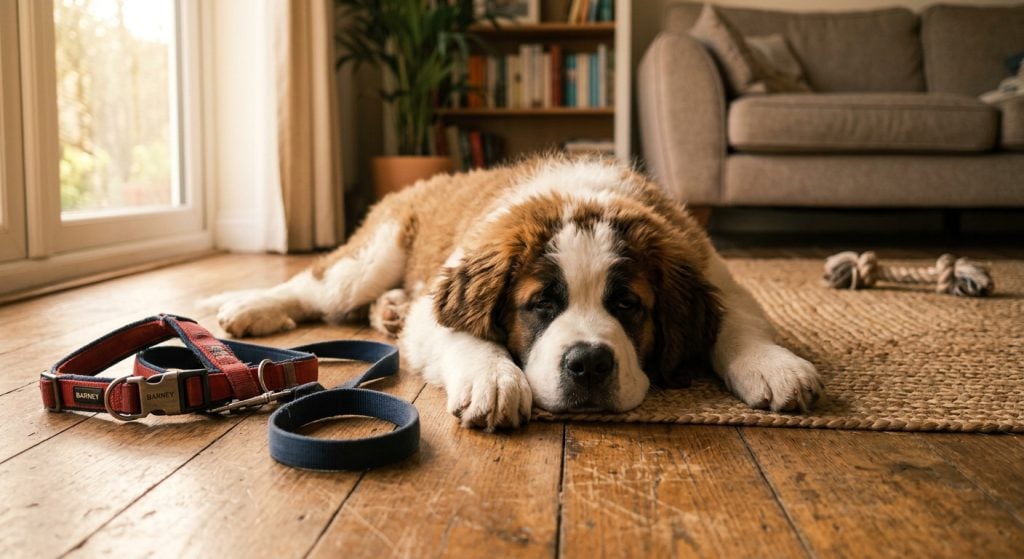
Relaxing on the sofa, watching the world from a window, or resting after a walk are all valuable experiences that help puppies learn how to calm themselves.
Signs Your Puppy Is Learning to Settle
As puppies mature, owners often begin to notice small but encouraging changes.
Your puppy may start to:
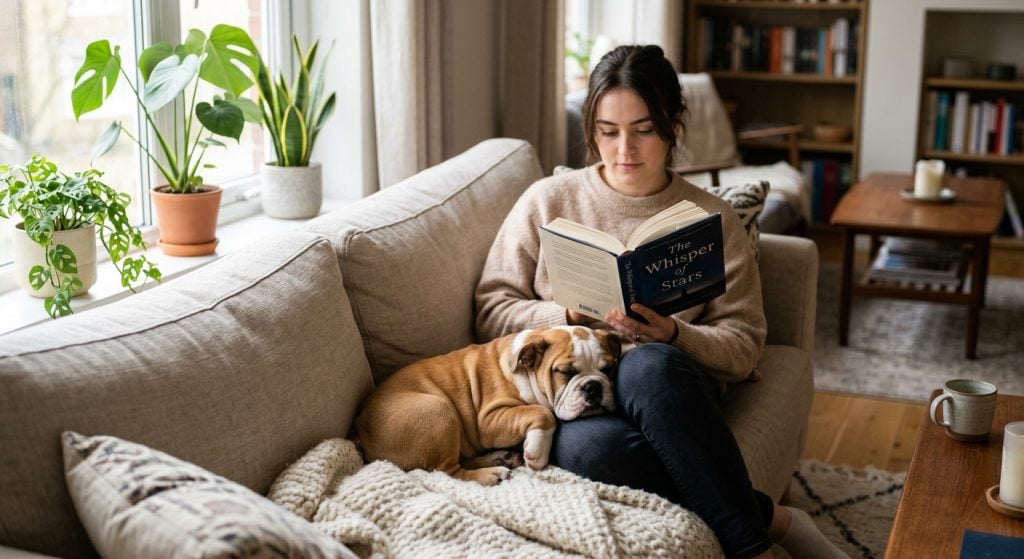
• settle beside you without constant attention
• rest quietly after play
• respond more calmly to everyday situations
• fall asleep more easily during the day
These moments are signs that your puppy’s brain is learning how to regulate excitement and energy.
Calm behaviour isn’t something puppies suddenly switch on.
It grows gradually through experience, routine, and maturity.
Patience Through the Puppy Stage
The early months of puppyhood can sometimes feel exhausting.
But they are also temporary.
The energetic chaos, the sudden zoomies, and the endless curiosity are all part of a short developmental stage.
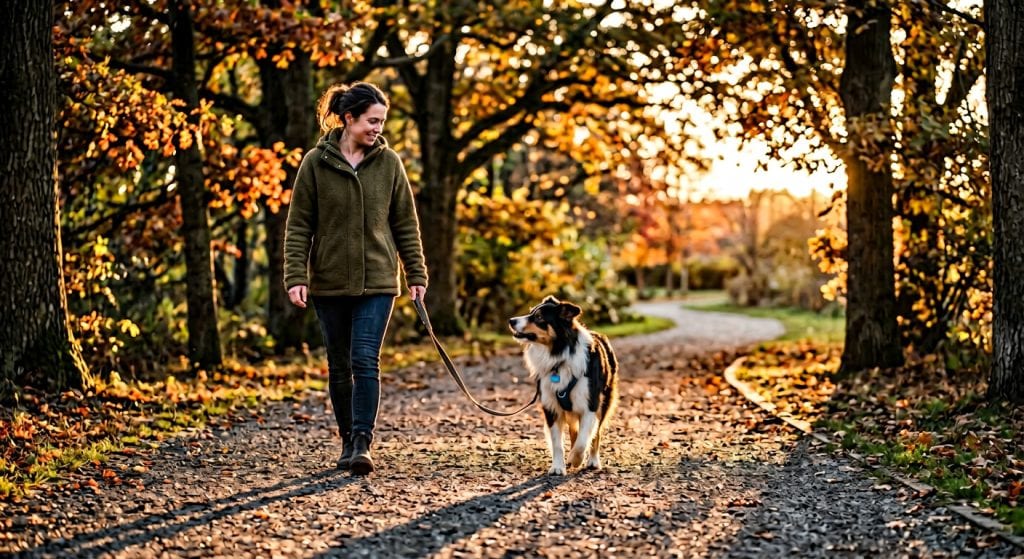
With time, guidance, and a balanced daily routine, that wild puppy energy slowly transforms into the steady companionship of an adult dog.
And when those calmer days arrive, many owners realise something surprising.
They miss a little bit of that joyful puppy chaos after all.
Explore More Puppy Topics
This topic forms part of our Raising a Puppy guide, where we explore puppy sleep, socialisation, exercise, routines, and the behaviours that shape early development.
What to Explore Next
Puppies do calm down—but usually not all at once, and often not as quickly as we hope.
These guides can help you better understand energy, routine, and why calmer behaviour often comes from consistency rather than quick fixes.
Start Your Puppy Journey
If you’re raising a puppy and want to build calm behaviour from the very beginning, the Puppy Beginnings: Building a Calm Start course walks you step-by-step through the early stages of puppy development.
It helps you understand behaviour, prevent common problems, and create a confident and balanced foundation for life with your dog.