
Yorkshire Terrier
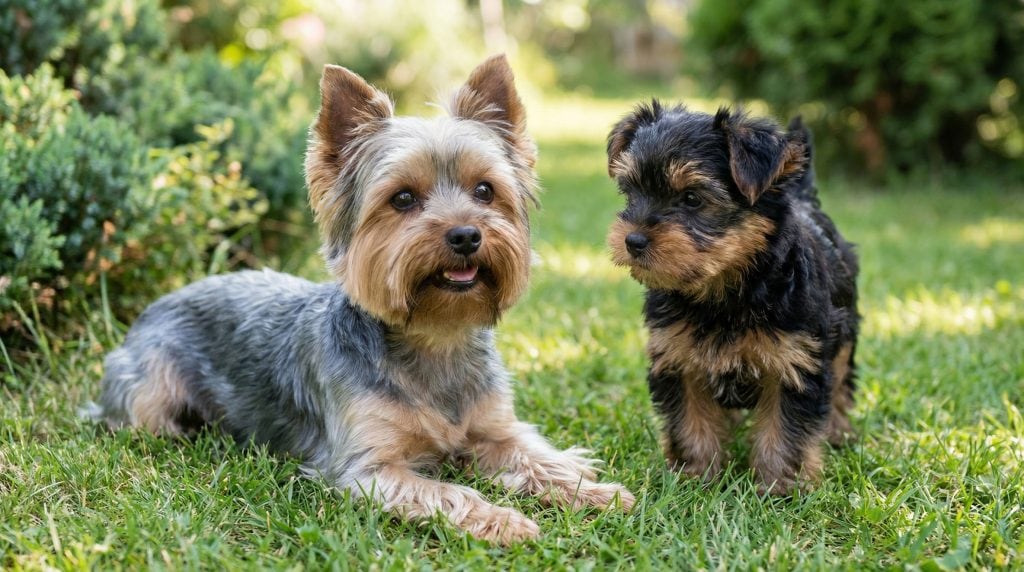
Yorkshire Terriers often bring a lively and spirited presence to a home. Despite their small size, they have a big personality and a keen sense of curiosity. Many owners find them to be affectionate companions who enjoy being involved in family activities, always ready to explore and engage with their surroundings.
At a glance
Core care
- Size: Small
- Energy: Moderate to high
- Grooming: Low
- Shedding: Low
Support style
- Sensitivity: High
- Training style: Moderate
Breed guide
Choose a section to explore. These notes describe common patterns, but individual dogs vary widely.
Living with a Yorkshire Terrier often means sharing your home with a small dog that carries itself with surprising confidence. Many owners notice how these little terriers approach the world with curiosity and determination, eager to explore their surroundings and stay involved in family life. Their lively nature reflects their terrier heritage, where alertness and persistence were valued traits.
Physically, Yorkshire Terriers are small but robust, with a distinctive long, silky coat that requires regular grooming. Their size makes them well-suited for apartment living, but their energy levels mean they still need regular exercise. Owners often notice their Yorkie’s confident stance and expressive eyes, which hint at their alert and inquisitive nature. Despite their diminutive stature, they carry themselves with a sense of importance that often endears them to those around them.
Temperamentally, Yorkies are known for their bold and sometimes feisty nature. They can be quite vocal, often alerting their owners to any perceived disturbances. This breed tends to form strong bonds with their families and can be quite affectionate. However, their high sensitivity means they may not always respond well to harsh handling or environments with too much chaos. Owners often appreciate their Yorkie’s loyalty and the companionship they provide.
While Yorkshire Terriers have many common traits, individual dogs can vary significantly. Some may be more laid-back, while others are constantly on the move. It’s important for potential owners to understand that while breed tendencies offer a general guide, each Yorkie will have its own unique personality shaped by genetics and experiences. This variability means that living with a Yorkie can be a dynamic and rewarding experience, full of surprises and joy.
Yorkshire Terriers are often described as having a social and engaging nature that draws people in. They thrive on interaction and can be quite the little charmers, often seeking out attention from their human companions. This social inclination is likely a reflection of their history as companion animals, where being close to humans was a significant part of their role.
In terms of behaviour, Yorkies tend to be alert and inquisitive. They are known for their keen sense of hearing and may bark to alert their owners to new sounds or visitors. This can be both an endearing and challenging trait, as their vocal nature requires understanding and patience. Owners often find that a calm and consistent approach helps manage their Yorkie’s more exuberant tendencies.
The high sensitivity of Yorkshire Terriers means they respond well to gentle, positive reinforcement training methods. They may not cope well with harsh corrections or chaotic environments, which can lead to anxiety or behavioural issues. Instead, they flourish in settings where they feel secure and understood, with owners who provide clear boundaries and plenty of affection.
Trainability in Yorkies can vary, with some picking up new commands quickly and others needing more time and patience. Their intelligence and eagerness to please can make training a rewarding experience, but it requires consistency and creativity from the owner. Understanding that each Yorkie is unique and adapting training techniques to suit their individual needs can lead to a harmonious and fulfilling relationship.
A typical day for a Yorkshire Terrier involves bursts of energy and curiosity. Despite their small size, they enjoy a good walk and benefit from regular play sessions that challenge both their bodies and minds. Owners often find that interactive toys and games that stimulate their Yorkie’s natural instincts, like fetch or puzzle toys, are particularly effective.
Physical exercise is important for Yorkies, but it’s equally crucial to balance this with mental enrichment. They are intelligent dogs that thrive on activities that engage their minds. Training sessions that incorporate new tricks or commands can be a great way to keep them mentally stimulated. This combination of physical and mental activity helps prevent boredom, which can lead to unwanted behaviours.
As Yorkies age, their exercise needs may change. Puppies are often more energetic and require frequent short bursts of activity, while older dogs might prefer gentler, more leisurely walks. It’s important to tailor their activity levels to their age and health, ensuring they remain happy and healthy throughout their lives.
Owners should be cautious not to over-exercise their Yorkies, especially in extreme weather conditions. Their small size means they can tire quickly, and care should be taken to ensure they don’t overheat or become too cold. By observing their Yorkie’s responses and adjusting activities accordingly, owners can provide a balanced routine that meets their dog’s needs.
Training a Yorkshire Terrier often feels like engaging with a lively and intelligent little student. Their eagerness to learn is balanced by a streak of independence, which can sometimes lead to selective listening. Owners often find that patience and creativity are key in keeping their Yorkie’s attention during training sessions.
Positive reinforcement techniques work particularly well with Yorkies. They respond best to rewards-based training, where treats, praise, and play are used to encourage desired behaviours. Consistency is crucial, as these dogs can quickly pick up on any lapses in routine or expectations. Building a strong relationship based on trust and understanding helps in guiding their behaviour effectively.
Adolescence can be a challenging time for Yorkie owners, as their dogs may test boundaries and exhibit more stubborn behaviours. During this stage, maintaining a calm and consistent training approach is vital. Engaging them with varied and interesting training activities can help keep their focus and prevent frustration for both dog and owner.
The importance of impulse control cannot be overstated with this breed. Teaching commands like ‘stay’ and ‘leave it’ can be particularly useful in managing their natural curiosity and energy. By investing time in training and understanding their Yorkie’s unique personality, owners can foster a well-behaved and happy companion.
Yorkshire Terriers tend to fit well into a variety of home environments, thanks to their small size and adaptable nature. They are often well-suited to apartment living, provided they receive enough exercise and mental stimulation. Their lively nature means they enjoy being part of family activities, whether in a bustling household or a quieter setting.
Owners often find that Yorkies thrive in homes where they are not left alone for long periods. They form strong bonds with their families and can become anxious if left isolated. Having someone around to provide companionship and engage with them helps keep their spirits high.
When it comes to living with children and other pets, Yorkies can be quite adaptable, though supervision is recommended. Their small size makes them vulnerable to rough handling, so teaching children how to interact gently is important. With other pets, Yorkies may exhibit a bold nature, so gradual introductions and positive reinforcement can help foster harmonious relationships.
Ultimately, the best home for a Yorkshire Terrier is one where their need for companionship, exercise, and mental stimulation is met. They are spirited little dogs that bring joy and energy to their families, and with the right environment, they can thrive and become cherished members of the household.
The health of a Yorkshire Terrier is closely tied to their overall wellbeing and quality of life. Regular veterinary check-ups are essential to monitor their health and catch any potential issues early. Preventive care, such as vaccinations and parasite control, plays a crucial role in keeping them healthy.
Yorkies are prone to certain health conditions, such as dental issues and luxating patellas. Regular dental care, including brushing and professional cleanings, can help prevent tooth decay and gum disease. Monitoring their mobility and seeking veterinary advice if any limping or discomfort is observed can help manage joint issues effectively.
Their high sensitivity means that stress and anxiety can impact their health. Creating a stable and calm environment, along with providing plenty of mental and physical stimulation, can help mitigate these effects. Owners should be attentive to changes in behaviour that might indicate discomfort or health concerns.
Knowing when to seek veterinary advice is important. Any sudden changes in appetite, behaviour, or physical condition should be evaluated by a professional. By staying informed and proactive about their Yorkie’s health, owners can ensure their dog enjoys a happy and healthy life.
The Yorkshire Terrier’s origins trace back to the mid-19th century in England, where they were developed to control rat populations in textile mills. This practical purpose required a dog that was both tenacious and small enough to navigate the tight spaces of the mills. The breed’s working roots are evident in their spirited and determined nature today.
As the breed developed, Yorkshire Terriers became popular among the upper classes, admired for their distinctive appearance and lively character. Their long, silky coats and confident demeanor made them fashionable companions, transitioning from working dogs to beloved pets. This shift in role has influenced their modern temperament, where they are valued as affectionate and engaging companions.
The development of the breed involved crossing various terriers, including the now-extinct Clydesdale Terrier. This mix contributed to the Yorkie’s unique characteristics, such as their fearless attitude and keen intelligence. These traits are still evident in today’s Yorkshire Terriers, who often exhibit a bold and curious nature.
Understanding the history of the Yorkshire Terrier helps explain their modern behaviour and traits. Their past as both working dogs and companions has shaped them into adaptable and spirited pets, capable of forming strong bonds with their families. This rich history is reflected in their vibrant personalities and enduring popularity as a breed.
What shapes individual dogs
- Early social experiences
- Training approach
- Environment & routine
- Genetics & breeding
- Health & pain
- Age / life stage
Living with a Yorkshire Terrier often means sharing your home with a small dog that carries itself with surprising confidence. Many owners notice how these little terriers approach the world with curiosity and determination, eager to explore their surroundings and stay involved in family life. Their lively nature reflects their terrier heritage, where alertness and persistence were valued traits.
Physically, Yorkshire Terriers are small but robust, with a distinctive long, silky coat that requires regular grooming. Their size makes them well-suited for apartment living, but their energy levels mean they still need regular exercise. Owners often notice their Yorkie’s confident stance and expressive eyes, which hint at their alert and inquisitive nature. Despite their diminutive stature, they carry themselves with a sense of importance that often endears them to those around them.
Temperamentally, Yorkies are known for their bold and sometimes feisty nature. They can be quite vocal, often alerting their owners to any perceived disturbances. This breed tends to form strong bonds with their families and can be quite affectionate. However, their high sensitivity means they may not always respond well to harsh handling or environments with too much chaos. Owners often appreciate their Yorkie’s loyalty and the companionship they provide.
While Yorkshire Terriers have many common traits, individual dogs can vary significantly. Some may be more laid-back, while others are constantly on the move. It’s important for potential owners to understand that while breed tendencies offer a general guide, each Yorkie will have its own unique personality shaped by genetics and experiences. This variability means that living with a Yorkie can be a dynamic and rewarding experience, full of surprises and joy.
Yorkshire Terriers are often described as having a social and engaging nature that draws people in. They thrive on interaction and can be quite the little charmers, often seeking out attention from their human companions. This social inclination is likely a reflection of their history as companion animals, where being close to humans was a significant part of their role.
In terms of behaviour, Yorkies tend to be alert and inquisitive. They are known for their keen sense of hearing and may bark to alert their owners to new sounds or visitors. This can be both an endearing and challenging trait, as their vocal nature requires understanding and patience. Owners often find that a calm and consistent approach helps manage their Yorkie’s more exuberant tendencies.
The high sensitivity of Yorkshire Terriers means they respond well to gentle, positive reinforcement training methods. They may not cope well with harsh corrections or chaotic environments, which can lead to anxiety or behavioural issues. Instead, they flourish in settings where they feel secure and understood, with owners who provide clear boundaries and plenty of affection.
Trainability in Yorkies can vary, with some picking up new commands quickly and others needing more time and patience. Their intelligence and eagerness to please can make training a rewarding experience, but it requires consistency and creativity from the owner. Understanding that each Yorkie is unique and adapting training techniques to suit their individual needs can lead to a harmonious and fulfilling relationship.
A typical day for a Yorkshire Terrier involves bursts of energy and curiosity. Despite their small size, they enjoy a good walk and benefit from regular play sessions that challenge both their bodies and minds. Owners often find that interactive toys and games that stimulate their Yorkie’s natural instincts, like fetch or puzzle toys, are particularly effective.
Physical exercise is important for Yorkies, but it’s equally crucial to balance this with mental enrichment. They are intelligent dogs that thrive on activities that engage their minds. Training sessions that incorporate new tricks or commands can be a great way to keep them mentally stimulated. This combination of physical and mental activity helps prevent boredom, which can lead to unwanted behaviours.
As Yorkies age, their exercise needs may change. Puppies are often more energetic and require frequent short bursts of activity, while older dogs might prefer gentler, more leisurely walks. It’s important to tailor their activity levels to their age and health, ensuring they remain happy and healthy throughout their lives.
Owners should be cautious not to over-exercise their Yorkies, especially in extreme weather conditions. Their small size means they can tire quickly, and care should be taken to ensure they don’t overheat or become too cold. By observing their Yorkie’s responses and adjusting activities accordingly, owners can provide a balanced routine that meets their dog’s needs.
Training a Yorkshire Terrier often feels like engaging with a lively and intelligent little student. Their eagerness to learn is balanced by a streak of independence, which can sometimes lead to selective listening. Owners often find that patience and creativity are key in keeping their Yorkie’s attention during training sessions.
Positive reinforcement techniques work particularly well with Yorkies. They respond best to rewards-based training, where treats, praise, and play are used to encourage desired behaviours. Consistency is crucial, as these dogs can quickly pick up on any lapses in routine or expectations. Building a strong relationship based on trust and understanding helps in guiding their behaviour effectively.
Adolescence can be a challenging time for Yorkie owners, as their dogs may test boundaries and exhibit more stubborn behaviours. During this stage, maintaining a calm and consistent training approach is vital. Engaging them with varied and interesting training activities can help keep their focus and prevent frustration for both dog and owner.
The importance of impulse control cannot be overstated with this breed. Teaching commands like ‘stay’ and ‘leave it’ can be particularly useful in managing their natural curiosity and energy. By investing time in training and understanding their Yorkie’s unique personality, owners can foster a well-behaved and happy companion.
Yorkshire Terriers tend to fit well into a variety of home environments, thanks to their small size and adaptable nature. They are often well-suited to apartment living, provided they receive enough exercise and mental stimulation. Their lively nature means they enjoy being part of family activities, whether in a bustling household or a quieter setting.
Owners often find that Yorkies thrive in homes where they are not left alone for long periods. They form strong bonds with their families and can become anxious if left isolated. Having someone around to provide companionship and engage with them helps keep their spirits high.
When it comes to living with children and other pets, Yorkies can be quite adaptable, though supervision is recommended. Their small size makes them vulnerable to rough handling, so teaching children how to interact gently is important. With other pets, Yorkies may exhibit a bold nature, so gradual introductions and positive reinforcement can help foster harmonious relationships.
Ultimately, the best home for a Yorkshire Terrier is one where their need for companionship, exercise, and mental stimulation is met. They are spirited little dogs that bring joy and energy to their families, and with the right environment, they can thrive and become cherished members of the household.
The health of a Yorkshire Terrier is closely tied to their overall wellbeing and quality of life. Regular veterinary check-ups are essential to monitor their health and catch any potential issues early. Preventive care, such as vaccinations and parasite control, plays a crucial role in keeping them healthy.
Yorkies are prone to certain health conditions, such as dental issues and luxating patellas. Regular dental care, including brushing and professional cleanings, can help prevent tooth decay and gum disease. Monitoring their mobility and seeking veterinary advice if any limping or discomfort is observed can help manage joint issues effectively.
Their high sensitivity means that stress and anxiety can impact their health. Creating a stable and calm environment, along with providing plenty of mental and physical stimulation, can help mitigate these effects. Owners should be attentive to changes in behaviour that might indicate discomfort or health concerns.
Knowing when to seek veterinary advice is important. Any sudden changes in appetite, behaviour, or physical condition should be evaluated by a professional. By staying informed and proactive about their Yorkie’s health, owners can ensure their dog enjoys a happy and healthy life.
The Yorkshire Terrier’s origins trace back to the mid-19th century in England, where they were developed to control rat populations in textile mills. This practical purpose required a dog that was both tenacious and small enough to navigate the tight spaces of the mills. The breed’s working roots are evident in their spirited and determined nature today.
As the breed developed, Yorkshire Terriers became popular among the upper classes, admired for their distinctive appearance and lively character. Their long, silky coats and confident demeanor made them fashionable companions, transitioning from working dogs to beloved pets. This shift in role has influenced their modern temperament, where they are valued as affectionate and engaging companions.
The development of the breed involved crossing various terriers, including the now-extinct Clydesdale Terrier. This mix contributed to the Yorkie’s unique characteristics, such as their fearless attitude and keen intelligence. These traits are still evident in today’s Yorkshire Terriers, who often exhibit a bold and curious nature.
Understanding the history of the Yorkshire Terrier helps explain their modern behaviour and traits. Their past as both working dogs and companions has shaped them into adaptable and spirited pets, capable of forming strong bonds with their families. This rich history is reflected in their vibrant personalities and enduring popularity as a breed.
What shapes individual dogs
- Early social experiences
- Training approach
- Environment & routine
- Genetics & breeding
- Health & pain
- Age / life stage
Want support with this?
This course is ideal for understanding the nuanced temperament and high sensitivity of Yorkshire Terriers.