
Yorkipoo
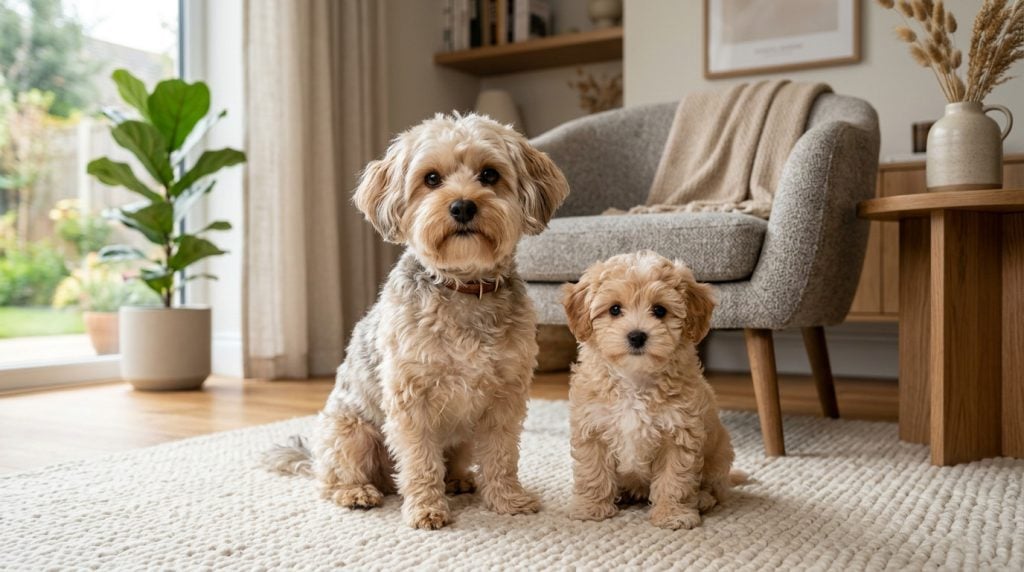
Living with a Yorkipoo means enjoying a lively and affectionate companion. They often bring joy with their playful antics and quick adaptability to family routines. Many owners appreciate their eagerness to be part of daily activities, making them feel like a true member of the household.
At a glance
Core care
- Size: Small
- Energy: Moderate to high
- Grooming: Low
- Shedding: Low
Support style
- Sensitivity: High
- Training style: Willing
Breed guide
Choose a section to explore. These notes describe common patterns, but individual dogs vary widely.
The Yorkipoo, a delightful mix of the Yorkshire Terrier and Poodle, embodies a blend of spirited charm and intelligence. This mixed breed was initially developed to combine the best traits of its parent breeds, aiming for a small dog with a hypoallergenic coat and a friendly disposition. Today, Yorkipoos are cherished for their vibrant personalities and ability to adapt to various living environments, reflecting the versatility of their origins.
Physically, Yorkipoos are small dogs, typically weighing between 3 to 7 kilograms, making them well-suited for apartment living. Their compact size doesn’t hinder their presence; they often carry themselves with a lively and confident demeanor. Their coat, which can range from curly to wavy, requires regular grooming to maintain its texture and prevent matting. This grooming routine is a small price to pay for a dog that sheds minimally, making them a popular choice for those with allergies.
Temperamentally, Yorkipoos are known for their social and affectionate nature. They thrive on interaction and often form strong bonds with their families. Owners frequently notice their dog’s eagerness to please, which, combined with their intelligence, makes them relatively easy to train. However, their high sensitivity means they respond best to gentle, positive reinforcement rather than harsh corrections.
While Yorkipoos generally embody the traits described, individual dogs can vary significantly. Factors such as genetics, early socialization, and training all play a role in shaping a Yorkipoo’s personality. Prospective owners should be prepared for the unique quirks and characteristics their specific dog may exhibit, keeping in mind that this breed’s adaptability is one of its most endearing qualities.
Yorkipoos are often described as social butterflies, eager to engage with both their human families and other pets. Their social nature stems from their desire to be involved in family activities, whether that means joining in on a walk or simply sitting by your side as you relax. This tendency to be close to their people is something many owners appreciate, as it creates a strong sense of companionship.
Their high sensitivity means Yorkipoos are attuned to the emotions and moods of those around them. This can make them particularly responsive to training when positive reinforcement is used. They tend to pick up on cues quickly, making them willing participants in learning new commands and tricks. However, their sensitivity also means they may become anxious if left alone for long periods, so they do best in homes where someone is often around.
In everyday life, Yorkipoos often display a playful and energetic demeanor. They love interactive play and can be quite the entertainers with their antics. This playful nature, combined with their intelligence, means they thrive when given mental stimulation alongside physical exercise. Puzzle toys, training games, and varied activities can keep them engaged and happy.
While Yorkipoos generally share these social and playful traits, individual dogs can vary. Some may be more reserved or independent, depending on their upbringing and experiences. It’s important for owners to spend time understanding their Yorkipoo’s unique personality, as this will help in providing the best care and companionship for their furry friend.
A typical day for a Yorkipoo involves a healthy mix of physical activity and mental engagement. Despite their small size, they have a moderate to high energy level, meaning they enjoy regular walks and play sessions. A couple of short walks each day, combined with some playtime in the garden or a local park, usually satisfies their physical needs.
Mental enrichment is equally important for this intelligent breed. Yorkipoos benefit from activities that challenge their minds, such as puzzle toys or training sessions that teach new tricks. These activities not only keep them entertained but also help prevent boredom, which can lead to unwanted behaviours. Owners often find that a mentally stimulated Yorkipoo is a happy and well-behaved companion.
As Yorkipoos age, their exercise needs may change. Puppies, with their boundless energy, require more frequent play and short bursts of activity. As they mature, their energy levels may stabilise, but they still appreciate regular outings and mental challenges. Senior Yorkipoos might slow down, but gentle walks and low-impact play can help keep them fit and healthy.
It’s important for owners to tailor exercise routines to their individual dog’s needs, keeping in mind that over-exercising a young puppy or an older dog can be detrimental. Observing how your Yorkipoo responds to different activities will help guide you in providing the right balance of exercise and enrichment for their stage of life.
Training a Yorkipoo often feels like a rewarding experience due to their willingness to learn and eagerness to please. Many owners find that using positive reinforcement techniques, such as treats and praise, works exceptionally well with this breed. Their intelligence means they quickly pick up on commands, making training sessions both productive and enjoyable.
Impulse control can be a challenge, especially during adolescence, when Yorkipoos may test boundaries. Consistent training and patience are key during this period. Establishing clear rules and routines helps them understand expectations, and regular training sessions can reinforce good behaviour. Owners often notice that maintaining a calm and consistent approach yields the best results.
Building a strong relationship with your Yorkipoo is crucial for successful training. These dogs thrive on interaction and often respond best when they feel connected to their owner. Spending quality time together, whether through training or play, helps strengthen this bond and encourages cooperation.
For those new to dog ownership or facing specific training challenges, enrolling in a course like ‘Puppy Beginnings: Building a Calm Start’ can provide valuable guidance. This course offers insights into understanding your dog’s behaviour and developing effective training strategies, ensuring a positive and fulfilling experience for both you and your Yorkipoo.
Yorkipoos tend to adapt well to various living environments, making them suitable for both city apartments and suburban homes. Their small size and moderate exercise needs mean they don’t require a large garden, but they do appreciate regular outings and playtime. Many owners find that their Yorkipoo’s adaptable nature allows them to fit seamlessly into different lifestyles.
Families with children often find Yorkipoos to be delightful companions. Their playful and affectionate nature makes them great playmates for kids, although supervision is always recommended to ensure interactions are safe and positive. Yorkipoos can also coexist peacefully with other pets, especially if they are socialised from a young age.
While Yorkipoos are adaptable, they do best in homes where they receive plenty of attention and interaction. They thrive on being part of the family and can become anxious if left alone for long periods. Prospective owners should consider their ability to meet these social needs before bringing a Yorkipoo into their home.
Ultimately, the key to a happy Yorkipoo is a loving and interactive environment. They tend to flourish in homes where they are considered a true member of the family, involved in daily activities and given plenty of affection and mental stimulation.
Health is a crucial aspect of a Yorkipoo’s overall wellbeing, influencing their behaviour and quality of life. While generally healthy, Yorkipoos can be prone to certain health issues common in their parent breeds, such as dental problems and patellar luxation. Regular veterinary check-ups are essential to monitor their health and catch any potential issues early.
Preventive care plays a significant role in maintaining a Yorkipoo’s health. This includes a balanced diet, regular exercise, and routine vaccinations. Dental care is particularly important, as small breeds like the Yorkipoo can be susceptible to dental disease. Regular brushing and dental check-ups can help keep their teeth and gums healthy.
Owners often notice that a healthy Yorkipoo is more energetic and engaged, highlighting the connection between physical health and behaviour. Addressing health concerns promptly can prevent them from affecting your dog’s mood and activity levels. It’s important to be observant of any changes in behaviour or physical condition and consult a vet if you have concerns.
Overall, being proactive about your Yorkipoo’s health can lead to a happier, more active companion. Understanding common health issues and taking preventive measures can help ensure your dog enjoys a long and healthy life.
The Yorkipoo is a relatively modern breed that emerged from the desire to combine the best qualities of the Yorkshire Terrier and the Poodle. This hybrid was developed in the late 20th century as part of the growing trend of designer dogs, with the aim of creating a small companion dog with a hypoallergenic coat and a friendly, intelligent nature.
Yorkshire Terriers, one of the parent breeds, were originally bred in England for catching rats in textile mills, known for their tenacity and boldness despite their small size. Poodles, on the other hand, have a history as water retrievers in Germany and France, prized for their intelligence and trainability. By combining these breeds, breeders hoped to produce a dog that was both smart and sociable.
The resulting Yorkipoo quickly gained popularity due to its charming personality and adaptable nature. Their small size and low shedding coat made them particularly appealing to those living in urban environments or with allergies. As more people discovered the joys of owning a Yorkipoo, their reputation as a delightful companion spread.
Today, the Yorkipoo continues to be a beloved pet, appreciated for its lively spirit and affectionate nature. Their history as a designer breed explains their diverse traits, combining the best of both parent breeds to create a dog that fits well into a variety of lifestyles.
What shapes individual dogs
- Early social experiences
- Training approach
- Environment & routine
- Genetics & breeding
- Health & pain
- Age / life stage
The Yorkipoo, a delightful mix of the Yorkshire Terrier and Poodle, embodies a blend of spirited charm and intelligence. This mixed breed was initially developed to combine the best traits of its parent breeds, aiming for a small dog with a hypoallergenic coat and a friendly disposition. Today, Yorkipoos are cherished for their vibrant personalities and ability to adapt to various living environments, reflecting the versatility of their origins.
Physically, Yorkipoos are small dogs, typically weighing between 3 to 7 kilograms, making them well-suited for apartment living. Their compact size doesn’t hinder their presence; they often carry themselves with a lively and confident demeanor. Their coat, which can range from curly to wavy, requires regular grooming to maintain its texture and prevent matting. This grooming routine is a small price to pay for a dog that sheds minimally, making them a popular choice for those with allergies.
Temperamentally, Yorkipoos are known for their social and affectionate nature. They thrive on interaction and often form strong bonds with their families. Owners frequently notice their dog’s eagerness to please, which, combined with their intelligence, makes them relatively easy to train. However, their high sensitivity means they respond best to gentle, positive reinforcement rather than harsh corrections.
While Yorkipoos generally embody the traits described, individual dogs can vary significantly. Factors such as genetics, early socialization, and training all play a role in shaping a Yorkipoo’s personality. Prospective owners should be prepared for the unique quirks and characteristics their specific dog may exhibit, keeping in mind that this breed’s adaptability is one of its most endearing qualities.
Yorkipoos are often described as social butterflies, eager to engage with both their human families and other pets. Their social nature stems from their desire to be involved in family activities, whether that means joining in on a walk or simply sitting by your side as you relax. This tendency to be close to their people is something many owners appreciate, as it creates a strong sense of companionship.
Their high sensitivity means Yorkipoos are attuned to the emotions and moods of those around them. This can make them particularly responsive to training when positive reinforcement is used. They tend to pick up on cues quickly, making them willing participants in learning new commands and tricks. However, their sensitivity also means they may become anxious if left alone for long periods, so they do best in homes where someone is often around.
In everyday life, Yorkipoos often display a playful and energetic demeanor. They love interactive play and can be quite the entertainers with their antics. This playful nature, combined with their intelligence, means they thrive when given mental stimulation alongside physical exercise. Puzzle toys, training games, and varied activities can keep them engaged and happy.
While Yorkipoos generally share these social and playful traits, individual dogs can vary. Some may be more reserved or independent, depending on their upbringing and experiences. It’s important for owners to spend time understanding their Yorkipoo’s unique personality, as this will help in providing the best care and companionship for their furry friend.
A typical day for a Yorkipoo involves a healthy mix of physical activity and mental engagement. Despite their small size, they have a moderate to high energy level, meaning they enjoy regular walks and play sessions. A couple of short walks each day, combined with some playtime in the garden or a local park, usually satisfies their physical needs.
Mental enrichment is equally important for this intelligent breed. Yorkipoos benefit from activities that challenge their minds, such as puzzle toys or training sessions that teach new tricks. These activities not only keep them entertained but also help prevent boredom, which can lead to unwanted behaviours. Owners often find that a mentally stimulated Yorkipoo is a happy and well-behaved companion.
As Yorkipoos age, their exercise needs may change. Puppies, with their boundless energy, require more frequent play and short bursts of activity. As they mature, their energy levels may stabilise, but they still appreciate regular outings and mental challenges. Senior Yorkipoos might slow down, but gentle walks and low-impact play can help keep them fit and healthy.
It’s important for owners to tailor exercise routines to their individual dog’s needs, keeping in mind that over-exercising a young puppy or an older dog can be detrimental. Observing how your Yorkipoo responds to different activities will help guide you in providing the right balance of exercise and enrichment for their stage of life.
Training a Yorkipoo often feels like a rewarding experience due to their willingness to learn and eagerness to please. Many owners find that using positive reinforcement techniques, such as treats and praise, works exceptionally well with this breed. Their intelligence means they quickly pick up on commands, making training sessions both productive and enjoyable.
Impulse control can be a challenge, especially during adolescence, when Yorkipoos may test boundaries. Consistent training and patience are key during this period. Establishing clear rules and routines helps them understand expectations, and regular training sessions can reinforce good behaviour. Owners often notice that maintaining a calm and consistent approach yields the best results.
Building a strong relationship with your Yorkipoo is crucial for successful training. These dogs thrive on interaction and often respond best when they feel connected to their owner. Spending quality time together, whether through training or play, helps strengthen this bond and encourages cooperation.
For those new to dog ownership or facing specific training challenges, enrolling in a course like ‘Puppy Beginnings: Building a Calm Start’ can provide valuable guidance. This course offers insights into understanding your dog’s behaviour and developing effective training strategies, ensuring a positive and fulfilling experience for both you and your Yorkipoo.
Yorkipoos tend to adapt well to various living environments, making them suitable for both city apartments and suburban homes. Their small size and moderate exercise needs mean they don’t require a large garden, but they do appreciate regular outings and playtime. Many owners find that their Yorkipoo’s adaptable nature allows them to fit seamlessly into different lifestyles.
Families with children often find Yorkipoos to be delightful companions. Their playful and affectionate nature makes them great playmates for kids, although supervision is always recommended to ensure interactions are safe and positive. Yorkipoos can also coexist peacefully with other pets, especially if they are socialised from a young age.
While Yorkipoos are adaptable, they do best in homes where they receive plenty of attention and interaction. They thrive on being part of the family and can become anxious if left alone for long periods. Prospective owners should consider their ability to meet these social needs before bringing a Yorkipoo into their home.
Ultimately, the key to a happy Yorkipoo is a loving and interactive environment. They tend to flourish in homes where they are considered a true member of the family, involved in daily activities and given plenty of affection and mental stimulation.
Health is a crucial aspect of a Yorkipoo’s overall wellbeing, influencing their behaviour and quality of life. While generally healthy, Yorkipoos can be prone to certain health issues common in their parent breeds, such as dental problems and patellar luxation. Regular veterinary check-ups are essential to monitor their health and catch any potential issues early.
Preventive care plays a significant role in maintaining a Yorkipoo’s health. This includes a balanced diet, regular exercise, and routine vaccinations. Dental care is particularly important, as small breeds like the Yorkipoo can be susceptible to dental disease. Regular brushing and dental check-ups can help keep their teeth and gums healthy.
Owners often notice that a healthy Yorkipoo is more energetic and engaged, highlighting the connection between physical health and behaviour. Addressing health concerns promptly can prevent them from affecting your dog’s mood and activity levels. It’s important to be observant of any changes in behaviour or physical condition and consult a vet if you have concerns.
Overall, being proactive about your Yorkipoo’s health can lead to a happier, more active companion. Understanding common health issues and taking preventive measures can help ensure your dog enjoys a long and healthy life.
The Yorkipoo is a relatively modern breed that emerged from the desire to combine the best qualities of the Yorkshire Terrier and the Poodle. This hybrid was developed in the late 20th century as part of the growing trend of designer dogs, with the aim of creating a small companion dog with a hypoallergenic coat and a friendly, intelligent nature.
Yorkshire Terriers, one of the parent breeds, were originally bred in England for catching rats in textile mills, known for their tenacity and boldness despite their small size. Poodles, on the other hand, have a history as water retrievers in Germany and France, prized for their intelligence and trainability. By combining these breeds, breeders hoped to produce a dog that was both smart and sociable.
The resulting Yorkipoo quickly gained popularity due to its charming personality and adaptable nature. Their small size and low shedding coat made them particularly appealing to those living in urban environments or with allergies. As more people discovered the joys of owning a Yorkipoo, their reputation as a delightful companion spread.
Today, the Yorkipoo continues to be a beloved pet, appreciated for its lively spirit and affectionate nature. Their history as a designer breed explains their diverse traits, combining the best of both parent breeds to create a dog that fits well into a variety of lifestyles.
What shapes individual dogs
- Early social experiences
- Training approach
- Environment & routine
- Genetics & breeding
- Health & pain
- Age / life stage
Want support with this?
This course is perfect for new Yorkipoo owners looking to establish a calm and positive foundation with their puppy.