
Toy Fox Terrier
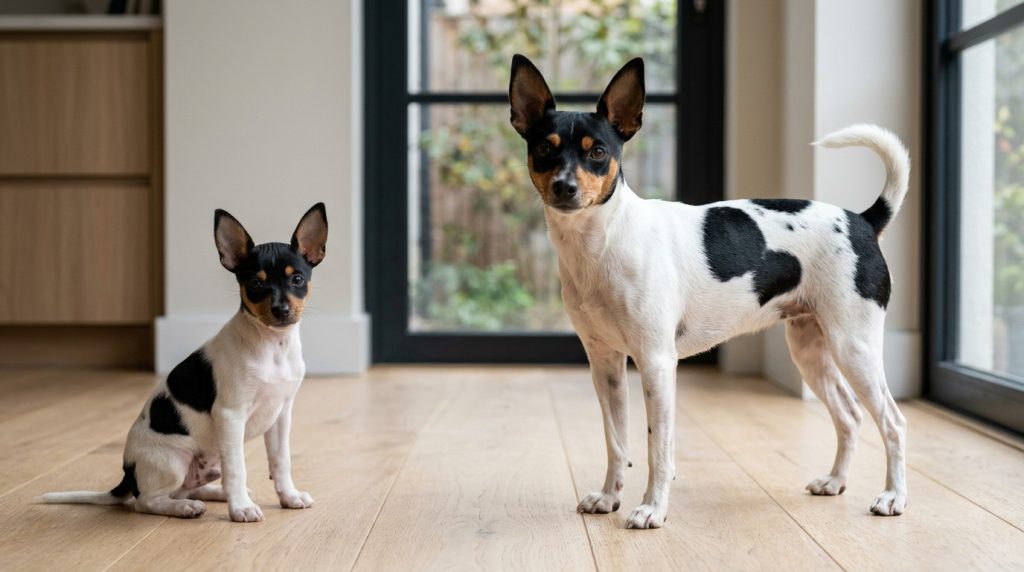
Living with a Toy Fox Terrier often means sharing your space with a lively and curious companion. Their small size belies a big personality, and they frequently bring a sense of fun and playfulness to the household. Many owners find that these dogs are quick to form strong bonds with their families, often showing a keen interest in being involved in daily activities.
At a glance
Core care
- Size: Toy
- Energy: Moderate to high
- Grooming: Low
- Shedding: Low
Support style
- Sensitivity: Moderate
- Training style: Willing
Breed guide
Choose a section to explore. These notes describe common patterns, but individual dogs vary widely.
The Toy Fox Terrier traces its roots back to the early 20th century, where it was developed in the United States by crossing smaller Smooth Fox Terriers with various toy breeds. This blend of tenacity and charm has resulted in a dog that is both spirited and affectionate. Today, the Toy Fox Terrier retains its ancestors’ lively nature, often displaying a zest for life and a keen intelligence that makes them engaging companions.
Physically, the Toy Fox Terrier is small yet sturdy, with a sleek, short coat that requires minimal grooming. Their compact size makes them well-suited for apartment living, but their energetic disposition means they appreciate opportunities to stretch their legs and explore. Owners often notice their dog’s agile movements and quick reflexes, traits that hint at their terrier heritage.
Temperamentally, Toy Fox Terriers are known for their playful and curious nature. They are often eager to interact with their human family and can be quite entertaining with their antics. While they are generally friendly, some may exhibit a degree of independence, a nod to their terrier lineage. Owners frequently observe their dog’s alertness and keen sense of awareness, making them excellent watchdogs despite their small stature.
As with any breed, individual Toy Fox Terriers can vary in personality and behaviour. While many are outgoing and sociable, others may be more reserved or independent. Prospective owners should be prepared for a dog that thrives on attention and engagement but also appreciates a consistent routine. Understanding these variations helps in nurturing a well-adjusted and happy companion.
Toy Fox Terriers are often described as having a lively and engaging social nature. They tend to form strong bonds with their families and enjoy being part of the action. This breed’s social motivations are deeply rooted in their desire for companionship and interaction, which often results in a dog that is eager to please and quick to learn new things.
Owners typically notice their Toy Fox Terrier’s alertness and curiosity about their surroundings. These dogs often display a keen interest in the activities of their human companions, frequently following them from room to room. Their moderate sensitivity means they are generally responsive to their owner’s moods and can be quite intuitive in their interactions.
The breed’s willingness to learn and adapt makes them relatively easy to train, especially when positive reinforcement methods are employed. Many owners find that their Toy Fox Terrier responds well to consistency and patience, thriving in an environment where they feel understood and supported. Their trainability often shines through in their eagerness to participate in games and activities.
However, it’s important to remember that individual Toy Fox Terriers can vary in their temperament. While many are outgoing and sociable, some may be more reserved or independent. Understanding these tendencies and being attuned to their needs helps in fostering a harmonious relationship, ensuring they feel secure and valued within the family dynamic.
A typical day for a Toy Fox Terrier involves a mix of play, exploration, and rest. Despite their small size, they often have a moderate to high energy level, so daily walks and play sessions are important. Owners often find that their dog enjoys a variety of activities, from chasing a ball in the garden to engaging in interactive games indoors.
Physical exercise is crucial for this breed, but mental enrichment is equally important. Toy Fox Terriers are intelligent and curious, so puzzle toys and training sessions can help keep their minds sharp. Many owners also incorporate agility exercises or simple tricks to provide both mental and physical stimulation, which these dogs tend to enjoy.
As they age, the exercise needs of a Toy Fox Terrier may change. Puppies and young adults often require more activity to burn off their energy, while older dogs might appreciate shorter, more frequent walks. It’s important to tailor activities to their individual energy levels and health considerations, ensuring they remain happy and healthy throughout their lives.
While they are generally adaptable, Toy Fox Terriers do best in environments where they can engage in regular activity. Owners should be mindful of not over-exercising them, especially in extreme weather conditions, as their small size can make them more susceptible to temperature changes. Balancing exercise with rest is key to maintaining their overall wellbeing.
Training a Toy Fox Terrier often feels like working with a smart and eager student. They typically respond well to positive reinforcement techniques, where praise and treats are used to encourage desired behaviours. Many owners find that their dog’s willingness to learn makes training sessions enjoyable and rewarding.
Consistency is crucial when training this breed. Establishing clear boundaries and routines helps them understand what is expected, and they often thrive in environments where they feel secure and supported. Impulse control can be a challenge, especially during adolescence, but with patience and understanding, they can learn to manage their excitement.
Building a strong relationship based on trust and respect is important for effective training. Toy Fox Terriers are sensitive to their owner’s tone and body language, so maintaining a calm and encouraging approach tends to yield the best results. Many owners appreciate their dog’s ability to pick up on cues and adapt to their environment.
For those new to the breed, enrolling in a training class can provide valuable support and guidance. These classes not only help with basic obedience but also offer socialisation opportunities, which are important for developing a well-rounded dog. With the right approach, training a Toy Fox Terrier can be a fulfilling experience that strengthens the bond between dog and owner.
Toy Fox Terriers tend to adapt well to a variety of living environments, making them suitable for both city apartments and suburban homes. Their small size and low grooming needs make them an appealing choice for those with limited space. However, they do require regular exercise and mental stimulation to prevent boredom.
Many owners find that Toy Fox Terriers thrive in homes where they can be part of the family activities. They often enjoy being involved in day-to-day routines and can be quite entertaining with their playful antics. Their alert nature also makes them good watchdogs, often alerting their owners to any unusual activity.
When it comes to living with children and other pets, Toy Fox Terriers generally do well, especially if they are socialised from a young age. They tend to be playful and can form strong bonds with family members. However, due to their small size, supervision is recommended during interactions with young children to ensure gentle handling.
While they are adaptable, prospective owners should consider their lifestyle and how a Toy Fox Terrier would fit into it. These dogs often do best in homes where they receive plenty of attention and interaction. Understanding their needs and providing a balanced environment helps ensure they remain happy and well-adjusted companions.
The health of a Toy Fox Terrier is closely tied to their overall wellbeing and quality of life. Regular veterinary check-ups are important for monitoring their health and catching any potential issues early. Preventive care, such as vaccinations and parasite control, plays a key role in maintaining their health.
Common health considerations for the breed include patellar luxation and certain eye conditions. Owners should be aware of the signs of these issues and seek veterinary advice if they notice any changes in their dog’s movement or vision. Keeping an eye on their weight is also important, as obesity can exacerbate joint issues.
Dental care is another important aspect of their health. Toy Fox Terriers, like many small breeds, can be prone to dental problems, so regular teeth brushing and dental check-ups are recommended. Many owners find that incorporating dental chews into their dog’s routine can help maintain oral health.
Overall, being proactive about health care helps ensure a Toy Fox Terrier remains a happy and active member of the family. Understanding their specific health needs and working closely with a veterinarian can help address any concerns and keep them in good shape throughout their life.
The Toy Fox Terrier’s history is a fascinating blend of practicality and companionship. Developed in the United States during the early 20th century, this breed was created by crossing smaller Smooth Fox Terriers with various toy breeds, such as the Chihuahua and the Italian Greyhound. The goal was to produce a smaller, more manageable version of the traditional Fox Terrier, while retaining its spirited nature.
Originally bred for hunting small game and controlling vermin, the Toy Fox Terrier’s tenacity and agility were highly valued. Their small size allowed them to excel in these tasks, while their lively personality made them endearing companions. Over time, their role shifted more towards being a companion dog, although their hunting instincts remain evident in their alert and active nature.
The breed’s development was shaped by the need for a dog that could adapt to various roles, from working on farms to being a cherished family pet. This versatility is still evident today, as Toy Fox Terriers are known for their adaptability and eagerness to engage with their human companions. Their history as working dogs contributes to their intelligence and trainability, traits that many owners appreciate.
Understanding the Toy Fox Terrier’s origins provides insight into their modern-day characteristics. Their blend of energy, intelligence, and affection makes them a unique and cherished breed. Whether as a lively companion or a vigilant watchdog, the Toy Fox Terrier’s history continues to influence their role in the lives of those who welcome them into their homes.
What shapes individual dogs
- Early social experiences
- Training approach
- Environment & routine
- Genetics & breeding
- Health & pain
- Age / life stage
The Toy Fox Terrier traces its roots back to the early 20th century, where it was developed in the United States by crossing smaller Smooth Fox Terriers with various toy breeds. This blend of tenacity and charm has resulted in a dog that is both spirited and affectionate. Today, the Toy Fox Terrier retains its ancestors’ lively nature, often displaying a zest for life and a keen intelligence that makes them engaging companions.
Physically, the Toy Fox Terrier is small yet sturdy, with a sleek, short coat that requires minimal grooming. Their compact size makes them well-suited for apartment living, but their energetic disposition means they appreciate opportunities to stretch their legs and explore. Owners often notice their dog’s agile movements and quick reflexes, traits that hint at their terrier heritage.
Temperamentally, Toy Fox Terriers are known for their playful and curious nature. They are often eager to interact with their human family and can be quite entertaining with their antics. While they are generally friendly, some may exhibit a degree of independence, a nod to their terrier lineage. Owners frequently observe their dog’s alertness and keen sense of awareness, making them excellent watchdogs despite their small stature.
As with any breed, individual Toy Fox Terriers can vary in personality and behaviour. While many are outgoing and sociable, others may be more reserved or independent. Prospective owners should be prepared for a dog that thrives on attention and engagement but also appreciates a consistent routine. Understanding these variations helps in nurturing a well-adjusted and happy companion.
Toy Fox Terriers are often described as having a lively and engaging social nature. They tend to form strong bonds with their families and enjoy being part of the action. This breed’s social motivations are deeply rooted in their desire for companionship and interaction, which often results in a dog that is eager to please and quick to learn new things.
Owners typically notice their Toy Fox Terrier’s alertness and curiosity about their surroundings. These dogs often display a keen interest in the activities of their human companions, frequently following them from room to room. Their moderate sensitivity means they are generally responsive to their owner’s moods and can be quite intuitive in their interactions.
The breed’s willingness to learn and adapt makes them relatively easy to train, especially when positive reinforcement methods are employed. Many owners find that their Toy Fox Terrier responds well to consistency and patience, thriving in an environment where they feel understood and supported. Their trainability often shines through in their eagerness to participate in games and activities.
However, it’s important to remember that individual Toy Fox Terriers can vary in their temperament. While many are outgoing and sociable, some may be more reserved or independent. Understanding these tendencies and being attuned to their needs helps in fostering a harmonious relationship, ensuring they feel secure and valued within the family dynamic.
A typical day for a Toy Fox Terrier involves a mix of play, exploration, and rest. Despite their small size, they often have a moderate to high energy level, so daily walks and play sessions are important. Owners often find that their dog enjoys a variety of activities, from chasing a ball in the garden to engaging in interactive games indoors.
Physical exercise is crucial for this breed, but mental enrichment is equally important. Toy Fox Terriers are intelligent and curious, so puzzle toys and training sessions can help keep their minds sharp. Many owners also incorporate agility exercises or simple tricks to provide both mental and physical stimulation, which these dogs tend to enjoy.
As they age, the exercise needs of a Toy Fox Terrier may change. Puppies and young adults often require more activity to burn off their energy, while older dogs might appreciate shorter, more frequent walks. It’s important to tailor activities to their individual energy levels and health considerations, ensuring they remain happy and healthy throughout their lives.
While they are generally adaptable, Toy Fox Terriers do best in environments where they can engage in regular activity. Owners should be mindful of not over-exercising them, especially in extreme weather conditions, as their small size can make them more susceptible to temperature changes. Balancing exercise with rest is key to maintaining their overall wellbeing.
Training a Toy Fox Terrier often feels like working with a smart and eager student. They typically respond well to positive reinforcement techniques, where praise and treats are used to encourage desired behaviours. Many owners find that their dog’s willingness to learn makes training sessions enjoyable and rewarding.
Consistency is crucial when training this breed. Establishing clear boundaries and routines helps them understand what is expected, and they often thrive in environments where they feel secure and supported. Impulse control can be a challenge, especially during adolescence, but with patience and understanding, they can learn to manage their excitement.
Building a strong relationship based on trust and respect is important for effective training. Toy Fox Terriers are sensitive to their owner’s tone and body language, so maintaining a calm and encouraging approach tends to yield the best results. Many owners appreciate their dog’s ability to pick up on cues and adapt to their environment.
For those new to the breed, enrolling in a training class can provide valuable support and guidance. These classes not only help with basic obedience but also offer socialisation opportunities, which are important for developing a well-rounded dog. With the right approach, training a Toy Fox Terrier can be a fulfilling experience that strengthens the bond between dog and owner.
Toy Fox Terriers tend to adapt well to a variety of living environments, making them suitable for both city apartments and suburban homes. Their small size and low grooming needs make them an appealing choice for those with limited space. However, they do require regular exercise and mental stimulation to prevent boredom.
Many owners find that Toy Fox Terriers thrive in homes where they can be part of the family activities. They often enjoy being involved in day-to-day routines and can be quite entertaining with their playful antics. Their alert nature also makes them good watchdogs, often alerting their owners to any unusual activity.
When it comes to living with children and other pets, Toy Fox Terriers generally do well, especially if they are socialised from a young age. They tend to be playful and can form strong bonds with family members. However, due to their small size, supervision is recommended during interactions with young children to ensure gentle handling.
While they are adaptable, prospective owners should consider their lifestyle and how a Toy Fox Terrier would fit into it. These dogs often do best in homes where they receive plenty of attention and interaction. Understanding their needs and providing a balanced environment helps ensure they remain happy and well-adjusted companions.
The health of a Toy Fox Terrier is closely tied to their overall wellbeing and quality of life. Regular veterinary check-ups are important for monitoring their health and catching any potential issues early. Preventive care, such as vaccinations and parasite control, plays a key role in maintaining their health.
Common health considerations for the breed include patellar luxation and certain eye conditions. Owners should be aware of the signs of these issues and seek veterinary advice if they notice any changes in their dog’s movement or vision. Keeping an eye on their weight is also important, as obesity can exacerbate joint issues.
Dental care is another important aspect of their health. Toy Fox Terriers, like many small breeds, can be prone to dental problems, so regular teeth brushing and dental check-ups are recommended. Many owners find that incorporating dental chews into their dog’s routine can help maintain oral health.
Overall, being proactive about health care helps ensure a Toy Fox Terrier remains a happy and active member of the family. Understanding their specific health needs and working closely with a veterinarian can help address any concerns and keep them in good shape throughout their life.
The Toy Fox Terrier’s history is a fascinating blend of practicality and companionship. Developed in the United States during the early 20th century, this breed was created by crossing smaller Smooth Fox Terriers with various toy breeds, such as the Chihuahua and the Italian Greyhound. The goal was to produce a smaller, more manageable version of the traditional Fox Terrier, while retaining its spirited nature.
Originally bred for hunting small game and controlling vermin, the Toy Fox Terrier’s tenacity and agility were highly valued. Their small size allowed them to excel in these tasks, while their lively personality made them endearing companions. Over time, their role shifted more towards being a companion dog, although their hunting instincts remain evident in their alert and active nature.
The breed’s development was shaped by the need for a dog that could adapt to various roles, from working on farms to being a cherished family pet. This versatility is still evident today, as Toy Fox Terriers are known for their adaptability and eagerness to engage with their human companions. Their history as working dogs contributes to their intelligence and trainability, traits that many owners appreciate.
Understanding the Toy Fox Terrier’s origins provides insight into their modern-day characteristics. Their blend of energy, intelligence, and affection makes them a unique and cherished breed. Whether as a lively companion or a vigilant watchdog, the Toy Fox Terrier’s history continues to influence their role in the lives of those who welcome them into their homes.
What shapes individual dogs
- Early social experiences
- Training approach
- Environment & routine
- Genetics & breeding
- Health & pain
- Age / life stage
Want support with this?
This course is ideal for helping new Toy Fox Terrier owners navigate the early stages of their dog's life, ensuring a calm and positive start.