
Shiba Pom
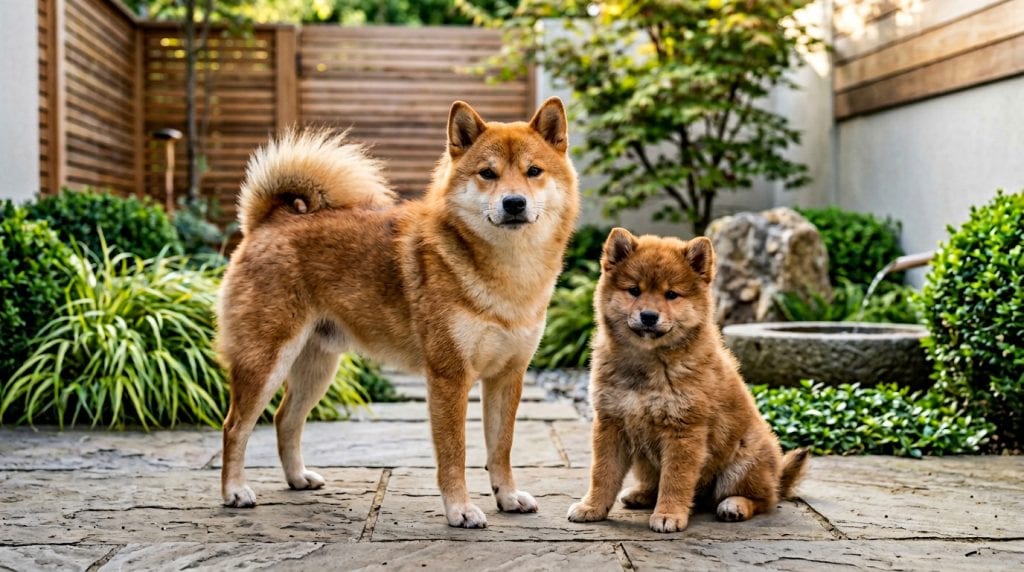
Living with a Shiba Pom can feel like sharing your home with a small, spirited companion who often balances independence with moments of affectionate connection. Their alert nature and lively energy make them engaging pets, while their independent streak means they may not always be at your feet, but they certainly enjoy being part of the family dynamic.
At a glance
Core care
- Size: Small
- Energy: Moderate to high
- Grooming: Low
- Shedding: Moderate
Support style
- Sensitivity: Moderate
- Training style: Independent
Breed guide
Choose a section to explore. These notes describe common patterns, but individual dogs vary widely.
The Shiba Pom, a delightful mix of the Shiba Inu and Pomeranian, carries the legacy of its parent breeds into modern life. The Shiba Inu, originally bred as a hunting dog in Japan, brings a sense of independence and alertness to the mix. Meanwhile, the Pomeranian, with its roots as a companion dog, adds a layer of sociability and playfulness. Together, these traits create a breed that is both engaging and self-reliant, often displaying a curious nature that keeps owners on their toes.
Physically, the Shiba Pom is a small dog, typically weighing between 10 and 20 pounds. This compact size makes them well-suited for a variety of living situations, from apartments to larger homes. Their coat, which can range from the dense, plush fur of the Pomeranian to the more straightforward coat of the Shiba Inu, requires regular grooming to keep it looking its best. Owners often find that a weekly brushing helps manage shedding and keeps their coat in good condition.
In terms of temperament, Shiba Poms are known for their spirited and sometimes independent nature. They are often alert and curious, traits inherited from their Shiba Inu lineage, making them excellent watchdogs despite their small size. However, they also enjoy social interactions, especially with their family, and can be quite affectionate. Owners frequently notice that their Shiba Pom enjoys a balance of playtime and quiet companionship.
While the Shiba Pom has some common traits, it’s important to remember that each dog is an individual. Factors such as early socialisation, training, and the environment can greatly influence their behaviour. Prospective owners should be prepared for variations in temperament and energy levels, ensuring they provide a nurturing environment that caters to their unique personality.
Shiba Poms often exhibit a blend of social curiosity and independence, making them intriguing companions. Many owners notice that their Shiba Pom enjoys observing the world around them, often from a favourite spot in the house. This behaviour stems from their natural alertness, a trait that can make them excellent at picking up on changes in their environment.
Their independent streak, inherited from the Shiba Inu side, means they may not always seek out constant attention, but they do appreciate being part of the family activities. Owners often find that their Shiba Pom will follow them from room to room, not necessarily to engage, but to keep an eye on the household happenings. This balance of independence and sociability can be endearing, as it allows them to be both a companion and a self-sufficient pet.
Sensitivity in Shiba Poms tends to be moderate, meaning they can be affected by changes in their environment or routine, but they generally adapt well with proper support. Owners might notice that their dog is particularly attuned to their emotions, often providing comfort during stressful times. This sensitivity, coupled with their independent nature, means they benefit from a consistent routine and gentle guidance.
Training a Shiba Pom can sometimes be a test of patience due to their independent tendencies. They respond best to positive reinforcement and consistency, which helps them understand what is expected without feeling pressured. While they may not be the easiest breed to train, their intelligence and eagerness to please can make the process rewarding for both dog and owner.
A typical day for a Shiba Pom involves a mix of physical activity and mental stimulation to keep them happy and healthy. Despite their small size, they often have a moderate to high energy level, which means they benefit from daily walks and play sessions. Owners often find that two short walks a day, combined with some interactive playtime, helps meet their exercise needs.
Mental enrichment is equally important for this breed, as their curious nature thrives on new challenges. Puzzle toys, scent games, and training sessions can provide the mental stimulation they crave. Owners might notice that their Shiba Pom enjoys learning new tricks or solving a puzzle toy, which can be a great way to bond and keep their minds sharp.
As they age, Shiba Poms may require adjustments to their exercise routine. While puppies and young adults might have boundless energy, older dogs often appreciate a more relaxed pace. It’s important to tailor their activities to their individual energy levels and physical capabilities, ensuring they remain active without overexertion.
Owners should be mindful of not overdoing exercise, especially in extreme weather conditions, as their small size can make them susceptible to heat or cold. Providing a balanced routine that includes both physical and mental activities will help ensure their wellbeing and happiness throughout their life stages.
Training a Shiba Pom can often feel like a dance of patience and creativity, as their independent nature sometimes leads them to question commands. Many owners find that a gentle approach, using positive reinforcement techniques, works best. Rewarding good behaviour with treats or praise tends to encourage cooperation without overwhelming their independent spirit.
Impulse control can be a challenge, especially during adolescence when their curiosity and energy levels peak. Consistent training sessions that focus on basic commands and impulse control exercises can help manage this phase. Owners often notice that short, frequent training sessions are more effective than long ones, as they keep the dog’s attention and make learning enjoyable.
Building a strong relationship based on trust and respect is crucial for training success with a Shiba Pom. They respond well to owners who understand their need for independence while providing clear and consistent guidance. This balance helps them feel secure and more willing to engage in training activities.
Adolescence can bring its own set of challenges, as Shiba Poms may test boundaries and exhibit stubbornness. However, with patience and a positive approach, they often grow into well-mannered adults. Encouraging owners to see training as an ongoing journey rather than a destination can help maintain a positive outlook and foster a lifelong bond with their dog.
The Shiba Pom can adapt to a variety of living environments, making them a versatile choice for many households. Their small size and moderate energy levels mean they can thrive in both apartments and larger homes, provided they receive adequate exercise and mental stimulation. Owners often find that their Shiba Pom enjoys having a cosy space of their own, such as a bed or crate, where they can retreat for quiet time.
This breed tends to do well in homes where they can be part of family activities, as they enjoy observing and sometimes participating in the daily routine. While they are generally good with children, interactions should always be supervised, especially with younger kids who might not understand the dog’s need for space at times. Shiba Poms can be social with other pets, but early socialisation is key to ensuring harmonious relationships.
Owners often notice that their Shiba Pom appreciates a balance of activity and relaxation, making them well-suited for families who enjoy both playtime and quiet evenings. Their independent nature means they can handle some alone time, but they thrive when they feel included in family life. Providing them with toys and activities to keep them occupied can help prevent boredom.
While they are adaptable, Shiba Poms benefit from a stable routine that provides them with predictability and security. Prospective owners should consider their lifestyle and ensure they can meet the breed’s needs for companionship, exercise, and mental stimulation. By doing so, they can enjoy a rewarding relationship with this spirited and engaging breed.
Health is an important aspect of a Shiba Pom’s overall wellbeing, and attentive care can help them lead a happy and active life. Regular veterinary check-ups are crucial for monitoring their health and catching any potential issues early. Owners often find that maintaining a balanced diet and regular exercise contributes significantly to their dog’s health.
Some health considerations for Shiba Poms may include dental care, as small breeds can be prone to dental issues. Regular brushing and dental check-ups can help prevent problems. Additionally, being aware of their weight and ensuring they do not become overweight is important, as excess weight can lead to joint issues and other health concerns.
Preventive care, such as vaccinations and parasite control, is essential for keeping a Shiba Pom healthy. Owners should also be mindful of any changes in behaviour or appetite, as these can sometimes indicate health issues. Being proactive and seeking veterinary advice when something seems amiss can make a significant difference in their quality of life.
Overall, attentive care and a strong partnership with a veterinarian can help ensure that a Shiba Pom remains healthy and happy. By focusing on preventive measures and being observant of their dog’s needs, owners can provide the best possible care for their furry companion.
The Shiba Pom is a delightful hybrid that brings together the rich histories of the Shiba Inu and Pomeranian breeds. The Shiba Inu, one of Japan’s oldest native breeds, was originally developed for hunting small game in the mountainous regions. This background contributes to their alert and independent nature, traits that are often seen in the Shiba Pom today.
On the other hand, the Pomeranian hails from the larger Spitz-type dogs of the Arctic regions, which were eventually bred down to the small, companionable size we know today. Known for their lively and sociable nature, Pomeranians have long been favoured as companion animals, a trait that adds a layer of sociability to the Shiba Pom mix.
The combination of these two breeds results in a dog that is both spirited and affectionate, with a unique blend of independence and sociability. Owners often notice that their Shiba Pom inherits the best of both worlds, making them engaging companions who enjoy both play and quiet time with their family.
Understanding the origins of the Shiba Pom helps explain their behaviour and needs, providing insight into their alertness, independence, and sociability. This knowledge can help owners appreciate the unique qualities of their pet and provide care that honours their rich heritage.
What shapes individual dogs
- Early social experiences
- Training approach
- Environment & routine
- Genetics & breeding
- Health & pain
- Age / life stage
The Shiba Pom, a delightful mix of the Shiba Inu and Pomeranian, carries the legacy of its parent breeds into modern life. The Shiba Inu, originally bred as a hunting dog in Japan, brings a sense of independence and alertness to the mix. Meanwhile, the Pomeranian, with its roots as a companion dog, adds a layer of sociability and playfulness. Together, these traits create a breed that is both engaging and self-reliant, often displaying a curious nature that keeps owners on their toes.
Physically, the Shiba Pom is a small dog, typically weighing between 10 and 20 pounds. This compact size makes them well-suited for a variety of living situations, from apartments to larger homes. Their coat, which can range from the dense, plush fur of the Pomeranian to the more straightforward coat of the Shiba Inu, requires regular grooming to keep it looking its best. Owners often find that a weekly brushing helps manage shedding and keeps their coat in good condition.
In terms of temperament, Shiba Poms are known for their spirited and sometimes independent nature. They are often alert and curious, traits inherited from their Shiba Inu lineage, making them excellent watchdogs despite their small size. However, they also enjoy social interactions, especially with their family, and can be quite affectionate. Owners frequently notice that their Shiba Pom enjoys a balance of playtime and quiet companionship.
While the Shiba Pom has some common traits, it’s important to remember that each dog is an individual. Factors such as early socialisation, training, and the environment can greatly influence their behaviour. Prospective owners should be prepared for variations in temperament and energy levels, ensuring they provide a nurturing environment that caters to their unique personality.
Shiba Poms often exhibit a blend of social curiosity and independence, making them intriguing companions. Many owners notice that their Shiba Pom enjoys observing the world around them, often from a favourite spot in the house. This behaviour stems from their natural alertness, a trait that can make them excellent at picking up on changes in their environment.
Their independent streak, inherited from the Shiba Inu side, means they may not always seek out constant attention, but they do appreciate being part of the family activities. Owners often find that their Shiba Pom will follow them from room to room, not necessarily to engage, but to keep an eye on the household happenings. This balance of independence and sociability can be endearing, as it allows them to be both a companion and a self-sufficient pet.
Sensitivity in Shiba Poms tends to be moderate, meaning they can be affected by changes in their environment or routine, but they generally adapt well with proper support. Owners might notice that their dog is particularly attuned to their emotions, often providing comfort during stressful times. This sensitivity, coupled with their independent nature, means they benefit from a consistent routine and gentle guidance.
Training a Shiba Pom can sometimes be a test of patience due to their independent tendencies. They respond best to positive reinforcement and consistency, which helps them understand what is expected without feeling pressured. While they may not be the easiest breed to train, their intelligence and eagerness to please can make the process rewarding for both dog and owner.
A typical day for a Shiba Pom involves a mix of physical activity and mental stimulation to keep them happy and healthy. Despite their small size, they often have a moderate to high energy level, which means they benefit from daily walks and play sessions. Owners often find that two short walks a day, combined with some interactive playtime, helps meet their exercise needs.
Mental enrichment is equally important for this breed, as their curious nature thrives on new challenges. Puzzle toys, scent games, and training sessions can provide the mental stimulation they crave. Owners might notice that their Shiba Pom enjoys learning new tricks or solving a puzzle toy, which can be a great way to bond and keep their minds sharp.
As they age, Shiba Poms may require adjustments to their exercise routine. While puppies and young adults might have boundless energy, older dogs often appreciate a more relaxed pace. It’s important to tailor their activities to their individual energy levels and physical capabilities, ensuring they remain active without overexertion.
Owners should be mindful of not overdoing exercise, especially in extreme weather conditions, as their small size can make them susceptible to heat or cold. Providing a balanced routine that includes both physical and mental activities will help ensure their wellbeing and happiness throughout their life stages.
Training a Shiba Pom can often feel like a dance of patience and creativity, as their independent nature sometimes leads them to question commands. Many owners find that a gentle approach, using positive reinforcement techniques, works best. Rewarding good behaviour with treats or praise tends to encourage cooperation without overwhelming their independent spirit.
Impulse control can be a challenge, especially during adolescence when their curiosity and energy levels peak. Consistent training sessions that focus on basic commands and impulse control exercises can help manage this phase. Owners often notice that short, frequent training sessions are more effective than long ones, as they keep the dog’s attention and make learning enjoyable.
Building a strong relationship based on trust and respect is crucial for training success with a Shiba Pom. They respond well to owners who understand their need for independence while providing clear and consistent guidance. This balance helps them feel secure and more willing to engage in training activities.
Adolescence can bring its own set of challenges, as Shiba Poms may test boundaries and exhibit stubbornness. However, with patience and a positive approach, they often grow into well-mannered adults. Encouraging owners to see training as an ongoing journey rather than a destination can help maintain a positive outlook and foster a lifelong bond with their dog.
The Shiba Pom can adapt to a variety of living environments, making them a versatile choice for many households. Their small size and moderate energy levels mean they can thrive in both apartments and larger homes, provided they receive adequate exercise and mental stimulation. Owners often find that their Shiba Pom enjoys having a cosy space of their own, such as a bed or crate, where they can retreat for quiet time.
This breed tends to do well in homes where they can be part of family activities, as they enjoy observing and sometimes participating in the daily routine. While they are generally good with children, interactions should always be supervised, especially with younger kids who might not understand the dog’s need for space at times. Shiba Poms can be social with other pets, but early socialisation is key to ensuring harmonious relationships.
Owners often notice that their Shiba Pom appreciates a balance of activity and relaxation, making them well-suited for families who enjoy both playtime and quiet evenings. Their independent nature means they can handle some alone time, but they thrive when they feel included in family life. Providing them with toys and activities to keep them occupied can help prevent boredom.
While they are adaptable, Shiba Poms benefit from a stable routine that provides them with predictability and security. Prospective owners should consider their lifestyle and ensure they can meet the breed’s needs for companionship, exercise, and mental stimulation. By doing so, they can enjoy a rewarding relationship with this spirited and engaging breed.
Health is an important aspect of a Shiba Pom’s overall wellbeing, and attentive care can help them lead a happy and active life. Regular veterinary check-ups are crucial for monitoring their health and catching any potential issues early. Owners often find that maintaining a balanced diet and regular exercise contributes significantly to their dog’s health.
Some health considerations for Shiba Poms may include dental care, as small breeds can be prone to dental issues. Regular brushing and dental check-ups can help prevent problems. Additionally, being aware of their weight and ensuring they do not become overweight is important, as excess weight can lead to joint issues and other health concerns.
Preventive care, such as vaccinations and parasite control, is essential for keeping a Shiba Pom healthy. Owners should also be mindful of any changes in behaviour or appetite, as these can sometimes indicate health issues. Being proactive and seeking veterinary advice when something seems amiss can make a significant difference in their quality of life.
Overall, attentive care and a strong partnership with a veterinarian can help ensure that a Shiba Pom remains healthy and happy. By focusing on preventive measures and being observant of their dog’s needs, owners can provide the best possible care for their furry companion.
The Shiba Pom is a delightful hybrid that brings together the rich histories of the Shiba Inu and Pomeranian breeds. The Shiba Inu, one of Japan’s oldest native breeds, was originally developed for hunting small game in the mountainous regions. This background contributes to their alert and independent nature, traits that are often seen in the Shiba Pom today.
On the other hand, the Pomeranian hails from the larger Spitz-type dogs of the Arctic regions, which were eventually bred down to the small, companionable size we know today. Known for their lively and sociable nature, Pomeranians have long been favoured as companion animals, a trait that adds a layer of sociability to the Shiba Pom mix.
The combination of these two breeds results in a dog that is both spirited and affectionate, with a unique blend of independence and sociability. Owners often notice that their Shiba Pom inherits the best of both worlds, making them engaging companions who enjoy both play and quiet time with their family.
Understanding the origins of the Shiba Pom helps explain their behaviour and needs, providing insight into their alertness, independence, and sociability. This knowledge can help owners appreciate the unique qualities of their pet and provide care that honours their rich heritage.
What shapes individual dogs
- Early social experiences
- Training approach
- Environment & routine
- Genetics & breeding
- Health & pain
- Age / life stage
Want support with this?
This course is helpful for understanding the Shiba Pom's unique blend of independence and sociability, aiding in better communication and care.