
Peekapoo
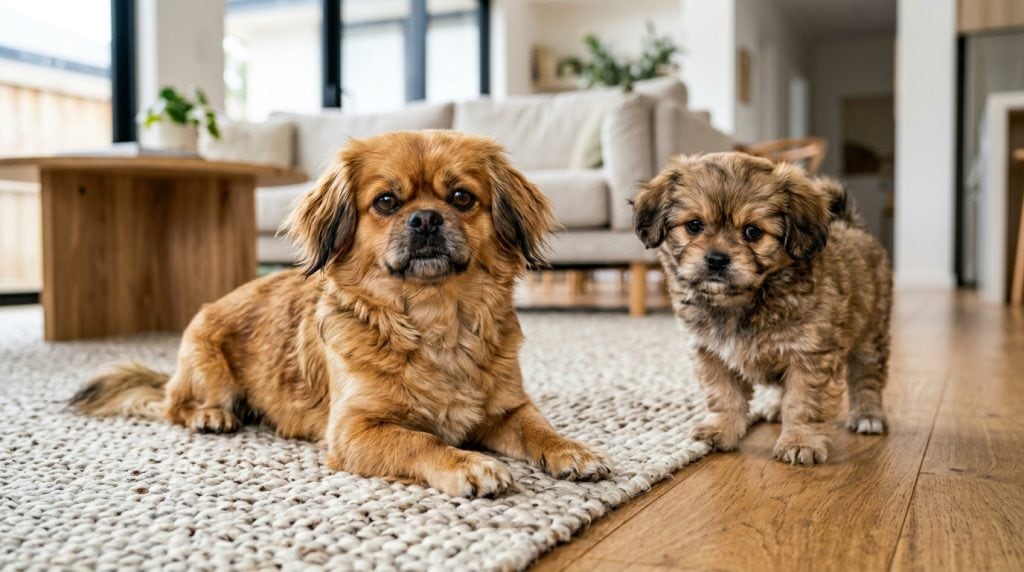
Living with a Peekapoo often means enjoying the company of a small dog with a big personality. These dogs tend to be deeply affectionate, often seeking out their owner's lap for a cuddle or their attention for a game. Despite their size, they have a spirited nature that keeps life lively and engaging.
At a glance
Core care
- Size: Small
- Energy: Moderate
- Grooming: Low
- Shedding: Low
Support style
- Sensitivity: High
- Training style: Moderate
Breed guide
Choose a section to explore. These notes describe common patterns, but individual dogs vary widely.
The Peekapoo is a delightful blend of the Pekingese and the Poodle, combining traits from both parent breeds into a unique and charming companion. Originally bred as a designer dog in the 1960s, the Peekapoo was intended to capture the best qualities of its parent breeds. The Pekingese contributes a regal, independent streak, while the Poodle adds intelligence and hypoallergenic qualities. This mix results in a dog that is both affectionate and clever, often forming strong bonds with their human families.
Physically, the Peekapoo is a small dog, typically weighing between 4 to 9 kilograms. Their size makes them well-suited to apartment living, but they still enjoy a good romp in the garden. Their coat can vary, often taking on the curly, low-shedding nature of the Poodle, which requires regular grooming to prevent matting. This manageable size and coat make them a popular choice for those looking for a small, low-shedding companion.
In terms of temperament, Peekapoos are known for their affectionate nature and high sensitivity. They often thrive on human interaction and can become quite attached to their families. This sensitivity means they may not always be the best fit for very young children who might not understand the need for gentle handling. However, with the right environment and understanding, they can be wonderful family pets.
While Peekapoos share common traits, individual dogs can vary significantly. Factors such as genetics, early socialisation, and daily experiences all play a role in shaping their personalities. Prospective owners should be prepared for some variation and be willing to adapt to their individual dog’s needs and quirks.
Peekapoos often exhibit a strong desire for companionship, reflecting their history as a lap dog. They tend to form close bonds with their families and can be quite affectionate. This social nature means they often prefer to be involved in family activities, whether that’s lounging on the couch or joining in on a walk. Their sensitivity can make them quite attuned to their owner’s emotions, which can be both a comfort and a challenge.
Their high sensitivity means that Peekapoos can be quite responsive to their environment. Loud noises or chaotic situations might unsettle them, so a calm and stable home environment is often best. Owners often notice that these dogs are quick to pick up on changes in routine or mood, which can make them excellent companions but also means they might need reassurance during times of change.
Training a Peekapoo can be a rewarding experience due to their intelligence and eagerness to please. However, their sensitive nature means that harsh training methods are not suitable. Positive reinforcement, patience, and consistency are key to bringing out the best in them. They may sometimes display a stubborn streak, inherited from their Pekingese lineage, but with gentle guidance, they usually respond well.
Peekapoos thrive on interaction and can become bored or anxious if left alone for long periods. Owners often find that mental enrichment activities, such as puzzle toys or interactive games, help keep their Peekapoo engaged and happy. Understanding these tendencies can help owners create a supportive environment that nurtures their Peekapoo’s social and emotional needs.
A typical day for a Peekapoo involves moderate exercise, tailored to their energy levels. While they are not as high-energy as some breeds, they still enjoy daily walks and playtime to keep them physically and mentally stimulated. Short, frequent walks are often ideal, allowing them to explore their environment while burning off energy.
In addition to physical exercise, Peekapoos benefit from mental enrichment. Puzzle toys, scent games, and interactive play can help keep their intelligent minds engaged. These activities not only provide stimulation but also strengthen the bond between the dog and their owner. Owners often find that a combination of physical and mental activities helps keep their Peekapoo happy and well-adjusted.
As Peekapoos age, their exercise needs may change. Older Peekapoos might not require as much physical activity, but they still benefit from gentle walks and mental stimulation. Tailoring exercise to the individual dog’s age and health is important to ensure they remain healthy and content throughout their life.
It’s important to avoid over-exercising Peekapoos, especially in hot weather, as their small size and potential brachycephalic traits from the Pekingese side can make them prone to overheating. Owners should pay attention to their Peekapoo’s cues and adjust activity levels accordingly to ensure their well-being.
Training a Peekapoo often feels like a balancing act between encouraging their intelligence and managing their sensitivity. Owners frequently find that these dogs respond best to positive reinforcement techniques, such as treats and praise, which help build their confidence and willingness to learn. Consistency is crucial, as Peekapoos can be sensitive to changes in routine or expectations.
Impulse control can be an area where Peekapoos need extra support. Their curious and sometimes stubborn nature might lead them to test boundaries, especially during adolescence. Gentle guidance and patience are essential during this stage, as is providing clear and consistent boundaries to help them understand what is expected.
Building a strong relationship based on trust and understanding is key to successful training with a Peekapoo. Owners often notice that their Peekapoo thrives when they feel secure and understood. This relationship-focused approach can make training a rewarding experience for both dog and owner, fostering a deeper bond.
For new Peekapoo owners, enrolling in a course like “Puppy Beginnings: Building a Calm Start” can provide valuable insights into managing the challenges of adolescence and setting a solid foundation for future training. This course can help owners develop the skills needed to support their Peekapoo’s training journey effectively.
Peekapoos tend to adapt well to various living environments, making them suitable for both apartments and houses. Their small size and moderate energy levels mean they don’t require a large garden to thrive, but they do appreciate access to outdoor space for play and exploration. Owners often find that Peekapoos enjoy being part of the family and are happiest when included in daily activities.
When it comes to living with children, Peekapoos can be wonderful companions, provided the children understand how to interact gently with a small dog. Their sensitive nature means they may not tolerate rough handling, but they can form strong bonds with respectful children. Supervised interactions are always recommended to ensure positive experiences for both the dog and the children.
Peekapoos can also live harmoniously with other pets, especially if they are introduced gradually and with care. Their social nature often means they enjoy the company of other animals, but individual temperament and early socialisation play significant roles in how well they adjust to multi-pet households. Owners should monitor interactions and provide guidance to ensure a peaceful coexistence.
Overall, Peekapoos fit well into homes where they can receive plenty of attention and affection. They thrive in environments where they are considered part of the family and can participate in daily life. Understanding their needs and providing a supportive home environment can help Peekapoos flourish.
The health of a Peekapoo is closely linked to their overall wellbeing and quality of life. As with any breed, preventive care is essential to ensure they remain healthy and happy. Regular veterinary check-ups, vaccinations, and parasite control are all important aspects of maintaining their health.
Peekapoos may be prone to certain health issues, such as respiratory problems, particularly if they inherit the brachycephalic traits of the Pekingese. Owners should be mindful of signs of breathing difficulties and seek veterinary advice if they notice any concerning symptoms. Maintaining a healthy weight and avoiding excessive heat can help manage these potential issues.
Dental health is another area to focus on, as small breeds can be prone to dental problems. Regular tooth brushing and dental chews can help prevent plaque build-up and maintain oral health. Owners should also be aware of signs of dental discomfort, such as reluctance to eat or bad breath, and seek veterinary care if needed.
Understanding the health needs of a Peekapoo and providing appropriate care can help ensure they lead a healthy and fulfilling life. Owners should always consult with their veterinarian for personalised advice and guidance on their Peekapoo’s health needs.
The Peekapoo’s history is relatively recent, emerging in the 1960s as part of the designer dog movement. Breeders sought to combine the best traits of the Pekingese and the Poodle, aiming for a small, intelligent, and affectionate companion with a low-shedding coat. This intentional crossbreeding aimed to create a dog that would appeal to those looking for a hypoallergenic pet with a charming personality.
The Pekingese, one of the Peekapoo’s parent breeds, has a long history as a companion dog, originally bred for Chinese royalty. Known for their regal appearance and independent nature, Pekingese have a strong presence and a distinctive look. The Poodle, on the other hand, is renowned for its intelligence and hypoallergenic coat, making it a popular choice for crossbreeding.
The combination of these two breeds results in a dog that often inherits the best of both worlds. Peekapoos typically have the affectionate and loyal nature of the Pekingese, combined with the intelligence and trainability of the Poodle. This blend of traits makes them appealing to a wide range of dog lovers seeking a small, engaging companion.
Today, Peekapoos continue to be popular as family pets, valued for their loving nature and adaptability. Their history as a designer breed highlights the ongoing interest in creating dogs that meet specific lifestyle needs, and the Peekapoo’s continued popularity suggests that they have successfully captured the hearts of many dog enthusiasts.
What shapes individual dogs
- Early social experiences
- Training approach
- Environment & routine
- Genetics & breeding
- Health & pain
- Age / life stage
The Peekapoo is a delightful blend of the Pekingese and the Poodle, combining traits from both parent breeds into a unique and charming companion. Originally bred as a designer dog in the 1960s, the Peekapoo was intended to capture the best qualities of its parent breeds. The Pekingese contributes a regal, independent streak, while the Poodle adds intelligence and hypoallergenic qualities. This mix results in a dog that is both affectionate and clever, often forming strong bonds with their human families.
Physically, the Peekapoo is a small dog, typically weighing between 4 to 9 kilograms. Their size makes them well-suited to apartment living, but they still enjoy a good romp in the garden. Their coat can vary, often taking on the curly, low-shedding nature of the Poodle, which requires regular grooming to prevent matting. This manageable size and coat make them a popular choice for those looking for a small, low-shedding companion.
In terms of temperament, Peekapoos are known for their affectionate nature and high sensitivity. They often thrive on human interaction and can become quite attached to their families. This sensitivity means they may not always be the best fit for very young children who might not understand the need for gentle handling. However, with the right environment and understanding, they can be wonderful family pets.
While Peekapoos share common traits, individual dogs can vary significantly. Factors such as genetics, early socialisation, and daily experiences all play a role in shaping their personalities. Prospective owners should be prepared for some variation and be willing to adapt to their individual dog’s needs and quirks.
Peekapoos often exhibit a strong desire for companionship, reflecting their history as a lap dog. They tend to form close bonds with their families and can be quite affectionate. This social nature means they often prefer to be involved in family activities, whether that’s lounging on the couch or joining in on a walk. Their sensitivity can make them quite attuned to their owner’s emotions, which can be both a comfort and a challenge.
Their high sensitivity means that Peekapoos can be quite responsive to their environment. Loud noises or chaotic situations might unsettle them, so a calm and stable home environment is often best. Owners often notice that these dogs are quick to pick up on changes in routine or mood, which can make them excellent companions but also means they might need reassurance during times of change.
Training a Peekapoo can be a rewarding experience due to their intelligence and eagerness to please. However, their sensitive nature means that harsh training methods are not suitable. Positive reinforcement, patience, and consistency are key to bringing out the best in them. They may sometimes display a stubborn streak, inherited from their Pekingese lineage, but with gentle guidance, they usually respond well.
Peekapoos thrive on interaction and can become bored or anxious if left alone for long periods. Owners often find that mental enrichment activities, such as puzzle toys or interactive games, help keep their Peekapoo engaged and happy. Understanding these tendencies can help owners create a supportive environment that nurtures their Peekapoo’s social and emotional needs.
A typical day for a Peekapoo involves moderate exercise, tailored to their energy levels. While they are not as high-energy as some breeds, they still enjoy daily walks and playtime to keep them physically and mentally stimulated. Short, frequent walks are often ideal, allowing them to explore their environment while burning off energy.
In addition to physical exercise, Peekapoos benefit from mental enrichment. Puzzle toys, scent games, and interactive play can help keep their intelligent minds engaged. These activities not only provide stimulation but also strengthen the bond between the dog and their owner. Owners often find that a combination of physical and mental activities helps keep their Peekapoo happy and well-adjusted.
As Peekapoos age, their exercise needs may change. Older Peekapoos might not require as much physical activity, but they still benefit from gentle walks and mental stimulation. Tailoring exercise to the individual dog’s age and health is important to ensure they remain healthy and content throughout their life.
It’s important to avoid over-exercising Peekapoos, especially in hot weather, as their small size and potential brachycephalic traits from the Pekingese side can make them prone to overheating. Owners should pay attention to their Peekapoo’s cues and adjust activity levels accordingly to ensure their well-being.
Training a Peekapoo often feels like a balancing act between encouraging their intelligence and managing their sensitivity. Owners frequently find that these dogs respond best to positive reinforcement techniques, such as treats and praise, which help build their confidence and willingness to learn. Consistency is crucial, as Peekapoos can be sensitive to changes in routine or expectations.
Impulse control can be an area where Peekapoos need extra support. Their curious and sometimes stubborn nature might lead them to test boundaries, especially during adolescence. Gentle guidance and patience are essential during this stage, as is providing clear and consistent boundaries to help them understand what is expected.
Building a strong relationship based on trust and understanding is key to successful training with a Peekapoo. Owners often notice that their Peekapoo thrives when they feel secure and understood. This relationship-focused approach can make training a rewarding experience for both dog and owner, fostering a deeper bond.
For new Peekapoo owners, enrolling in a course like “Puppy Beginnings: Building a Calm Start” can provide valuable insights into managing the challenges of adolescence and setting a solid foundation for future training. This course can help owners develop the skills needed to support their Peekapoo’s training journey effectively.
Peekapoos tend to adapt well to various living environments, making them suitable for both apartments and houses. Their small size and moderate energy levels mean they don’t require a large garden to thrive, but they do appreciate access to outdoor space for play and exploration. Owners often find that Peekapoos enjoy being part of the family and are happiest when included in daily activities.
When it comes to living with children, Peekapoos can be wonderful companions, provided the children understand how to interact gently with a small dog. Their sensitive nature means they may not tolerate rough handling, but they can form strong bonds with respectful children. Supervised interactions are always recommended to ensure positive experiences for both the dog and the children.
Peekapoos can also live harmoniously with other pets, especially if they are introduced gradually and with care. Their social nature often means they enjoy the company of other animals, but individual temperament and early socialisation play significant roles in how well they adjust to multi-pet households. Owners should monitor interactions and provide guidance to ensure a peaceful coexistence.
Overall, Peekapoos fit well into homes where they can receive plenty of attention and affection. They thrive in environments where they are considered part of the family and can participate in daily life. Understanding their needs and providing a supportive home environment can help Peekapoos flourish.
The health of a Peekapoo is closely linked to their overall wellbeing and quality of life. As with any breed, preventive care is essential to ensure they remain healthy and happy. Regular veterinary check-ups, vaccinations, and parasite control are all important aspects of maintaining their health.
Peekapoos may be prone to certain health issues, such as respiratory problems, particularly if they inherit the brachycephalic traits of the Pekingese. Owners should be mindful of signs of breathing difficulties and seek veterinary advice if they notice any concerning symptoms. Maintaining a healthy weight and avoiding excessive heat can help manage these potential issues.
Dental health is another area to focus on, as small breeds can be prone to dental problems. Regular tooth brushing and dental chews can help prevent plaque build-up and maintain oral health. Owners should also be aware of signs of dental discomfort, such as reluctance to eat or bad breath, and seek veterinary care if needed.
Understanding the health needs of a Peekapoo and providing appropriate care can help ensure they lead a healthy and fulfilling life. Owners should always consult with their veterinarian for personalised advice and guidance on their Peekapoo’s health needs.
The Peekapoo’s history is relatively recent, emerging in the 1960s as part of the designer dog movement. Breeders sought to combine the best traits of the Pekingese and the Poodle, aiming for a small, intelligent, and affectionate companion with a low-shedding coat. This intentional crossbreeding aimed to create a dog that would appeal to those looking for a hypoallergenic pet with a charming personality.
The Pekingese, one of the Peekapoo’s parent breeds, has a long history as a companion dog, originally bred for Chinese royalty. Known for their regal appearance and independent nature, Pekingese have a strong presence and a distinctive look. The Poodle, on the other hand, is renowned for its intelligence and hypoallergenic coat, making it a popular choice for crossbreeding.
The combination of these two breeds results in a dog that often inherits the best of both worlds. Peekapoos typically have the affectionate and loyal nature of the Pekingese, combined with the intelligence and trainability of the Poodle. This blend of traits makes them appealing to a wide range of dog lovers seeking a small, engaging companion.
Today, Peekapoos continue to be popular as family pets, valued for their loving nature and adaptability. Their history as a designer breed highlights the ongoing interest in creating dogs that meet specific lifestyle needs, and the Peekapoo’s continued popularity suggests that they have successfully captured the hearts of many dog enthusiasts.
What shapes individual dogs
- Early social experiences
- Training approach
- Environment & routine
- Genetics & breeding
- Health & pain
- Age / life stage
Want support with this?
This course is ideal for Peekapoo owners to navigate the challenges of adolescence and build a strong foundation for training.