
Cava-Tzu
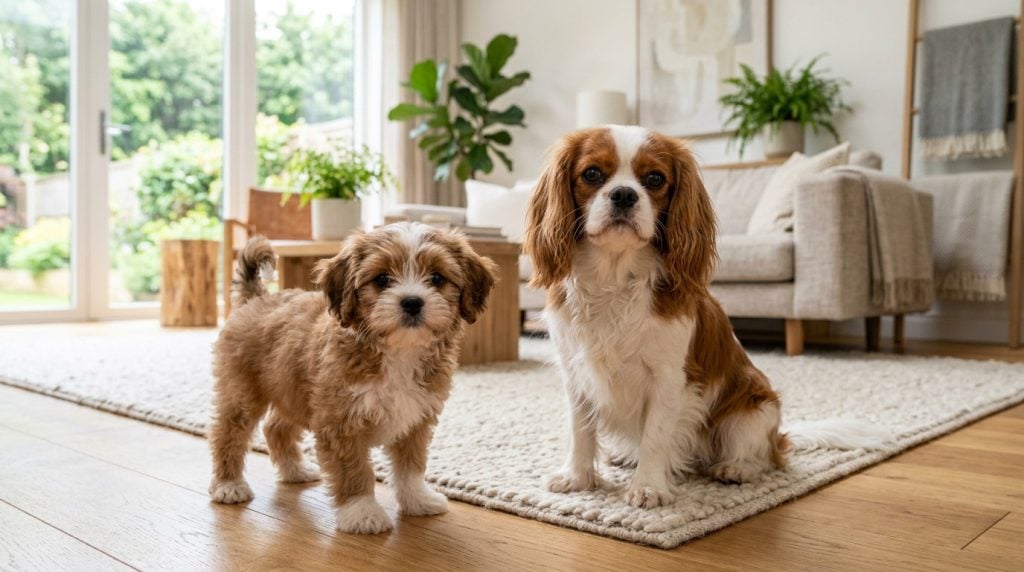
Living with a Cava-Tzu often means having a small, affectionate companion who enjoys being part of the family. Their gentle nature and willingness to engage make them a delightful presence in many homes. While they may not demand constant attention, they do appreciate being involved in daily activities, whether it's a leisurely walk or a quiet afternoon at home.
At a glance
Core care
- Size: Small
- Energy: Moderate
- Grooming: Low
- Shedding: Low
Support style
- Sensitivity: Moderate
- Training style: Willing
Breed guide
Choose a section to explore. These notes describe common patterns, but individual dogs vary widely.
The Cava-Tzu is a charming blend of the Cavalier King Charles Spaniel and the Shih Tzu, two breeds known for their affectionate and companionable nature. This mixed breed inherits a rich history of companionship, as both parent breeds were originally bred as lapdogs for royalty and nobility. This background helps explain why many Cava-Tzus are content to be close to their human companions, providing warmth and comfort in everyday life.
Physically, the Cava-Tzu is a small dog, often weighing between 10 to 16 pounds. Their size makes them well-suited for apartment living or homes with limited space. Many owners find their compact size convenient for travel and outings, as they can be easily carried or transported. Their coat, a mix of the silky Cavalier and the more textured Shih Tzu, requires regular grooming to keep it looking its best.
Temperamentally, Cava-Tzus are generally friendly and sociable, enjoying the company of both humans and other pets. They tend to be moderately sensitive, which means they respond well to gentle guidance and positive reinforcement. Owners often notice their willingness to learn and please, making them relatively easy to train. However, like all dogs, individual personalities can vary, with some being more independent or reserved than others.
It’s important for potential owners to have realistic expectations about what living with a Cava-Tzu entails. While they are generally adaptable and easygoing, each dog is unique, shaped by their genetics and experiences. Prospective owners should be prepared for a range of behaviours and be willing to invest time in understanding and nurturing their dog’s individual needs.
Cava-Tzus are often described as affectionate and social, enjoying the company of their human family members. Many owners notice that their Cava-Tzu is happiest when they are involved in family activities, whether it’s lounging on the couch or joining in on a walk. This social nature stems from their heritage as companion dogs, bred to be close to their humans.
Their moderate sensitivity means they are generally attuned to the emotions of those around them. This can make them excellent companions for those who appreciate a dog that seems to understand their mood. However, this sensitivity also means they may not respond well to harsh training methods. Positive reinforcement and gentle guidance are typically more effective, helping to build a trusting relationship.
Cava-Tzus are known for their willingness to learn, which can make training a rewarding experience. They often pick up new commands quickly, especially when training sessions are kept fun and engaging. Owners often find that their Cava-Tzu enjoys the mental stimulation that comes with learning new tricks or commands, which can also help prevent boredom.
Despite their generally agreeable nature, individual Cava-Tzus can vary in their behaviour. Some may be more independent, while others might be more clingy. It’s important for owners to recognise and respect their dog’s unique personality, providing an environment that supports their individual needs. Understanding these nuances can help foster a strong bond between the dog and their family.
A typical day for a Cava-Tzu involves moderate exercise, which suits their energy level well. They enjoy daily walks, which not only provide physical exercise but also mental stimulation as they explore their surroundings. These walks don’t need to be overly long, but regular outings help keep them healthy and happy.
In addition to walks, Cava-Tzus benefit from playtime that engages their mind. Interactive toys, puzzle feeders, and short training sessions can be excellent ways to provide mental enrichment. These activities help satisfy their curiosity and prevent boredom, which can sometimes lead to unwanted behaviours.
As Cava-Tzus age, their exercise needs may change. Puppies and young dogs often have bursts of energy and may require more frequent play sessions. As they mature, they might prefer more leisurely activities. It’s important for owners to adjust their routine to match their dog’s life stage, ensuring they remain active and engaged.
Owners should be mindful not to over-exercise their Cava-Tzu, especially in hot weather, as their small size can make them more susceptible to overheating. Providing a balance of physical activity and mental enrichment helps maintain their overall well-being, ensuring they remain a happy and healthy part of the family.
Training a Cava-Tzu often feels like a collaborative effort, as they are generally eager to please and responsive to positive reinforcement. Owners frequently find that their Cava-Tzu responds well to praise, treats, and play, making training sessions enjoyable for both parties.
Given their willingness to learn, consistency is key in training. Regular, short sessions tend to be more effective than long, infrequent ones. This approach helps reinforce desired behaviours without overwhelming the dog. Many owners notice that their Cava-Tzu thrives in an environment where they know what to expect, making routines beneficial.
During adolescence, some Cava-Tzus may test boundaries, a common phase for many dogs. Patience and continued positive reinforcement are crucial during this time. Owners might find that reinforcing basic commands and maintaining a consistent routine helps navigate this period smoothly.
Building a strong relationship based on trust and understanding is essential for successful training. Each Cava-Tzu is unique, and what works for one might not work for another. Being attuned to their individual needs and adjusting training methods accordingly can lead to a more harmonious and fulfilling companionship.
The Cava-Tzu often fits well into a variety of home environments, thanks to their adaptable and friendly nature. Their small size and moderate energy levels make them well-suited for both apartments and houses. Many owners find that their Cava-Tzu is content as long as they have the opportunity to be part of family life.
Families with children often appreciate the Cava-Tzu’s gentle and sociable temperament. While they generally get along well with kids, it’s important to supervise interactions to ensure that both the dog and children are comfortable. Teaching children how to interact respectfully with pets helps foster a positive relationship.
Cava-Tzus can also coexist peacefully with other pets, especially when introduced properly. Their friendly disposition means they often enjoy the company of other dogs and even cats. However, as with any breed, individual personalities can vary, and gradual introductions are key to successful multi-pet households.
Understanding the Cava-Tzu’s needs and providing an environment that supports their social and physical well-being is crucial. Prospective owners should consider their lifestyle and ensure they can meet the breed’s need for companionship and moderate activity. This thoughtful approach helps ensure a harmonious match between the dog and their home.
Health is a key component of a Cava-Tzu’s overall well-being, influencing their behaviour and quality of life. Regular veterinary check-ups are important to monitor their health and address any concerns early. Preventive care, including vaccinations and parasite control, helps maintain their health and prevent common issues.
Cava-Tzus may be prone to certain health conditions inherited from their parent breeds, such as heart issues from the Cavalier King Charles Spaniel or respiratory problems from the Shih Tzu. Being aware of these potential concerns allows owners to take proactive measures, such as monitoring for symptoms and seeking veterinary advice when needed.
Dental health is another important aspect of care for Cava-Tzus. Regular brushing and dental check-ups can help prevent dental disease, which is common in small breeds. Maintaining good dental hygiene contributes to their overall health and comfort.
Owners should also be attentive to their Cava-Tzu’s weight, as obesity can lead to additional health problems. Providing a balanced diet and appropriate exercise helps maintain a healthy weight, supporting their long-term health and vitality. Being informed and proactive in their care ensures that Cava-Tzus can lead happy, healthy lives.
The Cava-Tzu is a delightful mix of the Cavalier King Charles Spaniel and the Shih Tzu, two breeds with rich histories as beloved companion animals. The Cavalier King Charles Spaniel, with its roots in the courts of Europe, was bred to be a lapdog for royalty, known for its gentle and affectionate nature. This history of companionship is evident in the Cava-Tzu’s desire to be close to their human family.
The Shih Tzu, originating from China, also shares a history of being a cherished companion, often associated with Chinese royalty. Bred to be palace dogs, Shih Tzus were valued for their loyalty and charming appearance. These traits contribute to the Cava-Tzu’s friendly and sociable temperament, making them a popular choice for those seeking a loving pet.
The combination of these two breeds results in a dog that embodies the best of both worlds: the Cavalier’s affectionate nature and the Shih Tzu’s playful spirit. This blend creates a dog that is not only a joy to live with but also adaptable to various lifestyles, making them a versatile companion.
Understanding the Cava-Tzu’s origins helps explain their modern-day traits, such as their love for companionship and moderate energy levels. These historical influences shape their behaviour and needs, providing insight into what makes them such a cherished addition to many families today.
What shapes individual dogs
- Early social experiences
- Training approach
- Environment & routine
- Genetics & breeding
- Health & pain
- Age / life stage
The Cava-Tzu is a charming blend of the Cavalier King Charles Spaniel and the Shih Tzu, two breeds known for their affectionate and companionable nature. This mixed breed inherits a rich history of companionship, as both parent breeds were originally bred as lapdogs for royalty and nobility. This background helps explain why many Cava-Tzus are content to be close to their human companions, providing warmth and comfort in everyday life.
Physically, the Cava-Tzu is a small dog, often weighing between 10 to 16 pounds. Their size makes them well-suited for apartment living or homes with limited space. Many owners find their compact size convenient for travel and outings, as they can be easily carried or transported. Their coat, a mix of the silky Cavalier and the more textured Shih Tzu, requires regular grooming to keep it looking its best.
Temperamentally, Cava-Tzus are generally friendly and sociable, enjoying the company of both humans and other pets. They tend to be moderately sensitive, which means they respond well to gentle guidance and positive reinforcement. Owners often notice their willingness to learn and please, making them relatively easy to train. However, like all dogs, individual personalities can vary, with some being more independent or reserved than others.
It’s important for potential owners to have realistic expectations about what living with a Cava-Tzu entails. While they are generally adaptable and easygoing, each dog is unique, shaped by their genetics and experiences. Prospective owners should be prepared for a range of behaviours and be willing to invest time in understanding and nurturing their dog’s individual needs.
Cava-Tzus are often described as affectionate and social, enjoying the company of their human family members. Many owners notice that their Cava-Tzu is happiest when they are involved in family activities, whether it’s lounging on the couch or joining in on a walk. This social nature stems from their heritage as companion dogs, bred to be close to their humans.
Their moderate sensitivity means they are generally attuned to the emotions of those around them. This can make them excellent companions for those who appreciate a dog that seems to understand their mood. However, this sensitivity also means they may not respond well to harsh training methods. Positive reinforcement and gentle guidance are typically more effective, helping to build a trusting relationship.
Cava-Tzus are known for their willingness to learn, which can make training a rewarding experience. They often pick up new commands quickly, especially when training sessions are kept fun and engaging. Owners often find that their Cava-Tzu enjoys the mental stimulation that comes with learning new tricks or commands, which can also help prevent boredom.
Despite their generally agreeable nature, individual Cava-Tzus can vary in their behaviour. Some may be more independent, while others might be more clingy. It’s important for owners to recognise and respect their dog’s unique personality, providing an environment that supports their individual needs. Understanding these nuances can help foster a strong bond between the dog and their family.
A typical day for a Cava-Tzu involves moderate exercise, which suits their energy level well. They enjoy daily walks, which not only provide physical exercise but also mental stimulation as they explore their surroundings. These walks don’t need to be overly long, but regular outings help keep them healthy and happy.
In addition to walks, Cava-Tzus benefit from playtime that engages their mind. Interactive toys, puzzle feeders, and short training sessions can be excellent ways to provide mental enrichment. These activities help satisfy their curiosity and prevent boredom, which can sometimes lead to unwanted behaviours.
As Cava-Tzus age, their exercise needs may change. Puppies and young dogs often have bursts of energy and may require more frequent play sessions. As they mature, they might prefer more leisurely activities. It’s important for owners to adjust their routine to match their dog’s life stage, ensuring they remain active and engaged.
Owners should be mindful not to over-exercise their Cava-Tzu, especially in hot weather, as their small size can make them more susceptible to overheating. Providing a balance of physical activity and mental enrichment helps maintain their overall well-being, ensuring they remain a happy and healthy part of the family.
Training a Cava-Tzu often feels like a collaborative effort, as they are generally eager to please and responsive to positive reinforcement. Owners frequently find that their Cava-Tzu responds well to praise, treats, and play, making training sessions enjoyable for both parties.
Given their willingness to learn, consistency is key in training. Regular, short sessions tend to be more effective than long, infrequent ones. This approach helps reinforce desired behaviours without overwhelming the dog. Many owners notice that their Cava-Tzu thrives in an environment where they know what to expect, making routines beneficial.
During adolescence, some Cava-Tzus may test boundaries, a common phase for many dogs. Patience and continued positive reinforcement are crucial during this time. Owners might find that reinforcing basic commands and maintaining a consistent routine helps navigate this period smoothly.
Building a strong relationship based on trust and understanding is essential for successful training. Each Cava-Tzu is unique, and what works for one might not work for another. Being attuned to their individual needs and adjusting training methods accordingly can lead to a more harmonious and fulfilling companionship.
The Cava-Tzu often fits well into a variety of home environments, thanks to their adaptable and friendly nature. Their small size and moderate energy levels make them well-suited for both apartments and houses. Many owners find that their Cava-Tzu is content as long as they have the opportunity to be part of family life.
Families with children often appreciate the Cava-Tzu’s gentle and sociable temperament. While they generally get along well with kids, it’s important to supervise interactions to ensure that both the dog and children are comfortable. Teaching children how to interact respectfully with pets helps foster a positive relationship.
Cava-Tzus can also coexist peacefully with other pets, especially when introduced properly. Their friendly disposition means they often enjoy the company of other dogs and even cats. However, as with any breed, individual personalities can vary, and gradual introductions are key to successful multi-pet households.
Understanding the Cava-Tzu’s needs and providing an environment that supports their social and physical well-being is crucial. Prospective owners should consider their lifestyle and ensure they can meet the breed’s need for companionship and moderate activity. This thoughtful approach helps ensure a harmonious match between the dog and their home.
Health is a key component of a Cava-Tzu’s overall well-being, influencing their behaviour and quality of life. Regular veterinary check-ups are important to monitor their health and address any concerns early. Preventive care, including vaccinations and parasite control, helps maintain their health and prevent common issues.
Cava-Tzus may be prone to certain health conditions inherited from their parent breeds, such as heart issues from the Cavalier King Charles Spaniel or respiratory problems from the Shih Tzu. Being aware of these potential concerns allows owners to take proactive measures, such as monitoring for symptoms and seeking veterinary advice when needed.
Dental health is another important aspect of care for Cava-Tzus. Regular brushing and dental check-ups can help prevent dental disease, which is common in small breeds. Maintaining good dental hygiene contributes to their overall health and comfort.
Owners should also be attentive to their Cava-Tzu’s weight, as obesity can lead to additional health problems. Providing a balanced diet and appropriate exercise helps maintain a healthy weight, supporting their long-term health and vitality. Being informed and proactive in their care ensures that Cava-Tzus can lead happy, healthy lives.
The Cava-Tzu is a delightful mix of the Cavalier King Charles Spaniel and the Shih Tzu, two breeds with rich histories as beloved companion animals. The Cavalier King Charles Spaniel, with its roots in the courts of Europe, was bred to be a lapdog for royalty, known for its gentle and affectionate nature. This history of companionship is evident in the Cava-Tzu’s desire to be close to their human family.
The Shih Tzu, originating from China, also shares a history of being a cherished companion, often associated with Chinese royalty. Bred to be palace dogs, Shih Tzus were valued for their loyalty and charming appearance. These traits contribute to the Cava-Tzu’s friendly and sociable temperament, making them a popular choice for those seeking a loving pet.
The combination of these two breeds results in a dog that embodies the best of both worlds: the Cavalier’s affectionate nature and the Shih Tzu’s playful spirit. This blend creates a dog that is not only a joy to live with but also adaptable to various lifestyles, making them a versatile companion.
Understanding the Cava-Tzu’s origins helps explain their modern-day traits, such as their love for companionship and moderate energy levels. These historical influences shape their behaviour and needs, providing insight into what makes them such a cherished addition to many families today.
What shapes individual dogs
- Early social experiences
- Training approach
- Environment & routine
- Genetics & breeding
- Health & pain
- Age / life stage
Want support with this?
This course is ideal for Cava-Tzu owners looking to establish a calm and positive foundation during their dog's early development.