
Dachshund
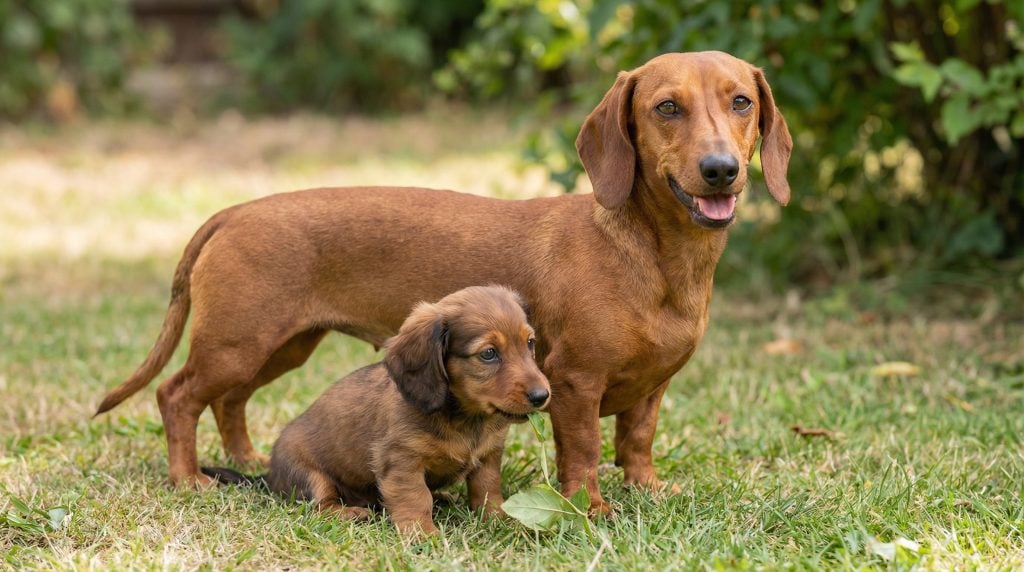
Living with a Dachshund often means sharing your home with a curious and determined little dog who enjoys exploring their surroundings and staying close to their people. They usually do best in homes where their natural instincts for scenting, digging, and investigating are given safe outlets through activity, play, and daily interaction.
At a glance
Core care
- Size: Small
- Energy: Moderate
- Grooming: Low
- Shedding: Moderate
Support style
- Sensitivity: High
- Training style: Independent
Breed guide
Choose a section to explore. These notes describe common patterns, but individual dogs vary widely.
Originally bred in Germany for hunting badgers, Dachshunds have a rich history that influences their modern-day characteristics. Their elongated bodies and short legs were designed for burrowing into tunnels and flushing out prey, which explains their persistent and determined nature today. This breed’s physical traits, such as their long back and short stature, mean they are well-suited for life in smaller spaces, though care must be taken to protect their spine from injury.
Dachshunds are small in size but have a big personality that often surprises those unfamiliar with the breed. Their expressive eyes and alert ears make them excellent watchdogs, always ready to alert their owners to any unusual activity. Owners often note their dog’s tendency to be vocal, a trait that harks back to their hunting days when they needed to communicate with their handlers.
Temperamentally, Dachshunds are known for their independence, which can sometimes be mistaken for stubbornness. They are affectionate with their families but may be wary of strangers, taking time to warm up to new people. This breed’s high sensitivity means they respond best to gentle, positive reinforcement rather than harsh corrections.
It’s important for potential owners to understand that while Dachshunds have common breed traits, individual dogs can vary significantly. Factors such as genetics, upbringing, and environment all play a role in shaping a Dachshund’s personality and behaviour. Prospective owners should be prepared for a dog that may not fit every stereotype but will certainly bring unique joy to their lives.
Dachshunds are often described as having a strong attachment to their families, which can be seen in their desire to be involved in daily activities. This breed’s social nature is rooted in their history as pack animals, where cooperation was essential for hunting success. As a result, many Dachshunds thrive on companionship and may become anxious if left alone for extended periods.
Their independent streak, however, can sometimes lead to selective listening, especially if they sense a more interesting scent or distraction. This independence is a remnant of their working past, where they needed to make decisions while underground. Owners often notice that their Dachshund may require a bit more patience and creativity during training sessions.
Dachshunds are also known for their high sensitivity, which means they can be quite attuned to the emotions and moods of their human companions. This sensitivity can be a double-edged sword, as it allows them to form deep bonds but also means they may react strongly to changes in their environment or routine. Consistency and a calm environment can help mitigate stress for these dogs.
While Dachshunds have these general tendencies, individual personalities can vary widely. Some may be more outgoing and social, while others might be reserved and cautious. Understanding and appreciating these differences is key to fostering a strong relationship with a Dachshund, as each dog brings its own unique quirks and charms to the family.
A typical day for a Dachshund involves a balance of moderate exercise and mental stimulation. Despite their small size, they have a surprising amount of energy and enjoy activities that engage both their body and mind. Daily walks are essential, allowing them to explore their environment and satisfy their natural curiosity.
In addition to physical exercise, Dachshunds benefit greatly from mental enrichment. Puzzle toys, scent games, and interactive play can help keep their minds sharp and reduce boredom. These activities tap into their hunting instincts, providing a satisfying outlet for their natural behaviours.
It’s important to avoid activities that could strain their backs, such as jumping from heights or climbing stairs frequently. As they age, their exercise needs may change, with older dogs requiring shorter, more frequent walks and gentler play sessions to accommodate any joint or mobility issues.
Owners should be mindful of their Dachshund’s energy levels and adjust their routine accordingly. While some may be content with a leisurely stroll, others might need more vigorous play to burn off excess energy. Understanding these individual needs helps ensure a happy, healthy, and well-adjusted dog.
Training a Dachshund can sometimes feel like a test of patience, as their independent nature often comes to the fore. However, their intelligence and eagerness to please can make training a rewarding experience when approached with the right mindset. Positive reinforcement techniques, such as treats and praise, tend to work well with this breed.
Impulse control is an area where Dachshunds may need extra guidance, especially during their adolescent phase. Consistent training and clear boundaries help them understand expectations, while also providing the mental stimulation they crave. Engaging them in activities that require focus, like scent work or agility, can also improve their impulse control.
Building a strong relationship based on trust and mutual respect is crucial for successful training. Dachshunds respond best to a calm, consistent approach that respects their intelligence and independence. Harsh methods or forceful techniques can backfire, leading to resistance or anxiety.
Each Dachshund is unique, and what works for one may not work for another. Owners should be prepared to adapt their training methods to suit their dog’s personality and needs. With patience and understanding, training can become a bonding experience that strengthens the connection between dog and owner.
Dachshunds can adapt well to a variety of living situations, making them a popular choice for both urban and rural environments. Their small size makes them suitable for apartment living, provided they receive enough exercise and mental stimulation. A home with a secure garden can also be beneficial, giving them space to explore and sniff around safely.
Families with children often find that Dachshunds can be playful and affectionate companions. However, it’s important to supervise interactions with young children to ensure gentle handling, as their long backs are prone to injury. Teaching children how to interact respectfully with dogs can help foster a positive relationship.
When it comes to other pets, Dachshunds may have a varied response. Their hunting instincts can sometimes lead to a strong prey drive, so introductions to smaller animals should be managed carefully. With proper socialisation and training, many Dachshunds can live harmoniously with other dogs and pets.
Ultimately, the best home for a Dachshund is one where they receive plenty of attention, exercise, and mental stimulation. While they can adapt to different lifestyles, understanding their needs and providing a supportive environment is key to ensuring they thrive.
Dachshunds’ health is closely tied to their overall wellbeing, with particular focus on their unique physical structure. Their elongated spine makes them susceptible to back problems, such as intervertebral disc disease (IVDD). Preventive care, including maintaining a healthy weight and avoiding excessive jumping, is crucial to minimise the risk of injury.
Regular veterinary check-ups are important to monitor their health and catch any potential issues early. Vaccinations, dental care, and parasite prevention are all part of a comprehensive healthcare routine that supports their long-term wellbeing. Owners should also be aware of signs of discomfort or pain, particularly in the back or neck, and seek veterinary advice promptly if concerns arise.
Dachshunds can also be prone to obesity, which exacerbates the risk of back problems. A balanced diet and regular exercise are essential to keep them fit and healthy. Monitoring their weight and adjusting their diet as needed can help prevent obesity-related health issues.
While health concerns are a consideration, many Dachshunds lead long, healthy lives with proper care. Being proactive about their health and understanding their specific needs can help owners provide the best possible care, ensuring their Dachshund remains a happy and active part of the family.
The Dachshund’s origins trace back to 15th-century Germany, where they were developed as hunting dogs specifically for badger control. Their name, which translates to ‘badger dog’, reflects this purpose. The breed’s unique body shape, with a long back and short legs, was ideal for digging into badger burrows and pursuing prey underground.
As hunting companions, Dachshunds needed to be brave, independent, and persistent, traits that are still evident in the breed today. Their keen sense of smell and strong prey drive made them effective hunters, capable of tracking and cornering game. These characteristics have translated into a modern dog that is curious, determined, and often fearless.
Over time, Dachshunds were bred in different coat types and sizes to suit various hunting needs and terrains. The smooth-coated variety was the original, with long-haired and wire-haired types developed later to adapt to different climates and environments. This diversity within the breed adds to their charm and versatility.
Today, while most Dachshunds are kept as companions rather than working dogs, their history continues to influence their behaviour and personality. Understanding their origins helps owners appreciate their unique traits and provides insight into how to meet their needs effectively.
What shapes individual dogs
- Early social experiences
- Training approach
- Environment & routine
- Genetics & breeding
- Health & pain
- Age / life stage
Originally bred in Germany for hunting badgers, Dachshunds have a rich history that influences their modern-day characteristics. Their elongated bodies and short legs were designed for burrowing into tunnels and flushing out prey, which explains their persistent and determined nature today. This breed’s physical traits, such as their long back and short stature, mean they are well-suited for life in smaller spaces, though care must be taken to protect their spine from injury.
Dachshunds are small in size but have a big personality that often surprises those unfamiliar with the breed. Their expressive eyes and alert ears make them excellent watchdogs, always ready to alert their owners to any unusual activity. Owners often note their dog’s tendency to be vocal, a trait that harks back to their hunting days when they needed to communicate with their handlers.
Temperamentally, Dachshunds are known for their independence, which can sometimes be mistaken for stubbornness. They are affectionate with their families but may be wary of strangers, taking time to warm up to new people. This breed’s high sensitivity means they respond best to gentle, positive reinforcement rather than harsh corrections.
It’s important for potential owners to understand that while Dachshunds have common breed traits, individual dogs can vary significantly. Factors such as genetics, upbringing, and environment all play a role in shaping a Dachshund’s personality and behaviour. Prospective owners should be prepared for a dog that may not fit every stereotype but will certainly bring unique joy to their lives.
Dachshunds are often described as having a strong attachment to their families, which can be seen in their desire to be involved in daily activities. This breed’s social nature is rooted in their history as pack animals, where cooperation was essential for hunting success. As a result, many Dachshunds thrive on companionship and may become anxious if left alone for extended periods.
Their independent streak, however, can sometimes lead to selective listening, especially if they sense a more interesting scent or distraction. This independence is a remnant of their working past, where they needed to make decisions while underground. Owners often notice that their Dachshund may require a bit more patience and creativity during training sessions.
Dachshunds are also known for their high sensitivity, which means they can be quite attuned to the emotions and moods of their human companions. This sensitivity can be a double-edged sword, as it allows them to form deep bonds but also means they may react strongly to changes in their environment or routine. Consistency and a calm environment can help mitigate stress for these dogs.
While Dachshunds have these general tendencies, individual personalities can vary widely. Some may be more outgoing and social, while others might be reserved and cautious. Understanding and appreciating these differences is key to fostering a strong relationship with a Dachshund, as each dog brings its own unique quirks and charms to the family.
A typical day for a Dachshund involves a balance of moderate exercise and mental stimulation. Despite their small size, they have a surprising amount of energy and enjoy activities that engage both their body and mind. Daily walks are essential, allowing them to explore their environment and satisfy their natural curiosity.
In addition to physical exercise, Dachshunds benefit greatly from mental enrichment. Puzzle toys, scent games, and interactive play can help keep their minds sharp and reduce boredom. These activities tap into their hunting instincts, providing a satisfying outlet for their natural behaviours.
It’s important to avoid activities that could strain their backs, such as jumping from heights or climbing stairs frequently. As they age, their exercise needs may change, with older dogs requiring shorter, more frequent walks and gentler play sessions to accommodate any joint or mobility issues.
Owners should be mindful of their Dachshund’s energy levels and adjust their routine accordingly. While some may be content with a leisurely stroll, others might need more vigorous play to burn off excess energy. Understanding these individual needs helps ensure a happy, healthy, and well-adjusted dog.
Training a Dachshund can sometimes feel like a test of patience, as their independent nature often comes to the fore. However, their intelligence and eagerness to please can make training a rewarding experience when approached with the right mindset. Positive reinforcement techniques, such as treats and praise, tend to work well with this breed.
Impulse control is an area where Dachshunds may need extra guidance, especially during their adolescent phase. Consistent training and clear boundaries help them understand expectations, while also providing the mental stimulation they crave. Engaging them in activities that require focus, like scent work or agility, can also improve their impulse control.
Building a strong relationship based on trust and mutual respect is crucial for successful training. Dachshunds respond best to a calm, consistent approach that respects their intelligence and independence. Harsh methods or forceful techniques can backfire, leading to resistance or anxiety.
Each Dachshund is unique, and what works for one may not work for another. Owners should be prepared to adapt their training methods to suit their dog’s personality and needs. With patience and understanding, training can become a bonding experience that strengthens the connection between dog and owner.
Dachshunds can adapt well to a variety of living situations, making them a popular choice for both urban and rural environments. Their small size makes them suitable for apartment living, provided they receive enough exercise and mental stimulation. A home with a secure garden can also be beneficial, giving them space to explore and sniff around safely.
Families with children often find that Dachshunds can be playful and affectionate companions. However, it’s important to supervise interactions with young children to ensure gentle handling, as their long backs are prone to injury. Teaching children how to interact respectfully with dogs can help foster a positive relationship.
When it comes to other pets, Dachshunds may have a varied response. Their hunting instincts can sometimes lead to a strong prey drive, so introductions to smaller animals should be managed carefully. With proper socialisation and training, many Dachshunds can live harmoniously with other dogs and pets.
Ultimately, the best home for a Dachshund is one where they receive plenty of attention, exercise, and mental stimulation. While they can adapt to different lifestyles, understanding their needs and providing a supportive environment is key to ensuring they thrive.
Dachshunds’ health is closely tied to their overall wellbeing, with particular focus on their unique physical structure. Their elongated spine makes them susceptible to back problems, such as intervertebral disc disease (IVDD). Preventive care, including maintaining a healthy weight and avoiding excessive jumping, is crucial to minimise the risk of injury.
Regular veterinary check-ups are important to monitor their health and catch any potential issues early. Vaccinations, dental care, and parasite prevention are all part of a comprehensive healthcare routine that supports their long-term wellbeing. Owners should also be aware of signs of discomfort or pain, particularly in the back or neck, and seek veterinary advice promptly if concerns arise.
Dachshunds can also be prone to obesity, which exacerbates the risk of back problems. A balanced diet and regular exercise are essential to keep them fit and healthy. Monitoring their weight and adjusting their diet as needed can help prevent obesity-related health issues.
While health concerns are a consideration, many Dachshunds lead long, healthy lives with proper care. Being proactive about their health and understanding their specific needs can help owners provide the best possible care, ensuring their Dachshund remains a happy and active part of the family.
The Dachshund’s origins trace back to 15th-century Germany, where they were developed as hunting dogs specifically for badger control. Their name, which translates to ‘badger dog’, reflects this purpose. The breed’s unique body shape, with a long back and short legs, was ideal for digging into badger burrows and pursuing prey underground.
As hunting companions, Dachshunds needed to be brave, independent, and persistent, traits that are still evident in the breed today. Their keen sense of smell and strong prey drive made them effective hunters, capable of tracking and cornering game. These characteristics have translated into a modern dog that is curious, determined, and often fearless.
Over time, Dachshunds were bred in different coat types and sizes to suit various hunting needs and terrains. The smooth-coated variety was the original, with long-haired and wire-haired types developed later to adapt to different climates and environments. This diversity within the breed adds to their charm and versatility.
Today, while most Dachshunds are kept as companions rather than working dogs, their history continues to influence their behaviour and personality. Understanding their origins helps owners appreciate their unique traits and provides insight into how to meet their needs effectively.
What shapes individual dogs
- Early social experiences
- Training approach
- Environment & routine
- Genetics & breeding
- Health & pain
- Age / life stage
Want support with this?
This course is relevant for Dachshund owners to better understand their dog's independent and sensitive nature.