
Petit Basset Griffon Vendeen
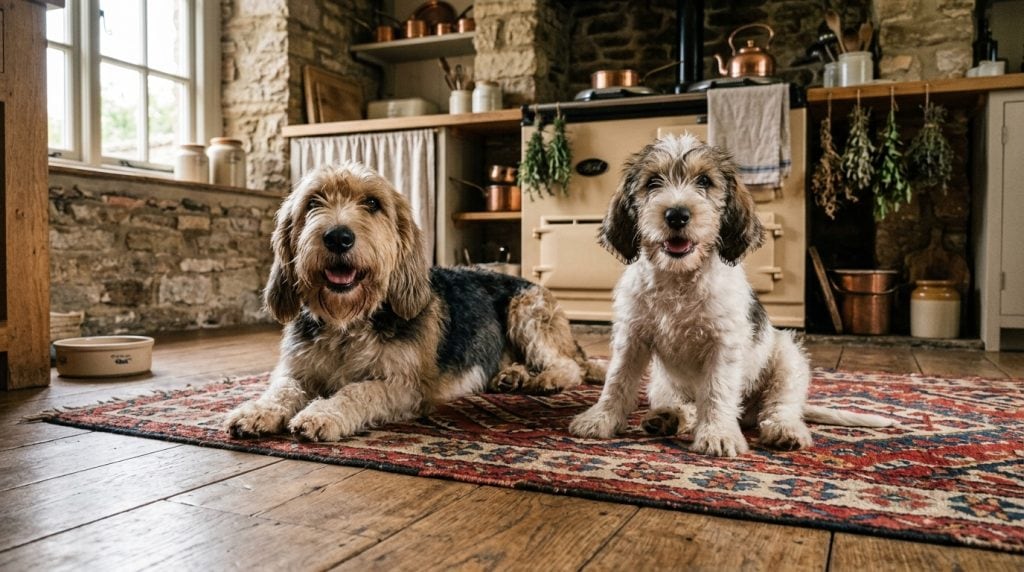
Petit Basset Griffon Vendéens are cheerful and curious scent hounds known for their lively personalities and expressive faces. Originally bred to hunt rabbits across the rugged Vendée region of France, they tend to approach life with enthusiasm and determination. Many owners appreciate their playful nature and the constant sense of adventure they bring to everyday routines.
At a glance
Core care
- Size: Small
- Energy: Moderate to high
- Grooming: Low
- Shedding: Moderate
Support style
- Sensitivity: Moderate
- Training style: Independent
Breed guide
Choose a section to explore. These notes describe common patterns, but individual dogs vary widely.
The Petit Basset Griffon Vendeen, often affectionately referred to as the PBGV, has its roots in the Vendee region of France, where it was bred to hunt small game over rough terrain. This history of working in challenging environments has shaped the PBGV into a dog that is both resilient and determined. Today, these traits manifest in a breed that is adventurous and full of energy, often displaying a zest for life that can be infectious.
Physically, the PBGV is a small, sturdy dog with a rough, unkempt coat that gives it a distinctive look. This coat, while charming, requires regular maintenance to prevent matting and to keep it looking its best. Their long ears and expressive eyes are not just for show; they play a role in their hunting background, helping to trap scent and maintain focus. Owners often notice that their PBGV’s appearance draws attention and comments, adding to the breed’s appeal.
In terms of temperament, the PBGV is known for its independent streak, a trait that can sometimes be mistaken for stubbornness. However, this independence is balanced by a friendly and sociable nature. They tend to enjoy the company of both people and other dogs, often displaying a playful side that endears them to families. Owners frequently observe that while their PBGV may have a mind of its own, it remains affectionate and loyal.
While the PBGV’s traits are generally consistent, individual dogs may vary in their levels of independence and sociability. Factors such as early socialisation, training, and the home environment can all influence these traits. Prospective owners should be prepared for a dog that may require patience and understanding, but also offers a unique and lively companionship.
The Petit Basset Griffon Vendeen is often described as a social butterfly among dogs. Their friendly disposition means they tend to get along well with people and other animals, making them a popular choice for families and multi-pet households. This sociability stems from their history as pack hunters, where working closely with other dogs was essential. In a home setting, this often translates to a dog that enjoys being part of the action, whether that means playing with children or interacting with visitors.
Despite their social nature, PBGVs are also known for their independent streak. This independence can sometimes be misunderstood as stubbornness, but it is more accurately a reflection of their intelligent and curious minds. Owners often notice that their PBGV likes to explore and may not always come when called, especially if something interesting has caught their attention. Understanding this trait can help in managing expectations and training approaches.
Sensitivity in PBGVs is moderate, meaning they can be responsive to the emotions and actions of those around them. This sensitivity can be a double-edged sword; while it makes them attuned to their owner’s moods, it also means they may not respond well to harsh training methods. Positive reinforcement and patience are key to bringing out the best in this breed, as they tend to respond well to encouragement and rewards.
Trainability in PBGVs can vary, largely due to their independent nature. While they are capable of learning commands and tricks, they may require more time and consistency than some other breeds. Owners often find that maintaining a strong bond and using creative training methods can yield the best results. It’s important to remember that each PBGV is an individual, and their unique personality will influence how they interact with the world.
A typical day for a Petit Basset Griffon Vendeen involves a good mix of physical activity and mental stimulation. These dogs have a moderate to high energy level, so they benefit from regular walks, play sessions, and opportunities to explore their environment. A brisk walk in the morning followed by some interactive playtime can help satisfy their need for exercise and keep them content.
Given their hunting background, PBGVs enjoy activities that engage their natural instincts. Scent games, where they can use their noses to track down hidden treats or toys, are particularly appealing to them. These activities not only provide physical exercise but also offer mental enrichment, which is crucial for their overall wellbeing. Owners often find that a PBGV that has had a chance to use its brain is a happier and more settled dog.
As with many breeds, the exercise needs of a PBGV can change with age. Puppies and young adults tend to have higher energy levels and require more frequent activity to keep them from becoming bored or restless. As they mature, their energy may level out, but they will still appreciate regular opportunities to stretch their legs and engage their minds.
It’s important to avoid over-exercising young PBGVs, as their growing bodies are still developing. Short, varied activities are best for puppies, gradually increasing in duration and intensity as they grow. Owners should also be mindful of their dog’s limits, especially in extreme weather conditions. By tailoring exercise to their PBGV’s age and individual needs, owners can help ensure a healthy and happy life for their furry friend.
Training a Petit Basset Griffon Vendeen can be a rewarding yet sometimes challenging experience. Owners often describe it as a journey of patience and creativity, as these dogs are known for their independent nature. While they are intelligent and capable of learning, their curiosity and desire to explore can sometimes lead them to be easily distracted.
Positive reinforcement is generally the most effective training approach for PBGVs. They respond well to treats, praise, and play as rewards for good behaviour. Consistency is key, as these dogs benefit from clear and predictable routines. Owners often find that short, engaging training sessions work best, as they keep the dog’s attention and prevent boredom.
Impulse control can be a particular challenge with PBGVs, especially during adolescence. This period can bring about a testing of boundaries, where the dog may seem to forget previously learned commands. Patience and consistency are crucial during this time, as is maintaining a strong bond with the dog. Owners who invest time in building a trusting relationship often find that their PBGV becomes more responsive and cooperative.
Adolescence can also be a time when PBGVs exhibit more pronounced independence. This is a normal part of their development and can be managed with understanding and a steady approach to training. Enrolling in a course like “Puppy Beginnings: Building a Calm Start” can be beneficial, providing guidance on how to navigate this stage and set a solid foundation for future training.
The Petit Basset Griffon Vendeen can adapt to a variety of living environments, but they thrive in homes where they have space to explore and play. While they can live in apartments if given enough exercise, they are happiest in homes with secure outdoor areas where they can safely roam and satisfy their curious nature. Owners often find that a garden or yard provides an excellent outlet for their PBGV’s energy.
This breed tends to do well in families, particularly those with children who can match their playful spirit. PBGVs are generally good-natured and enjoy interactive games, making them great companions for active kids. However, as with any breed, supervision is recommended to ensure both dog and children play safely and respectfully.
PBGVs can also coexist peacefully with other pets, especially if they are introduced at a young age. Their social nature means they often enjoy the company of other dogs and can form strong bonds. However, their hunting instincts may be triggered by smaller animals, so careful introductions and supervision are essential.
Prospective owners should consider their lifestyle and how a PBGV would fit into it. These dogs require regular exercise and mental stimulation, so they are best suited to owners who can commit to meeting these needs. By understanding the breed’s characteristics and ensuring they align with their own lifestyle, potential owners can make an informed decision about bringing a PBGV into their home.
Health is a key component of a Petit Basset Griffon Vendeen’s overall wellbeing, and understanding common health considerations can help owners provide the best care. Like many breeds, PBGVs can be prone to certain genetic conditions, such as hip dysplasia and eye disorders. Regular veterinary check-ups are essential for early detection and management of any health issues.
The breed’s long ears can be susceptible to infections, so routine ear cleaning is an important preventive measure. Owners often find that keeping the ears dry and free from debris helps reduce the risk of infection. Monitoring for signs of discomfort, such as scratching or head shaking, can also alert owners to potential problems.
Maintaining a healthy weight is crucial for PBGVs, as excess weight can exacerbate joint issues and impact overall health. A balanced diet and regular exercise are key to keeping them fit and active. Owners should work with their veterinarian to determine the best diet plan for their individual dog’s needs.
In addition to regular veterinary care, owners should be aware of any changes in their PBGV’s behaviour or physical condition. Sudden changes in appetite, energy levels, or mobility can be indicators of health issues and should prompt a visit to the vet. By staying informed and proactive, owners can help ensure their PBGV leads a healthy, happy life.
The Petit Basset Griffon Vendeen hails from the Vendee region of France, where it was developed as a hunting dog. The breed’s name itself offers insight into its origins: “Petit” meaning small, “Basset” referring to its low stature, “Griffon” describing its rough coat, and “Vendeen” indicating its regional roots. These dogs were bred to hunt small game like rabbits, navigating the dense underbrush and rugged terrain of their homeland.
Originally, the PBGV was part of a larger group of Basset Griffons, which included both larger and smaller varieties. Over time, breeders focused on developing the smaller, more agile version that we know today. Their keen sense of smell and determination made them excellent hunters, traits that are still evident in the breed’s personality.
The PBGV’s history as a working dog is reflected in its modern-day characteristics. Their independent nature and strong hunting instincts are remnants of their past, as is their ability to work tirelessly in pursuit of a scent. Owners often notice these traits in their dog’s behaviour, whether it’s a keen interest in following scents during walks or a persistent curiosity about their surroundings.
Understanding the PBGV’s history provides valuable context for their behaviour and needs. Their background as a hunting dog explains their energy levels and desire for activity, as well as their sometimes independent mindset. By appreciating the breed’s origins, owners can better understand and accommodate their PBGV’s unique traits, ensuring a harmonious and fulfilling relationship.
What shapes individual dogs
- Early social experiences
- Training approach
- Environment & routine
- Genetics & breeding
- Health & pain
- Age / life stage
The Petit Basset Griffon Vendeen, often affectionately referred to as the PBGV, has its roots in the Vendee region of France, where it was bred to hunt small game over rough terrain. This history of working in challenging environments has shaped the PBGV into a dog that is both resilient and determined. Today, these traits manifest in a breed that is adventurous and full of energy, often displaying a zest for life that can be infectious.
Physically, the PBGV is a small, sturdy dog with a rough, unkempt coat that gives it a distinctive look. This coat, while charming, requires regular maintenance to prevent matting and to keep it looking its best. Their long ears and expressive eyes are not just for show; they play a role in their hunting background, helping to trap scent and maintain focus. Owners often notice that their PBGV’s appearance draws attention and comments, adding to the breed’s appeal.
In terms of temperament, the PBGV is known for its independent streak, a trait that can sometimes be mistaken for stubbornness. However, this independence is balanced by a friendly and sociable nature. They tend to enjoy the company of both people and other dogs, often displaying a playful side that endears them to families. Owners frequently observe that while their PBGV may have a mind of its own, it remains affectionate and loyal.
While the PBGV’s traits are generally consistent, individual dogs may vary in their levels of independence and sociability. Factors such as early socialisation, training, and the home environment can all influence these traits. Prospective owners should be prepared for a dog that may require patience and understanding, but also offers a unique and lively companionship.
The Petit Basset Griffon Vendeen is often described as a social butterfly among dogs. Their friendly disposition means they tend to get along well with people and other animals, making them a popular choice for families and multi-pet households. This sociability stems from their history as pack hunters, where working closely with other dogs was essential. In a home setting, this often translates to a dog that enjoys being part of the action, whether that means playing with children or interacting with visitors.
Despite their social nature, PBGVs are also known for their independent streak. This independence can sometimes be misunderstood as stubbornness, but it is more accurately a reflection of their intelligent and curious minds. Owners often notice that their PBGV likes to explore and may not always come when called, especially if something interesting has caught their attention. Understanding this trait can help in managing expectations and training approaches.
Sensitivity in PBGVs is moderate, meaning they can be responsive to the emotions and actions of those around them. This sensitivity can be a double-edged sword; while it makes them attuned to their owner’s moods, it also means they may not respond well to harsh training methods. Positive reinforcement and patience are key to bringing out the best in this breed, as they tend to respond well to encouragement and rewards.
Trainability in PBGVs can vary, largely due to their independent nature. While they are capable of learning commands and tricks, they may require more time and consistency than some other breeds. Owners often find that maintaining a strong bond and using creative training methods can yield the best results. It’s important to remember that each PBGV is an individual, and their unique personality will influence how they interact with the world.
A typical day for a Petit Basset Griffon Vendeen involves a good mix of physical activity and mental stimulation. These dogs have a moderate to high energy level, so they benefit from regular walks, play sessions, and opportunities to explore their environment. A brisk walk in the morning followed by some interactive playtime can help satisfy their need for exercise and keep them content.
Given their hunting background, PBGVs enjoy activities that engage their natural instincts. Scent games, where they can use their noses to track down hidden treats or toys, are particularly appealing to them. These activities not only provide physical exercise but also offer mental enrichment, which is crucial for their overall wellbeing. Owners often find that a PBGV that has had a chance to use its brain is a happier and more settled dog.
As with many breeds, the exercise needs of a PBGV can change with age. Puppies and young adults tend to have higher energy levels and require more frequent activity to keep them from becoming bored or restless. As they mature, their energy may level out, but they will still appreciate regular opportunities to stretch their legs and engage their minds.
It’s important to avoid over-exercising young PBGVs, as their growing bodies are still developing. Short, varied activities are best for puppies, gradually increasing in duration and intensity as they grow. Owners should also be mindful of their dog’s limits, especially in extreme weather conditions. By tailoring exercise to their PBGV’s age and individual needs, owners can help ensure a healthy and happy life for their furry friend.
Training a Petit Basset Griffon Vendeen can be a rewarding yet sometimes challenging experience. Owners often describe it as a journey of patience and creativity, as these dogs are known for their independent nature. While they are intelligent and capable of learning, their curiosity and desire to explore can sometimes lead them to be easily distracted.
Positive reinforcement is generally the most effective training approach for PBGVs. They respond well to treats, praise, and play as rewards for good behaviour. Consistency is key, as these dogs benefit from clear and predictable routines. Owners often find that short, engaging training sessions work best, as they keep the dog’s attention and prevent boredom.
Impulse control can be a particular challenge with PBGVs, especially during adolescence. This period can bring about a testing of boundaries, where the dog may seem to forget previously learned commands. Patience and consistency are crucial during this time, as is maintaining a strong bond with the dog. Owners who invest time in building a trusting relationship often find that their PBGV becomes more responsive and cooperative.
Adolescence can also be a time when PBGVs exhibit more pronounced independence. This is a normal part of their development and can be managed with understanding and a steady approach to training. Enrolling in a course like “Puppy Beginnings: Building a Calm Start” can be beneficial, providing guidance on how to navigate this stage and set a solid foundation for future training.
The Petit Basset Griffon Vendeen can adapt to a variety of living environments, but they thrive in homes where they have space to explore and play. While they can live in apartments if given enough exercise, they are happiest in homes with secure outdoor areas where they can safely roam and satisfy their curious nature. Owners often find that a garden or yard provides an excellent outlet for their PBGV’s energy.
This breed tends to do well in families, particularly those with children who can match their playful spirit. PBGVs are generally good-natured and enjoy interactive games, making them great companions for active kids. However, as with any breed, supervision is recommended to ensure both dog and children play safely and respectfully.
PBGVs can also coexist peacefully with other pets, especially if they are introduced at a young age. Their social nature means they often enjoy the company of other dogs and can form strong bonds. However, their hunting instincts may be triggered by smaller animals, so careful introductions and supervision are essential.
Prospective owners should consider their lifestyle and how a PBGV would fit into it. These dogs require regular exercise and mental stimulation, so they are best suited to owners who can commit to meeting these needs. By understanding the breed’s characteristics and ensuring they align with their own lifestyle, potential owners can make an informed decision about bringing a PBGV into their home.
Health is a key component of a Petit Basset Griffon Vendeen’s overall wellbeing, and understanding common health considerations can help owners provide the best care. Like many breeds, PBGVs can be prone to certain genetic conditions, such as hip dysplasia and eye disorders. Regular veterinary check-ups are essential for early detection and management of any health issues.
The breed’s long ears can be susceptible to infections, so routine ear cleaning is an important preventive measure. Owners often find that keeping the ears dry and free from debris helps reduce the risk of infection. Monitoring for signs of discomfort, such as scratching or head shaking, can also alert owners to potential problems.
Maintaining a healthy weight is crucial for PBGVs, as excess weight can exacerbate joint issues and impact overall health. A balanced diet and regular exercise are key to keeping them fit and active. Owners should work with their veterinarian to determine the best diet plan for their individual dog’s needs.
In addition to regular veterinary care, owners should be aware of any changes in their PBGV’s behaviour or physical condition. Sudden changes in appetite, energy levels, or mobility can be indicators of health issues and should prompt a visit to the vet. By staying informed and proactive, owners can help ensure their PBGV leads a healthy, happy life.
The Petit Basset Griffon Vendeen hails from the Vendee region of France, where it was developed as a hunting dog. The breed’s name itself offers insight into its origins: “Petit” meaning small, “Basset” referring to its low stature, “Griffon” describing its rough coat, and “Vendeen” indicating its regional roots. These dogs were bred to hunt small game like rabbits, navigating the dense underbrush and rugged terrain of their homeland.
Originally, the PBGV was part of a larger group of Basset Griffons, which included both larger and smaller varieties. Over time, breeders focused on developing the smaller, more agile version that we know today. Their keen sense of smell and determination made them excellent hunters, traits that are still evident in the breed’s personality.
The PBGV’s history as a working dog is reflected in its modern-day characteristics. Their independent nature and strong hunting instincts are remnants of their past, as is their ability to work tirelessly in pursuit of a scent. Owners often notice these traits in their dog’s behaviour, whether it’s a keen interest in following scents during walks or a persistent curiosity about their surroundings.
Understanding the PBGV’s history provides valuable context for their behaviour and needs. Their background as a hunting dog explains their energy levels and desire for activity, as well as their sometimes independent mindset. By appreciating the breed’s origins, owners can better understand and accommodate their PBGV’s unique traits, ensuring a harmonious and fulfilling relationship.
What shapes individual dogs
- Early social experiences
- Training approach
- Environment & routine
- Genetics & breeding
- Health & pain
- Age / life stage
Want support with this?
This course offers valuable insights into managing the unique challenges of raising a Petit Basset Griffon Vendeen, especially during their lively adolescence.