
British Bulldog
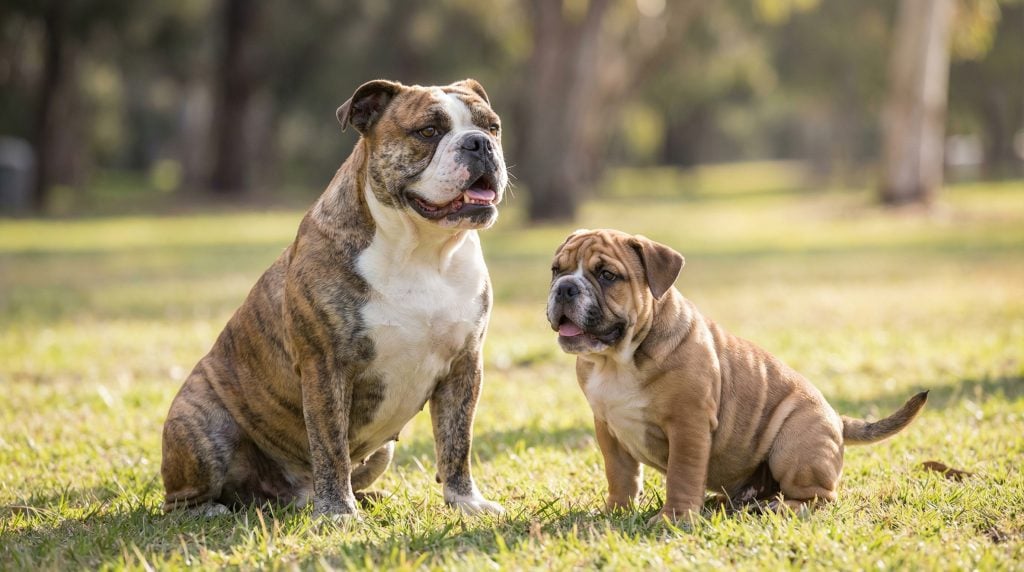
Living with a Bulldog often means sharing your space with a dog that embodies a laid-back charm. Their presence is both comforting and steady, with a tendency to enjoy the quiet moments of life. Bulldogs are known for their affectionate nature, often forming strong bonds with their families, and their unique character brings a warm, gentle energy into the home.
At a glance
Core care
- Size: Medium
- Energy: Low
- Grooming: Low
- Shedding: Moderate
Support style
- Sensitivity: Moderate
- Training style: Independent
Breed guide
Choose a section to explore. These notes describe common patterns, but individual dogs vary widely.
Living with a Bulldog often means sharing your home with a dog that prefers a slower, more relaxed pace of life. Many owners notice how these sturdy dogs enjoy quiet companionship, whether that means resting nearby, watching household activity, or joining family members for short, gentle walks. Their calm presence and affectionate nature often make them feel like a steady and reassuring part of daily life.
Physically, Bulldogs are unmistakable with their stocky build, wrinkled face, and distinctive underbite. These features, while charming, come with their own set of considerations for daily life. For instance, their compact frame and short muzzle mean they can be prone to overheating, so owners often find themselves mindful of the temperature during walks or playtime. Their unique build also means they may not be the most agile breed, but they make up for it with a steady, plodding determination.
Temperamentally, Bulldogs are known for their placid and affectionate nature. Many owners notice how their Bulldog enjoys being part of the family, often seeking out human company and relishing in being the centre of attention. They can be quite stubborn, a trait that is both endearing and occasionally challenging. This independent streak means that while they are loving, they also appreciate their own space and time to relax.
It’s important to remember that while Bulldogs share common traits, each dog is an individual. Their personalities can vary widely, influenced by genetics, upbringing, and environment. Some Bulldogs may be more playful, while others are content with a quiet life. Understanding and appreciating these variations can help potential owners set realistic expectations and enjoy the unique quirks of their Bulldog companion.
Bulldogs are often described as having a social yet relaxed nature. They tend to form strong bonds with their families, displaying a loyalty that many owners find deeply rewarding. This breed’s social motivations often lead them to be affectionate and gentle, making them a popular choice for those seeking a companionable pet that enjoys being part of the household.
Despite their social tendencies, Bulldogs are known for their independent streak. This can sometimes manifest as stubbornness, which owners might notice during training or when trying to encourage their Bulldog to do something new. Understanding this independence is key; it often stems from their historical roots as working dogs who needed to make decisions on their own. Patience and consistency in training can help manage this trait effectively.
Bulldogs’ moderate sensitivity means they can be attuned to their owners’ emotions, often providing comfort and companionship. However, this sensitivity also means they may not respond well to harsh training methods. Positive reinforcement and gentle guidance tend to be more effective, helping to build a trusting relationship between the dog and owner.
Overall, living with a Bulldog involves embracing their unique blend of affection and independence. While they may not always be eager to please in the way some other breeds are, their loyalty and love are often expressed in quieter, more subtle ways. This balance of traits makes them a distinctive and cherished member of many households, with each Bulldog bringing its own personality to the family dynamic.
A typical day for a Bulldog involves a balance of gentle activity and plenty of rest. Given their low energy levels, Bulldogs often enjoy short, leisurely walks rather than vigorous exercise. These walks provide not only physical activity but also mental stimulation as they explore their surroundings at their own pace.
While Bulldogs do not require extensive exercise, it’s important to keep them engaged with activities that suit their capabilities. Interactive toys and puzzle feeders can offer mental enrichment, helping to keep their minds active and engaged. Owners often find that their Bulldogs enjoy these quieter forms of play, which align well with their laid-back nature.
It’s crucial to be mindful of a Bulldog’s limitations, particularly in hot weather. Their short muzzles can make breathing more difficult, so avoiding strenuous activity during warm days is essential. Instead, indoor play and short bursts of activity in cooler parts of the day can help keep them comfortable and happy.
As Bulldogs age, their exercise needs may decrease further, but maintaining a routine is important for their overall health and wellbeing. Owners often notice that even as they slow down, Bulldogs continue to enjoy their daily walks and playtime, albeit at a more relaxed pace. This consistency helps keep them physically fit and mentally stimulated throughout their lives.
Training a Bulldog often feels like a test of patience and creativity. Their independent nature can make them seem stubborn, but with the right approach, they can learn effectively. Many owners find that positive reinforcement techniques, such as treats and praise, work well with this breed, encouraging them to engage in training sessions.
Impulse control is an area where Bulldogs may require extra support, especially during their younger years. Consistent routines and clear boundaries help them understand expectations, and with time, they often learn to manage their impulses effectively. This process can be slow, but the results are rewarding as they become more settled and responsive.
Adolescence can be a challenging time for Bulldog owners, as this is when their independent streak might be most pronounced. During this period, maintaining a strong relationship and consistent training approach is crucial. Many owners find that enrolling in a course like “Puppy Beginnings: Building a Calm Start” provides useful strategies for navigating this stage with confidence.
Overall, training a Bulldog requires a blend of patience, consistency, and understanding. While they may not always be eager to follow commands, their loyalty and affection often shine through, making the effort worthwhile. Building a strong bond through positive interactions helps create a harmonious relationship, where both dog and owner can thrive.
Bulldogs tend to thrive in homes where they can enjoy a relaxed lifestyle. Their low energy levels make them well-suited to apartment living, provided they receive their daily walks and mental stimulation. Many owners find that Bulldogs adapt well to different living environments, as long as they have a comfortable space to call their own.
Families with children often find Bulldogs to be a good match, thanks to their gentle and patient nature. While they may not be as playful as some other breeds, their affectionate disposition makes them a reliable companion for kids. It’s always important to supervise interactions and teach children how to engage with dogs respectfully.
When it comes to other pets, Bulldogs can be quite tolerant, especially if they are introduced to them from a young age. However, their individual personalities can vary, so careful introductions and monitoring are recommended to ensure harmony in a multi-pet household.
Ultimately, Bulldogs fit best in homes where their laid-back nature is appreciated and their needs are met with understanding. They thrive with owners who enjoy their unique blend of affection and independence, and who are willing to accommodate their specific health and exercise considerations. With the right match, Bulldogs can bring a sense of calm and companionship to their families.
Bulldogs’ health is closely linked to their overall wellbeing, and understanding their specific needs can help owners provide the best care. Their distinctive physical features, such as their short muzzle, can lead to breathing difficulties, especially in hot or humid conditions. Owners often learn to be vigilant about temperature and exercise levels to keep their Bulldog comfortable.
Common health concerns for Bulldogs include skin issues, joint problems, and respiratory conditions. Regular veterinary check-ups and preventive care are crucial in managing these potential issues. Many owners find that working closely with their vet helps them stay on top of their Bulldog’s health needs, catching any problems early.
Preventive care also involves maintaining a healthy weight, as Bulldogs can be prone to obesity. A balanced diet and appropriate exercise routine help manage their weight, reducing the risk of related health issues. Owners often notice that keeping their Bulldog fit contributes to their overall vitality and quality of life.
If any health concerns arise, seeking veterinary advice promptly is important. Bulldogs can be sensitive to changes in their health, and early intervention can make a significant difference. With attentive care and a proactive approach, many Bulldogs lead happy, healthy lives, bringing joy to their families.
The Bulldog’s origins trace back to England, where they were initially bred for bull-baiting, a popular but brutal sport. Their role required strength, tenacity, and courage, traits that were highly valued at the time. However, as the sport was outlawed in the 19th century, the Bulldog’s purpose shifted dramatically.
With the end of bull-baiting, Bulldogs faced a turning point. Enthusiasts of the breed began to focus on developing a more docile and companionable temperament, leading to the affectionate and gentle dogs we know today. This transformation highlights the breed’s adaptability and the dedication of breeders to preserve their unique characteristics while ensuring they fit into a modern lifestyle.
Throughout their development, Bulldogs have retained some of their original traits, such as their distinctive appearance and independent nature. These characteristics, while no longer used for bull-baiting, contribute to their charm and individuality. Owners often appreciate the Bulldog’s history as it adds depth to their understanding of the breed’s quirks and behaviours.
Today, Bulldogs are celebrated as loving companions, known for their loyalty and distinctive looks. Their journey from working dogs to cherished family members reflects their resilience and the enduring appeal of their character. This rich history continues to shape the Bulldog’s role in modern households, where they are valued for their companionship and unique personality.
What shapes individual dogs
- Early social experiences
- Training approach
- Environment & routine
- Genetics & breeding
- Health & pain
- Age / life stage
Living with a Bulldog often means sharing your home with a dog that prefers a slower, more relaxed pace of life. Many owners notice how these sturdy dogs enjoy quiet companionship, whether that means resting nearby, watching household activity, or joining family members for short, gentle walks. Their calm presence and affectionate nature often make them feel like a steady and reassuring part of daily life.
Physically, Bulldogs are unmistakable with their stocky build, wrinkled face, and distinctive underbite. These features, while charming, come with their own set of considerations for daily life. For instance, their compact frame and short muzzle mean they can be prone to overheating, so owners often find themselves mindful of the temperature during walks or playtime. Their unique build also means they may not be the most agile breed, but they make up for it with a steady, plodding determination.
Temperamentally, Bulldogs are known for their placid and affectionate nature. Many owners notice how their Bulldog enjoys being part of the family, often seeking out human company and relishing in being the centre of attention. They can be quite stubborn, a trait that is both endearing and occasionally challenging. This independent streak means that while they are loving, they also appreciate their own space and time to relax.
It’s important to remember that while Bulldogs share common traits, each dog is an individual. Their personalities can vary widely, influenced by genetics, upbringing, and environment. Some Bulldogs may be more playful, while others are content with a quiet life. Understanding and appreciating these variations can help potential owners set realistic expectations and enjoy the unique quirks of their Bulldog companion.
Bulldogs are often described as having a social yet relaxed nature. They tend to form strong bonds with their families, displaying a loyalty that many owners find deeply rewarding. This breed’s social motivations often lead them to be affectionate and gentle, making them a popular choice for those seeking a companionable pet that enjoys being part of the household.
Despite their social tendencies, Bulldogs are known for their independent streak. This can sometimes manifest as stubbornness, which owners might notice during training or when trying to encourage their Bulldog to do something new. Understanding this independence is key; it often stems from their historical roots as working dogs who needed to make decisions on their own. Patience and consistency in training can help manage this trait effectively.
Bulldogs’ moderate sensitivity means they can be attuned to their owners’ emotions, often providing comfort and companionship. However, this sensitivity also means they may not respond well to harsh training methods. Positive reinforcement and gentle guidance tend to be more effective, helping to build a trusting relationship between the dog and owner.
Overall, living with a Bulldog involves embracing their unique blend of affection and independence. While they may not always be eager to please in the way some other breeds are, their loyalty and love are often expressed in quieter, more subtle ways. This balance of traits makes them a distinctive and cherished member of many households, with each Bulldog bringing its own personality to the family dynamic.
A typical day for a Bulldog involves a balance of gentle activity and plenty of rest. Given their low energy levels, Bulldogs often enjoy short, leisurely walks rather than vigorous exercise. These walks provide not only physical activity but also mental stimulation as they explore their surroundings at their own pace.
While Bulldogs do not require extensive exercise, it’s important to keep them engaged with activities that suit their capabilities. Interactive toys and puzzle feeders can offer mental enrichment, helping to keep their minds active and engaged. Owners often find that their Bulldogs enjoy these quieter forms of play, which align well with their laid-back nature.
It’s crucial to be mindful of a Bulldog’s limitations, particularly in hot weather. Their short muzzles can make breathing more difficult, so avoiding strenuous activity during warm days is essential. Instead, indoor play and short bursts of activity in cooler parts of the day can help keep them comfortable and happy.
As Bulldogs age, their exercise needs may decrease further, but maintaining a routine is important for their overall health and wellbeing. Owners often notice that even as they slow down, Bulldogs continue to enjoy their daily walks and playtime, albeit at a more relaxed pace. This consistency helps keep them physically fit and mentally stimulated throughout their lives.
Training a Bulldog often feels like a test of patience and creativity. Their independent nature can make them seem stubborn, but with the right approach, they can learn effectively. Many owners find that positive reinforcement techniques, such as treats and praise, work well with this breed, encouraging them to engage in training sessions.
Impulse control is an area where Bulldogs may require extra support, especially during their younger years. Consistent routines and clear boundaries help them understand expectations, and with time, they often learn to manage their impulses effectively. This process can be slow, but the results are rewarding as they become more settled and responsive.
Adolescence can be a challenging time for Bulldog owners, as this is when their independent streak might be most pronounced. During this period, maintaining a strong relationship and consistent training approach is crucial. Many owners find that enrolling in a course like “Puppy Beginnings: Building a Calm Start” provides useful strategies for navigating this stage with confidence.
Overall, training a Bulldog requires a blend of patience, consistency, and understanding. While they may not always be eager to follow commands, their loyalty and affection often shine through, making the effort worthwhile. Building a strong bond through positive interactions helps create a harmonious relationship, where both dog and owner can thrive.
Bulldogs tend to thrive in homes where they can enjoy a relaxed lifestyle. Their low energy levels make them well-suited to apartment living, provided they receive their daily walks and mental stimulation. Many owners find that Bulldogs adapt well to different living environments, as long as they have a comfortable space to call their own.
Families with children often find Bulldogs to be a good match, thanks to their gentle and patient nature. While they may not be as playful as some other breeds, their affectionate disposition makes them a reliable companion for kids. It’s always important to supervise interactions and teach children how to engage with dogs respectfully.
When it comes to other pets, Bulldogs can be quite tolerant, especially if they are introduced to them from a young age. However, their individual personalities can vary, so careful introductions and monitoring are recommended to ensure harmony in a multi-pet household.
Ultimately, Bulldogs fit best in homes where their laid-back nature is appreciated and their needs are met with understanding. They thrive with owners who enjoy their unique blend of affection and independence, and who are willing to accommodate their specific health and exercise considerations. With the right match, Bulldogs can bring a sense of calm and companionship to their families.
Bulldogs’ health is closely linked to their overall wellbeing, and understanding their specific needs can help owners provide the best care. Their distinctive physical features, such as their short muzzle, can lead to breathing difficulties, especially in hot or humid conditions. Owners often learn to be vigilant about temperature and exercise levels to keep their Bulldog comfortable.
Common health concerns for Bulldogs include skin issues, joint problems, and respiratory conditions. Regular veterinary check-ups and preventive care are crucial in managing these potential issues. Many owners find that working closely with their vet helps them stay on top of their Bulldog’s health needs, catching any problems early.
Preventive care also involves maintaining a healthy weight, as Bulldogs can be prone to obesity. A balanced diet and appropriate exercise routine help manage their weight, reducing the risk of related health issues. Owners often notice that keeping their Bulldog fit contributes to their overall vitality and quality of life.
If any health concerns arise, seeking veterinary advice promptly is important. Bulldogs can be sensitive to changes in their health, and early intervention can make a significant difference. With attentive care and a proactive approach, many Bulldogs lead happy, healthy lives, bringing joy to their families.
The Bulldog’s origins trace back to England, where they were initially bred for bull-baiting, a popular but brutal sport. Their role required strength, tenacity, and courage, traits that were highly valued at the time. However, as the sport was outlawed in the 19th century, the Bulldog’s purpose shifted dramatically.
With the end of bull-baiting, Bulldogs faced a turning point. Enthusiasts of the breed began to focus on developing a more docile and companionable temperament, leading to the affectionate and gentle dogs we know today. This transformation highlights the breed’s adaptability and the dedication of breeders to preserve their unique characteristics while ensuring they fit into a modern lifestyle.
Throughout their development, Bulldogs have retained some of their original traits, such as their distinctive appearance and independent nature. These characteristics, while no longer used for bull-baiting, contribute to their charm and individuality. Owners often appreciate the Bulldog’s history as it adds depth to their understanding of the breed’s quirks and behaviours.
Today, Bulldogs are celebrated as loving companions, known for their loyalty and distinctive looks. Their journey from working dogs to cherished family members reflects their resilience and the enduring appeal of their character. This rich history continues to shape the Bulldog’s role in modern households, where they are valued for their companionship and unique personality.
What shapes individual dogs
- Early social experiences
- Training approach
- Environment & routine
- Genetics & breeding
- Health & pain
- Age / life stage
Want support with this?
This course is relevant for Bulldog owners due to the breed's specific health considerations, helping you provide the best care possible.