
Bullmastiff
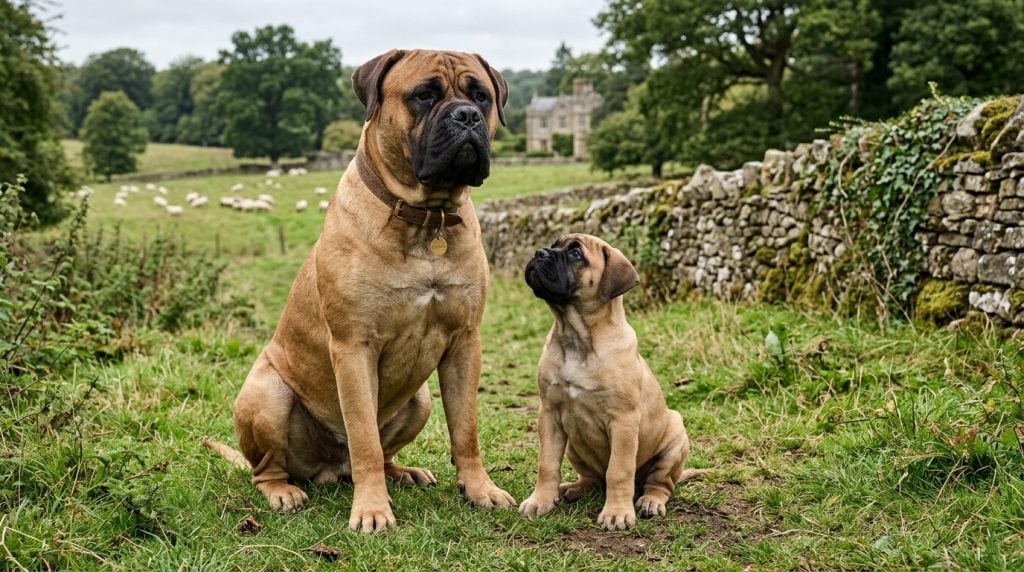
Living with a Bullmastiff often feels like sharing your space with a gentle giant. They possess a calm presence, yet their protective instincts can emerge when needed. Many owners appreciate their loyal companionship and the sense of security they bring to a home.
At a glance
Core care
- Size: Giant
- Energy: Moderate
- Grooming: Low
- Shedding: Moderate
Support style
- Sensitivity: Moderate
- Training style: Moderate
Breed guide
Choose a section to explore. These notes describe common patterns, but individual dogs vary widely.
The Bullmastiff’s origins as a gamekeeper’s night dog are deeply woven into its modern-day character. Developed in the 19th century to guard estates against poachers, the breed was valued for its ability to track quietly and pin intruders without mauling them. This historical role has shaped the Bullmastiff into a dog that is both protective and gentle, a combination that many owners find reassuring in a family pet.
Physically, the Bullmastiff is a giant breed, with a muscular build that commands attention. Their size can be imposing, yet it is balanced by a surprisingly agile nature. Owners often notice that despite their bulk, Bullmastiffs can move with a grace that belies their weight. This physical presence means they require space to move comfortably, and their strength should be considered when planning daily activities.
Temperamentally, Bullmastiffs are known for their calm and affectionate nature. They tend to form strong bonds with their families, often showing a preference for staying close to their loved ones. While generally even-tempered, they can be wary of strangers, a trait that harks back to their guarding roots. Socialisation from a young age can help manage this tendency, ensuring they remain well-rounded companions.
It’s important for potential owners to understand that while Bullmastiffs share common traits, individual personalities can vary. Some may be more outgoing, while others are reserved. Factors such as upbringing, environment, and health can all influence a Bullmastiff’s behaviour. Understanding these nuances helps in setting realistic expectations for living with this breed.
Bullmastiffs are often described as gentle giants, with a temperament that leans towards the calm and composed. Their social nature is typically expressed through a strong bond with their family, often preferring to be in the same room as their loved ones. This desire for companionship can make them seem like shadows, quietly following their humans around the house.
Their protective instincts are a notable aspect of their behaviour, a trait inherited from their days as gamekeepers’ companions. Many owners observe that their Bullmastiff will naturally watch over the household, often alert and aware of new sounds or visitors. While they are generally not aggressive, their presence alone can be a deterrent to those with ill intentions.
Sensitivity in Bullmastiffs can manifest in their response to their environment and training. They tend to pick up on the emotions of their owners, which means they thrive in a calm and consistent household. Training sessions that are positive and reward-based are often most effective, as these dogs respond well to encouragement rather than harsh corrections.
Despite their size, Bullmastiffs can be surprisingly gentle, especially with children. They often show patience and tolerance, though supervision is always recommended given their size and strength. As with any breed, individual variations exist, and understanding your Bullmastiff’s unique personality will help in nurturing a balanced and happy dog.
A typical day for a Bullmastiff involves moderate exercise, which suits their energy levels well. While they don’t require extensive physical activity, regular walks and playtime are important to keep them healthy and engaged. Owners often find that a couple of leisurely walks combined with some interactive play in the garden can suffice.
Mental enrichment is equally vital for Bullmastiffs. Puzzle toys and scent games can be excellent ways to engage their minds, tapping into their natural instincts and preventing boredom. These activities not only stimulate their brains but also help in strengthening the bond between dog and owner.
As Bullmastiffs age, their exercise needs may change. Puppies and younger dogs might display bursts of energy and require more frequent play sessions. In contrast, older Bullmastiffs may prefer shorter, more relaxed walks. It’s important to adjust their routine according to their life stage and physical capabilities, always keeping an eye on their comfort and health.
Owners should be mindful of the Bullmastiff’s size and the potential for joint issues. Avoiding high-impact activities and ensuring they don’t overexert themselves in hot weather is crucial. By tailoring their exercise routine to their individual needs, you can help maintain their wellbeing throughout their life.
Training a Bullmastiff can often feel like a rewarding journey of mutual respect and understanding. These dogs are generally eager to please but can display a stubborn streak, which means patience and consistency are key. Positive reinforcement techniques, such as treats and praise, tend to work well with this breed.
Impulse control can be an area where Bullmastiffs require guidance. Given their protective nature, teaching them to respond calmly to new situations is important. Training sessions that focus on basic commands and socialisation can help them learn how to behave appropriately in different environments.
Adolescence in Bullmastiffs can bring about some challenges, as they test boundaries and explore their independence. It’s a phase where consistency in training becomes particularly important. Owners often find that maintaining a routine and reinforcing learned behaviours can help navigate this period smoothly.
The relationship between a Bullmastiff and its owner is central to successful training. Building trust through regular interaction and positive experiences will encourage your Bullmastiff to respond more readily to guidance. Remember, each dog is unique, and understanding your Bullmastiff’s personality will aid in tailoring a training approach that best suits them.
The Bullmastiff’s size and temperament make them well-suited to homes where they have space to move comfortably. While they can adapt to various living environments, a home with a garden or access to outdoor space is often ideal. This allows them to stretch their legs and enjoy some fresh air without needing extensive daily outings.
Many owners find that Bullmastiffs integrate well into family life, often forming strong bonds with children. Their gentle nature and patience can make them wonderful companions for kids, though supervision is always advised due to their size. It’s important to teach children how to interact respectfully with a dog of this stature.
When it comes to living with other pets, Bullmastiffs can coexist peacefully if properly socialised from a young age. Early introductions and positive experiences with other animals can help foster harmonious relationships. However, their guarding instincts may require management to ensure they don’t become overly protective of their family or territory.
Ultimately, the Bullmastiff’s suitability for a particular home depends on the individual dog’s personality and the lifestyle of the household. Understanding the breed’s needs and being prepared to meet them will help ensure a happy and balanced life together.
Health is a vital aspect of a Bullmastiff’s overall wellbeing, and being proactive about their care can make a significant difference. Regular veterinary check-ups are essential to monitor their health and catch any potential issues early. Owners often find that maintaining a healthy weight through a balanced diet and appropriate exercise is crucial for this breed.
Bullmastiffs can be prone to certain health conditions, such as hip and elbow dysplasia, due to their size. Providing joint supplements and ensuring they don’t overexert themselves can help manage these risks. It’s important to be aware of any changes in their movement or behaviour and consult a vet if concerns arise.
Heart conditions, such as dilated cardiomyopathy, are also something Bullmastiff owners should be mindful of. Regular heart screenings and monitoring their activity levels can aid in early detection and management. Preventive care, including vaccinations and parasite control, is a fundamental part of keeping your Bullmastiff healthy.
Understanding the health needs of a Bullmastiff and being vigilant about their care can help ensure they lead a long and fulfilling life. Consulting with a vet about any health concerns and following their guidance will support your Bullmastiff’s wellbeing.
The Bullmastiff’s history is rooted in the English countryside, where they were developed in the 19th century to assist gamekeepers in protecting estates from poachers. This breed was created by crossing the Mastiff with the Bulldog, resulting in a dog that combined the size and strength of the Mastiff with the tenacity and agility of the Bulldog.
The purpose of the Bullmastiff was to track quietly and apprehend intruders without causing harm, a role that required intelligence, loyalty, and a calm disposition. These traits are still evident in the modern Bullmastiff, making them excellent companions for those seeking a protective yet gentle family dog.
As the need for gamekeeper dogs diminished, the Bullmastiff transitioned into a companion and guard dog role. Their impressive physical presence and loyal nature made them popular choices for families and estates alike. The breed’s history of working closely with humans has contributed to their strong desire for companionship and their ability to form deep bonds with their families.
Today, the Bullmastiff’s history is reflected in their temperament and behaviour. Owners often notice their natural guarding instincts and their preference for being close to their loved ones. Understanding this history helps explain why Bullmastiffs are both protective and affectionate, traits that continue to endear them to dog lovers around the world.
What shapes individual dogs
- Early social experiences
- Training approach
- Environment & routine
- Genetics & breeding
- Health & pain
- Age / life stage
The Bullmastiff’s origins as a gamekeeper’s night dog are deeply woven into its modern-day character. Developed in the 19th century to guard estates against poachers, the breed was valued for its ability to track quietly and pin intruders without mauling them. This historical role has shaped the Bullmastiff into a dog that is both protective and gentle, a combination that many owners find reassuring in a family pet.
Physically, the Bullmastiff is a giant breed, with a muscular build that commands attention. Their size can be imposing, yet it is balanced by a surprisingly agile nature. Owners often notice that despite their bulk, Bullmastiffs can move with a grace that belies their weight. This physical presence means they require space to move comfortably, and their strength should be considered when planning daily activities.
Temperamentally, Bullmastiffs are known for their calm and affectionate nature. They tend to form strong bonds with their families, often showing a preference for staying close to their loved ones. While generally even-tempered, they can be wary of strangers, a trait that harks back to their guarding roots. Socialisation from a young age can help manage this tendency, ensuring they remain well-rounded companions.
It’s important for potential owners to understand that while Bullmastiffs share common traits, individual personalities can vary. Some may be more outgoing, while others are reserved. Factors such as upbringing, environment, and health can all influence a Bullmastiff’s behaviour. Understanding these nuances helps in setting realistic expectations for living with this breed.
Bullmastiffs are often described as gentle giants, with a temperament that leans towards the calm and composed. Their social nature is typically expressed through a strong bond with their family, often preferring to be in the same room as their loved ones. This desire for companionship can make them seem like shadows, quietly following their humans around the house.
Their protective instincts are a notable aspect of their behaviour, a trait inherited from their days as gamekeepers’ companions. Many owners observe that their Bullmastiff will naturally watch over the household, often alert and aware of new sounds or visitors. While they are generally not aggressive, their presence alone can be a deterrent to those with ill intentions.
Sensitivity in Bullmastiffs can manifest in their response to their environment and training. They tend to pick up on the emotions of their owners, which means they thrive in a calm and consistent household. Training sessions that are positive and reward-based are often most effective, as these dogs respond well to encouragement rather than harsh corrections.
Despite their size, Bullmastiffs can be surprisingly gentle, especially with children. They often show patience and tolerance, though supervision is always recommended given their size and strength. As with any breed, individual variations exist, and understanding your Bullmastiff’s unique personality will help in nurturing a balanced and happy dog.
A typical day for a Bullmastiff involves moderate exercise, which suits their energy levels well. While they don’t require extensive physical activity, regular walks and playtime are important to keep them healthy and engaged. Owners often find that a couple of leisurely walks combined with some interactive play in the garden can suffice.
Mental enrichment is equally vital for Bullmastiffs. Puzzle toys and scent games can be excellent ways to engage their minds, tapping into their natural instincts and preventing boredom. These activities not only stimulate their brains but also help in strengthening the bond between dog and owner.
As Bullmastiffs age, their exercise needs may change. Puppies and younger dogs might display bursts of energy and require more frequent play sessions. In contrast, older Bullmastiffs may prefer shorter, more relaxed walks. It’s important to adjust their routine according to their life stage and physical capabilities, always keeping an eye on their comfort and health.
Owners should be mindful of the Bullmastiff’s size and the potential for joint issues. Avoiding high-impact activities and ensuring they don’t overexert themselves in hot weather is crucial. By tailoring their exercise routine to their individual needs, you can help maintain their wellbeing throughout their life.
Training a Bullmastiff can often feel like a rewarding journey of mutual respect and understanding. These dogs are generally eager to please but can display a stubborn streak, which means patience and consistency are key. Positive reinforcement techniques, such as treats and praise, tend to work well with this breed.
Impulse control can be an area where Bullmastiffs require guidance. Given their protective nature, teaching them to respond calmly to new situations is important. Training sessions that focus on basic commands and socialisation can help them learn how to behave appropriately in different environments.
Adolescence in Bullmastiffs can bring about some challenges, as they test boundaries and explore their independence. It’s a phase where consistency in training becomes particularly important. Owners often find that maintaining a routine and reinforcing learned behaviours can help navigate this period smoothly.
The relationship between a Bullmastiff and its owner is central to successful training. Building trust through regular interaction and positive experiences will encourage your Bullmastiff to respond more readily to guidance. Remember, each dog is unique, and understanding your Bullmastiff’s personality will aid in tailoring a training approach that best suits them.
The Bullmastiff’s size and temperament make them well-suited to homes where they have space to move comfortably. While they can adapt to various living environments, a home with a garden or access to outdoor space is often ideal. This allows them to stretch their legs and enjoy some fresh air without needing extensive daily outings.
Many owners find that Bullmastiffs integrate well into family life, often forming strong bonds with children. Their gentle nature and patience can make them wonderful companions for kids, though supervision is always advised due to their size. It’s important to teach children how to interact respectfully with a dog of this stature.
When it comes to living with other pets, Bullmastiffs can coexist peacefully if properly socialised from a young age. Early introductions and positive experiences with other animals can help foster harmonious relationships. However, their guarding instincts may require management to ensure they don’t become overly protective of their family or territory.
Ultimately, the Bullmastiff’s suitability for a particular home depends on the individual dog’s personality and the lifestyle of the household. Understanding the breed’s needs and being prepared to meet them will help ensure a happy and balanced life together.
Health is a vital aspect of a Bullmastiff’s overall wellbeing, and being proactive about their care can make a significant difference. Regular veterinary check-ups are essential to monitor their health and catch any potential issues early. Owners often find that maintaining a healthy weight through a balanced diet and appropriate exercise is crucial for this breed.
Bullmastiffs can be prone to certain health conditions, such as hip and elbow dysplasia, due to their size. Providing joint supplements and ensuring they don’t overexert themselves can help manage these risks. It’s important to be aware of any changes in their movement or behaviour and consult a vet if concerns arise.
Heart conditions, such as dilated cardiomyopathy, are also something Bullmastiff owners should be mindful of. Regular heart screenings and monitoring their activity levels can aid in early detection and management. Preventive care, including vaccinations and parasite control, is a fundamental part of keeping your Bullmastiff healthy.
Understanding the health needs of a Bullmastiff and being vigilant about their care can help ensure they lead a long and fulfilling life. Consulting with a vet about any health concerns and following their guidance will support your Bullmastiff’s wellbeing.
The Bullmastiff’s history is rooted in the English countryside, where they were developed in the 19th century to assist gamekeepers in protecting estates from poachers. This breed was created by crossing the Mastiff with the Bulldog, resulting in a dog that combined the size and strength of the Mastiff with the tenacity and agility of the Bulldog.
The purpose of the Bullmastiff was to track quietly and apprehend intruders without causing harm, a role that required intelligence, loyalty, and a calm disposition. These traits are still evident in the modern Bullmastiff, making them excellent companions for those seeking a protective yet gentle family dog.
As the need for gamekeeper dogs diminished, the Bullmastiff transitioned into a companion and guard dog role. Their impressive physical presence and loyal nature made them popular choices for families and estates alike. The breed’s history of working closely with humans has contributed to their strong desire for companionship and their ability to form deep bonds with their families.
Today, the Bullmastiff’s history is reflected in their temperament and behaviour. Owners often notice their natural guarding instincts and their preference for being close to their loved ones. Understanding this history helps explain why Bullmastiffs are both protective and affectionate, traits that continue to endear them to dog lovers around the world.
What shapes individual dogs
- Early social experiences
- Training approach
- Environment & routine
- Genetics & breeding
- Health & pain
- Age / life stage
Want support with this?
This course is relevant for Bullmastiff owners as it helps them understand the breed's complex temperament and behaviour nuances.