
Bullmatian
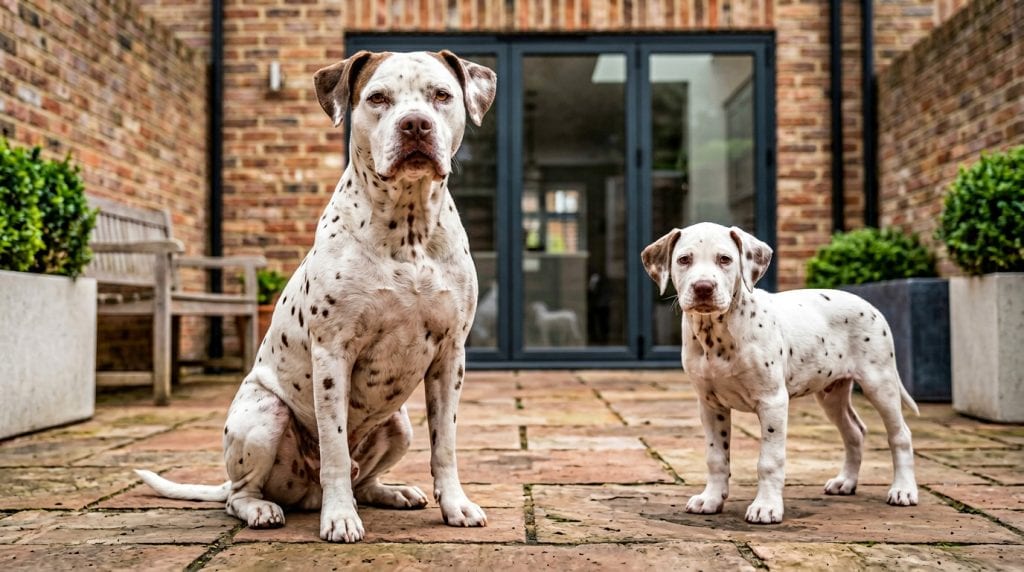
Living with a Bullmatian often feels like having a lively companion who thrives on activity and companionship. Their energetic nature is balanced with a moderate sensitivity, making them responsive to their environment and the emotions of those around them. Owners frequently find that Bullmatians enjoy being part of the family dynamic, eager to join in on adventures or simply relax nearby.
At a glance
Core care
- Size: Medium
- Energy: High
- Grooming: Low
- Shedding: Moderate
Support style
- Sensitivity: Moderate
- Training style: Moderate
Breed guide
Choose a section to explore. These notes describe common patterns, but individual dogs vary widely.
The Bullmatian, a cross between the Bulldog and Dalmatian, inherits a blend of traits from its parent breeds, creating a unique dog with a rich history. Bulldogs were originally bred for bull-baiting, showcasing strength and determination, while Dalmatians were known for their roles as carriage dogs, displaying endurance and a keen sense of alertness. This combination results in a dog that is both robust and attentive, traits that are evident in their everyday behaviour.
Physically, Bullmatians are medium-sized dogs that often exhibit a striking appearance with the Dalmatian’s signature spots and the Bulldog’s sturdy build. This unique combination means they are both eye-catching and capable. In everyday life, owners might notice their Bullmatian’s muscular physique and agile movements, which make them well-suited for a variety of physical activities. Despite their moderate shedding, their grooming needs are relatively low, making them manageable for most households.
Temperamentally, Bullmatians are known for their energetic and sociable nature. They tend to be friendly and enjoy interacting with people and other animals, although individual dogs may vary in their social preferences. Owners often observe a playful and curious spirit in their Bullmatian, with a tendency to engage actively with their surroundings. While they are generally good-natured, their moderate sensitivity means they can be attuned to the emotions and dynamics within their home.
As with any breed, it’s important to remember that Bullmatians can vary widely in behaviour and temperament. Genetics, upbringing, and environment all play crucial roles in shaping an individual dog’s personality. Prospective owners should be prepared for the energetic and social nature of the Bullmatian, while also being open to the unique quirks that each dog may bring to the table.
Bullmatians are often described as sociable and energetic, making them a lively addition to many homes. Their social nature is a blend of the Bulldog’s amiable disposition and the Dalmatian’s outgoing personality. Many owners notice that Bullmatians enjoy being involved in family activities, whether that means playing in the garden or accompanying their owners on outings. This breed tends to thrive in environments where they can interact regularly with people and other pets.
The Bullmatian’s moderate sensitivity means they can be quite responsive to the emotions and energy levels of those around them. This sensitivity often manifests in a dog that is attentive and eager to please, though it can also mean they may react to stress or changes in their environment. Owners typically find that a calm and consistent approach helps their Bullmatian feel secure and confident.
Trainability in Bullmatians can vary, but many owners find that positive reinforcement methods work well. These dogs often enjoy learning new tricks and commands, especially when training sessions are engaging and rewarding. It’s important to remember that patience and consistency are key, as some Bullmatians may be more independent-minded than others, requiring a bit more encouragement to focus on tasks.
Overall, living with a Bullmatian means embracing their lively and social tendencies while also being mindful of their individual needs. Each Bullmatian has its own unique personality, influenced by genetics and life experiences. By understanding their behavioural tendencies, owners can create a supportive environment that allows their Bullmatian to flourish, fostering a strong bond built on mutual respect and understanding.
A typical day for a Bullmatian is filled with activity and exploration. With their high energy levels, these dogs benefit from regular exercise to keep them physically and mentally satisfied. Owners often find that a combination of walks, play sessions, and interactive games helps to channel their Bullmatian’s energy in positive ways. A trip to the park or a game of fetch in the garden can be great ways to meet their exercise needs.
Mental enrichment is equally important for Bullmatians, who thrive on mental challenges and stimulation. Puzzle toys, scent games, and training exercises can all provide valuable outlets for their curious minds. Engaging their problem-solving skills not only keeps them entertained but also helps prevent boredom-related behaviours. Owners might notice that their Bullmatian is particularly keen on activities that involve both physical and mental engagement.
As Bullmatians age, their exercise needs may change. While puppies and young adults are often full of energy, older Bullmatians might appreciate more leisurely activities. It’s important to adjust exercise routines to match their life stage, ensuring they remain active without overexertion. Regular vet check-ups can help guide these adjustments, keeping them healthy and happy throughout their lives.
Avoiding excessive exercise in extreme weather is crucial, as Bullmatians can be sensitive to heat and cold. Providing plenty of water and rest breaks during activities helps them stay comfortable and safe. By tailoring their exercise and enrichment routines to their individual needs, owners can help their Bullmatian lead a fulfilling and balanced life, full of adventure and companionship.
Training a Bullmatian can feel like a rewarding journey filled with both challenges and triumphs. Their moderate trainability means they are capable learners, especially when training is approached with patience and consistency. Many owners find that Bullmatians respond well to positive reinforcement techniques, such as treats and praise, which help to motivate and engage them during training sessions.
Impulse control is an area where Bullmatians may need extra support, particularly during their adolescent phase. This period can bring about increased curiosity and a desire to explore, which might lead to some testing of boundaries. Consistent training and clear communication are essential during this time, helping to guide them towards appropriate behaviours and reinforcing the bond between dog and owner.
Building a strong relationship based on trust and mutual respect is key to successful training with Bullmatians. They tend to thrive in environments where they feel understood and supported, making it important for owners to be patient and empathetic. Regular training sessions that are short and engaging can help maintain their interest and prevent frustration for both the dog and the owner.
For those new to dog training or looking to refine their skills, enrolling in a course like “Puppy Beginnings: Building a Calm Start” can provide valuable insights and techniques. This course can help owners understand their Bullmatian’s behaviour and develop effective training strategies, ensuring a harmonious and enjoyable life together.
Bullmatians often thrive in homes where they have ample opportunities for exercise and social interaction. Their energetic nature means they appreciate environments where they can explore and play, making them well-suited to homes with gardens or access to nearby parks. However, they can adapt to apartment living if their exercise needs are met with regular outings and activities.
Owners frequently find that Bullmatians integrate well into family life, enjoying the company of children and other pets. Their playful and sociable disposition means they often engage positively with family members, though supervision is recommended with young children to ensure interactions remain safe and enjoyable for all parties. As with any breed, early socialisation can help foster positive relationships with other animals.
While Bullmatians are adaptable, they do best in homes where their need for companionship is met. They may not be the best fit for owners who are frequently away, as they can become lonely or bored without regular interaction. Prospective owners should consider their lifestyle and availability to ensure they can provide the attention and activity a Bullmatian typically enjoys.
Ultimately, the Bullmatian can be a wonderful addition to a variety of home environments, provided their needs for exercise, companionship, and mental stimulation are met. By understanding their tendencies and making accommodations for their energetic and social nature, owners can create a harmonious living situation that benefits both the dog and the family.
The overall health of a Bullmatian is closely tied to their everyday wellbeing, and maintaining a healthy lifestyle is key to ensuring they remain happy and active. Regular veterinary check-ups, a balanced diet, and appropriate exercise are all crucial components of their care. These elements help to prevent potential health issues and support their overall quality of life.
Bullmatians may be prone to certain health concerns inherited from their parent breeds, such as hip dysplasia, skin allergies, and potential heart conditions. Owners should be vigilant in monitoring their Bullmatian for any signs of discomfort or changes in behaviour, as early detection and intervention can be beneficial. Maintaining a healthy weight and providing joint supplements can also support their long-term health.
Preventive care is an important aspect of managing a Bullmatian’s health. Regular dental care, including brushing their teeth and providing dental chews, can help prevent periodontal disease. Vaccinations and parasite control are also essential to protect them from common ailments and ensure they remain in good health.
If any health concerns arise, seeking veterinary advice promptly is important. A professional can provide guidance on treatment options and help manage any conditions that may develop. By staying proactive and attentive to their Bullmatian’s health needs, owners can help ensure their dog enjoys a long and fulfilling life.
The Bullmatian is a relatively recent addition to the world of mixed breeds, combining the Bulldog and Dalmatian into a unique and versatile dog. The Bulldog’s history as a tenacious and strong breed dates back to its origins in bull-baiting, where its courage and determination were highly valued. Over time, Bulldogs transitioned into companion animals, known for their affectionate nature and distinctive appearance.
Dalmatians, on the other hand, have a storied history as carriage dogs, known for their endurance and alertness. Their role in guarding and accompanying horse-drawn carriages showcased their intelligence and loyalty, traits that are still evident in the breed today. The Dalmatian’s distinctive spotted coat and energetic personality have made them a popular choice for families and active individuals alike.
The combination of these two breeds in the Bullmatian brings together the best of both worlds, resulting in a dog that is both robust and social. This blend of traits is reflected in their modern-day behaviour, as Bullmatians often display a balance of strength, endurance, and sociability. Their unique heritage helps explain their energetic nature and their desire to be involved in family activities.
Understanding the history and origins of the Bullmatian provides valuable insight into their behaviour and needs. By appreciating the traits inherited from their parent breeds, owners can better support their Bullmatian’s development and create a fulfilling life that honours their rich and diverse heritage.
What shapes individual dogs
- Early social experiences
- Training approach
- Environment & routine
- Genetics & breeding
- Health & pain
- Age / life stage
The Bullmatian, a cross between the Bulldog and Dalmatian, inherits a blend of traits from its parent breeds, creating a unique dog with a rich history. Bulldogs were originally bred for bull-baiting, showcasing strength and determination, while Dalmatians were known for their roles as carriage dogs, displaying endurance and a keen sense of alertness. This combination results in a dog that is both robust and attentive, traits that are evident in their everyday behaviour.
Physically, Bullmatians are medium-sized dogs that often exhibit a striking appearance with the Dalmatian’s signature spots and the Bulldog’s sturdy build. This unique combination means they are both eye-catching and capable. In everyday life, owners might notice their Bullmatian’s muscular physique and agile movements, which make them well-suited for a variety of physical activities. Despite their moderate shedding, their grooming needs are relatively low, making them manageable for most households.
Temperamentally, Bullmatians are known for their energetic and sociable nature. They tend to be friendly and enjoy interacting with people and other animals, although individual dogs may vary in their social preferences. Owners often observe a playful and curious spirit in their Bullmatian, with a tendency to engage actively with their surroundings. While they are generally good-natured, their moderate sensitivity means they can be attuned to the emotions and dynamics within their home.
As with any breed, it’s important to remember that Bullmatians can vary widely in behaviour and temperament. Genetics, upbringing, and environment all play crucial roles in shaping an individual dog’s personality. Prospective owners should be prepared for the energetic and social nature of the Bullmatian, while also being open to the unique quirks that each dog may bring to the table.
Bullmatians are often described as sociable and energetic, making them a lively addition to many homes. Their social nature is a blend of the Bulldog’s amiable disposition and the Dalmatian’s outgoing personality. Many owners notice that Bullmatians enjoy being involved in family activities, whether that means playing in the garden or accompanying their owners on outings. This breed tends to thrive in environments where they can interact regularly with people and other pets.
The Bullmatian’s moderate sensitivity means they can be quite responsive to the emotions and energy levels of those around them. This sensitivity often manifests in a dog that is attentive and eager to please, though it can also mean they may react to stress or changes in their environment. Owners typically find that a calm and consistent approach helps their Bullmatian feel secure and confident.
Trainability in Bullmatians can vary, but many owners find that positive reinforcement methods work well. These dogs often enjoy learning new tricks and commands, especially when training sessions are engaging and rewarding. It’s important to remember that patience and consistency are key, as some Bullmatians may be more independent-minded than others, requiring a bit more encouragement to focus on tasks.
Overall, living with a Bullmatian means embracing their lively and social tendencies while also being mindful of their individual needs. Each Bullmatian has its own unique personality, influenced by genetics and life experiences. By understanding their behavioural tendencies, owners can create a supportive environment that allows their Bullmatian to flourish, fostering a strong bond built on mutual respect and understanding.
A typical day for a Bullmatian is filled with activity and exploration. With their high energy levels, these dogs benefit from regular exercise to keep them physically and mentally satisfied. Owners often find that a combination of walks, play sessions, and interactive games helps to channel their Bullmatian’s energy in positive ways. A trip to the park or a game of fetch in the garden can be great ways to meet their exercise needs.
Mental enrichment is equally important for Bullmatians, who thrive on mental challenges and stimulation. Puzzle toys, scent games, and training exercises can all provide valuable outlets for their curious minds. Engaging their problem-solving skills not only keeps them entertained but also helps prevent boredom-related behaviours. Owners might notice that their Bullmatian is particularly keen on activities that involve both physical and mental engagement.
As Bullmatians age, their exercise needs may change. While puppies and young adults are often full of energy, older Bullmatians might appreciate more leisurely activities. It’s important to adjust exercise routines to match their life stage, ensuring they remain active without overexertion. Regular vet check-ups can help guide these adjustments, keeping them healthy and happy throughout their lives.
Avoiding excessive exercise in extreme weather is crucial, as Bullmatians can be sensitive to heat and cold. Providing plenty of water and rest breaks during activities helps them stay comfortable and safe. By tailoring their exercise and enrichment routines to their individual needs, owners can help their Bullmatian lead a fulfilling and balanced life, full of adventure and companionship.
Training a Bullmatian can feel like a rewarding journey filled with both challenges and triumphs. Their moderate trainability means they are capable learners, especially when training is approached with patience and consistency. Many owners find that Bullmatians respond well to positive reinforcement techniques, such as treats and praise, which help to motivate and engage them during training sessions.
Impulse control is an area where Bullmatians may need extra support, particularly during their adolescent phase. This period can bring about increased curiosity and a desire to explore, which might lead to some testing of boundaries. Consistent training and clear communication are essential during this time, helping to guide them towards appropriate behaviours and reinforcing the bond between dog and owner.
Building a strong relationship based on trust and mutual respect is key to successful training with Bullmatians. They tend to thrive in environments where they feel understood and supported, making it important for owners to be patient and empathetic. Regular training sessions that are short and engaging can help maintain their interest and prevent frustration for both the dog and the owner.
For those new to dog training or looking to refine their skills, enrolling in a course like “Puppy Beginnings: Building a Calm Start” can provide valuable insights and techniques. This course can help owners understand their Bullmatian’s behaviour and develop effective training strategies, ensuring a harmonious and enjoyable life together.
Bullmatians often thrive in homes where they have ample opportunities for exercise and social interaction. Their energetic nature means they appreciate environments where they can explore and play, making them well-suited to homes with gardens or access to nearby parks. However, they can adapt to apartment living if their exercise needs are met with regular outings and activities.
Owners frequently find that Bullmatians integrate well into family life, enjoying the company of children and other pets. Their playful and sociable disposition means they often engage positively with family members, though supervision is recommended with young children to ensure interactions remain safe and enjoyable for all parties. As with any breed, early socialisation can help foster positive relationships with other animals.
While Bullmatians are adaptable, they do best in homes where their need for companionship is met. They may not be the best fit for owners who are frequently away, as they can become lonely or bored without regular interaction. Prospective owners should consider their lifestyle and availability to ensure they can provide the attention and activity a Bullmatian typically enjoys.
Ultimately, the Bullmatian can be a wonderful addition to a variety of home environments, provided their needs for exercise, companionship, and mental stimulation are met. By understanding their tendencies and making accommodations for their energetic and social nature, owners can create a harmonious living situation that benefits both the dog and the family.
The overall health of a Bullmatian is closely tied to their everyday wellbeing, and maintaining a healthy lifestyle is key to ensuring they remain happy and active. Regular veterinary check-ups, a balanced diet, and appropriate exercise are all crucial components of their care. These elements help to prevent potential health issues and support their overall quality of life.
Bullmatians may be prone to certain health concerns inherited from their parent breeds, such as hip dysplasia, skin allergies, and potential heart conditions. Owners should be vigilant in monitoring their Bullmatian for any signs of discomfort or changes in behaviour, as early detection and intervention can be beneficial. Maintaining a healthy weight and providing joint supplements can also support their long-term health.
Preventive care is an important aspect of managing a Bullmatian’s health. Regular dental care, including brushing their teeth and providing dental chews, can help prevent periodontal disease. Vaccinations and parasite control are also essential to protect them from common ailments and ensure they remain in good health.
If any health concerns arise, seeking veterinary advice promptly is important. A professional can provide guidance on treatment options and help manage any conditions that may develop. By staying proactive and attentive to their Bullmatian’s health needs, owners can help ensure their dog enjoys a long and fulfilling life.
The Bullmatian is a relatively recent addition to the world of mixed breeds, combining the Bulldog and Dalmatian into a unique and versatile dog. The Bulldog’s history as a tenacious and strong breed dates back to its origins in bull-baiting, where its courage and determination were highly valued. Over time, Bulldogs transitioned into companion animals, known for their affectionate nature and distinctive appearance.
Dalmatians, on the other hand, have a storied history as carriage dogs, known for their endurance and alertness. Their role in guarding and accompanying horse-drawn carriages showcased their intelligence and loyalty, traits that are still evident in the breed today. The Dalmatian’s distinctive spotted coat and energetic personality have made them a popular choice for families and active individuals alike.
The combination of these two breeds in the Bullmatian brings together the best of both worlds, resulting in a dog that is both robust and social. This blend of traits is reflected in their modern-day behaviour, as Bullmatians often display a balance of strength, endurance, and sociability. Their unique heritage helps explain their energetic nature and their desire to be involved in family activities.
Understanding the history and origins of the Bullmatian provides valuable insight into their behaviour and needs. By appreciating the traits inherited from their parent breeds, owners can better support their Bullmatian’s development and create a fulfilling life that honours their rich and diverse heritage.
What shapes individual dogs
- Early social experiences
- Training approach
- Environment & routine
- Genetics & breeding
- Health & pain
- Age / life stage
Want support with this?
This course is relevant for Bullmatian owners to help navigate the energetic and social nature of the breed, ensuring a harmonious start together.