
Australian Shepherd
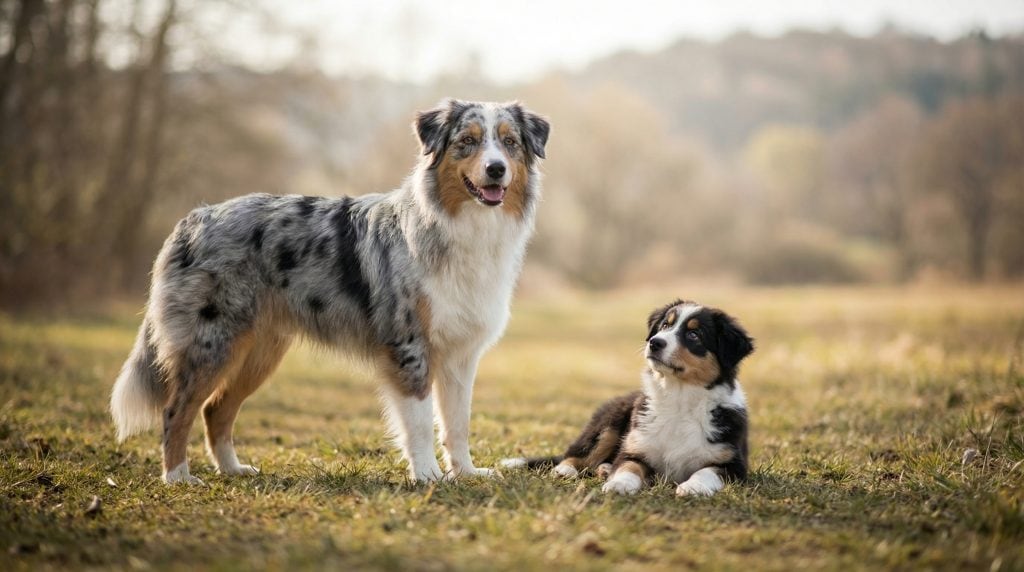
Living with an Australian Shepherd often means sharing your home with a highly engaged and observant companion who enjoys staying closely involved in daily life. They usually feel most settled in homes where their intelligence, stamina, and herding instincts are channelled into regular activity, training, and shared routines.
At a glance
Core care
- Size: Medium
- Energy: High
- Grooming: Low
- Shedding: High
Support style
- Sensitivity: High
- Training style: Willing
Breed guide
Choose a section to explore. These notes describe common patterns, but individual dogs vary widely.
The Australian Shepherd, despite its name, was developed in the United States to work on ranches and farms, herding livestock with agility and precision. This working background has shaped the breed into a highly energetic and intelligent dog that thrives on having a job to do. Modern Australian Shepherds often carry these traits into family life, where they are happiest when engaged in activities that challenge both their minds and bodies.
Physically, Australian Shepherds are medium-sized dogs with a strong, athletic build that supports their high energy levels. Their coats are typically medium-length and can come in a variety of colours, including blue merle, red merle, black, and red, often with white and tan markings. This coat not only provides protection from the elements but also requires regular grooming to manage their high shedding tendency, which can be a daily task for owners.
In terms of temperament, Australian Shepherds are often described as loyal and eager to please, with a strong desire to be involved in family activities. They are known for their intelligence and quick learning ability, which makes training both rewarding and necessary to keep them mentally stimulated. However, their sensitivity means they respond best to positive reinforcement and gentle guidance, as harsh methods can lead to anxiety or behavioural issues.
While Australian Shepherds are generally consistent in their energetic and intelligent nature, individual dogs can vary significantly in terms of temperament and activity levels. Some may be more laid-back, while others are constantly on the go, reflecting the diversity within the breed. Prospective owners should be prepared for a dog that requires significant time and attention, adapting their lifestyle to meet the needs of this dynamic and engaging breed.
Australian Shepherds are often noted for their sociable and affectionate nature, forming strong bonds with their families and enjoying being part of daily life. Their herding background contributes to their tendency to be watchful and protective, which can make them excellent companions and alert watchdogs. However, this same instinct can sometimes lead to behaviours like nipping or herding children and other pets, which needs gentle correction.
Their intelligence and eagerness to learn mean that Australian Shepherds typically excel in training environments where they can use their problem-solving skills. Owners often find that these dogs pick up commands quickly and enjoy learning new tricks or tasks, which helps keep their active minds engaged. This willingness to learn makes them well-suited for dog sports and activities like agility, obedience, and herding trials.
Sensitivity is a notable trait in Australian Shepherds, meaning they are highly attuned to the emotions and behaviours of those around them. This sensitivity can be a double-edged sword; while it allows them to be incredibly empathetic companions, it also means they may become anxious in chaotic or unpredictable environments. Consistent routines and calm, positive interactions help them feel secure and confident.
Each Australian Shepherd is unique, and while many share these common traits, individual personalities can vary. Some may be more independent, while others are particularly clingy, preferring to stay close to their people. Understanding and adapting to the specific needs and quirks of an individual dog is key to fostering a happy and harmonious relationship.
A typical day for an Australian Shepherd involves plenty of physical activity and mental stimulation to satisfy their high energy levels. These dogs thrive on long walks, runs, or hikes, and they often enjoy participating in dog sports like agility or flyball. Without sufficient exercise, they may become restless or develop unwanted behaviours, so it’s important to incorporate regular, varied activities into their daily routine.
Mental enrichment is just as important as physical exercise for Australian Shepherds. Puzzle toys, interactive games, and training sessions that challenge their problem-solving abilities can help keep their minds sharp and engaged. Owners often find that these dogs enjoy learning new tricks or tasks, which can be a fun way to bond while providing mental stimulation.
As Australian Shepherds age, their exercise needs may change, but they generally remain active throughout their lives. Puppies require shorter, more frequent play sessions to avoid over-exertion, while older dogs may benefit from gentler activities that still allow them to move and explore. It’s important to adjust exercise routines to suit the individual dog’s age, health, and energy levels.
While Australian Shepherds are generally enthusiastic about activity, it’s crucial not to push them too hard, especially in hot weather or when they’re young and still developing. Balancing exercise with rest and recovery is key to maintaining their overall health and wellbeing. Understanding and responding to the individual needs of an Australian Shepherd will help ensure they remain happy and healthy.
Training an Australian Shepherd often feels like working with a highly intelligent and eager student. These dogs are quick learners and typically respond well to positive reinforcement methods, such as treats, praise, and play. Their willingness to please makes them highly trainable, but it also means they thrive on consistency and clear communication from their owners.
Impulse control can be a challenge for Australian Shepherds, particularly during their adolescent phase. They may become easily excited or distracted, so incorporating impulse control exercises into their training routine can be beneficial. Teaching commands like ‘wait’ or ‘leave it’ can help manage their enthusiasm and improve focus.
Building a strong relationship with an Australian Shepherd is essential for successful training. These dogs are sensitive and respond best to gentle guidance and encouragement. Harsh or punitive methods can damage their trust and lead to anxiety or behavioural issues. Instead, fostering a positive and supportive training environment will help them flourish.
Consistency is key when training an Australian Shepherd, as they thrive on routine and structure. Regular training sessions that incorporate a mix of obedience, tricks, and mental challenges will keep them engaged and prevent boredom. By understanding and catering to their unique training needs, owners can help their Australian Shepherds reach their full potential.
Australian Shepherds tend to thrive in homes where they have plenty of space to move and play, making them well-suited for families with large gardens or access to parks and open spaces. Their high energy levels and need for mental stimulation mean they are happiest in environments where they can be active and engaged.
While they can adapt to various living situations, Australian Shepherds may find apartment living challenging unless their exercise and enrichment needs are met consistently. Owners often find that these dogs do well in homes where they have a job or role, such as participating in dog sports or helping with tasks around the house.
Australian Shepherds are generally good with children and can be excellent family dogs, though their herding instincts may lead to behaviours like nipping or chasing. Early socialisation and training can help manage these tendencies, ensuring they interact well with kids and other pets. Supervision and guidance are important to ensure positive interactions.
Ultimately, the suitability of an Australian Shepherd for a particular home depends on the owner’s lifestyle and ability to meet the breed’s needs. Families who enjoy outdoor activities and have the time to dedicate to training and exercise will likely find this breed a rewarding and loyal companion. Understanding the breed’s requirements and adapting to their individual needs is key to a successful and fulfilling relationship.
The health and wellbeing of an Australian Shepherd are closely linked to their overall quality of life. Regular veterinary check-ups and preventive care are essential to maintaining their health, as they can be prone to certain breed-specific conditions. Common health concerns include hip dysplasia, eye disorders, and epilepsy, which can impact their daily activities and behaviour.
Owners often notice that a healthy Australian Shepherd is active, alert, and eager to engage with their environment. Monitoring their behaviour and physical condition can help identify any potential health issues early on. Signs of discomfort or changes in behaviour should prompt a visit to the veterinarian for a thorough evaluation.
Preventive care, such as vaccinations, parasite control, and dental hygiene, plays a crucial role in keeping Australian Shepherds healthy. Regular exercise and a balanced diet also contribute to their overall wellbeing, helping to maintain a healthy weight and support their active lifestyle.
While health concerns can be a consideration, many Australian Shepherds live long, healthy lives with proper care and attention. By staying informed about breed-specific health issues and working closely with a veterinarian, owners can ensure their dogs receive the best possible care and enjoy a happy, active life.
The Australian Shepherd’s history is a fascinating tale of adaptation and development, despite its somewhat misleading name. The breed was actually developed in the United States, not Australia, to assist ranchers and farmers with herding livestock. Its origins can be traced back to the Basque region of Europe, where shepherds began migrating to America with their herding dogs in the 19th century.
Once in the United States, these dogs were crossbred with other working breeds to enhance their herding abilities and adapt them to the diverse and challenging American landscapes. The resulting breed, the Australian Shepherd, quickly gained popularity for its intelligence, agility, and work ethic, becoming a staple on ranches and farms across the country.
The breed’s working heritage is still evident in today’s Australian Shepherds, who often display a strong drive to herd and a keen sense of purpose. These traits make them excellent companions for active families and individuals who can provide them with the mental and physical stimulation they crave. Their versatility and trainability have also made them popular in dog sports and activities, where they continue to excel.
Understanding the Australian Shepherd’s history helps explain many of the traits owners see today, from their energetic nature to their strong bonds with their families. This rich heritage continues to shape the breed, making them a unique and engaging companion for those who appreciate their working roots and vibrant personality.
What shapes individual dogs
- Early social experiences
- Training approach
- Environment & routine
- Genetics & breeding
- Health & pain
- Age / life stage
The Australian Shepherd, despite its name, was developed in the United States to work on ranches and farms, herding livestock with agility and precision. This working background has shaped the breed into a highly energetic and intelligent dog that thrives on having a job to do. Modern Australian Shepherds often carry these traits into family life, where they are happiest when engaged in activities that challenge both their minds and bodies.
Physically, Australian Shepherds are medium-sized dogs with a strong, athletic build that supports their high energy levels. Their coats are typically medium-length and can come in a variety of colours, including blue merle, red merle, black, and red, often with white and tan markings. This coat not only provides protection from the elements but also requires regular grooming to manage their high shedding tendency, which can be a daily task for owners.
In terms of temperament, Australian Shepherds are often described as loyal and eager to please, with a strong desire to be involved in family activities. They are known for their intelligence and quick learning ability, which makes training both rewarding and necessary to keep them mentally stimulated. However, their sensitivity means they respond best to positive reinforcement and gentle guidance, as harsh methods can lead to anxiety or behavioural issues.
While Australian Shepherds are generally consistent in their energetic and intelligent nature, individual dogs can vary significantly in terms of temperament and activity levels. Some may be more laid-back, while others are constantly on the go, reflecting the diversity within the breed. Prospective owners should be prepared for a dog that requires significant time and attention, adapting their lifestyle to meet the needs of this dynamic and engaging breed.
Australian Shepherds are often noted for their sociable and affectionate nature, forming strong bonds with their families and enjoying being part of daily life. Their herding background contributes to their tendency to be watchful and protective, which can make them excellent companions and alert watchdogs. However, this same instinct can sometimes lead to behaviours like nipping or herding children and other pets, which needs gentle correction.
Their intelligence and eagerness to learn mean that Australian Shepherds typically excel in training environments where they can use their problem-solving skills. Owners often find that these dogs pick up commands quickly and enjoy learning new tricks or tasks, which helps keep their active minds engaged. This willingness to learn makes them well-suited for dog sports and activities like agility, obedience, and herding trials.
Sensitivity is a notable trait in Australian Shepherds, meaning they are highly attuned to the emotions and behaviours of those around them. This sensitivity can be a double-edged sword; while it allows them to be incredibly empathetic companions, it also means they may become anxious in chaotic or unpredictable environments. Consistent routines and calm, positive interactions help them feel secure and confident.
Each Australian Shepherd is unique, and while many share these common traits, individual personalities can vary. Some may be more independent, while others are particularly clingy, preferring to stay close to their people. Understanding and adapting to the specific needs and quirks of an individual dog is key to fostering a happy and harmonious relationship.
A typical day for an Australian Shepherd involves plenty of physical activity and mental stimulation to satisfy their high energy levels. These dogs thrive on long walks, runs, or hikes, and they often enjoy participating in dog sports like agility or flyball. Without sufficient exercise, they may become restless or develop unwanted behaviours, so it’s important to incorporate regular, varied activities into their daily routine.
Mental enrichment is just as important as physical exercise for Australian Shepherds. Puzzle toys, interactive games, and training sessions that challenge their problem-solving abilities can help keep their minds sharp and engaged. Owners often find that these dogs enjoy learning new tricks or tasks, which can be a fun way to bond while providing mental stimulation.
As Australian Shepherds age, their exercise needs may change, but they generally remain active throughout their lives. Puppies require shorter, more frequent play sessions to avoid over-exertion, while older dogs may benefit from gentler activities that still allow them to move and explore. It’s important to adjust exercise routines to suit the individual dog’s age, health, and energy levels.
While Australian Shepherds are generally enthusiastic about activity, it’s crucial not to push them too hard, especially in hot weather or when they’re young and still developing. Balancing exercise with rest and recovery is key to maintaining their overall health and wellbeing. Understanding and responding to the individual needs of an Australian Shepherd will help ensure they remain happy and healthy.
Training an Australian Shepherd often feels like working with a highly intelligent and eager student. These dogs are quick learners and typically respond well to positive reinforcement methods, such as treats, praise, and play. Their willingness to please makes them highly trainable, but it also means they thrive on consistency and clear communication from their owners.
Impulse control can be a challenge for Australian Shepherds, particularly during their adolescent phase. They may become easily excited or distracted, so incorporating impulse control exercises into their training routine can be beneficial. Teaching commands like ‘wait’ or ‘leave it’ can help manage their enthusiasm and improve focus.
Building a strong relationship with an Australian Shepherd is essential for successful training. These dogs are sensitive and respond best to gentle guidance and encouragement. Harsh or punitive methods can damage their trust and lead to anxiety or behavioural issues. Instead, fostering a positive and supportive training environment will help them flourish.
Consistency is key when training an Australian Shepherd, as they thrive on routine and structure. Regular training sessions that incorporate a mix of obedience, tricks, and mental challenges will keep them engaged and prevent boredom. By understanding and catering to their unique training needs, owners can help their Australian Shepherds reach their full potential.
Australian Shepherds tend to thrive in homes where they have plenty of space to move and play, making them well-suited for families with large gardens or access to parks and open spaces. Their high energy levels and need for mental stimulation mean they are happiest in environments where they can be active and engaged.
While they can adapt to various living situations, Australian Shepherds may find apartment living challenging unless their exercise and enrichment needs are met consistently. Owners often find that these dogs do well in homes where they have a job or role, such as participating in dog sports or helping with tasks around the house.
Australian Shepherds are generally good with children and can be excellent family dogs, though their herding instincts may lead to behaviours like nipping or chasing. Early socialisation and training can help manage these tendencies, ensuring they interact well with kids and other pets. Supervision and guidance are important to ensure positive interactions.
Ultimately, the suitability of an Australian Shepherd for a particular home depends on the owner’s lifestyle and ability to meet the breed’s needs. Families who enjoy outdoor activities and have the time to dedicate to training and exercise will likely find this breed a rewarding and loyal companion. Understanding the breed’s requirements and adapting to their individual needs is key to a successful and fulfilling relationship.
The health and wellbeing of an Australian Shepherd are closely linked to their overall quality of life. Regular veterinary check-ups and preventive care are essential to maintaining their health, as they can be prone to certain breed-specific conditions. Common health concerns include hip dysplasia, eye disorders, and epilepsy, which can impact their daily activities and behaviour.
Owners often notice that a healthy Australian Shepherd is active, alert, and eager to engage with their environment. Monitoring their behaviour and physical condition can help identify any potential health issues early on. Signs of discomfort or changes in behaviour should prompt a visit to the veterinarian for a thorough evaluation.
Preventive care, such as vaccinations, parasite control, and dental hygiene, plays a crucial role in keeping Australian Shepherds healthy. Regular exercise and a balanced diet also contribute to their overall wellbeing, helping to maintain a healthy weight and support their active lifestyle.
While health concerns can be a consideration, many Australian Shepherds live long, healthy lives with proper care and attention. By staying informed about breed-specific health issues and working closely with a veterinarian, owners can ensure their dogs receive the best possible care and enjoy a happy, active life.
The Australian Shepherd’s history is a fascinating tale of adaptation and development, despite its somewhat misleading name. The breed was actually developed in the United States, not Australia, to assist ranchers and farmers with herding livestock. Its origins can be traced back to the Basque region of Europe, where shepherds began migrating to America with their herding dogs in the 19th century.
Once in the United States, these dogs were crossbred with other working breeds to enhance their herding abilities and adapt them to the diverse and challenging American landscapes. The resulting breed, the Australian Shepherd, quickly gained popularity for its intelligence, agility, and work ethic, becoming a staple on ranches and farms across the country.
The breed’s working heritage is still evident in today’s Australian Shepherds, who often display a strong drive to herd and a keen sense of purpose. These traits make them excellent companions for active families and individuals who can provide them with the mental and physical stimulation they crave. Their versatility and trainability have also made them popular in dog sports and activities, where they continue to excel.
Understanding the Australian Shepherd’s history helps explain many of the traits owners see today, from their energetic nature to their strong bonds with their families. This rich heritage continues to shape the breed, making them a unique and engaging companion for those who appreciate their working roots and vibrant personality.
What shapes individual dogs
- Early social experiences
- Training approach
- Environment & routine
- Genetics & breeding
- Health & pain
- Age / life stage
Want support with this?
This course can help Australian Shepherd owners understand their dog's complex temperament and behaviour nuances.