
Shetland Sheepdog
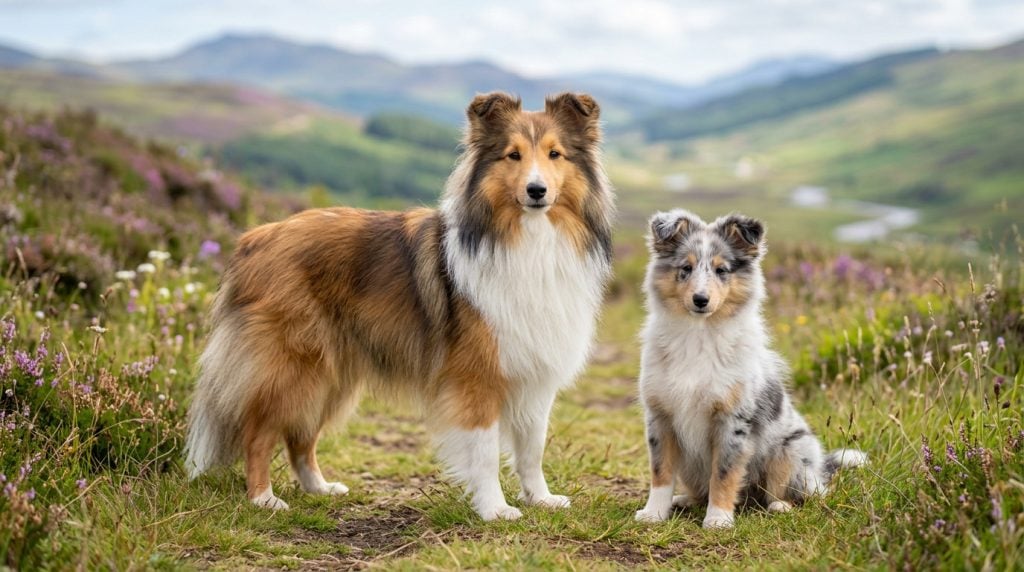
Living with a Shetland Sheepdog often means sharing your home with a dog that pays close attention to everything happening around them. Their alert nature and sensitivity to their family's routines often make them highly responsive companions who enjoy staying involved in daily life.
At a glance
Core care
- Size: Medium
- Energy: Moderate to high
- Grooming: Low
- Shedding: High
Support style
- Sensitivity: High
- Training style: Highly responsive
Breed guide
Choose a section to explore. These notes describe common patterns, but individual dogs vary widely.
Shetland Sheepdogs are often recognised for their alert expression and their tendency to notice even small changes in their surroundings. Many owners quickly observe how attentive these dogs are to household routines, often watching closely and responding to movement, sound, or shifts in activity around them. This awareness reflects their long history as attentive herding dogs.
Physically, Shelties are medium-sized dogs with a striking double coat that requires regular grooming. Their coats were originally developed to withstand harsh weather conditions, providing insulation and protection. In everyday life, this means owners should be prepared for regular brushing and seasonal shedding.
Temperamentally, Shelties are known for their affectionate and loyal nature. They tend to form strong bonds with their families and are often happiest when included in daily activities. Their sensitivity to human emotions can make them deeply responsive companions, though it may also mean they require a calm and predictable environment to feel secure.
While these tendencies are common within the breed, individual Shelties can vary widely. Genetics, upbringing, and environment all influence a dog’s personality, meaning each Sheltie develops its own unique temperament over time.
Shetland Sheepdogs are often described as social butterflies within their family circles. They tend to thrive on interaction and are usually eager to be part of whatever is happening around them. This social nature is likely a reflection of their herding background, where being attuned to the flock and the shepherd was crucial.
In everyday life, Shelties often display a high level of sensitivity, which can be both a blessing and a challenge. Their ability to pick up on human emotions means they can be very empathetic companions, often providing comfort when needed. However, this sensitivity also means they can be easily startled by loud noises or sudden changes in their environment.
Owners frequently notice that Shelties are highly trainable and responsive. Their intelligence and eagerness to please make them quick learners, though they may require gentle handling due to their sensitive nature. Positive reinforcement techniques tend to work best, as harsh methods can lead to anxiety or mistrust.
Despite their general tendencies, it’s essential to remember that each Sheltie is unique. While many may exhibit these social and trainable traits, others might be more reserved or independent. Understanding and respecting the individual personality of each dog is key to a harmonious relationship.
A typical day for a Shetland Sheepdog often involves a mix of physical and mental activities. With their moderate to high energy levels, they thrive on regular walks, play sessions, and opportunities to engage their minds. Owners often find that a brisk morning walk followed by some interactive playtime in the garden helps keep their Sheltie content.
Physical exercise is crucial for Shelties, but mental stimulation is equally important. Puzzle toys, training sessions, and games that challenge their problem-solving skills can be particularly beneficial. These activities not only keep them physically fit but also prevent boredom, which can lead to unwanted behaviours.
As Shelties age, their exercise needs may change. While younger dogs might require more vigorous activities, older Shelties may prefer gentler walks and shorter play sessions. It’s important for owners to adjust their routines to accommodate their dog’s changing needs, ensuring they remain healthy and happy throughout their lives.
Owners should be mindful not to over-exercise their Sheltie, especially in extreme weather conditions. Their thick coat can make them prone to overheating, so it’s best to schedule activities during cooler parts of the day and always provide access to fresh water.
Training a Shetland Sheepdog often feels like working with a willing and eager student. Their intelligence and responsiveness make them a joy to train, as they usually pick up commands quickly and enjoy the mental challenge. Many owners find that training sessions are a great way to bond with their Sheltie, as these dogs thrive on positive interaction.
Consistency and patience are key when training a Sheltie. Positive reinforcement techniques, such as treats and praise, tend to be the most effective. Given their sensitivity, it’s important to avoid harsh corrections, which can lead to anxiety or a breakdown in trust.
During adolescence, Shelties may test boundaries, much like any other breed. This phase requires a steady hand and a consistent approach to training. Maintaining a routine and continuing to reinforce good behaviours can help navigate this challenging period.
Building a strong relationship based on trust and mutual respect is crucial for successful training. Shelties often respond well to a training approach that combines structure with affection, helping them to feel secure and motivated to learn. For owners seeking additional guidance, the course “Puppy Beginnings: Building a Calm Start” can provide valuable insights into nurturing a well-adjusted Sheltie.
Shetland Sheepdogs tend to adapt well to a variety of living situations, provided they receive enough mental and physical stimulation. They often do well in homes where they can be part of the family activities, enjoying both indoor companionship and outdoor adventures.
Many owners find that Shelties thrive in homes with secure gardens where they can play and explore safely. However, they are also known to adapt to apartment living, as long as their exercise needs are met through regular walks and playtime.
When it comes to living with children and other pets, Shelties often do well, thanks to their gentle and affectionate nature. They tend to be patient with children and can coexist peacefully with other pets, especially if they are introduced at a young age. However, their herding instincts may lead them to try and ‘herd’ young children or smaller animals, which is something to be mindful of.
Ultimately, the best home for a Sheltie is one where they are considered a true member of the family. They thrive on companionship and can become anxious if left alone for long periods. Prospective owners should be prepared to invest time and energy into their Sheltie’s wellbeing, ensuring they lead a happy and fulfilled life.
The health of a Shetland Sheepdog is closely tied to their overall wellbeing and quality of life. Regular veterinary check-ups and preventive care are essential to catch any potential health issues early and maintain their health.
Some health considerations for Shelties include genetic conditions such as hip dysplasia, eye disorders, and thyroid issues. Responsible breeders often screen for these conditions, but it’s important for owners to be aware of the signs and seek veterinary advice if they have concerns.
A healthy diet and regular exercise play a significant role in preventing obesity, which can exacerbate joint issues. Owners should monitor their Sheltie’s weight and adjust their diet and exercise routine as needed to maintain a healthy balance.
Being proactive about health care, including dental hygiene, can make a significant difference in a Sheltie’s quality of life. Regular brushing of their teeth and providing dental chews can help prevent dental disease. Owners should also be vigilant for any changes in behaviour or physical condition, as these can be early indicators of health issues that may require veterinary attention.
The Shetland Sheepdog hails from the Shetland Islands, a rugged and isolated region off the coast of Scotland. Originally bred to herd sheep and protect farmland, these dogs needed to be intelligent, agile, and resilient to thrive in the harsh climate.
Their development was influenced by a variety of breeds, including the Border Collie and the Icelandic Sheepdog, which contributed to their herding prowess and distinctive appearance. Over time, the Sheltie evolved into a smaller, more refined version of its ancestors, better suited to the unique demands of the Shetland Islands.
As the breed gained popularity beyond the islands, it was further refined and standardised, eventually becoming a beloved companion and show dog. The Sheltie’s history as a working dog is still evident in their modern traits, such as their keen intelligence, alertness, and strong work ethic.
Understanding the Sheltie’s origins helps explain their behaviour today. Their herding instincts manifest in their vigilance and desire to keep their family ‘flock’ in check. This history also contributes to their sensitivity and responsiveness, making them both delightful companions and attentive watchdogs.
What shapes individual dogs
- Early social experiences
- Training approach
- Environment & routine
- Genetics & breeding
- Health & pain
- Age / life stage
Shetland Sheepdogs are often recognised for their alert expression and their tendency to notice even small changes in their surroundings. Many owners quickly observe how attentive these dogs are to household routines, often watching closely and responding to movement, sound, or shifts in activity around them. This awareness reflects their long history as attentive herding dogs.
Physically, Shelties are medium-sized dogs with a striking double coat that requires regular grooming. Their coats were originally developed to withstand harsh weather conditions, providing insulation and protection. In everyday life, this means owners should be prepared for regular brushing and seasonal shedding.
Temperamentally, Shelties are known for their affectionate and loyal nature. They tend to form strong bonds with their families and are often happiest when included in daily activities. Their sensitivity to human emotions can make them deeply responsive companions, though it may also mean they require a calm and predictable environment to feel secure.
While these tendencies are common within the breed, individual Shelties can vary widely. Genetics, upbringing, and environment all influence a dog’s personality, meaning each Sheltie develops its own unique temperament over time.
Shetland Sheepdogs are often described as social butterflies within their family circles. They tend to thrive on interaction and are usually eager to be part of whatever is happening around them. This social nature is likely a reflection of their herding background, where being attuned to the flock and the shepherd was crucial.
In everyday life, Shelties often display a high level of sensitivity, which can be both a blessing and a challenge. Their ability to pick up on human emotions means they can be very empathetic companions, often providing comfort when needed. However, this sensitivity also means they can be easily startled by loud noises or sudden changes in their environment.
Owners frequently notice that Shelties are highly trainable and responsive. Their intelligence and eagerness to please make them quick learners, though they may require gentle handling due to their sensitive nature. Positive reinforcement techniques tend to work best, as harsh methods can lead to anxiety or mistrust.
Despite their general tendencies, it’s essential to remember that each Sheltie is unique. While many may exhibit these social and trainable traits, others might be more reserved or independent. Understanding and respecting the individual personality of each dog is key to a harmonious relationship.
A typical day for a Shetland Sheepdog often involves a mix of physical and mental activities. With their moderate to high energy levels, they thrive on regular walks, play sessions, and opportunities to engage their minds. Owners often find that a brisk morning walk followed by some interactive playtime in the garden helps keep their Sheltie content.
Physical exercise is crucial for Shelties, but mental stimulation is equally important. Puzzle toys, training sessions, and games that challenge their problem-solving skills can be particularly beneficial. These activities not only keep them physically fit but also prevent boredom, which can lead to unwanted behaviours.
As Shelties age, their exercise needs may change. While younger dogs might require more vigorous activities, older Shelties may prefer gentler walks and shorter play sessions. It’s important for owners to adjust their routines to accommodate their dog’s changing needs, ensuring they remain healthy and happy throughout their lives.
Owners should be mindful not to over-exercise their Sheltie, especially in extreme weather conditions. Their thick coat can make them prone to overheating, so it’s best to schedule activities during cooler parts of the day and always provide access to fresh water.
Training a Shetland Sheepdog often feels like working with a willing and eager student. Their intelligence and responsiveness make them a joy to train, as they usually pick up commands quickly and enjoy the mental challenge. Many owners find that training sessions are a great way to bond with their Sheltie, as these dogs thrive on positive interaction.
Consistency and patience are key when training a Sheltie. Positive reinforcement techniques, such as treats and praise, tend to be the most effective. Given their sensitivity, it’s important to avoid harsh corrections, which can lead to anxiety or a breakdown in trust.
During adolescence, Shelties may test boundaries, much like any other breed. This phase requires a steady hand and a consistent approach to training. Maintaining a routine and continuing to reinforce good behaviours can help navigate this challenging period.
Building a strong relationship based on trust and mutual respect is crucial for successful training. Shelties often respond well to a training approach that combines structure with affection, helping them to feel secure and motivated to learn. For owners seeking additional guidance, the course “Puppy Beginnings: Building a Calm Start” can provide valuable insights into nurturing a well-adjusted Sheltie.
Shetland Sheepdogs tend to adapt well to a variety of living situations, provided they receive enough mental and physical stimulation. They often do well in homes where they can be part of the family activities, enjoying both indoor companionship and outdoor adventures.
Many owners find that Shelties thrive in homes with secure gardens where they can play and explore safely. However, they are also known to adapt to apartment living, as long as their exercise needs are met through regular walks and playtime.
When it comes to living with children and other pets, Shelties often do well, thanks to their gentle and affectionate nature. They tend to be patient with children and can coexist peacefully with other pets, especially if they are introduced at a young age. However, their herding instincts may lead them to try and ‘herd’ young children or smaller animals, which is something to be mindful of.
Ultimately, the best home for a Sheltie is one where they are considered a true member of the family. They thrive on companionship and can become anxious if left alone for long periods. Prospective owners should be prepared to invest time and energy into their Sheltie’s wellbeing, ensuring they lead a happy and fulfilled life.
The health of a Shetland Sheepdog is closely tied to their overall wellbeing and quality of life. Regular veterinary check-ups and preventive care are essential to catch any potential health issues early and maintain their health.
Some health considerations for Shelties include genetic conditions such as hip dysplasia, eye disorders, and thyroid issues. Responsible breeders often screen for these conditions, but it’s important for owners to be aware of the signs and seek veterinary advice if they have concerns.
A healthy diet and regular exercise play a significant role in preventing obesity, which can exacerbate joint issues. Owners should monitor their Sheltie’s weight and adjust their diet and exercise routine as needed to maintain a healthy balance.
Being proactive about health care, including dental hygiene, can make a significant difference in a Sheltie’s quality of life. Regular brushing of their teeth and providing dental chews can help prevent dental disease. Owners should also be vigilant for any changes in behaviour or physical condition, as these can be early indicators of health issues that may require veterinary attention.
The Shetland Sheepdog hails from the Shetland Islands, a rugged and isolated region off the coast of Scotland. Originally bred to herd sheep and protect farmland, these dogs needed to be intelligent, agile, and resilient to thrive in the harsh climate.
Their development was influenced by a variety of breeds, including the Border Collie and the Icelandic Sheepdog, which contributed to their herding prowess and distinctive appearance. Over time, the Sheltie evolved into a smaller, more refined version of its ancestors, better suited to the unique demands of the Shetland Islands.
As the breed gained popularity beyond the islands, it was further refined and standardised, eventually becoming a beloved companion and show dog. The Sheltie’s history as a working dog is still evident in their modern traits, such as their keen intelligence, alertness, and strong work ethic.
Understanding the Sheltie’s origins helps explain their behaviour today. Their herding instincts manifest in their vigilance and desire to keep their family ‘flock’ in check. This history also contributes to their sensitivity and responsiveness, making them both delightful companions and attentive watchdogs.
What shapes individual dogs
- Early social experiences
- Training approach
- Environment & routine
- Genetics & breeding
- Health & pain
- Age / life stage
Want support with this?
This course is relevant for Shetland Sheepdog owners looking to nurture a well-adjusted and balanced companion from the start.