
Aussiedor
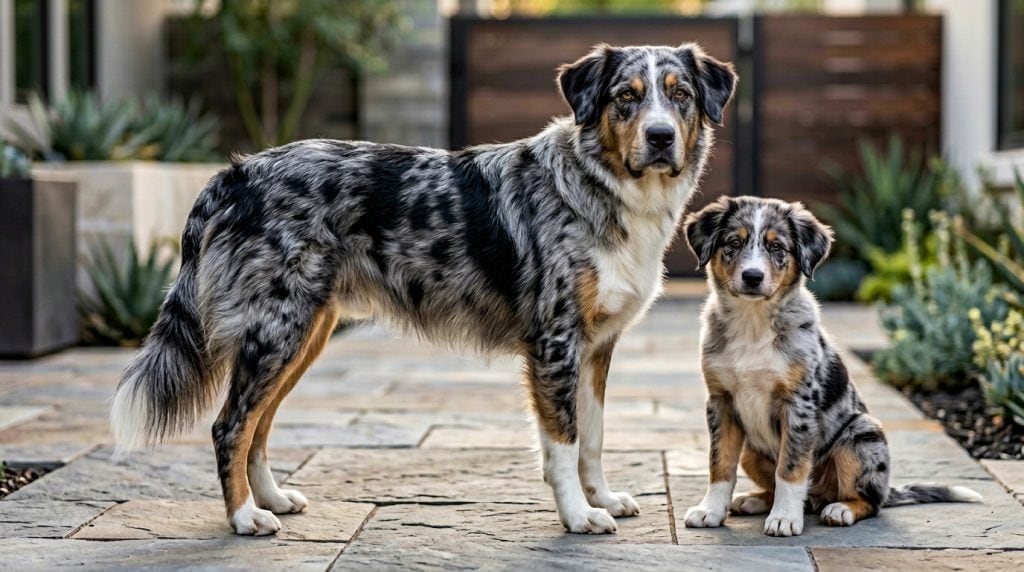
Living with an Aussiedor often feels like sharing your space with a lively and engaged companion. They tend to be deeply involved in family activities, showing a keen interest in everything from daily walks to quiet evenings at home. Their blend of intelligence and energy means they're frequently ready for the next adventure, making them a dynamic presence in any household.
At a glance
Core care
- Size: Large
- Energy: High
- Grooming: Low
- Shedding: Moderate
Support style
- Sensitivity: Moderate
- Training style: Willing
Breed guide
Choose a section to explore. These notes describe common patterns, but individual dogs vary widely.
The Aussiedor is a fascinating blend of the Australian Shepherd and the Labrador Retriever, two breeds known for their working backgrounds. This mixed heritage means the Aussiedor often inherits a strong work ethic and a desire to be actively involved in family life. These dogs are typically eager to participate in various activities, whether it’s a long hike or a simple game of fetch in the backyard. Their history as working dogs contributes to their high energy levels and need for regular physical and mental stimulation.
Physically, Aussiedors are large dogs with a robust build, often reflecting the athleticism of both parent breeds. Their coat can vary, sometimes leaning towards the Labrador’s shorter, water-resistant coat or the Australian Shepherd’s longer, more textured fur. This variation means grooming needs can differ, but generally, owners can expect moderate shedding and regular brushing to keep their coat healthy. Their size and strength mean they need space to move, making them well-suited to homes with ample room for play.
Temperamentally, Aussiedors are known for their friendly and outgoing nature. They often form strong bonds with their families and enjoy being part of the action. Their moderate sensitivity means they can be attuned to their owner’s emotions, providing companionship and support. However, they also have a playful and sometimes mischievous streak, which can be charming but requires consistent training and boundaries.
As with any breed, individual Aussiedors can vary widely in temperament and behaviour. While many are energetic and outgoing, others may be more reserved or independent. It’s important for potential owners to spend time with a variety of Aussiedors to understand the range of personalities within the breed. Early socialisation and training can help shape a well-rounded dog, but each Aussiedor will bring its own unique traits to a home.
Aussiedors are often described as social butterflies, thriving in environments where they can interact with people and other animals. Their social nature is a reflection of their mixed heritage, with both parent breeds known for their friendly and approachable demeanour. In everyday life, this means an Aussiedor is likely to greet visitors with enthusiasm and enjoy being part of family gatherings.
Their willingness to engage makes them relatively easy to train, as they are usually eager to please their owners. This trainability is often complemented by their intelligence, allowing them to pick up new commands and tricks quickly. However, their moderate sensitivity means they respond best to positive reinforcement and gentle guidance rather than harsh corrections.
Owners often notice that Aussiedors can be quite attuned to their surroundings, picking up on the mood and energy of their household. This sensitivity can make them excellent companions, as they often seem to understand when someone needs comfort or a bit of cheer. However, it also means they can become anxious if left alone for long periods, so they thrive in homes where someone is around during the day.
While many Aussiedors are outgoing and playful, there can be variations in temperament. Some may be more reserved or independent, especially if they inherit more traits from the Australian Shepherd side. It’s important to recognise that each dog is an individual, and while breed tendencies provide a general guide, personal experiences and upbringing will shape each Aussiedor’s unique personality.
A typical day with an Aussiedor often involves plenty of physical activity, reflecting their high energy levels. These dogs generally enjoy a mix of long walks, runs, and play sessions that allow them to burn off energy and stay fit. Owners frequently find that incorporating variety into their exercise routine helps keep their Aussiedor engaged and satisfied.
In addition to physical exercise, mental enrichment is crucial for this intelligent breed. Puzzle toys, training exercises, and interactive games can help keep their minds sharp and prevent boredom. Many Aussiedors enjoy activities that challenge them mentally, such as agility courses or scent work, which can be a fun way to bond with your dog while providing necessary stimulation.
It’s important to adjust exercise routines as Aussiedors age. While younger dogs may revel in hours of activity, older Aussiedors might prefer shorter, more frequent outings that are less strenuous on their joints. Owners should be mindful of their dog’s energy levels and adjust accordingly to ensure they remain healthy and happy throughout their life stages.
Avoiding excessive exercise in very young puppies is also important to prevent joint issues later in life. Gradually increasing the intensity and duration of activities as they grow helps build a strong foundation for a healthy adult dog. Overall, a balance of physical and mental activities tailored to the Aussiedor’s age and health will help maintain their wellbeing and enhance their quality of life.
Training an Aussiedor often feels like working with a willing and enthusiastic student. Their eagerness to please and intelligence make them responsive to training efforts, especially when positive reinforcement techniques are used. Owners often find that consistency and patience are key to successful training, as these dogs thrive on clear communication and rewarding interactions.
Impulse control can be an area where Aussiedors require extra guidance, particularly during their adolescent phase. Their energetic nature means they may become easily excited, so teaching them to focus and respond to commands even in stimulating environments is important. Using training sessions as an opportunity to channel their energy into learning can be both productive and enjoyable.
Adolescence can present challenges, as this is a time when Aussiedors may test boundaries and exhibit more independent behaviour. Maintaining a strong relationship built on trust and respect is crucial during this stage. Regular training sessions and continued socialisation can help reinforce good habits and ensure they mature into well-behaved adults.
Overall, training an Aussiedor can be a rewarding experience for both dog and owner. Their natural willingness to learn and engage means they often excel in obedience and other structured activities. By fostering a positive training environment and maintaining consistency, owners can help their Aussiedor develop into a well-rounded and confident companion.
Aussiedors tend to thrive in homes where they have plenty of space to move and play. Their high energy levels mean they are often best suited to environments where they can enjoy regular outdoor activities, such as a house with a garden or easy access to parks. However, they can adapt to smaller living spaces if their exercise needs are met consistently.
Owners often find that Aussiedors integrate well into family life, enjoying the company of children and other pets. Their friendly and social nature means they are generally good with kids, although supervision is always recommended to ensure safe interactions. Early socialisation can help them develop positive relationships with other animals in the household.
While Aussiedors can adapt to various living situations, they do best in homes where they are not left alone for extended periods. Their social nature means they appreciate having company, whether it’s human or canine. For those who work long hours, arranging for dog walkers or pet sitters can help meet their need for companionship and activity.
Ultimately, the Aussiedor’s suitability for a home depends on the owner’s lifestyle and ability to meet their needs. While they are adaptable, they require a commitment to regular exercise and mental stimulation. Prospective owners should consider whether they can provide the time and energy needed to keep an Aussiedor happy and healthy.
Health is a key component of an Aussiedor’s overall wellbeing, influencing their behaviour and quality of life. As a mixed breed, they can inherit health issues common to both Australian Shepherds and Labradors, such as hip dysplasia and eye conditions. Regular veterinary check-ups are important for early detection and management of potential health concerns.
Preventive care plays a crucial role in maintaining an Aussiedor’s health. This includes routine vaccinations, parasite control, and a balanced diet to support their active lifestyle. Keeping an eye on their weight is particularly important, as Labradors are prone to obesity, which can exacerbate joint issues.
Owners often notice that a healthy Aussiedor is more energetic and engaged, while health issues can lead to changes in behaviour, such as decreased activity levels or irritability. Understanding these connections can help owners identify when something might be amiss and seek veterinary advice promptly.
Overall, being proactive about health care and maintaining a close relationship with a trusted veterinarian can help ensure that an Aussiedor enjoys a long, healthy life. By staying informed about breed-specific health concerns and taking preventive measures, owners can contribute to their dog’s wellbeing and happiness.
The Aussiedor is a relatively recent hybrid, combining the traits of the Australian Shepherd and the Labrador Retriever. Each parent breed has a rich history that contributes to the Aussiedor’s characteristics. The Australian Shepherd, despite its name, was developed in the United States as a herding dog, valued for its intelligence and agility. The Labrador Retriever, originating from Newfoundland, was bred as a working gundog, known for its friendly nature and retrieving skills.
The combination of these two breeds results in a dog that embodies the best of both worlds. The Aussiedor often inherits the Australian Shepherd’s herding instincts and the Labrador’s retrieving drive, making them versatile companions for active families. Their history as working dogs means they are typically eager to have a job to do, whether it’s participating in dog sports or simply being involved in family activities.
As a mixed breed, the Aussiedor does not have a long-established history like its parent breeds, but its growing popularity reflects the appeal of its balanced traits. Owners appreciate the Aussiedor’s blend of intelligence, energy, and sociability, which makes them well-suited to a variety of roles, from family pet to service dog.
Understanding the Aussiedor’s origins helps explain many of their modern traits, such as their high energy levels and need for mental stimulation. By recognising the influence of their parent breeds, owners can better appreciate the unique qualities that make the Aussiedor a beloved companion.
What shapes individual dogs
- Early social experiences
- Training approach
- Environment & routine
- Genetics & breeding
- Health & pain
- Age / life stage
The Aussiedor is a fascinating blend of the Australian Shepherd and the Labrador Retriever, two breeds known for their working backgrounds. This mixed heritage means the Aussiedor often inherits a strong work ethic and a desire to be actively involved in family life. These dogs are typically eager to participate in various activities, whether it’s a long hike or a simple game of fetch in the backyard. Their history as working dogs contributes to their high energy levels and need for regular physical and mental stimulation.
Physically, Aussiedors are large dogs with a robust build, often reflecting the athleticism of both parent breeds. Their coat can vary, sometimes leaning towards the Labrador’s shorter, water-resistant coat or the Australian Shepherd’s longer, more textured fur. This variation means grooming needs can differ, but generally, owners can expect moderate shedding and regular brushing to keep their coat healthy. Their size and strength mean they need space to move, making them well-suited to homes with ample room for play.
Temperamentally, Aussiedors are known for their friendly and outgoing nature. They often form strong bonds with their families and enjoy being part of the action. Their moderate sensitivity means they can be attuned to their owner’s emotions, providing companionship and support. However, they also have a playful and sometimes mischievous streak, which can be charming but requires consistent training and boundaries.
As with any breed, individual Aussiedors can vary widely in temperament and behaviour. While many are energetic and outgoing, others may be more reserved or independent. It’s important for potential owners to spend time with a variety of Aussiedors to understand the range of personalities within the breed. Early socialisation and training can help shape a well-rounded dog, but each Aussiedor will bring its own unique traits to a home.
Aussiedors are often described as social butterflies, thriving in environments where they can interact with people and other animals. Their social nature is a reflection of their mixed heritage, with both parent breeds known for their friendly and approachable demeanour. In everyday life, this means an Aussiedor is likely to greet visitors with enthusiasm and enjoy being part of family gatherings.
Their willingness to engage makes them relatively easy to train, as they are usually eager to please their owners. This trainability is often complemented by their intelligence, allowing them to pick up new commands and tricks quickly. However, their moderate sensitivity means they respond best to positive reinforcement and gentle guidance rather than harsh corrections.
Owners often notice that Aussiedors can be quite attuned to their surroundings, picking up on the mood and energy of their household. This sensitivity can make them excellent companions, as they often seem to understand when someone needs comfort or a bit of cheer. However, it also means they can become anxious if left alone for long periods, so they thrive in homes where someone is around during the day.
While many Aussiedors are outgoing and playful, there can be variations in temperament. Some may be more reserved or independent, especially if they inherit more traits from the Australian Shepherd side. It’s important to recognise that each dog is an individual, and while breed tendencies provide a general guide, personal experiences and upbringing will shape each Aussiedor’s unique personality.
A typical day with an Aussiedor often involves plenty of physical activity, reflecting their high energy levels. These dogs generally enjoy a mix of long walks, runs, and play sessions that allow them to burn off energy and stay fit. Owners frequently find that incorporating variety into their exercise routine helps keep their Aussiedor engaged and satisfied.
In addition to physical exercise, mental enrichment is crucial for this intelligent breed. Puzzle toys, training exercises, and interactive games can help keep their minds sharp and prevent boredom. Many Aussiedors enjoy activities that challenge them mentally, such as agility courses or scent work, which can be a fun way to bond with your dog while providing necessary stimulation.
It’s important to adjust exercise routines as Aussiedors age. While younger dogs may revel in hours of activity, older Aussiedors might prefer shorter, more frequent outings that are less strenuous on their joints. Owners should be mindful of their dog’s energy levels and adjust accordingly to ensure they remain healthy and happy throughout their life stages.
Avoiding excessive exercise in very young puppies is also important to prevent joint issues later in life. Gradually increasing the intensity and duration of activities as they grow helps build a strong foundation for a healthy adult dog. Overall, a balance of physical and mental activities tailored to the Aussiedor’s age and health will help maintain their wellbeing and enhance their quality of life.
Training an Aussiedor often feels like working with a willing and enthusiastic student. Their eagerness to please and intelligence make them responsive to training efforts, especially when positive reinforcement techniques are used. Owners often find that consistency and patience are key to successful training, as these dogs thrive on clear communication and rewarding interactions.
Impulse control can be an area where Aussiedors require extra guidance, particularly during their adolescent phase. Their energetic nature means they may become easily excited, so teaching them to focus and respond to commands even in stimulating environments is important. Using training sessions as an opportunity to channel their energy into learning can be both productive and enjoyable.
Adolescence can present challenges, as this is a time when Aussiedors may test boundaries and exhibit more independent behaviour. Maintaining a strong relationship built on trust and respect is crucial during this stage. Regular training sessions and continued socialisation can help reinforce good habits and ensure they mature into well-behaved adults.
Overall, training an Aussiedor can be a rewarding experience for both dog and owner. Their natural willingness to learn and engage means they often excel in obedience and other structured activities. By fostering a positive training environment and maintaining consistency, owners can help their Aussiedor develop into a well-rounded and confident companion.
Aussiedors tend to thrive in homes where they have plenty of space to move and play. Their high energy levels mean they are often best suited to environments where they can enjoy regular outdoor activities, such as a house with a garden or easy access to parks. However, they can adapt to smaller living spaces if their exercise needs are met consistently.
Owners often find that Aussiedors integrate well into family life, enjoying the company of children and other pets. Their friendly and social nature means they are generally good with kids, although supervision is always recommended to ensure safe interactions. Early socialisation can help them develop positive relationships with other animals in the household.
While Aussiedors can adapt to various living situations, they do best in homes where they are not left alone for extended periods. Their social nature means they appreciate having company, whether it’s human or canine. For those who work long hours, arranging for dog walkers or pet sitters can help meet their need for companionship and activity.
Ultimately, the Aussiedor’s suitability for a home depends on the owner’s lifestyle and ability to meet their needs. While they are adaptable, they require a commitment to regular exercise and mental stimulation. Prospective owners should consider whether they can provide the time and energy needed to keep an Aussiedor happy and healthy.
Health is a key component of an Aussiedor’s overall wellbeing, influencing their behaviour and quality of life. As a mixed breed, they can inherit health issues common to both Australian Shepherds and Labradors, such as hip dysplasia and eye conditions. Regular veterinary check-ups are important for early detection and management of potential health concerns.
Preventive care plays a crucial role in maintaining an Aussiedor’s health. This includes routine vaccinations, parasite control, and a balanced diet to support their active lifestyle. Keeping an eye on their weight is particularly important, as Labradors are prone to obesity, which can exacerbate joint issues.
Owners often notice that a healthy Aussiedor is more energetic and engaged, while health issues can lead to changes in behaviour, such as decreased activity levels or irritability. Understanding these connections can help owners identify when something might be amiss and seek veterinary advice promptly.
Overall, being proactive about health care and maintaining a close relationship with a trusted veterinarian can help ensure that an Aussiedor enjoys a long, healthy life. By staying informed about breed-specific health concerns and taking preventive measures, owners can contribute to their dog’s wellbeing and happiness.
The Aussiedor is a relatively recent hybrid, combining the traits of the Australian Shepherd and the Labrador Retriever. Each parent breed has a rich history that contributes to the Aussiedor’s characteristics. The Australian Shepherd, despite its name, was developed in the United States as a herding dog, valued for its intelligence and agility. The Labrador Retriever, originating from Newfoundland, was bred as a working gundog, known for its friendly nature and retrieving skills.
The combination of these two breeds results in a dog that embodies the best of both worlds. The Aussiedor often inherits the Australian Shepherd’s herding instincts and the Labrador’s retrieving drive, making them versatile companions for active families. Their history as working dogs means they are typically eager to have a job to do, whether it’s participating in dog sports or simply being involved in family activities.
As a mixed breed, the Aussiedor does not have a long-established history like its parent breeds, but its growing popularity reflects the appeal of its balanced traits. Owners appreciate the Aussiedor’s blend of intelligence, energy, and sociability, which makes them well-suited to a variety of roles, from family pet to service dog.
Understanding the Aussiedor’s origins helps explain many of their modern traits, such as their high energy levels and need for mental stimulation. By recognising the influence of their parent breeds, owners can better appreciate the unique qualities that make the Aussiedor a beloved companion.
What shapes individual dogs
- Early social experiences
- Training approach
- Environment & routine
- Genetics & breeding
- Health & pain
- Age / life stage
Want support with this?
This course is ideal for Aussiedor owners who want to deepen their understanding of their dog's behaviour and social needs.