
Goldador
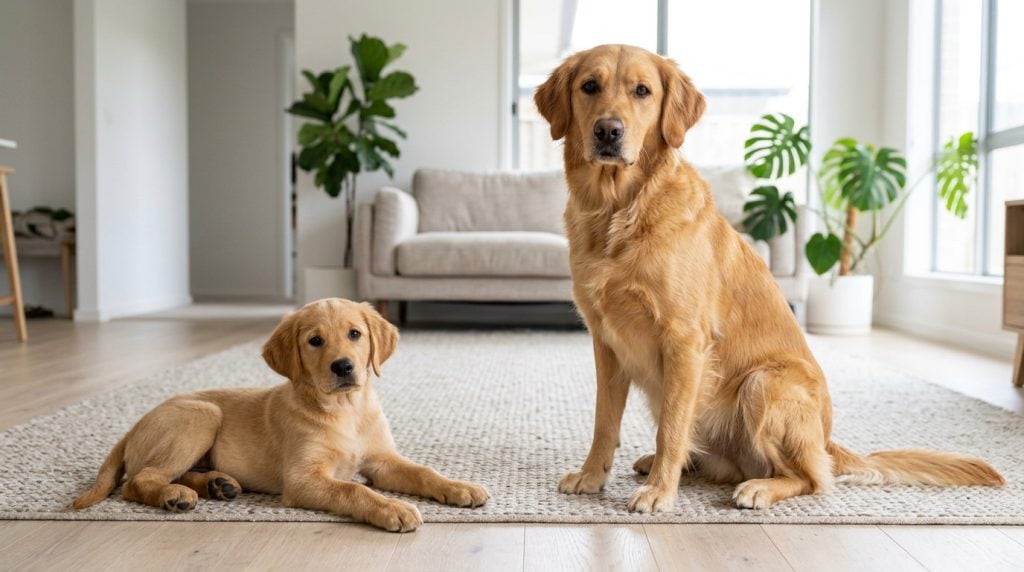
Living with a Goldador often means sharing your space with a dog that thrives on companionship and activity. They tend to have a friendly, eager-to-please nature that makes them a joy to be around. Many owners find that their Goldador is happiest when involved in family activities, whether that's a walk in the park or a quiet evening at home.
At a glance
Core care
- Size: Medium
- Energy: Moderate to high
- Grooming: Low
- Shedding: Moderate
Support style
- Sensitivity: High
- Training style: Willing
Breed guide
Choose a section to explore. These notes describe common patterns, but individual dogs vary widely.
The Goldador, a mix between the Golden Retriever and the Labrador Retriever, carries the working heritage of both parent breeds. Originally bred for their retrieving skills, these dogs have a history rooted in cooperation and service, which translates into their modern-day roles as family companions and assistance dogs. Their background in working alongside humans often manifests in their strong desire to be involved in daily activities and their reliable nature.
Physically, Goldadors are medium-sized dogs with a sturdy build, often reflecting the athleticism of their Labrador lineage and the graceful poise of the Golden Retriever. Their coats are typically dense and water-resistant, making them well-suited for various weather conditions. While their appearance can vary, many Goldadors possess a friendly expression that mirrors their approachable temperament, making them endearing to those they meet.
Temperamentally, Goldadors are known for their social and gentle nature. They often form strong bonds with their families and are typically good with children, which can make them a popular choice for households looking for a loyal and affectionate pet. However, their high sensitivity means they can be quite attuned to their owner’s emotions, sometimes requiring reassurance in new or stressful situations. This sensitivity, coupled with their trainability, makes them responsive to positive reinforcement training methods.
As with any breed, individual Goldadors will vary in their behaviours and needs. While many will exhibit the friendly and cooperative traits common to the breed, others may show unique quirks or preferences. It’s important for potential owners to consider these variations and be prepared to meet the specific needs of their individual dog, ensuring a harmonious and fulfilling relationship.
Goldadors are often noted for their warm and social nature, making them a popular choice for families and individuals alike. They tend to thrive in environments where they can be part of the action, often seeking out companionship and interaction with their human family members. This social motivation is deeply rooted in their history as working dogs, where cooperation with humans was essential.
Owners frequently observe that Goldadors are eager to please, which makes them relatively easy to train. Their high sensitivity means they respond well to gentle guidance and positive reinforcement, often picking up commands quickly when they understand what is expected of them. This willingness to learn and adapt can be a joy for those looking to engage in training activities or dog sports.
The breed’s sensitivity can also mean that they are quite attuned to the moods and emotions of those around them. This can be both a blessing and a challenge, as they may become anxious if they sense tension or stress in their environment. Owners often find that providing a calm and consistent atmosphere helps their Goldador feel secure and content.
While many Goldadors are naturally friendly and outgoing, there can be variations in temperament within the breed. Some may be more reserved or independent, while others may be exceptionally sociable. Understanding these tendencies and being prepared to accommodate their individual personality is key to fostering a positive relationship with a Goldador.
A typical day for a Goldador often involves a mix of physical activity and mental stimulation. Their moderate to high energy levels mean they benefit from regular walks, play sessions, and opportunities to explore their environment. Many owners find that a couple of brisk walks and some playtime in the garden or park help keep their Goldador content and well-exercised.
In addition to physical exercise, Goldadors thrive on mental enrichment. Puzzle toys, training games, and interactive play can all contribute to keeping their minds engaged. These activities not only provide stimulation but also help to strengthen the bond between dog and owner. It’s important to vary these activities to prevent boredom and to cater to the dog’s natural curiosity and intelligence.
As Goldadors age, their exercise needs may change. While younger dogs might require more vigorous activity, older Goldadors may prefer gentler walks and less intense play. Paying attention to their energy levels and adjusting their routine accordingly can help maintain their health and happiness throughout their lives.
Owners should be mindful not to over-exercise their Goldador, especially during hot weather, as their dense coats can make them prone to overheating. Regular breaks and access to fresh water are essential to ensure they remain comfortable and safe during physical activities.
Training a Goldador often feels like working with a willing and eager partner. Their natural inclination to please makes them responsive to positive reinforcement techniques, where rewards and praise are used to encourage desired behaviours. Many owners find that their Goldador picks up new commands quickly, especially when training sessions are kept fun and engaging.
Consistency is key when training a Goldador. They tend to respond best to clear and consistent cues, which help them understand what is expected. Establishing a routine and sticking to it can aid in developing good habits and impulse control. This approach not only helps in training but also provides the dog with a sense of security and predictability.
During adolescence, some Goldadors may exhibit typical teenage behaviours, such as testing boundaries or being easily distracted. Patience and a continued focus on positive reinforcement can help guide them through this phase. Owners often find that maintaining a calm and supportive environment encourages their Goldador to stay focused and cooperative.
Building a strong relationship based on trust and mutual respect is crucial for successful training. Goldadors are sensitive dogs that thrive on encouragement and understanding. By fostering a positive and nurturing training atmosphere, owners can help their Goldador develop into a well-mannered and confident companion.
Goldadors tend to fit well into a variety of home environments, provided they receive enough attention and exercise. They often thrive in homes where they can be part of the family activities, enjoying both indoor and outdoor spaces. While they can adapt to apartment living, access to a garden or nearby park can be beneficial for their physical and mental wellbeing.
Owners often find that Goldadors are good with children, displaying a patient and gentle nature. Their sociable temperament means they usually enjoy the company of other pets as well, although introductions should be managed carefully to ensure harmony. Their friendly disposition can make them a welcome addition to many households.
While Goldadors are adaptable, they do best in homes where they are not left alone for extended periods. Their social nature means they can become anxious if isolated from their family for too long. Providing companionship, whether from people or other pets, helps them feel secure and content.
Realistically, potential owners should consider their own lifestyle and whether they can meet the breed’s needs for companionship, exercise, and mental stimulation. Understanding these requirements and being prepared to integrate a Goldador into their daily routine can lead to a rewarding and harmonious relationship.
The overall health of a Goldador is closely linked to their daily wellbeing and quality of life. Regular veterinary check-ups, a balanced diet, and appropriate exercise are key components in maintaining their health. While Goldadors are generally healthy, they can be prone to certain health issues common to their parent breeds, such as hip dysplasia and eye conditions.
Owners often find that staying informed about potential health concerns allows them to take proactive measures. Monitoring their dog’s weight, providing joint supplements if recommended by a vet, and ensuring regular eye checks can help manage these risks. Preventive care, including vaccinations and parasite control, is essential in keeping a Goldador healthy.
Behaviour can sometimes be an indicator of health issues. Changes in energy levels, appetite, or behaviour may warrant a visit to the vet. Owners should be observant and responsive to any unusual signs, as early detection and treatment can prevent more serious health problems.
A practical approach to health care, combined with a nurturing home environment, supports the overall wellbeing of a Goldador. By staying attentive to their dog’s health needs and seeking veterinary advice when necessary, owners can help their Goldador lead a healthy and fulfilling life.
The Goldador’s origins are a blend of two well-loved breeds: the Golden Retriever and the Labrador Retriever. Both parent breeds have a rich history as working dogs, primarily developed for retrieving game during hunting. This background has endowed the Goldador with a strong work ethic and a cooperative nature, traits that are still evident in their modern-day roles.
Golden Retrievers were originally bred in Scotland in the 19th century, prized for their ability to retrieve game from both water and land. Their intelligence and gentle temperament made them ideal companions for hunters. Similarly, Labrador Retrievers were developed in Newfoundland, Canada, where they excelled in retrieving fish and game for fishermen and hunters alike.
The intentional crossing of these two breeds aimed to combine their best qualities, resulting in a dog that is not only a skilled worker but also a devoted family companion. The Goldador inherits the intelligence, loyalty, and eagerness to please from both sides, making them versatile dogs suited to various roles, including service and therapy work.
Understanding the Goldador’s history helps explain their modern traits, such as their social nature and trainability. These dogs are often happiest when they have a job to do or when they can be actively involved in family life, reflecting their heritage as cooperative and hardworking companions.
What shapes individual dogs
- Early social experiences
- Training approach
- Environment & routine
- Genetics & breeding
- Health & pain
- Age / life stage
The Goldador, a mix between the Golden Retriever and the Labrador Retriever, carries the working heritage of both parent breeds. Originally bred for their retrieving skills, these dogs have a history rooted in cooperation and service, which translates into their modern-day roles as family companions and assistance dogs. Their background in working alongside humans often manifests in their strong desire to be involved in daily activities and their reliable nature.
Physically, Goldadors are medium-sized dogs with a sturdy build, often reflecting the athleticism of their Labrador lineage and the graceful poise of the Golden Retriever. Their coats are typically dense and water-resistant, making them well-suited for various weather conditions. While their appearance can vary, many Goldadors possess a friendly expression that mirrors their approachable temperament, making them endearing to those they meet.
Temperamentally, Goldadors are known for their social and gentle nature. They often form strong bonds with their families and are typically good with children, which can make them a popular choice for households looking for a loyal and affectionate pet. However, their high sensitivity means they can be quite attuned to their owner’s emotions, sometimes requiring reassurance in new or stressful situations. This sensitivity, coupled with their trainability, makes them responsive to positive reinforcement training methods.
As with any breed, individual Goldadors will vary in their behaviours and needs. While many will exhibit the friendly and cooperative traits common to the breed, others may show unique quirks or preferences. It’s important for potential owners to consider these variations and be prepared to meet the specific needs of their individual dog, ensuring a harmonious and fulfilling relationship.
Goldadors are often noted for their warm and social nature, making them a popular choice for families and individuals alike. They tend to thrive in environments where they can be part of the action, often seeking out companionship and interaction with their human family members. This social motivation is deeply rooted in their history as working dogs, where cooperation with humans was essential.
Owners frequently observe that Goldadors are eager to please, which makes them relatively easy to train. Their high sensitivity means they respond well to gentle guidance and positive reinforcement, often picking up commands quickly when they understand what is expected of them. This willingness to learn and adapt can be a joy for those looking to engage in training activities or dog sports.
The breed’s sensitivity can also mean that they are quite attuned to the moods and emotions of those around them. This can be both a blessing and a challenge, as they may become anxious if they sense tension or stress in their environment. Owners often find that providing a calm and consistent atmosphere helps their Goldador feel secure and content.
While many Goldadors are naturally friendly and outgoing, there can be variations in temperament within the breed. Some may be more reserved or independent, while others may be exceptionally sociable. Understanding these tendencies and being prepared to accommodate their individual personality is key to fostering a positive relationship with a Goldador.
A typical day for a Goldador often involves a mix of physical activity and mental stimulation. Their moderate to high energy levels mean they benefit from regular walks, play sessions, and opportunities to explore their environment. Many owners find that a couple of brisk walks and some playtime in the garden or park help keep their Goldador content and well-exercised.
In addition to physical exercise, Goldadors thrive on mental enrichment. Puzzle toys, training games, and interactive play can all contribute to keeping their minds engaged. These activities not only provide stimulation but also help to strengthen the bond between dog and owner. It’s important to vary these activities to prevent boredom and to cater to the dog’s natural curiosity and intelligence.
As Goldadors age, their exercise needs may change. While younger dogs might require more vigorous activity, older Goldadors may prefer gentler walks and less intense play. Paying attention to their energy levels and adjusting their routine accordingly can help maintain their health and happiness throughout their lives.
Owners should be mindful not to over-exercise their Goldador, especially during hot weather, as their dense coats can make them prone to overheating. Regular breaks and access to fresh water are essential to ensure they remain comfortable and safe during physical activities.
Training a Goldador often feels like working with a willing and eager partner. Their natural inclination to please makes them responsive to positive reinforcement techniques, where rewards and praise are used to encourage desired behaviours. Many owners find that their Goldador picks up new commands quickly, especially when training sessions are kept fun and engaging.
Consistency is key when training a Goldador. They tend to respond best to clear and consistent cues, which help them understand what is expected. Establishing a routine and sticking to it can aid in developing good habits and impulse control. This approach not only helps in training but also provides the dog with a sense of security and predictability.
During adolescence, some Goldadors may exhibit typical teenage behaviours, such as testing boundaries or being easily distracted. Patience and a continued focus on positive reinforcement can help guide them through this phase. Owners often find that maintaining a calm and supportive environment encourages their Goldador to stay focused and cooperative.
Building a strong relationship based on trust and mutual respect is crucial for successful training. Goldadors are sensitive dogs that thrive on encouragement and understanding. By fostering a positive and nurturing training atmosphere, owners can help their Goldador develop into a well-mannered and confident companion.
Goldadors tend to fit well into a variety of home environments, provided they receive enough attention and exercise. They often thrive in homes where they can be part of the family activities, enjoying both indoor and outdoor spaces. While they can adapt to apartment living, access to a garden or nearby park can be beneficial for their physical and mental wellbeing.
Owners often find that Goldadors are good with children, displaying a patient and gentle nature. Their sociable temperament means they usually enjoy the company of other pets as well, although introductions should be managed carefully to ensure harmony. Their friendly disposition can make them a welcome addition to many households.
While Goldadors are adaptable, they do best in homes where they are not left alone for extended periods. Their social nature means they can become anxious if isolated from their family for too long. Providing companionship, whether from people or other pets, helps them feel secure and content.
Realistically, potential owners should consider their own lifestyle and whether they can meet the breed’s needs for companionship, exercise, and mental stimulation. Understanding these requirements and being prepared to integrate a Goldador into their daily routine can lead to a rewarding and harmonious relationship.
The overall health of a Goldador is closely linked to their daily wellbeing and quality of life. Regular veterinary check-ups, a balanced diet, and appropriate exercise are key components in maintaining their health. While Goldadors are generally healthy, they can be prone to certain health issues common to their parent breeds, such as hip dysplasia and eye conditions.
Owners often find that staying informed about potential health concerns allows them to take proactive measures. Monitoring their dog’s weight, providing joint supplements if recommended by a vet, and ensuring regular eye checks can help manage these risks. Preventive care, including vaccinations and parasite control, is essential in keeping a Goldador healthy.
Behaviour can sometimes be an indicator of health issues. Changes in energy levels, appetite, or behaviour may warrant a visit to the vet. Owners should be observant and responsive to any unusual signs, as early detection and treatment can prevent more serious health problems.
A practical approach to health care, combined with a nurturing home environment, supports the overall wellbeing of a Goldador. By staying attentive to their dog’s health needs and seeking veterinary advice when necessary, owners can help their Goldador lead a healthy and fulfilling life.
The Goldador’s origins are a blend of two well-loved breeds: the Golden Retriever and the Labrador Retriever. Both parent breeds have a rich history as working dogs, primarily developed for retrieving game during hunting. This background has endowed the Goldador with a strong work ethic and a cooperative nature, traits that are still evident in their modern-day roles.
Golden Retrievers were originally bred in Scotland in the 19th century, prized for their ability to retrieve game from both water and land. Their intelligence and gentle temperament made them ideal companions for hunters. Similarly, Labrador Retrievers were developed in Newfoundland, Canada, where they excelled in retrieving fish and game for fishermen and hunters alike.
The intentional crossing of these two breeds aimed to combine their best qualities, resulting in a dog that is not only a skilled worker but also a devoted family companion. The Goldador inherits the intelligence, loyalty, and eagerness to please from both sides, making them versatile dogs suited to various roles, including service and therapy work.
Understanding the Goldador’s history helps explain their modern traits, such as their social nature and trainability. These dogs are often happiest when they have a job to do or when they can be actively involved in family life, reflecting their heritage as cooperative and hardworking companions.
What shapes individual dogs
- Early social experiences
- Training approach
- Environment & routine
- Genetics & breeding
- Health & pain
- Age / life stage
Want support with this?
This course can help Goldador owners understand their dog's complex temperament and social motivations.