
Saint Pyrenees
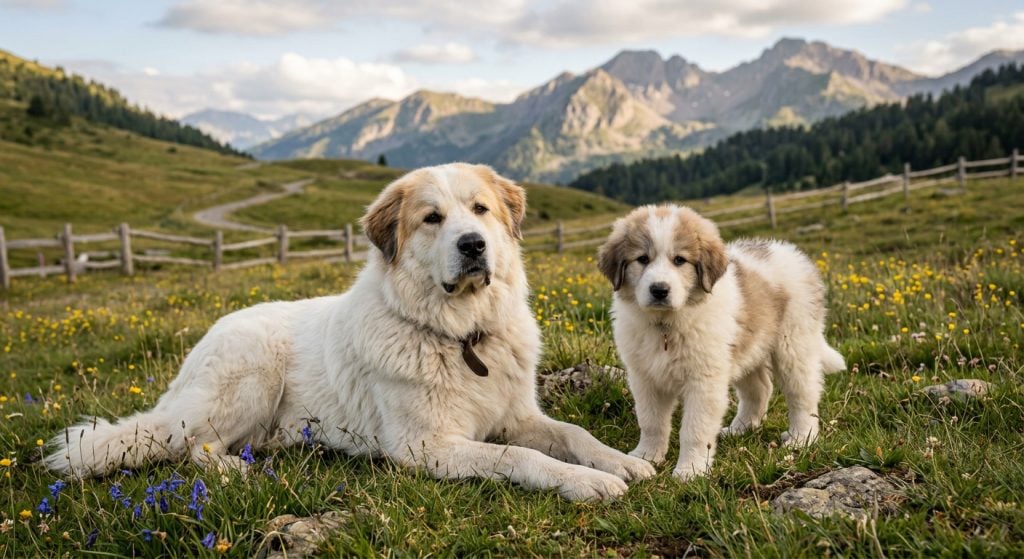
Living with a Saint Pyrenees often feels like sharing your space with a gentle giant. Their calm and composed nature tends to create a peaceful atmosphere in the home. Many owners appreciate their blend of protective instincts and affectionate companionship, which can make them both reassuring and endearing family members.
At a glance
Core care
- Size: Giant
- Energy: Moderate
- Grooming: Low
- Shedding: High
Support style
- Sensitivity: Moderate
- Training style: Moderate
Breed guide
Choose a section to explore. These notes describe common patterns, but individual dogs vary widely.
The Saint Pyrenees is a fascinating blend of two historic working breeds: the Saint Bernard and the Great Pyrenees. Both parent breeds have a rich history of serving as guardians and companions in mountainous regions, which translates today into a dog that is both watchful and loving. This heritage contributes to their natural inclination to be protective of their family while maintaining a gentle demeanor.
Physically, the Saint Pyrenees is a giant breed, often commanding attention with their impressive size and stature. Their thick, weather-resistant coat is a nod to their mountain origins, providing them with protection against harsh climates. In everyday life, this means they are well-suited to cooler environments and may enjoy spending time outdoors, even in colder weather. However, their size also means they need ample space to move around comfortably.
Temperament-wise, the Saint Pyrenees tends to be calm and patient, often displaying a laid-back attitude that many owners find endearing. They are usually good-natured and can be quite affectionate with their family members. However, they may also exhibit a strong independent streak, a trait inherited from their Great Pyrenees lineage. This can mean they might not always be eager to follow commands unless they see a clear reason to do so.
As with any breed, individual Saint Pyrenees dogs can vary widely in their behaviour and preferences. While many will exhibit the gentle, protective traits described, others may have different temperaments depending on their upbringing and environment. It’s important for potential owners to meet the individual dog and consider how their unique personality will fit into their lifestyle.
The Saint Pyrenees often displays a social nature that is both protective and affectionate. Many owners notice that their dog tends to form strong bonds with family members, often choosing to stay close by and keep a watchful eye on the household. This protective instinct is a hallmark of their heritage, making them reliable companions who are attentive to their surroundings.
Their behaviour is often guided by a blend of independence and loyalty. While they can be affectionate, they also have a tendency to think for themselves, which can sometimes be mistaken for stubbornness. This independent streak is not uncommon in breeds with a history of working autonomously, such as the Great Pyrenees. Owners often find that understanding this aspect of their temperament helps in building a cooperative relationship.
Sensitivity in the Saint Pyrenees can vary, but they generally respond well to gentle and consistent handling. They are not typically overly sensitive, but they appreciate a calm and reassuring environment. This moderate sensitivity means they can adapt to various situations, but they thrive in homes where they feel secure and valued as part of the family.
Trainability with the Saint Pyrenees can sometimes require patience and consistency. They are not the most eager to please, but with the right motivation and understanding, they can learn a variety of commands and behaviours. Owners often find success with positive reinforcement techniques that respect the dog’s intelligence and independence, fostering a mutual respect that enhances training outcomes.
A typical day for a Saint Pyrenees involves moderate exercise balanced with plenty of relaxation. Due to their size and moderate energy levels, they don’t require intense physical activity but do benefit from regular walks and playtime. A couple of leisurely strolls around the neighbourhood or some time in a spacious garden can help keep them fit and happy.
Mental enrichment is equally important for this breed. Puzzle toys, scent games, and gentle training sessions can provide the mental stimulation they need. These activities not only engage their minds but also strengthen the bond with their owners. Given their independent nature, they may enjoy activities that allow them to use their problem-solving skills.
As they age, the exercise needs of a Saint Pyrenees may change. Puppies and young adults might be more playful and require more frequent activity, while older dogs may prefer shorter, more relaxed outings. It’s important to adjust their routine to match their life stage, ensuring they remain healthy and content.
Owners should be mindful of avoiding excessive exercise, especially in hot weather, due to their thick coats and large size. It’s crucial to provide plenty of water and shade during outdoor activities. By tailoring their exercise and enrichment to their needs, owners can help ensure their Saint Pyrenees remains a happy and well-adjusted member of the family.
Training a Saint Pyrenees often feels like a journey of mutual understanding. These dogs are known for their intelligence and independence, which means they may not always be eager to follow commands without a clear purpose. Owners often find that patience and consistency are key to successful training with this breed.
Positive reinforcement techniques tend to work well with the Saint Pyrenees. Rewarding desired behaviours with treats, praise, or playtime can motivate them to learn and cooperate. It’s important to keep training sessions engaging and not overly repetitive, as they can lose interest if they feel the tasks lack purpose.
Impulse control can be a challenge during adolescence, as is common with many large breeds. Owners might notice their Saint Pyrenees testing boundaries or becoming more selective in their listening. During this time, maintaining a calm and consistent approach can help guide them through these developmental stages.
Building a strong relationship based on trust and respect is crucial. This breed appreciates when their independence is acknowledged, and they respond well to training approaches that consider their unique personality. By fostering a cooperative and understanding environment, owners can help their Saint Pyrenees develop into a well-behaved and balanced companion.
The Saint Pyrenees tends to thrive in homes that offer plenty of space, both indoors and outdoors. Due to their large size, they are better suited to environments where they can move around freely without feeling cramped. A home with a secure garden or access to open spaces can provide them with the opportunity to stretch their legs and enjoy some fresh air.
Owners often find that this breed fits well into family life, as they are generally good-natured and patient. They can be gentle with children, though supervision is always recommended due to their size. Their protective instincts can also make them attentive guardians, adding a sense of security to the household.
Living with other pets can vary depending on the individual dog’s temperament and socialisation experiences. Some Saint Pyrenees may get along well with other animals, while others might prefer being the sole focus of attention. Early socialisation can help them develop positive relationships with other pets.
Realistically, potential owners should consider the time and resources required to care for a giant breed. Their grooming, exercise, and space needs are significant, and they thrive in homes where they are considered an integral part of the family. By understanding their needs and providing a suitable environment, owners can enjoy a rewarding relationship with their Saint Pyrenees.
Health is a crucial aspect of a Saint Pyrenees’ overall wellbeing, and attentive care can contribute significantly to their quality of life. Regular veterinary check-ups are important to monitor their health and catch any potential issues early. Preventive care, such as vaccinations and parasite control, is essential for maintaining their health.
Some health considerations for this breed include joint issues, such as hip dysplasia, which can be common in large breeds. Owners should be mindful of their dog’s weight and provide a balanced diet to support joint health. Regular, moderate exercise can also help maintain their physical condition without putting undue stress on their joints.
Dental care is another important aspect of their health regimen. Regular brushing and dental check-ups can help prevent dental disease, which is common in many breeds. Providing dental chews or toys can also support oral health.
Behavioural changes can sometimes indicate health issues, so it’s important for owners to be observant and seek veterinary advice if they notice any unusual symptoms or changes in their dog’s behaviour. By staying proactive and informed, owners can help ensure their Saint Pyrenees enjoys a healthy and happy life.
The Saint Pyrenees is a hybrid breed that combines the traits of the Saint Bernard and the Great Pyrenees, two breeds with rich histories as working dogs in mountainous regions. The Saint Bernard originated in the Swiss Alps, where they were used by monks to rescue travellers lost in the snow. Their strong build and keen sense of direction made them invaluable in search and rescue missions.
The Great Pyrenees, on the other hand, hails from the Pyrenees Mountains in France and Spain, where they served as livestock guardians. Their role was to protect sheep from predators, a task that required independence, courage, and a strong protective instinct. These traits are still evident in the modern Saint Pyrenees, contributing to their reputation as reliable and watchful companions.
The combination of these two breeds results in a dog that embodies the best of both worlds: the Saint Bernard’s gentle and friendly nature, paired with the Great Pyrenees’ protective and independent spirit. This blend creates a dog that is both a loving family member and a vigilant guardian, well-suited to a variety of roles in modern life.
Understanding the history of the Saint Pyrenees helps explain many of their behaviours and traits. Their working background contributes to their need for a purpose and their strong bond with their family. By appreciating their origins, owners can better understand and meet the needs of this unique and fascinating breed.
What shapes individual dogs
- Early social experiences
- Training approach
- Environment & routine
- Genetics & breeding
- Health & pain
- Age / life stage
The Saint Pyrenees is a fascinating blend of two historic working breeds: the Saint Bernard and the Great Pyrenees. Both parent breeds have a rich history of serving as guardians and companions in mountainous regions, which translates today into a dog that is both watchful and loving. This heritage contributes to their natural inclination to be protective of their family while maintaining a gentle demeanor.
Physically, the Saint Pyrenees is a giant breed, often commanding attention with their impressive size and stature. Their thick, weather-resistant coat is a nod to their mountain origins, providing them with protection against harsh climates. In everyday life, this means they are well-suited to cooler environments and may enjoy spending time outdoors, even in colder weather. However, their size also means they need ample space to move around comfortably.
Temperament-wise, the Saint Pyrenees tends to be calm and patient, often displaying a laid-back attitude that many owners find endearing. They are usually good-natured and can be quite affectionate with their family members. However, they may also exhibit a strong independent streak, a trait inherited from their Great Pyrenees lineage. This can mean they might not always be eager to follow commands unless they see a clear reason to do so.
As with any breed, individual Saint Pyrenees dogs can vary widely in their behaviour and preferences. While many will exhibit the gentle, protective traits described, others may have different temperaments depending on their upbringing and environment. It’s important for potential owners to meet the individual dog and consider how their unique personality will fit into their lifestyle.
The Saint Pyrenees often displays a social nature that is both protective and affectionate. Many owners notice that their dog tends to form strong bonds with family members, often choosing to stay close by and keep a watchful eye on the household. This protective instinct is a hallmark of their heritage, making them reliable companions who are attentive to their surroundings.
Their behaviour is often guided by a blend of independence and loyalty. While they can be affectionate, they also have a tendency to think for themselves, which can sometimes be mistaken for stubbornness. This independent streak is not uncommon in breeds with a history of working autonomously, such as the Great Pyrenees. Owners often find that understanding this aspect of their temperament helps in building a cooperative relationship.
Sensitivity in the Saint Pyrenees can vary, but they generally respond well to gentle and consistent handling. They are not typically overly sensitive, but they appreciate a calm and reassuring environment. This moderate sensitivity means they can adapt to various situations, but they thrive in homes where they feel secure and valued as part of the family.
Trainability with the Saint Pyrenees can sometimes require patience and consistency. They are not the most eager to please, but with the right motivation and understanding, they can learn a variety of commands and behaviours. Owners often find success with positive reinforcement techniques that respect the dog’s intelligence and independence, fostering a mutual respect that enhances training outcomes.
A typical day for a Saint Pyrenees involves moderate exercise balanced with plenty of relaxation. Due to their size and moderate energy levels, they don’t require intense physical activity but do benefit from regular walks and playtime. A couple of leisurely strolls around the neighbourhood or some time in a spacious garden can help keep them fit and happy.
Mental enrichment is equally important for this breed. Puzzle toys, scent games, and gentle training sessions can provide the mental stimulation they need. These activities not only engage their minds but also strengthen the bond with their owners. Given their independent nature, they may enjoy activities that allow them to use their problem-solving skills.
As they age, the exercise needs of a Saint Pyrenees may change. Puppies and young adults might be more playful and require more frequent activity, while older dogs may prefer shorter, more relaxed outings. It’s important to adjust their routine to match their life stage, ensuring they remain healthy and content.
Owners should be mindful of avoiding excessive exercise, especially in hot weather, due to their thick coats and large size. It’s crucial to provide plenty of water and shade during outdoor activities. By tailoring their exercise and enrichment to their needs, owners can help ensure their Saint Pyrenees remains a happy and well-adjusted member of the family.
Training a Saint Pyrenees often feels like a journey of mutual understanding. These dogs are known for their intelligence and independence, which means they may not always be eager to follow commands without a clear purpose. Owners often find that patience and consistency are key to successful training with this breed.
Positive reinforcement techniques tend to work well with the Saint Pyrenees. Rewarding desired behaviours with treats, praise, or playtime can motivate them to learn and cooperate. It’s important to keep training sessions engaging and not overly repetitive, as they can lose interest if they feel the tasks lack purpose.
Impulse control can be a challenge during adolescence, as is common with many large breeds. Owners might notice their Saint Pyrenees testing boundaries or becoming more selective in their listening. During this time, maintaining a calm and consistent approach can help guide them through these developmental stages.
Building a strong relationship based on trust and respect is crucial. This breed appreciates when their independence is acknowledged, and they respond well to training approaches that consider their unique personality. By fostering a cooperative and understanding environment, owners can help their Saint Pyrenees develop into a well-behaved and balanced companion.
The Saint Pyrenees tends to thrive in homes that offer plenty of space, both indoors and outdoors. Due to their large size, they are better suited to environments where they can move around freely without feeling cramped. A home with a secure garden or access to open spaces can provide them with the opportunity to stretch their legs and enjoy some fresh air.
Owners often find that this breed fits well into family life, as they are generally good-natured and patient. They can be gentle with children, though supervision is always recommended due to their size. Their protective instincts can also make them attentive guardians, adding a sense of security to the household.
Living with other pets can vary depending on the individual dog’s temperament and socialisation experiences. Some Saint Pyrenees may get along well with other animals, while others might prefer being the sole focus of attention. Early socialisation can help them develop positive relationships with other pets.
Realistically, potential owners should consider the time and resources required to care for a giant breed. Their grooming, exercise, and space needs are significant, and they thrive in homes where they are considered an integral part of the family. By understanding their needs and providing a suitable environment, owners can enjoy a rewarding relationship with their Saint Pyrenees.
Health is a crucial aspect of a Saint Pyrenees’ overall wellbeing, and attentive care can contribute significantly to their quality of life. Regular veterinary check-ups are important to monitor their health and catch any potential issues early. Preventive care, such as vaccinations and parasite control, is essential for maintaining their health.
Some health considerations for this breed include joint issues, such as hip dysplasia, which can be common in large breeds. Owners should be mindful of their dog’s weight and provide a balanced diet to support joint health. Regular, moderate exercise can also help maintain their physical condition without putting undue stress on their joints.
Dental care is another important aspect of their health regimen. Regular brushing and dental check-ups can help prevent dental disease, which is common in many breeds. Providing dental chews or toys can also support oral health.
Behavioural changes can sometimes indicate health issues, so it’s important for owners to be observant and seek veterinary advice if they notice any unusual symptoms or changes in their dog’s behaviour. By staying proactive and informed, owners can help ensure their Saint Pyrenees enjoys a healthy and happy life.
The Saint Pyrenees is a hybrid breed that combines the traits of the Saint Bernard and the Great Pyrenees, two breeds with rich histories as working dogs in mountainous regions. The Saint Bernard originated in the Swiss Alps, where they were used by monks to rescue travellers lost in the snow. Their strong build and keen sense of direction made them invaluable in search and rescue missions.
The Great Pyrenees, on the other hand, hails from the Pyrenees Mountains in France and Spain, where they served as livestock guardians. Their role was to protect sheep from predators, a task that required independence, courage, and a strong protective instinct. These traits are still evident in the modern Saint Pyrenees, contributing to their reputation as reliable and watchful companions.
The combination of these two breeds results in a dog that embodies the best of both worlds: the Saint Bernard’s gentle and friendly nature, paired with the Great Pyrenees’ protective and independent spirit. This blend creates a dog that is both a loving family member and a vigilant guardian, well-suited to a variety of roles in modern life.
Understanding the history of the Saint Pyrenees helps explain many of their behaviours and traits. Their working background contributes to their need for a purpose and their strong bond with their family. By appreciating their origins, owners can better understand and meet the needs of this unique and fascinating breed.
What shapes individual dogs
- Early social experiences
- Training approach
- Environment & routine
- Genetics & breeding
- Health & pain
- Age / life stage
Want support with this?
This course is ideal for Saint Pyrenees owners looking to deepen their understanding of their dog's complex temperament and social behaviours.