
Great Pyrenees
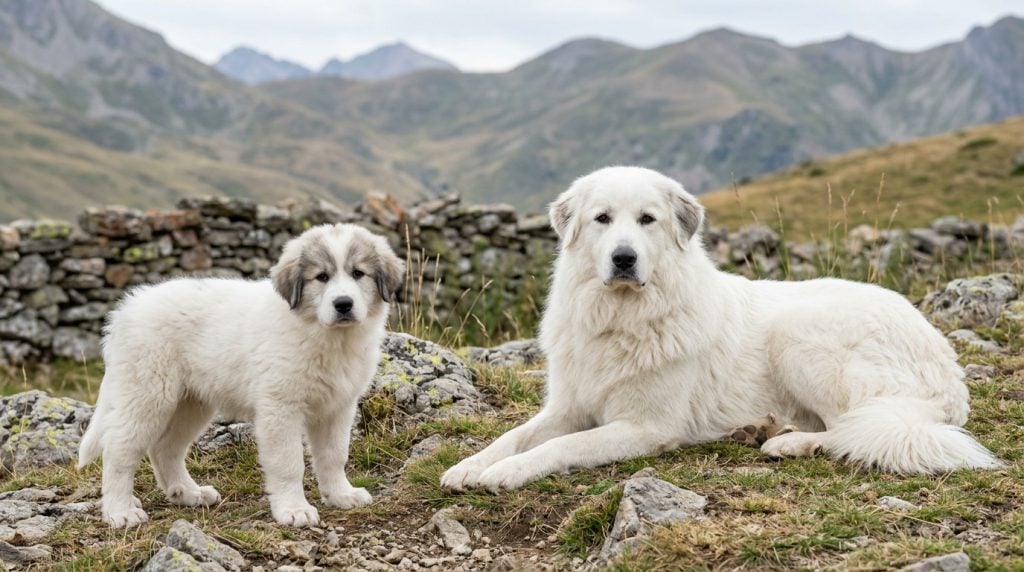
Living with a Great Pyrenees often means sharing your space with a gentle giant who is both independent and deeply loyal. These dogs are known for their calm presence, often observing the world around them with a watchful eye. Their protective nature is balanced by a serene demeanor, making them both guardians and companions in the home.
At a glance
Core care
- Size: Giant
- Energy: Moderate
- Grooming: Low
- Shedding: High
Support style
- Sensitivity: Moderate
- Training style: Independent
Breed guide
Choose a section to explore. These notes describe common patterns, but individual dogs vary widely.
The Great Pyrenees has a rich history as a guardian of livestock in the Pyrenees mountains, a role that has shaped its character today. This breed was developed to protect flocks from predators, which explains its strong protective instincts and independent nature. These traits are still evident in modern Great Pyrenees, who often exhibit a calm but watchful presence in their homes, always ready to alert their families to anything unusual.
Physically, the Great Pyrenees is a giant breed, with a thick, weather-resistant coat that was essential for its historical role in harsh climates. This coat requires regular grooming to manage shedding and keep it in good condition. Owners often notice the impressive size of these dogs, which can be both a comforting and commanding presence in the home. Their size, combined with their gentle nature, makes them unique companions.
Temperamentally, the Great Pyrenees is known for its gentle and patient nature, especially with children and other animals. However, this breed also possesses a strong-willed and independent streak, a reflection of its history as a self-reliant guardian. Owners often observe a dog that is both affectionate and protective, with a tendency to be reserved with strangers until they feel comfortable.
While the breed has consistent traits, individual Great Pyrenees can vary widely in their behaviour and needs. Some may be more social and outgoing, while others might prefer solitude and quiet observation. It’s important for potential owners to understand that while the breed’s history provides a framework, each dog is a unique individual shaped by genetics and life experiences.
Great Pyrenees are often described as gentle giants, known for their calm and composed demeanour. Their social nature is rooted in their history as flock guardians, where they learned to be both protective and nurturing. Many owners notice that their Great Pyrenees is particularly watchful, often positioning themselves in a way that allows them to keep an eye on their surroundings, ensuring everything is as it should be.
This breed tends to be independent, a trait that can sometimes be mistaken for aloofness. However, this independence is a result of their historical role, where they were required to make decisions without human guidance. In a home setting, this can translate to a dog that is quite capable of entertaining itself and doesn’t always seek constant interaction. Owners often find that their Great Pyrenees appreciates companionship but is also content with its own company.
Sensitivity in Great Pyrenees is moderate, meaning they can be responsive to their environment and the emotions of their family members. This sensitivity, combined with their protective instincts, can sometimes lead to a dog that is cautious with strangers or new situations. Socialisation from a young age can help them feel more comfortable and confident in various settings.
Training a Great Pyrenees requires patience and understanding of their independent nature. They are intelligent dogs, but their decision-making skills can sometimes lead them to question commands. Positive reinforcement methods, coupled with consistency, tend to yield the best results. Owners often find that building a strong bond based on trust and respect is key to successful training with this breed.
A typical day for a Great Pyrenees involves moderate exercise, as their energy levels are not as high as some other working breeds. A couple of walks each day, combined with some time in a secure yard, usually suffices to keep them happy and healthy. These dogs enjoy having the opportunity to stretch their legs and explore their environment, but they are not built for intense exercise regimens.
Mental enrichment is equally important for the Great Pyrenees. Puzzle toys, interactive games, and opportunities to engage in natural behaviours like sniffing and exploring can help keep their minds sharp. Owners often find that their Great Pyrenees enjoys activities that stimulate their problem-solving abilities, which can be a fun way to bond with their dog.
As they age, the exercise needs of a Great Pyrenees may change. Puppies and young adults tend to have more energy and may require more frequent short walks or play sessions. As they mature, they often become more laid-back, preferring leisurely strolls and plenty of rest. It’s important for owners to adjust their routines to accommodate these changes and ensure their dog remains comfortable.
While Great Pyrenees are not high-energy dogs, they do require regular activity to prevent boredom and maintain a healthy weight. Owners should avoid over-exercising young dogs, as their growing joints can be sensitive. Instead, focus on a balanced routine that includes both physical and mental stimulation, tailored to the individual dog’s needs and preferences.
Training a Great Pyrenees can often feel like a test of patience and creativity. These dogs are known for their independent thinking, a trait that can make traditional obedience training a bit of a challenge. However, their intelligence and loyalty can be harnessed with the right approach. Many owners find that positive reinforcement, combined with a calm and consistent manner, works best.
Understanding the breed’s natural instincts is key to successful training. Great Pyrenees were bred to work independently, making decisions on their own in the mountains. This means they may not always see the point in following commands that don’t make sense to them. Building a strong relationship based on trust and mutual respect is crucial, as it encourages them to work with you rather than against you.
Impulse control is another area where Great Pyrenees can benefit from training. Their protective nature can sometimes lead them to react quickly to perceived threats. Teaching them to pause and assess situations can help manage this instinct. Owners often find that incorporating impulse control exercises into their training routine can improve their dog’s overall behaviour.
Adolescence can be a particularly challenging time for Great Pyrenees owners, as their dogs may test boundaries and assert their independence more strongly. Consistency and patience are essential during this period. Enrolling in a course like “Puppy Beginnings: Building a Calm Start” can provide valuable support and guidance, helping to lay a solid foundation for a well-behaved adult dog.
The Great Pyrenees tends to thrive in homes where they have space to move and a yard to explore. Their size and protective nature make them well-suited to rural or suburban environments where they can patrol their territory. However, they can adapt to larger city homes if they receive adequate exercise and mental stimulation.
Owners often find that Great Pyrenees are gentle and patient with children, making them a good fit for families. Their protective instincts extend to their human family members, and they often form strong bonds with children. Supervision is always recommended, especially with young children, to ensure safe interactions.
When it comes to other pets, Great Pyrenees can generally coexist peacefully, particularly if they are raised together from a young age. Their history as livestock guardians means they often have a natural affinity for other animals. However, their protective nature may require careful introductions and management to ensure harmony in a multi-pet household.
Realistically, potential owners should be prepared for the responsibilities that come with owning a giant breed. This includes understanding their grooming needs, exercise requirements, and the space they require. While they can adapt to various living situations, a commitment to meeting their needs is essential for a happy and healthy life together.
The health of a Great Pyrenees is closely tied to their overall wellbeing and quality of life. As a giant breed, they are prone to certain health issues that owners should be aware of. Regular veterinary check-ups and preventive care are important to catch any potential problems early and keep them in good health.
Common health considerations for Great Pyrenees include hip dysplasia, which can affect their mobility and comfort. Maintaining a healthy weight through proper diet and exercise can help reduce the risk of joint issues. Owners often find that providing supportive bedding and avoiding excessive jumping can also be beneficial for their joints.
Bloat, or gastric torsion, is another condition that can affect Great Pyrenees. This is a serious issue that requires immediate veterinary attention. Feeding smaller, more frequent meals and avoiding vigorous exercise immediately after eating can help reduce the risk.
In addition to these concerns, regular dental care, ear cleaning, and monitoring for skin issues are important aspects of their health care routine. By staying informed and proactive, owners can help ensure their Great Pyrenees remains healthy and happy throughout their life.
The Great Pyrenees has a storied history as a guardian of livestock in the Pyrenees mountains, straddling the border between France and Spain. This breed was developed to protect sheep from predators such as wolves and bears, working independently in harsh and isolated environments. Their ability to make decisions without human guidance was a key trait that allowed them to excel in this role.
Over time, the Great Pyrenees became highly valued not only for their guarding abilities but also for their majestic appearance. They were often kept by nobility as both working dogs and companions, admired for their loyalty and protective nature. This dual role as both a working dog and a noble companion helped cement their place in history.
The breed’s development was influenced by the need for a dog that could withstand the challenging conditions of the mountains. Their thick, weather-resistant coat and strong, muscular build were essential for their survival and effectiveness as guardians. These physical traits, combined with their calm and watchful temperament, remain hallmarks of the breed today.
Understanding the history of the Great Pyrenees helps explain many of the traits that owners observe in modern dogs. Their protective instincts, independence, and gentle nature are all rooted in their past as loyal guardians. Today, these traits continue to make them beloved companions for those who appreciate their unique blend of strength and serenity.
What shapes individual dogs
- Early social experiences
- Training approach
- Environment & routine
- Genetics & breeding
- Health & pain
- Age / life stage
The Great Pyrenees has a rich history as a guardian of livestock in the Pyrenees mountains, a role that has shaped its character today. This breed was developed to protect flocks from predators, which explains its strong protective instincts and independent nature. These traits are still evident in modern Great Pyrenees, who often exhibit a calm but watchful presence in their homes, always ready to alert their families to anything unusual.
Physically, the Great Pyrenees is a giant breed, with a thick, weather-resistant coat that was essential for its historical role in harsh climates. This coat requires regular grooming to manage shedding and keep it in good condition. Owners often notice the impressive size of these dogs, which can be both a comforting and commanding presence in the home. Their size, combined with their gentle nature, makes them unique companions.
Temperamentally, the Great Pyrenees is known for its gentle and patient nature, especially with children and other animals. However, this breed also possesses a strong-willed and independent streak, a reflection of its history as a self-reliant guardian. Owners often observe a dog that is both affectionate and protective, with a tendency to be reserved with strangers until they feel comfortable.
While the breed has consistent traits, individual Great Pyrenees can vary widely in their behaviour and needs. Some may be more social and outgoing, while others might prefer solitude and quiet observation. It’s important for potential owners to understand that while the breed’s history provides a framework, each dog is a unique individual shaped by genetics and life experiences.
Great Pyrenees are often described as gentle giants, known for their calm and composed demeanour. Their social nature is rooted in their history as flock guardians, where they learned to be both protective and nurturing. Many owners notice that their Great Pyrenees is particularly watchful, often positioning themselves in a way that allows them to keep an eye on their surroundings, ensuring everything is as it should be.
This breed tends to be independent, a trait that can sometimes be mistaken for aloofness. However, this independence is a result of their historical role, where they were required to make decisions without human guidance. In a home setting, this can translate to a dog that is quite capable of entertaining itself and doesn’t always seek constant interaction. Owners often find that their Great Pyrenees appreciates companionship but is also content with its own company.
Sensitivity in Great Pyrenees is moderate, meaning they can be responsive to their environment and the emotions of their family members. This sensitivity, combined with their protective instincts, can sometimes lead to a dog that is cautious with strangers or new situations. Socialisation from a young age can help them feel more comfortable and confident in various settings.
Training a Great Pyrenees requires patience and understanding of their independent nature. They are intelligent dogs, but their decision-making skills can sometimes lead them to question commands. Positive reinforcement methods, coupled with consistency, tend to yield the best results. Owners often find that building a strong bond based on trust and respect is key to successful training with this breed.
A typical day for a Great Pyrenees involves moderate exercise, as their energy levels are not as high as some other working breeds. A couple of walks each day, combined with some time in a secure yard, usually suffices to keep them happy and healthy. These dogs enjoy having the opportunity to stretch their legs and explore their environment, but they are not built for intense exercise regimens.
Mental enrichment is equally important for the Great Pyrenees. Puzzle toys, interactive games, and opportunities to engage in natural behaviours like sniffing and exploring can help keep their minds sharp. Owners often find that their Great Pyrenees enjoys activities that stimulate their problem-solving abilities, which can be a fun way to bond with their dog.
As they age, the exercise needs of a Great Pyrenees may change. Puppies and young adults tend to have more energy and may require more frequent short walks or play sessions. As they mature, they often become more laid-back, preferring leisurely strolls and plenty of rest. It’s important for owners to adjust their routines to accommodate these changes and ensure their dog remains comfortable.
While Great Pyrenees are not high-energy dogs, they do require regular activity to prevent boredom and maintain a healthy weight. Owners should avoid over-exercising young dogs, as their growing joints can be sensitive. Instead, focus on a balanced routine that includes both physical and mental stimulation, tailored to the individual dog’s needs and preferences.
Training a Great Pyrenees can often feel like a test of patience and creativity. These dogs are known for their independent thinking, a trait that can make traditional obedience training a bit of a challenge. However, their intelligence and loyalty can be harnessed with the right approach. Many owners find that positive reinforcement, combined with a calm and consistent manner, works best.
Understanding the breed’s natural instincts is key to successful training. Great Pyrenees were bred to work independently, making decisions on their own in the mountains. This means they may not always see the point in following commands that don’t make sense to them. Building a strong relationship based on trust and mutual respect is crucial, as it encourages them to work with you rather than against you.
Impulse control is another area where Great Pyrenees can benefit from training. Their protective nature can sometimes lead them to react quickly to perceived threats. Teaching them to pause and assess situations can help manage this instinct. Owners often find that incorporating impulse control exercises into their training routine can improve their dog’s overall behaviour.
Adolescence can be a particularly challenging time for Great Pyrenees owners, as their dogs may test boundaries and assert their independence more strongly. Consistency and patience are essential during this period. Enrolling in a course like “Puppy Beginnings: Building a Calm Start” can provide valuable support and guidance, helping to lay a solid foundation for a well-behaved adult dog.
The Great Pyrenees tends to thrive in homes where they have space to move and a yard to explore. Their size and protective nature make them well-suited to rural or suburban environments where they can patrol their territory. However, they can adapt to larger city homes if they receive adequate exercise and mental stimulation.
Owners often find that Great Pyrenees are gentle and patient with children, making them a good fit for families. Their protective instincts extend to their human family members, and they often form strong bonds with children. Supervision is always recommended, especially with young children, to ensure safe interactions.
When it comes to other pets, Great Pyrenees can generally coexist peacefully, particularly if they are raised together from a young age. Their history as livestock guardians means they often have a natural affinity for other animals. However, their protective nature may require careful introductions and management to ensure harmony in a multi-pet household.
Realistically, potential owners should be prepared for the responsibilities that come with owning a giant breed. This includes understanding their grooming needs, exercise requirements, and the space they require. While they can adapt to various living situations, a commitment to meeting their needs is essential for a happy and healthy life together.
The health of a Great Pyrenees is closely tied to their overall wellbeing and quality of life. As a giant breed, they are prone to certain health issues that owners should be aware of. Regular veterinary check-ups and preventive care are important to catch any potential problems early and keep them in good health.
Common health considerations for Great Pyrenees include hip dysplasia, which can affect their mobility and comfort. Maintaining a healthy weight through proper diet and exercise can help reduce the risk of joint issues. Owners often find that providing supportive bedding and avoiding excessive jumping can also be beneficial for their joints.
Bloat, or gastric torsion, is another condition that can affect Great Pyrenees. This is a serious issue that requires immediate veterinary attention. Feeding smaller, more frequent meals and avoiding vigorous exercise immediately after eating can help reduce the risk.
In addition to these concerns, regular dental care, ear cleaning, and monitoring for skin issues are important aspects of their health care routine. By staying informed and proactive, owners can help ensure their Great Pyrenees remains healthy and happy throughout their life.
The Great Pyrenees has a storied history as a guardian of livestock in the Pyrenees mountains, straddling the border between France and Spain. This breed was developed to protect sheep from predators such as wolves and bears, working independently in harsh and isolated environments. Their ability to make decisions without human guidance was a key trait that allowed them to excel in this role.
Over time, the Great Pyrenees became highly valued not only for their guarding abilities but also for their majestic appearance. They were often kept by nobility as both working dogs and companions, admired for their loyalty and protective nature. This dual role as both a working dog and a noble companion helped cement their place in history.
The breed’s development was influenced by the need for a dog that could withstand the challenging conditions of the mountains. Their thick, weather-resistant coat and strong, muscular build were essential for their survival and effectiveness as guardians. These physical traits, combined with their calm and watchful temperament, remain hallmarks of the breed today.
Understanding the history of the Great Pyrenees helps explain many of the traits that owners observe in modern dogs. Their protective instincts, independence, and gentle nature are all rooted in their past as loyal guardians. Today, these traits continue to make them beloved companions for those who appreciate their unique blend of strength and serenity.
What shapes individual dogs
- Early social experiences
- Training approach
- Environment & routine
- Genetics & breeding
- Health & pain
- Age / life stage
Want support with this?
This course is relevant for Great Pyrenees owners to better understand their dog's independent and protective nature.