
Pom Terrier
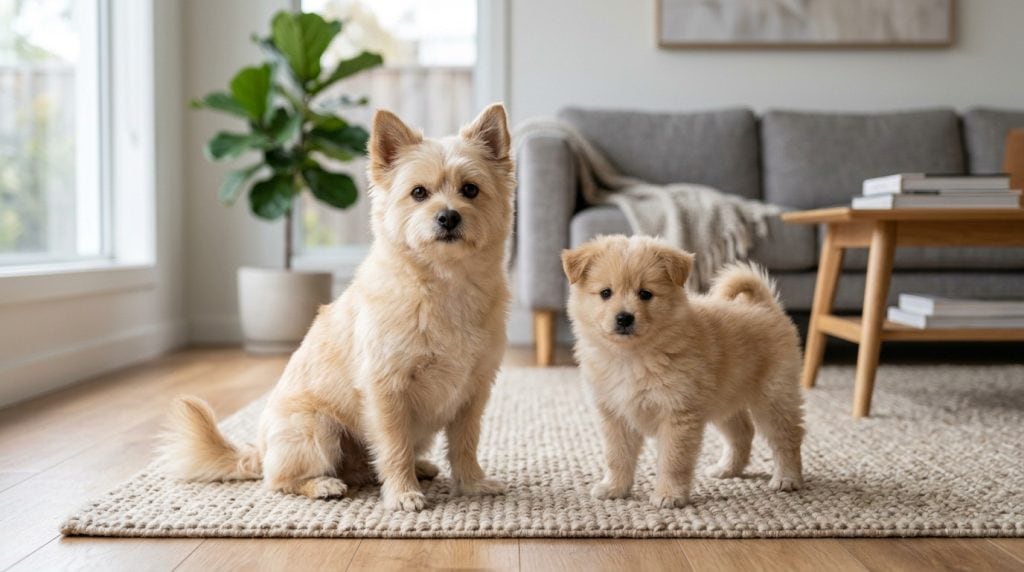
Living with a Pom Terrier often means embracing a lively and spirited companion. These small dogs bring a unique blend of energy and affection, frequently seeking out interaction with their families. Their inquisitive nature and willingness to engage make them a delightful presence in many homes.
At a glance
Core care
- Size: Small
- Energy: Moderate to high
- Grooming: Low
- Shedding: Moderate
Support style
- Sensitivity: Moderate
- Training style: Willing
Breed guide
Choose a section to explore. These notes describe common patterns, but individual dogs vary widely.
The Pom Terrier, a delightful mix of Pomeranian and Terrier breeds, carries a rich history of companionship and spirited work. This mix brings together the Pomeranian’s background as a companion dog with the Terrier’s origins in hunting and vermin control. This blend results in a dog that is both affectionate and alert, often eager to engage with their surroundings and their human companions. Owners frequently notice that their Pom Terrier is quick to respond to changes in their environment, a nod to their Terrier ancestry.
Physically, Pom Terriers are small but sturdy, often displaying the fluffy coat of a Pomeranian combined with the more streamlined body of a Terrier. This combination makes them well-suited to various living environments, from apartments to houses with gardens. Their small size does not deter their adventurous spirit, and many owners find that their Pom Terrier enjoys exploring new spaces, whether it be a local park or a new room in the house. Despite their size, they often carry themselves with a sense of confidence and curiosity.
Temperamentally, Pom Terriers are known for their lively and engaging personalities. They often form strong bonds with their families and enjoy being involved in daily activities. Many owners note their Pom Terrier’s tendency to follow them around the house, always eager to be part of the action. However, like any breed, individual personalities can vary, with some Pom Terriers being more independent or reserved. Their moderate sensitivity means they are generally responsive to their owner’s moods and cues, making them attentive companions.
It’s important for potential owners to understand that while breed traits provide a general guide, each Pom Terrier is unique. Factors such as genetics, early socialisation, and individual experiences all play a role in shaping a dog’s personality and behaviour. Prospective owners should be prepared for a dog that, while generally lively and affectionate, may also have its own quirks and preferences.
Pom Terriers are often described as social butterflies, eager to interact with both their human family and other dogs. This social nature is rooted in their history as companion animals, particularly the Pomeranian’s role as a cherished lapdog. Owners often find that their Pom Terrier is quick to greet visitors and enjoys being the centre of attention during social gatherings. This breed’s willingness to engage makes them a joy to have around, especially for those who enjoy an interactive pet.
Their moderate sensitivity means that Pom Terriers are generally attuned to the emotions and cues of their family members. Many owners notice that their Pom Terrier can pick up on changes in mood, offering comfort or excitement as needed. This sensitivity, combined with their trainability, makes them responsive to training and eager to please. However, it’s important to approach training with patience and consistency, as some Pom Terriers may exhibit a streak of independence typical of Terrier breeds.
In everyday life, Pom Terriers tend to be lively and spirited, often displaying a playful energy that can be both entertaining and endearing. They enjoy a variety of activities, from playing fetch in the garden to snuggling on the couch. Owners often find that their Pom Terrier thrives in environments where they can be part of the action, whether that’s joining in on a family walk or simply being present during household activities.
While Pom Terriers generally have a friendly disposition, individual temperaments can vary. Some may be more reserved or cautious, particularly around new people or in unfamiliar situations. It’s crucial to remember that each dog is an individual, shaped by their unique experiences and environment. Understanding and respecting these differences can help foster a strong and trusting relationship with your Pom Terrier.
A typical day for a Pom Terrier involves a healthy mix of physical activity and mental stimulation. Despite their small size, they have a moderate to high energy level, which means they benefit from regular walks and play sessions. Many owners find that two short walks a day, combined with interactive play, helps keep their Pom Terrier happy and healthy. They enjoy exploring new environments, so varying their walking routes can provide additional mental enrichment.
In addition to physical exercise, Pom Terriers thrive on mental challenges. Puzzle toys, training sessions, and interactive games can help satisfy their curious nature. Owners often notice that their Pom Terrier enjoys learning new tricks or commands, which not only provides mental stimulation but also strengthens the bond between dog and owner. It’s important to keep these sessions positive and engaging, as Pom Terriers respond well to encouragement and rewards.
As with any breed, exercise needs can vary throughout the Pom Terrier’s life. Puppies and young adults generally require more activity to burn off their abundant energy, while older dogs may prefer shorter, more leisurely walks. It’s essential to adapt their exercise routine to their age and health status, ensuring they remain active without overexertion.
Owners should be mindful of avoiding excessive exercise, particularly in hot weather, as Pom Terriers can be prone to overheating. It’s also important to provide a safe environment for play, as their small size makes them more vulnerable to injury. By balancing physical activity with mental enrichment, owners can help ensure their Pom Terrier remains happy, healthy, and well-adjusted throughout their life.
Training a Pom Terrier often feels like working with a bright and eager student. Their willingness to learn and engage makes them responsive to positive reinforcement techniques. Many owners find that using treats, praise, and play as rewards helps motivate their Pom Terrier during training sessions. This breed generally enjoys the challenge of learning new commands and tricks, making training a rewarding experience for both dog and owner.
Consistency and patience are key when training a Pom Terrier. While they are generally willing learners, they can also exhibit a touch of the Terrier’s independent streak. This means that while they may quickly grasp basic commands, they might occasionally test boundaries. Establishing a routine and being consistent with rules and expectations can help mitigate this tendency, fostering a well-behaved companion.
Adolescence can present its own set of challenges, as Pom Terriers may exhibit increased energy and curiosity during this stage. Owners often find that continuing training and socialisation during this period is crucial to maintaining good behaviour. Engaging in regular training sessions and providing opportunities for social interaction can help manage any adolescent exuberance.
Building a strong relationship based on trust and respect is essential for successful training. Pom Terriers respond well to a calm and encouraging approach, and owners often notice that their dog is more willing to comply when they feel secure and understood. By focusing on positive interactions and maintaining a consistent training routine, owners can help their Pom Terrier develop into a well-mannered and confident adult.
Pom Terriers tend to adapt well to a variety of living environments, making them suitable for both city and suburban life. Their small size means they can comfortably live in apartments, provided they receive sufficient exercise and mental stimulation. Many owners find that their Pom Terrier enjoys having a designated play area or access to a small garden where they can explore and expend energy.
Families often find that Pom Terriers integrate well into homes with children, as they are generally playful and affectionate. However, due to their small size, it’s important to supervise interactions with young children to prevent accidental injury. Teaching children how to interact respectfully with their Pom Terrier can help foster a positive relationship.
When it comes to other pets, Pom Terriers can vary in their reactions. Some may get along well with other dogs, particularly if they are socialised from a young age. However, their Terrier instincts might make them a bit more assertive or cautious around smaller animals. Owners often find that gradual introductions and supervised interactions help ensure harmony in multi-pet households.
Ultimately, the Pom Terrier’s adaptability and engaging personality make them a good fit for many different lifestyles. Prospective owners should consider their ability to meet the breed’s exercise, grooming, and social needs, ensuring they can provide a loving and supportive environment for their new companion.
The health of a Pom Terrier is closely linked to their overall wellbeing and quality of life. Like many small breeds, they can be prone to certain health issues, but proactive care and regular veterinary check-ups can help manage these risks. Common concerns may include dental problems, patellar luxation, and potential heart issues. Owners often find that maintaining a healthy diet and regular exercise routine supports their Pom Terrier’s health.
Preventive care is essential for Pom Terriers, with regular vaccinations, flea and tick prevention, and dental care being key components. Many owners choose to brush their dog’s teeth regularly to prevent dental disease, which is common in small breeds. Regular vet visits can help catch potential issues early, ensuring that any health concerns are addressed promptly.
Behavioural changes can sometimes indicate health problems, so it’s important for owners to be observant of their Pom Terrier’s habits and routines. A sudden change in appetite, energy level, or behaviour might warrant a visit to the vet. Being attuned to these changes helps ensure that any health issues are identified and treated early.
Overall, while Pom Terriers may have some health considerations, with attentive care and regular veterinary support, they can lead happy and healthy lives. Owners who are proactive about their Pom Terrier’s health often find that they enjoy a long and fulfilling companionship with their lively little dog.
The Pom Terrier is a delightful blend of two distinct breeds, each with its own rich history. The Pomeranian, originating from the Pomerania region in present-day Germany and Poland, was initially bred as a larger sled-pulling dog. Over time, they were bred down in size to become companion animals, beloved for their fluffy coats and lively personalities. The Terrier, on the other hand, has a history rooted in hunting and vermin control, known for their tenacity and intelligence.
This mix brings together the Pomeranian’s charm and the Terrier’s spirited nature, creating a breed that is both affectionate and alert. The Pom Terrier’s history as a companion and working dog is reflected in their modern-day behaviour, as they often display a keen interest in their surroundings and a desire to be involved in family activities. Owners frequently notice their Pom Terrier’s alertness and curiosity, traits inherited from their Terrier lineage.
The development of the Pom Terrier as a distinct mixed breed has been relatively recent, as breeders sought to combine the best traits of both parent breeds. This has resulted in a small dog that is both adaptable and engaging, well-suited to a variety of living situations. Their history as both companion and working dogs helps explain their versatility and eagerness to engage with their environment.
Understanding the Pom Terrier’s origins provides valuable insight into their character and behaviour. Their blend of Pomeranian and Terrier traits makes them a unique and charming addition to many households, offering both companionship and a touch of spirited adventure. This historical context helps owners appreciate the rich tapestry of traits that make the Pom Terrier such a delightful companion.
What shapes individual dogs
- Early social experiences
- Training approach
- Environment & routine
- Genetics & breeding
- Health & pain
- Age / life stage
The Pom Terrier, a delightful mix of Pomeranian and Terrier breeds, carries a rich history of companionship and spirited work. This mix brings together the Pomeranian’s background as a companion dog with the Terrier’s origins in hunting and vermin control. This blend results in a dog that is both affectionate and alert, often eager to engage with their surroundings and their human companions. Owners frequently notice that their Pom Terrier is quick to respond to changes in their environment, a nod to their Terrier ancestry.
Physically, Pom Terriers are small but sturdy, often displaying the fluffy coat of a Pomeranian combined with the more streamlined body of a Terrier. This combination makes them well-suited to various living environments, from apartments to houses with gardens. Their small size does not deter their adventurous spirit, and many owners find that their Pom Terrier enjoys exploring new spaces, whether it be a local park or a new room in the house. Despite their size, they often carry themselves with a sense of confidence and curiosity.
Temperamentally, Pom Terriers are known for their lively and engaging personalities. They often form strong bonds with their families and enjoy being involved in daily activities. Many owners note their Pom Terrier’s tendency to follow them around the house, always eager to be part of the action. However, like any breed, individual personalities can vary, with some Pom Terriers being more independent or reserved. Their moderate sensitivity means they are generally responsive to their owner’s moods and cues, making them attentive companions.
It’s important for potential owners to understand that while breed traits provide a general guide, each Pom Terrier is unique. Factors such as genetics, early socialisation, and individual experiences all play a role in shaping a dog’s personality and behaviour. Prospective owners should be prepared for a dog that, while generally lively and affectionate, may also have its own quirks and preferences.
Pom Terriers are often described as social butterflies, eager to interact with both their human family and other dogs. This social nature is rooted in their history as companion animals, particularly the Pomeranian’s role as a cherished lapdog. Owners often find that their Pom Terrier is quick to greet visitors and enjoys being the centre of attention during social gatherings. This breed’s willingness to engage makes them a joy to have around, especially for those who enjoy an interactive pet.
Their moderate sensitivity means that Pom Terriers are generally attuned to the emotions and cues of their family members. Many owners notice that their Pom Terrier can pick up on changes in mood, offering comfort or excitement as needed. This sensitivity, combined with their trainability, makes them responsive to training and eager to please. However, it’s important to approach training with patience and consistency, as some Pom Terriers may exhibit a streak of independence typical of Terrier breeds.
In everyday life, Pom Terriers tend to be lively and spirited, often displaying a playful energy that can be both entertaining and endearing. They enjoy a variety of activities, from playing fetch in the garden to snuggling on the couch. Owners often find that their Pom Terrier thrives in environments where they can be part of the action, whether that’s joining in on a family walk or simply being present during household activities.
While Pom Terriers generally have a friendly disposition, individual temperaments can vary. Some may be more reserved or cautious, particularly around new people or in unfamiliar situations. It’s crucial to remember that each dog is an individual, shaped by their unique experiences and environment. Understanding and respecting these differences can help foster a strong and trusting relationship with your Pom Terrier.
A typical day for a Pom Terrier involves a healthy mix of physical activity and mental stimulation. Despite their small size, they have a moderate to high energy level, which means they benefit from regular walks and play sessions. Many owners find that two short walks a day, combined with interactive play, helps keep their Pom Terrier happy and healthy. They enjoy exploring new environments, so varying their walking routes can provide additional mental enrichment.
In addition to physical exercise, Pom Terriers thrive on mental challenges. Puzzle toys, training sessions, and interactive games can help satisfy their curious nature. Owners often notice that their Pom Terrier enjoys learning new tricks or commands, which not only provides mental stimulation but also strengthens the bond between dog and owner. It’s important to keep these sessions positive and engaging, as Pom Terriers respond well to encouragement and rewards.
As with any breed, exercise needs can vary throughout the Pom Terrier’s life. Puppies and young adults generally require more activity to burn off their abundant energy, while older dogs may prefer shorter, more leisurely walks. It’s essential to adapt their exercise routine to their age and health status, ensuring they remain active without overexertion.
Owners should be mindful of avoiding excessive exercise, particularly in hot weather, as Pom Terriers can be prone to overheating. It’s also important to provide a safe environment for play, as their small size makes them more vulnerable to injury. By balancing physical activity with mental enrichment, owners can help ensure their Pom Terrier remains happy, healthy, and well-adjusted throughout their life.
Training a Pom Terrier often feels like working with a bright and eager student. Their willingness to learn and engage makes them responsive to positive reinforcement techniques. Many owners find that using treats, praise, and play as rewards helps motivate their Pom Terrier during training sessions. This breed generally enjoys the challenge of learning new commands and tricks, making training a rewarding experience for both dog and owner.
Consistency and patience are key when training a Pom Terrier. While they are generally willing learners, they can also exhibit a touch of the Terrier’s independent streak. This means that while they may quickly grasp basic commands, they might occasionally test boundaries. Establishing a routine and being consistent with rules and expectations can help mitigate this tendency, fostering a well-behaved companion.
Adolescence can present its own set of challenges, as Pom Terriers may exhibit increased energy and curiosity during this stage. Owners often find that continuing training and socialisation during this period is crucial to maintaining good behaviour. Engaging in regular training sessions and providing opportunities for social interaction can help manage any adolescent exuberance.
Building a strong relationship based on trust and respect is essential for successful training. Pom Terriers respond well to a calm and encouraging approach, and owners often notice that their dog is more willing to comply when they feel secure and understood. By focusing on positive interactions and maintaining a consistent training routine, owners can help their Pom Terrier develop into a well-mannered and confident adult.
Pom Terriers tend to adapt well to a variety of living environments, making them suitable for both city and suburban life. Their small size means they can comfortably live in apartments, provided they receive sufficient exercise and mental stimulation. Many owners find that their Pom Terrier enjoys having a designated play area or access to a small garden where they can explore and expend energy.
Families often find that Pom Terriers integrate well into homes with children, as they are generally playful and affectionate. However, due to their small size, it’s important to supervise interactions with young children to prevent accidental injury. Teaching children how to interact respectfully with their Pom Terrier can help foster a positive relationship.
When it comes to other pets, Pom Terriers can vary in their reactions. Some may get along well with other dogs, particularly if they are socialised from a young age. However, their Terrier instincts might make them a bit more assertive or cautious around smaller animals. Owners often find that gradual introductions and supervised interactions help ensure harmony in multi-pet households.
Ultimately, the Pom Terrier’s adaptability and engaging personality make them a good fit for many different lifestyles. Prospective owners should consider their ability to meet the breed’s exercise, grooming, and social needs, ensuring they can provide a loving and supportive environment for their new companion.
The health of a Pom Terrier is closely linked to their overall wellbeing and quality of life. Like many small breeds, they can be prone to certain health issues, but proactive care and regular veterinary check-ups can help manage these risks. Common concerns may include dental problems, patellar luxation, and potential heart issues. Owners often find that maintaining a healthy diet and regular exercise routine supports their Pom Terrier’s health.
Preventive care is essential for Pom Terriers, with regular vaccinations, flea and tick prevention, and dental care being key components. Many owners choose to brush their dog’s teeth regularly to prevent dental disease, which is common in small breeds. Regular vet visits can help catch potential issues early, ensuring that any health concerns are addressed promptly.
Behavioural changes can sometimes indicate health problems, so it’s important for owners to be observant of their Pom Terrier’s habits and routines. A sudden change in appetite, energy level, or behaviour might warrant a visit to the vet. Being attuned to these changes helps ensure that any health issues are identified and treated early.
Overall, while Pom Terriers may have some health considerations, with attentive care and regular veterinary support, they can lead happy and healthy lives. Owners who are proactive about their Pom Terrier’s health often find that they enjoy a long and fulfilling companionship with their lively little dog.
The Pom Terrier is a delightful blend of two distinct breeds, each with its own rich history. The Pomeranian, originating from the Pomerania region in present-day Germany and Poland, was initially bred as a larger sled-pulling dog. Over time, they were bred down in size to become companion animals, beloved for their fluffy coats and lively personalities. The Terrier, on the other hand, has a history rooted in hunting and vermin control, known for their tenacity and intelligence.
This mix brings together the Pomeranian’s charm and the Terrier’s spirited nature, creating a breed that is both affectionate and alert. The Pom Terrier’s history as a companion and working dog is reflected in their modern-day behaviour, as they often display a keen interest in their surroundings and a desire to be involved in family activities. Owners frequently notice their Pom Terrier’s alertness and curiosity, traits inherited from their Terrier lineage.
The development of the Pom Terrier as a distinct mixed breed has been relatively recent, as breeders sought to combine the best traits of both parent breeds. This has resulted in a small dog that is both adaptable and engaging, well-suited to a variety of living situations. Their history as both companion and working dogs helps explain their versatility and eagerness to engage with their environment.
Understanding the Pom Terrier’s origins provides valuable insight into their character and behaviour. Their blend of Pomeranian and Terrier traits makes them a unique and charming addition to many households, offering both companionship and a touch of spirited adventure. This historical context helps owners appreciate the rich tapestry of traits that make the Pom Terrier such a delightful companion.
What shapes individual dogs
- Early social experiences
- Training approach
- Environment & routine
- Genetics & breeding
- Health & pain
- Age / life stage
Want support with this?
This course is relevant for Pom Terrier owners to help navigate the challenges of adolescence and build a strong, calm foundation.