
Papipoo
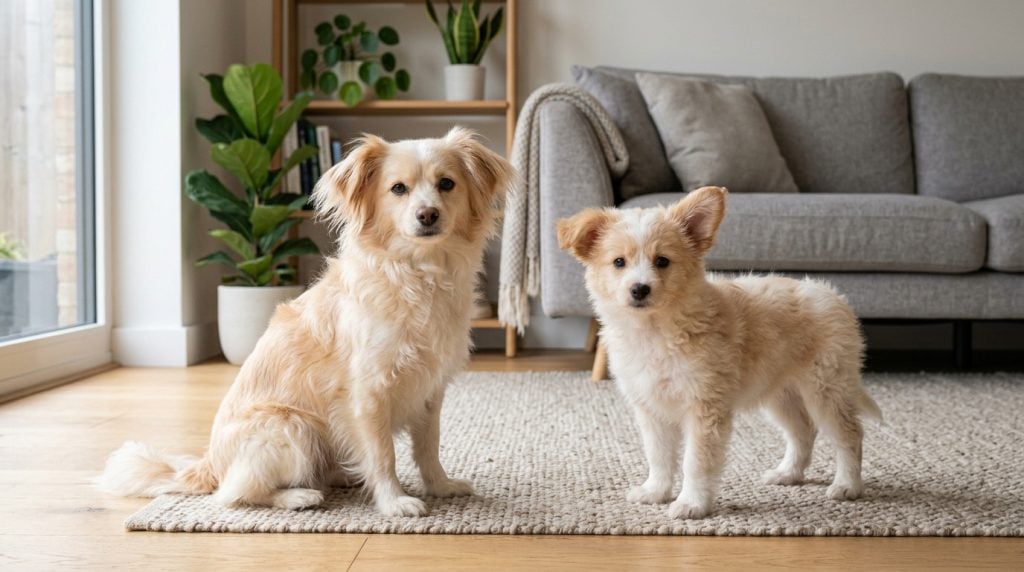
Living with a Papipoo often feels like having a little shadow with a big heart. Known for their affectionate nature, they tend to form close bonds with their families, often seeking out companionship and attention. Their lively spirit and willingness to engage make them delightful companions in a variety of home settings.
At a glance
Core care
- Size: Small
- Energy: Moderate to high
- Grooming: Low
- Shedding: Low
Support style
- Sensitivity: High
- Training style: Willing
Breed guide
Choose a section to explore. These notes describe common patterns, but individual dogs vary widely.
The Papipoo, a delightful cross between the Papillon and the Poodle, brings together the best of both worlds. Historically, the Papillon was cherished as a lap dog for European nobility, while the Poodle was revered for its intelligence and versatility. This combination results in a breed that is both charming and clever, often reflecting the companionable nature of its ancestors. Today, the Papipoo is known for its affectionate disposition and eagerness to be part of family activities.
Physically, the Papipoo is a small dog, typically weighing between 3 to 7 kilograms. Their size makes them well-suited for apartment living, yet they are equally at home in larger spaces. Their coat, often a mix of the Papillon’s silky fur and the Poodle’s curly texture, requires regular grooming to maintain its health and appearance. Owners often find that a quick daily brush helps keep their coat looking its best, while also minimizing shedding.
Temperamentally, Papipoos are known for their lively and social nature. They tend to thrive in environments where they receive ample attention and interaction. Many owners notice their Papipoo’s eagerness to please, which often translates into a willingness to learn and participate in training. However, their high sensitivity means they can be easily affected by changes in their environment or routine, requiring a stable and loving home to truly flourish.
As with any breed, individual Papipoos can vary in their behaviour and needs. While some may be more outgoing and energetic, others might be more reserved and calm. Prospective owners should be prepared for this variation and understand that a Papipoo’s personality will be shaped by genetics, early experiences, and their ongoing environment.
Papipoos often exhibit a social and affectionate nature, making them wonderful companions for those who enjoy a close bond with their pets. They tend to thrive on interaction, often seeking out the company of their human family members. This social drive is likely a reflection of their Papillon and Poodle heritage, both breeds known for their companionable qualities.
Owners frequently observe that Papipoos are quite sensitive to their surroundings. This sensitivity can manifest as a keen awareness of changes in the household or shifts in mood among family members. While this trait can make them attentive and responsive companions, it also means they may require a stable and predictable environment to feel secure and content.
Their willingness to please and eagerness to learn often make Papipoos relatively easy to train. Many owners find success with positive reinforcement techniques, which align well with the breed’s responsive nature. However, their high sensitivity means that harsh training methods can be counterproductive, potentially leading to anxiety or stress.
It’s important for potential owners to understand that while Papipoos generally exhibit these tendencies, individual dogs can vary significantly. Some may be more outgoing and energetic, while others might be more reserved and cautious. This variation is influenced by factors such as genetics, early socialisation, and the individual dog’s experiences and environment.
A typical day for a Papipoo involves a balance of physical activity and mental enrichment. Despite their small size, they often have a moderate to high energy level, which means they benefit from regular walks and play sessions. Owners often find that two short walks a day, combined with some interactive playtime, help to keep their Papipoo content and well-exercised.
Mental stimulation is equally important for this intelligent breed. Puzzle toys, training games, and interactive play can all contribute to keeping a Papipoo’s mind engaged. Many owners enjoy teaching their Papipoo new tricks or commands, which not only provides mental enrichment but also strengthens the bond between dog and owner.
As Papipoos age, their exercise needs may change. Puppies and young adults often have higher energy levels and require more frequent activity to prevent boredom and restlessness. In contrast, older Papipoos may prefer shorter, more leisurely walks and less intense play sessions, though they still benefit from mental challenges.
It’s important for owners to tailor their Papipoo’s exercise routine to their individual dog’s needs and preferences. While some may thrive on more vigorous activity, others might prefer a gentler pace. Understanding and adapting to these preferences helps ensure that a Papipoo remains happy and healthy throughout their life.
Training a Papipoo often feels like a rewarding experience due to their eager-to-please nature and intelligence. Many owners find that these dogs respond well to positive reinforcement techniques, such as treats and praise, which encourage them to learn quickly and enthusiastically. This approach helps to build a strong, trusting relationship between the dog and owner.
Consistency is key when training a Papipoo, as their high sensitivity means they can easily pick up on inconsistencies in commands or expectations. Establishing a clear routine and set of rules helps them understand what is expected, reducing confusion and promoting good behaviour. Owners often find that short, frequent training sessions work best, keeping the dog engaged without overwhelming them.
Adolescence can present some challenges, as with many breeds, but maintaining patience and consistency often helps navigate this phase. Papipoos may test boundaries during this time, but with continued positive reinforcement and clear communication, they typically settle into well-behaved adult dogs.
Building a strong relationship with a Papipoo through training not only enhances their behaviour but also deepens the bond between dog and owner. This breed thrives on companionship and interaction, so incorporating training into daily life can be both beneficial and enjoyable for both parties.
Papipoos often adapt well to a variety of home environments, thanks to their small size and social nature. They are well-suited to apartment living, provided they receive enough exercise and mental stimulation. Their moderate to high energy levels mean they appreciate having access to outdoor spaces, such as a garden or nearby park, where they can explore and play.
Many owners find that Papipoos thrive in homes where they receive plenty of attention and companionship. They tend to form strong bonds with their human family members and often enjoy being involved in daily activities. This breed can do well in homes with children, provided interactions are supervised and gentle, as their small size makes them more susceptible to accidental injury.
Papipoos can also coexist peacefully with other pets, especially if they are introduced and socialised from a young age. Their friendly nature often means they are willing to share their space with other dogs or even cats, though individual temperament and early experiences will play a significant role in these interactions.
Ultimately, a Papipoo’s suitability for a particular home will depend on the individual dog’s personality and the lifestyle of the family. Prospective owners should consider whether they can provide the time, attention, and environment that a Papipoo needs to thrive, ensuring a happy and harmonious home life for all.
Maintaining a Papipoo’s health is integral to their overall wellbeing and happiness. As a mixed breed, they may inherit health traits from either parent breed, which can influence their health profile. Regular veterinary check-ups are essential to monitor their health and catch any potential issues early, ensuring they remain in good condition.
Some health considerations for Papipoos include dental health, as small breeds can be prone to dental issues. Regular teeth brushing and dental check-ups can help prevent problems such as plaque build-up and gum disease. Additionally, maintaining a balanced diet and appropriate exercise routine contributes to their overall health and longevity.
Papipoos’ high sensitivity can sometimes translate into stress or anxiety, particularly in unfamiliar situations or environments. Owners can support their dog’s emotional health by providing a stable, predictable routine and plenty of positive social interactions. Understanding their dog’s body language and responses can help owners identify when their Papipoo might be feeling stressed or overwhelmed.
Preventive care, such as vaccinations, flea and tick prevention, and regular grooming, plays a crucial role in keeping a Papipoo healthy. By staying proactive and attentive to their dog’s needs, owners can help ensure their Papipoo enjoys a long, healthy life. When in doubt, seeking veterinary advice is always a wise choice to address any health concerns.
The Papipoo is a relatively modern breed, resulting from the intentional crossing of the Papillon and the Poodle. The Papillon, with its origins in European nobility, was prized for its elegant appearance and charming personality. Its name, meaning ‘butterfly’ in French, reflects its distinctive ear shape. The Poodle, on the other hand, has a history as a versatile working dog, known for its intelligence and adaptability.
The intention behind creating the Papipoo was to combine the best traits of both parent breeds, resulting in a dog that is not only visually appealing but also intelligent and affectionate. This crossbreed has gained popularity in recent years, particularly among those seeking a small, low-shedding companion with a lively personality.
The Papipoo’s history as a companion animal is evident in its behaviour today. They often exhibit the Papillon’s social and affectionate nature, along with the Poodle’s intelligence and trainability. This combination makes them well-suited to a variety of home environments, where they can form strong bonds with their human families.
Understanding the Papipoo’s origins helps explain many of the traits owners observe in their pets. From their eagerness to please and learn to their need for companionship, the Papipoo’s history provides valuable insights into what makes this breed such a beloved choice for many dog lovers.
What shapes individual dogs
- Early social experiences
- Training approach
- Environment & routine
- Genetics & breeding
- Health & pain
- Age / life stage
The Papipoo, a delightful cross between the Papillon and the Poodle, brings together the best of both worlds. Historically, the Papillon was cherished as a lap dog for European nobility, while the Poodle was revered for its intelligence and versatility. This combination results in a breed that is both charming and clever, often reflecting the companionable nature of its ancestors. Today, the Papipoo is known for its affectionate disposition and eagerness to be part of family activities.
Physically, the Papipoo is a small dog, typically weighing between 3 to 7 kilograms. Their size makes them well-suited for apartment living, yet they are equally at home in larger spaces. Their coat, often a mix of the Papillon’s silky fur and the Poodle’s curly texture, requires regular grooming to maintain its health and appearance. Owners often find that a quick daily brush helps keep their coat looking its best, while also minimizing shedding.
Temperamentally, Papipoos are known for their lively and social nature. They tend to thrive in environments where they receive ample attention and interaction. Many owners notice their Papipoo’s eagerness to please, which often translates into a willingness to learn and participate in training. However, their high sensitivity means they can be easily affected by changes in their environment or routine, requiring a stable and loving home to truly flourish.
As with any breed, individual Papipoos can vary in their behaviour and needs. While some may be more outgoing and energetic, others might be more reserved and calm. Prospective owners should be prepared for this variation and understand that a Papipoo’s personality will be shaped by genetics, early experiences, and their ongoing environment.
Papipoos often exhibit a social and affectionate nature, making them wonderful companions for those who enjoy a close bond with their pets. They tend to thrive on interaction, often seeking out the company of their human family members. This social drive is likely a reflection of their Papillon and Poodle heritage, both breeds known for their companionable qualities.
Owners frequently observe that Papipoos are quite sensitive to their surroundings. This sensitivity can manifest as a keen awareness of changes in the household or shifts in mood among family members. While this trait can make them attentive and responsive companions, it also means they may require a stable and predictable environment to feel secure and content.
Their willingness to please and eagerness to learn often make Papipoos relatively easy to train. Many owners find success with positive reinforcement techniques, which align well with the breed’s responsive nature. However, their high sensitivity means that harsh training methods can be counterproductive, potentially leading to anxiety or stress.
It’s important for potential owners to understand that while Papipoos generally exhibit these tendencies, individual dogs can vary significantly. Some may be more outgoing and energetic, while others might be more reserved and cautious. This variation is influenced by factors such as genetics, early socialisation, and the individual dog’s experiences and environment.
A typical day for a Papipoo involves a balance of physical activity and mental enrichment. Despite their small size, they often have a moderate to high energy level, which means they benefit from regular walks and play sessions. Owners often find that two short walks a day, combined with some interactive playtime, help to keep their Papipoo content and well-exercised.
Mental stimulation is equally important for this intelligent breed. Puzzle toys, training games, and interactive play can all contribute to keeping a Papipoo’s mind engaged. Many owners enjoy teaching their Papipoo new tricks or commands, which not only provides mental enrichment but also strengthens the bond between dog and owner.
As Papipoos age, their exercise needs may change. Puppies and young adults often have higher energy levels and require more frequent activity to prevent boredom and restlessness. In contrast, older Papipoos may prefer shorter, more leisurely walks and less intense play sessions, though they still benefit from mental challenges.
It’s important for owners to tailor their Papipoo’s exercise routine to their individual dog’s needs and preferences. While some may thrive on more vigorous activity, others might prefer a gentler pace. Understanding and adapting to these preferences helps ensure that a Papipoo remains happy and healthy throughout their life.
Training a Papipoo often feels like a rewarding experience due to their eager-to-please nature and intelligence. Many owners find that these dogs respond well to positive reinforcement techniques, such as treats and praise, which encourage them to learn quickly and enthusiastically. This approach helps to build a strong, trusting relationship between the dog and owner.
Consistency is key when training a Papipoo, as their high sensitivity means they can easily pick up on inconsistencies in commands or expectations. Establishing a clear routine and set of rules helps them understand what is expected, reducing confusion and promoting good behaviour. Owners often find that short, frequent training sessions work best, keeping the dog engaged without overwhelming them.
Adolescence can present some challenges, as with many breeds, but maintaining patience and consistency often helps navigate this phase. Papipoos may test boundaries during this time, but with continued positive reinforcement and clear communication, they typically settle into well-behaved adult dogs.
Building a strong relationship with a Papipoo through training not only enhances their behaviour but also deepens the bond between dog and owner. This breed thrives on companionship and interaction, so incorporating training into daily life can be both beneficial and enjoyable for both parties.
Papipoos often adapt well to a variety of home environments, thanks to their small size and social nature. They are well-suited to apartment living, provided they receive enough exercise and mental stimulation. Their moderate to high energy levels mean they appreciate having access to outdoor spaces, such as a garden or nearby park, where they can explore and play.
Many owners find that Papipoos thrive in homes where they receive plenty of attention and companionship. They tend to form strong bonds with their human family members and often enjoy being involved in daily activities. This breed can do well in homes with children, provided interactions are supervised and gentle, as their small size makes them more susceptible to accidental injury.
Papipoos can also coexist peacefully with other pets, especially if they are introduced and socialised from a young age. Their friendly nature often means they are willing to share their space with other dogs or even cats, though individual temperament and early experiences will play a significant role in these interactions.
Ultimately, a Papipoo’s suitability for a particular home will depend on the individual dog’s personality and the lifestyle of the family. Prospective owners should consider whether they can provide the time, attention, and environment that a Papipoo needs to thrive, ensuring a happy and harmonious home life for all.
Maintaining a Papipoo’s health is integral to their overall wellbeing and happiness. As a mixed breed, they may inherit health traits from either parent breed, which can influence their health profile. Regular veterinary check-ups are essential to monitor their health and catch any potential issues early, ensuring they remain in good condition.
Some health considerations for Papipoos include dental health, as small breeds can be prone to dental issues. Regular teeth brushing and dental check-ups can help prevent problems such as plaque build-up and gum disease. Additionally, maintaining a balanced diet and appropriate exercise routine contributes to their overall health and longevity.
Papipoos’ high sensitivity can sometimes translate into stress or anxiety, particularly in unfamiliar situations or environments. Owners can support their dog’s emotional health by providing a stable, predictable routine and plenty of positive social interactions. Understanding their dog’s body language and responses can help owners identify when their Papipoo might be feeling stressed or overwhelmed.
Preventive care, such as vaccinations, flea and tick prevention, and regular grooming, plays a crucial role in keeping a Papipoo healthy. By staying proactive and attentive to their dog’s needs, owners can help ensure their Papipoo enjoys a long, healthy life. When in doubt, seeking veterinary advice is always a wise choice to address any health concerns.
The Papipoo is a relatively modern breed, resulting from the intentional crossing of the Papillon and the Poodle. The Papillon, with its origins in European nobility, was prized for its elegant appearance and charming personality. Its name, meaning ‘butterfly’ in French, reflects its distinctive ear shape. The Poodle, on the other hand, has a history as a versatile working dog, known for its intelligence and adaptability.
The intention behind creating the Papipoo was to combine the best traits of both parent breeds, resulting in a dog that is not only visually appealing but also intelligent and affectionate. This crossbreed has gained popularity in recent years, particularly among those seeking a small, low-shedding companion with a lively personality.
The Papipoo’s history as a companion animal is evident in its behaviour today. They often exhibit the Papillon’s social and affectionate nature, along with the Poodle’s intelligence and trainability. This combination makes them well-suited to a variety of home environments, where they can form strong bonds with their human families.
Understanding the Papipoo’s origins helps explain many of the traits owners observe in their pets. From their eagerness to please and learn to their need for companionship, the Papipoo’s history provides valuable insights into what makes this breed such a beloved choice for many dog lovers.
What shapes individual dogs
- Early social experiences
- Training approach
- Environment & routine
- Genetics & breeding
- Health & pain
- Age / life stage
Want support with this?
This course is relevant for Papipoo owners to better understand their dog's sensitive and social nature, enhancing their bond and communication.