
Papillon
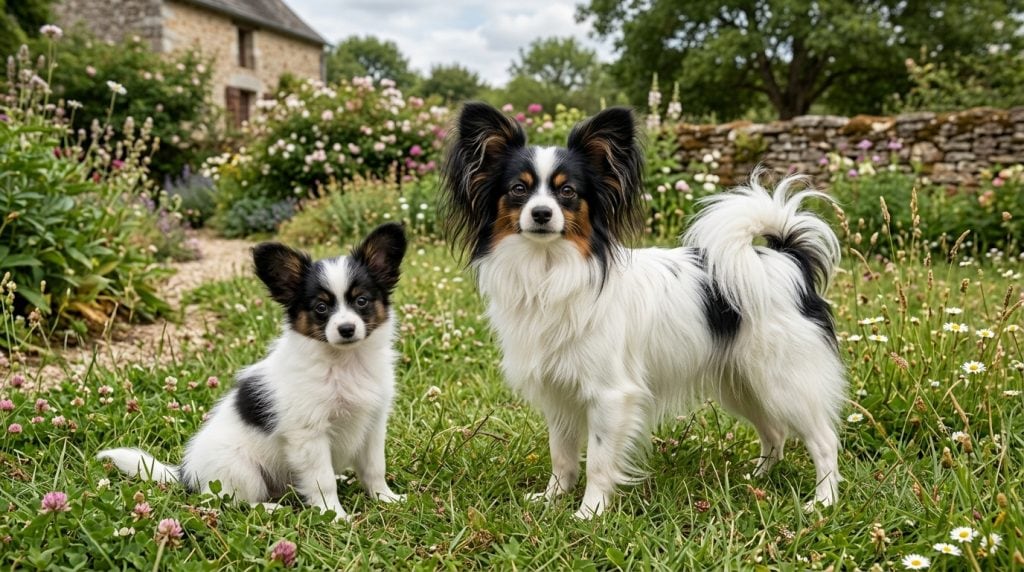
Papillons often captivate with their lively spirit and distinctive butterfly-like ears. They are known for their eagerness to engage with family members, frequently seeking out companionship and interaction. Despite their small size, Papillons bring a big presence into a home, often surprising owners with their intelligence and zest for life.
At a glance
Core care
- Size: Small
- Energy: Moderate to high
- Grooming: Low
- Shedding: Low
Support style
- Sensitivity: High
- Training style: Willing
Breed guide
Choose a section to explore. These notes describe common patterns, but individual dogs vary widely.
The Papillon, with its roots tracing back to the European courts of the Renaissance, was originally bred as a companion dog for nobility. This history of close human interaction has shaped the Papillon into a breed that thrives on companionship and attention. Today, they are known for their lively and engaging personalities, often forming strong bonds with their families and delighting in being involved in daily activities.
Physically, Papillons are small and delicate, yet they carry themselves with an elegance that belies their size. Their distinctive ears, resembling the wings of a butterfly, are not just a hallmark of the breed but also a reflection of their alert and curious nature. Owners often find that their Papillon’s small stature makes them well-suited for a variety of living situations, from apartments to larger homes, as long as they receive the attention and exercise they crave.
Temperamentally, Papillons are known for their intelligence and willingness to learn, making them a joy to train. They often exhibit a playful and spirited demeanor, which can be both entertaining and endearing. However, their high sensitivity means they can be quite attuned to their owner’s emotions, reacting to changes in mood or environment. This sensitivity, combined with their trainability, makes them responsive companions who thrive on positive reinforcement and gentle guidance.
While Papillons are generally adaptable, it’s important for potential owners to remember that each dog is an individual. Factors such as genetics, early socialization, and the environment can all influence a Papillon’s behavior and personality. Prospective owners should be prepared for a dog that, while small, requires significant interaction and engagement to truly thrive.
Papillons are often described as social butterflies, a fitting metaphor that captures their love for interaction and engagement. They are typically eager to meet new people and animals, often displaying a friendly and curious demeanor. This social nature means they are usually happiest when they are part of the family’s daily activities, whether that means joining in on a walk or simply sitting beside their owner while they work or relax.
The breed’s high sensitivity can be both a blessing and a challenge. Papillons are often very attuned to the emotions of those around them, which can make them excellent companions for those who appreciate a dog that seems to ‘understand’ their feelings. However, this sensitivity also means they can be easily affected by stress or tension in the home. Owners often notice that their Papillon may become anxious if there is a lot of upheaval or if they are left alone for extended periods.
Trainability is another hallmark of the Papillon’s temperament. They are generally eager to please and quick to learn new commands, which can make training sessions both rewarding and enjoyable. Many owners find that their Papillon is particularly responsive to positive reinforcement techniques, thriving on praise and treats. This willingness to learn, combined with their intelligence, means that Papillons often excel in activities like agility and obedience.
Despite their generally social and trainable nature, it’s important to remember that Papillons, like all dogs, are individuals. While many will exhibit the traits described, there will always be variations based on genetics, early experiences, and individual personality. Owners should be prepared to adapt their approach to suit their dog’s unique temperament, ensuring a happy and harmonious relationship.
A typical day for a Papillon involves a blend of physical activity and mental stimulation. Despite their small size, they have a moderate to high energy level and benefit from regular walks and play sessions. Owners often find that their Papillon enjoys interactive games, such as fetch or tug-of-war, which provide both exercise and an opportunity to bond.
In addition to physical exercise, mental enrichment is crucial for this intelligent breed. Puzzle toys, training sessions, and learning new tricks can help keep a Papillon’s mind sharp and engaged. Many owners enjoy teaching their Papillon a variety of commands and tricks, as these dogs often thrive on the mental challenge and the positive reinforcement they receive.
As Papillons age, their exercise needs may change. While young Papillons are often full of energy and require plenty of activity, older dogs may prefer shorter, more leisurely walks. Regardless of age, it’s important to tailor the level of exercise to the individual dog’s needs and abilities, ensuring they remain healthy and happy.
Owners should be mindful not to over-exercise their Papillon, especially in hot weather, as their small size makes them more susceptible to heat exhaustion. Providing plenty of water and opportunities for rest will help keep them comfortable and safe. By balancing physical exercise with mental enrichment, owners can help ensure their Papillon remains a well-rounded and content companion.
Training a Papillon can be a rewarding experience, as they are typically eager learners with a willingness to please. Many owners find that their Papillon responds well to positive reinforcement techniques, such as praise, treats, and play. This approach helps build a strong bond between dog and owner, fostering a sense of trust and cooperation.
Impulse control can be an area where Papillons benefit from focused training. Their lively and curious nature sometimes leads them to act impulsively, especially when they are excited or overstimulated. Teaching commands like ‘wait’ or ‘leave it’ can help manage these tendencies, ensuring that the Papillon remains well-behaved in a variety of situations.
Adolescence can be a challenging time for Papillon owners, as their dog may test boundaries and exhibit more independent behaviour. Consistency and patience are key during this period, as is maintaining a positive training environment. By continuing to reinforce good behaviour and providing clear expectations, owners can help their Papillon navigate this developmental stage successfully.
Building a strong relationship with a Papillon through training not only enhances their behaviour but also enriches their overall well-being. Owners who invest time in understanding their Papillon’s unique personality and training needs often find that their efforts are rewarded with a loyal and responsive companion. For those new to dog training or seeking additional guidance, the course ‘Puppy Beginnings: Building a Calm Start’ can provide valuable insights and techniques.
Papillons tend to adapt well to various living environments, making them suitable for both apartment living and larger homes. Their small size and moderate exercise needs mean they don’t require a large yard, but they do need regular opportunities for walks and play. Many owners find that their Papillon is content as long as they are included in family activities and receive plenty of attention.
While Papillons are generally friendly and social, their high sensitivity means they may not always thrive in very chaotic or noisy households. They often do well in homes where they can be part of the action but also have a quiet space to retreat to when they need a break. Families with older children tend to find that Papillons fit in well, as they can be more gentle and understanding of the dog’s needs.
When it comes to other pets, Papillons can get along well with other dogs and even cats, especially if they are socialized from a young age. Their friendly nature often leads them to enjoy the company of other animals, though supervision is recommended to ensure that interactions remain positive and safe.
Ultimately, the best home for a Papillon is one where they are valued as a member of the family and given the time and attention they need to thrive. Prospective owners should consider their lifestyle and how a Papillon’s needs align with it, ensuring a harmonious and fulfilling relationship for both dog and owner.
Papillons are generally healthy dogs, but like all breeds, they can be prone to certain health issues. Regular veterinary check-ups are important to monitor their overall well-being and catch any potential problems early. Many owners find that maintaining a balanced diet and regular exercise routine helps keep their Papillon in good health.
Some health concerns that can affect Papillons include patellar luxation, dental issues, and heart conditions. Being aware of these potential issues allows owners to take preventive measures, such as providing dental chews or regular teeth cleaning to maintain oral health. Monitoring their Papillon’s activity levels and weight can also help prevent joint issues.
Papillons’ high sensitivity can sometimes manifest in stress-related behaviours if they are not feeling well. Owners should be attentive to any changes in behaviour or appetite, as these can be early indicators of health problems. Seeking veterinary advice when something seems off is always a prudent step.
Overall, with proper care and attention, Papillons can live long, healthy lives. Educating oneself about the breed’s specific health needs and being proactive in their care can help ensure that a Papillon remains a happy and healthy member of the family.
The Papillon’s history is as charming as the breed itself, with origins dating back to the European courts of the Renaissance. These small, elegant dogs were favoured by nobility and often featured in portraits alongside their royal owners. Their role as companions to the elite helped shape their sociable and affectionate nature, traits that are still evident in the breed today.
Originally known as the ‘dwarf spaniel’, the Papillon’s distinctive ears evolved over time, eventually leading to the butterfly-like appearance that gives the breed its name. This unique feature became a symbol of the breed’s elegance and grace, contributing to their popularity among the upper classes.
Throughout history, Papillons have been bred primarily for companionship, rather than for working purposes. This focus on human interaction has resulted in a breed that is highly attuned to their owners and thrives on social engagement. Their history as lapdogs is reflected in their desire to be close to their human family, often seeking out attention and affection.
Today, the Papillon’s historical roots are still evident in their personality and appearance. Their lively spirit and elegant appearance continue to captivate dog lovers around the world, making them a beloved breed for those seeking a small, intelligent, and affectionate companion. Understanding the Papillon’s rich history helps explain the traits that make them such endearing members of the canine world.
What shapes individual dogs
- Early social experiences
- Training approach
- Environment & routine
- Genetics & breeding
- Health & pain
- Age / life stage
The Papillon, with its roots tracing back to the European courts of the Renaissance, was originally bred as a companion dog for nobility. This history of close human interaction has shaped the Papillon into a breed that thrives on companionship and attention. Today, they are known for their lively and engaging personalities, often forming strong bonds with their families and delighting in being involved in daily activities.
Physically, Papillons are small and delicate, yet they carry themselves with an elegance that belies their size. Their distinctive ears, resembling the wings of a butterfly, are not just a hallmark of the breed but also a reflection of their alert and curious nature. Owners often find that their Papillon’s small stature makes them well-suited for a variety of living situations, from apartments to larger homes, as long as they receive the attention and exercise they crave.
Temperamentally, Papillons are known for their intelligence and willingness to learn, making them a joy to train. They often exhibit a playful and spirited demeanor, which can be both entertaining and endearing. However, their high sensitivity means they can be quite attuned to their owner’s emotions, reacting to changes in mood or environment. This sensitivity, combined with their trainability, makes them responsive companions who thrive on positive reinforcement and gentle guidance.
While Papillons are generally adaptable, it’s important for potential owners to remember that each dog is an individual. Factors such as genetics, early socialization, and the environment can all influence a Papillon’s behavior and personality. Prospective owners should be prepared for a dog that, while small, requires significant interaction and engagement to truly thrive.
Papillons are often described as social butterflies, a fitting metaphor that captures their love for interaction and engagement. They are typically eager to meet new people and animals, often displaying a friendly and curious demeanor. This social nature means they are usually happiest when they are part of the family’s daily activities, whether that means joining in on a walk or simply sitting beside their owner while they work or relax.
The breed’s high sensitivity can be both a blessing and a challenge. Papillons are often very attuned to the emotions of those around them, which can make them excellent companions for those who appreciate a dog that seems to ‘understand’ their feelings. However, this sensitivity also means they can be easily affected by stress or tension in the home. Owners often notice that their Papillon may become anxious if there is a lot of upheaval or if they are left alone for extended periods.
Trainability is another hallmark of the Papillon’s temperament. They are generally eager to please and quick to learn new commands, which can make training sessions both rewarding and enjoyable. Many owners find that their Papillon is particularly responsive to positive reinforcement techniques, thriving on praise and treats. This willingness to learn, combined with their intelligence, means that Papillons often excel in activities like agility and obedience.
Despite their generally social and trainable nature, it’s important to remember that Papillons, like all dogs, are individuals. While many will exhibit the traits described, there will always be variations based on genetics, early experiences, and individual personality. Owners should be prepared to adapt their approach to suit their dog’s unique temperament, ensuring a happy and harmonious relationship.
A typical day for a Papillon involves a blend of physical activity and mental stimulation. Despite their small size, they have a moderate to high energy level and benefit from regular walks and play sessions. Owners often find that their Papillon enjoys interactive games, such as fetch or tug-of-war, which provide both exercise and an opportunity to bond.
In addition to physical exercise, mental enrichment is crucial for this intelligent breed. Puzzle toys, training sessions, and learning new tricks can help keep a Papillon’s mind sharp and engaged. Many owners enjoy teaching their Papillon a variety of commands and tricks, as these dogs often thrive on the mental challenge and the positive reinforcement they receive.
As Papillons age, their exercise needs may change. While young Papillons are often full of energy and require plenty of activity, older dogs may prefer shorter, more leisurely walks. Regardless of age, it’s important to tailor the level of exercise to the individual dog’s needs and abilities, ensuring they remain healthy and happy.
Owners should be mindful not to over-exercise their Papillon, especially in hot weather, as their small size makes them more susceptible to heat exhaustion. Providing plenty of water and opportunities for rest will help keep them comfortable and safe. By balancing physical exercise with mental enrichment, owners can help ensure their Papillon remains a well-rounded and content companion.
Training a Papillon can be a rewarding experience, as they are typically eager learners with a willingness to please. Many owners find that their Papillon responds well to positive reinforcement techniques, such as praise, treats, and play. This approach helps build a strong bond between dog and owner, fostering a sense of trust and cooperation.
Impulse control can be an area where Papillons benefit from focused training. Their lively and curious nature sometimes leads them to act impulsively, especially when they are excited or overstimulated. Teaching commands like ‘wait’ or ‘leave it’ can help manage these tendencies, ensuring that the Papillon remains well-behaved in a variety of situations.
Adolescence can be a challenging time for Papillon owners, as their dog may test boundaries and exhibit more independent behaviour. Consistency and patience are key during this period, as is maintaining a positive training environment. By continuing to reinforce good behaviour and providing clear expectations, owners can help their Papillon navigate this developmental stage successfully.
Building a strong relationship with a Papillon through training not only enhances their behaviour but also enriches their overall well-being. Owners who invest time in understanding their Papillon’s unique personality and training needs often find that their efforts are rewarded with a loyal and responsive companion. For those new to dog training or seeking additional guidance, the course ‘Puppy Beginnings: Building a Calm Start’ can provide valuable insights and techniques.
Papillons tend to adapt well to various living environments, making them suitable for both apartment living and larger homes. Their small size and moderate exercise needs mean they don’t require a large yard, but they do need regular opportunities for walks and play. Many owners find that their Papillon is content as long as they are included in family activities and receive plenty of attention.
While Papillons are generally friendly and social, their high sensitivity means they may not always thrive in very chaotic or noisy households. They often do well in homes where they can be part of the action but also have a quiet space to retreat to when they need a break. Families with older children tend to find that Papillons fit in well, as they can be more gentle and understanding of the dog’s needs.
When it comes to other pets, Papillons can get along well with other dogs and even cats, especially if they are socialized from a young age. Their friendly nature often leads them to enjoy the company of other animals, though supervision is recommended to ensure that interactions remain positive and safe.
Ultimately, the best home for a Papillon is one where they are valued as a member of the family and given the time and attention they need to thrive. Prospective owners should consider their lifestyle and how a Papillon’s needs align with it, ensuring a harmonious and fulfilling relationship for both dog and owner.
Papillons are generally healthy dogs, but like all breeds, they can be prone to certain health issues. Regular veterinary check-ups are important to monitor their overall well-being and catch any potential problems early. Many owners find that maintaining a balanced diet and regular exercise routine helps keep their Papillon in good health.
Some health concerns that can affect Papillons include patellar luxation, dental issues, and heart conditions. Being aware of these potential issues allows owners to take preventive measures, such as providing dental chews or regular teeth cleaning to maintain oral health. Monitoring their Papillon’s activity levels and weight can also help prevent joint issues.
Papillons’ high sensitivity can sometimes manifest in stress-related behaviours if they are not feeling well. Owners should be attentive to any changes in behaviour or appetite, as these can be early indicators of health problems. Seeking veterinary advice when something seems off is always a prudent step.
Overall, with proper care and attention, Papillons can live long, healthy lives. Educating oneself about the breed’s specific health needs and being proactive in their care can help ensure that a Papillon remains a happy and healthy member of the family.
The Papillon’s history is as charming as the breed itself, with origins dating back to the European courts of the Renaissance. These small, elegant dogs were favoured by nobility and often featured in portraits alongside their royal owners. Their role as companions to the elite helped shape their sociable and affectionate nature, traits that are still evident in the breed today.
Originally known as the ‘dwarf spaniel’, the Papillon’s distinctive ears evolved over time, eventually leading to the butterfly-like appearance that gives the breed its name. This unique feature became a symbol of the breed’s elegance and grace, contributing to their popularity among the upper classes.
Throughout history, Papillons have been bred primarily for companionship, rather than for working purposes. This focus on human interaction has resulted in a breed that is highly attuned to their owners and thrives on social engagement. Their history as lapdogs is reflected in their desire to be close to their human family, often seeking out attention and affection.
Today, the Papillon’s historical roots are still evident in their personality and appearance. Their lively spirit and elegant appearance continue to captivate dog lovers around the world, making them a beloved breed for those seeking a small, intelligent, and affectionate companion. Understanding the Papillon’s rich history helps explain the traits that make them such endearing members of the canine world.
What shapes individual dogs
- Early social experiences
- Training approach
- Environment & routine
- Genetics & breeding
- Health & pain
- Age / life stage
Want support with this?
This course is relevant for Papillon owners as it provides insights into nurturing a well-adjusted and calm companion from the start.