
Aussie Pom
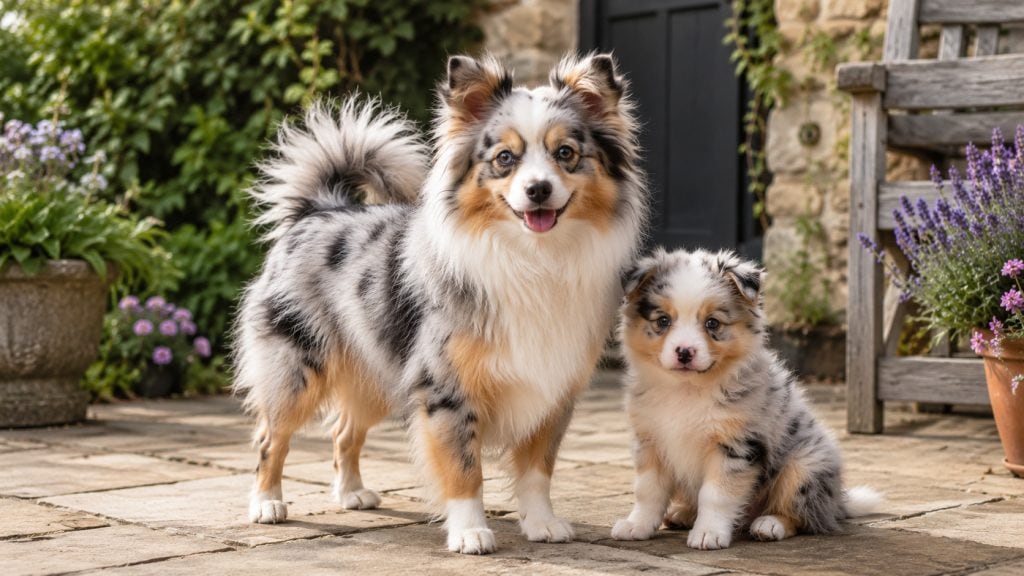
Living with an Aussie Pom is like having a lively little companion who thrives on interaction. Their curious nature and affectionate demeanor often mean they are happiest when involved in family activities. With a mix of intelligence and playfulness, they bring a vibrant energy to everyday life, making them delightful companions for those who enjoy an active lifestyle.
At a glance
Core care
- Size: Small
- Energy: Moderate to high
- Grooming: Low
- Shedding: Moderate
Support style
- Sensitivity: Moderate
- Training style: Willing
Breed guide
Choose a section to explore. These notes describe common patterns, but individual dogs vary widely.
The Aussie Pom is a charming blend of the Australian Shepherd and the Pomeranian, combining the working instinct of the former with the spirited nature of the latter. Originally bred to be a companion dog, the Aussie Pom inherits the intelligence and alertness of its Australian Shepherd parent, making it quite adept at picking up on its owner’s cues and emotions. This background contributes to the breed’s lively and engaging personality, which many owners find endearing.
Physically, the Aussie Pom is a small yet sturdy dog, often weighing between 15 to 30 pounds. Their size makes them well-suited for both apartment living and homes with yards. The breed typically sports a fluffy double coat, which can vary in colour and pattern, often reflecting the diverse palette of the Australian Shepherd. This coat not only adds to their visual appeal but also requires regular grooming to keep it in top condition.
In terms of temperament, Aussie Poms are known for their friendly and outgoing nature. They tend to be quite social, enjoying the company of people and other pets. Owners often notice their dog’s eagerness to be part of family activities, whether it’s a walk in the park or a quiet evening at home. However, like any breed, individual personalities can vary, and some may be more reserved or independent.
While the Aussie Pom generally adapts well to various living situations, it’s important for potential owners to remember that each dog is unique. Factors such as early socialization, training, and individual temperament play significant roles in shaping their behaviour. Understanding these nuances helps in nurturing a well-rounded and happy companion.
Aussie Poms often exhibit a social and engaging nature, making them delightful companions for those who enjoy interactive pets. Their mixed heritage gives them a blend of intelligence and alertness, which means they are usually quick to pick up on the mood and energy of their human companions. This awareness often translates into a dog that is eager to please and participate in family life.
Owners frequently observe that their Aussie Pom enjoys being in the thick of things, whether that means joining in on a game, sitting nearby during family gatherings, or simply following their humans from room to room. This breed tends to thrive on social interaction and can sometimes develop a strong attachment to their family members, seeking out their company whenever possible.
In terms of sensitivity, Aussie Poms are moderately sensitive, which means they can be somewhat affected by the tone and mood of their environment. This sensitivity, combined with their trainability, often makes them responsive to positive reinforcement training methods. They typically respond well to praise and treats, which can help in managing their behaviour and reinforcing desired actions.
While many Aussie Poms are naturally friendly and outgoing, individual dogs may vary in their social preferences. Some might be more reserved or cautious around new people or situations, while others might be more adventurous. Understanding and respecting these individual differences is key to helping an Aussie Pom feel secure and confident in their surroundings.
A typical day for an Aussie Pom involves a healthy mix of physical activity and mental stimulation. Given their moderate to high energy levels, they benefit from regular walks, play sessions, and opportunities to explore their environment. Owners often find that a couple of brisk walks a day, combined with some playtime in the garden or a local park, helps to keep their Aussie Pom content and well-exercised.
In addition to physical exercise, mental enrichment is equally important for this intelligent breed. Puzzle toys, interactive games, and training sessions can provide the mental challenges they need. These activities not only keep them entertained but also help to prevent boredom-related behaviours, which can sometimes occur if their energy is not properly channelled.
As Aussie Poms age, their exercise needs may change. While younger dogs might require more vigorous activity to burn off their youthful energy, older dogs might enjoy more leisurely strolls and gentle play. It’s important for owners to adjust their dog’s routine to match their life stage, ensuring they remain healthy and happy throughout their lives.
Owners should be mindful of not over-exercising their Aussie Pom, especially in extreme weather conditions. These dogs can be sensitive to heat due to their double coat, so it’s best to schedule outdoor activities during cooler parts of the day. By balancing exercise with rest and mental stimulation, owners can help their Aussie Pom lead a fulfilling and active life.
Training an Aussie Pom often feels like a rewarding experience due to their willingness to learn and please. Their intelligence and eagerness to engage with their owners make them responsive to training, especially when positive reinforcement techniques are used. Many owners find that consistency and patience are key to successfully training this breed.
Positive reinforcement, such as treats, praise, and play, tends to work well with Aussie Poms. They enjoy the interaction and the challenge of learning new commands or tricks. This approach not only strengthens the bond between dog and owner but also helps in managing their natural curiosity and energy.
During adolescence, some Aussie Poms may exhibit a bit of stubbornness or test boundaries, which is common in many breeds. It’s important for owners to remain consistent and patient during this phase, reinforcing training and maintaining clear expectations. This period can also be an excellent time to introduce more advanced training or dog sports, which can provide both mental and physical outlets for their energy.
Building a strong relationship based on trust and respect is crucial for training success. By understanding their dog’s individual personality and adapting training methods accordingly, owners can help their Aussie Pom develop into a well-mannered and confident companion. Enrolling in a course like “Puppy Beginnings: Building a Calm Start” can provide valuable insights and techniques for new owners.
Aussie Poms tend to adapt well to a variety of living environments, making them versatile companions for both city and suburban dwellers. Their small size and moderate energy levels mean they can thrive in apartments as well as homes with gardens, provided they receive adequate exercise and mental stimulation.
Owners often find that Aussie Poms enjoy being part of family activities and do well in homes where they are included in daily routines. They tend to form strong bonds with their family members and can be quite affectionate, often seeking out companionship and interaction. This makes them well-suited to households where someone is often home to provide the attention they crave.
When it comes to living with children and other pets, Aussie Poms generally do well, thanks to their social and friendly nature. However, as with any breed, early socialization is important to ensure they are comfortable and well-mannered around others. Supervision is always recommended when introducing them to new situations or companions to ensure positive interactions.
It’s important for potential owners to consider their lifestyle and how an Aussie Pom might fit into it. While they are adaptable, they thrive in environments where their social and exercise needs are met. Understanding and meeting these needs can help ensure a harmonious and fulfilling relationship between the dog and their family.
The health of an Aussie Pom is closely tied to their overall wellbeing and quality of life. Regular veterinary check-ups and preventive care are essential in maintaining their health and catching any potential issues early. This proactive approach helps ensure they remain active and happy companions.
Some health considerations for Aussie Poms include dental care, as small breeds can be prone to dental issues. Regular brushing and dental check-ups can help prevent problems such as tartar build-up and gum disease. Maintaining a healthy diet and weight is also important to prevent obesity, which can lead to other health complications.
Owners should be aware of any breed-specific health concerns that might arise, such as patellar luxation or hip dysplasia, which can occur in mixed breeds. Monitoring their dog’s mobility and seeking veterinary advice if any changes are noticed can help manage these conditions effectively.
By staying informed about their dog’s health and being attentive to any changes in behaviour or physical condition, owners can ensure their Aussie Pom enjoys a healthy and active life. Enrolling in a course like “Canine First Aid: A Practical Guide” can provide valuable knowledge for handling health-related situations confidently.
The Aussie Pom is a relatively new mixed breed, combining the traits of the Australian Shepherd and the Pomeranian. This blend brings together the working heritage of the Australian Shepherd, known for its intelligence and herding abilities, with the lively and spirited nature of the Pomeranian, a breed that has long been cherished as a companion dog.
The Australian Shepherd’s origins lie in the ranches of the United States, where they were valued for their herding skills and versatility. Their intelligence and eagerness to work made them indispensable to farmers and ranchers. This background contributes to the Aussie Pom’s alertness and quick learning abilities, traits that are often appreciated by their owners today.
The Pomeranian, on the other hand, hails from the Spitz family of dogs and was originally larger in size. Over time, they were bred down to the small, fluffy companions we know today. Their history as companion animals is reflected in the Aussie Pom’s affectionate and social nature, making them well-suited to life as a family pet.
Understanding the origins of the Aussie Pom helps explain many of their modern traits, such as their intelligence, social nature, and adaptability. This blend of characteristics from both parent breeds creates a unique and engaging companion that fits well into a variety of lifestyles, provided their social and exercise needs are met.
What shapes individual dogs
- Early social experiences
- Training approach
- Environment & routine
- Genetics & breeding
- Health & pain
- Age / life stage
The Aussie Pom is a charming blend of the Australian Shepherd and the Pomeranian, combining the working instinct of the former with the spirited nature of the latter. Originally bred to be a companion dog, the Aussie Pom inherits the intelligence and alertness of its Australian Shepherd parent, making it quite adept at picking up on its owner’s cues and emotions. This background contributes to the breed’s lively and engaging personality, which many owners find endearing.
Physically, the Aussie Pom is a small yet sturdy dog, often weighing between 15 to 30 pounds. Their size makes them well-suited for both apartment living and homes with yards. The breed typically sports a fluffy double coat, which can vary in colour and pattern, often reflecting the diverse palette of the Australian Shepherd. This coat not only adds to their visual appeal but also requires regular grooming to keep it in top condition.
In terms of temperament, Aussie Poms are known for their friendly and outgoing nature. They tend to be quite social, enjoying the company of people and other pets. Owners often notice their dog’s eagerness to be part of family activities, whether it’s a walk in the park or a quiet evening at home. However, like any breed, individual personalities can vary, and some may be more reserved or independent.
While the Aussie Pom generally adapts well to various living situations, it’s important for potential owners to remember that each dog is unique. Factors such as early socialization, training, and individual temperament play significant roles in shaping their behaviour. Understanding these nuances helps in nurturing a well-rounded and happy companion.
Aussie Poms often exhibit a social and engaging nature, making them delightful companions for those who enjoy interactive pets. Their mixed heritage gives them a blend of intelligence and alertness, which means they are usually quick to pick up on the mood and energy of their human companions. This awareness often translates into a dog that is eager to please and participate in family life.
Owners frequently observe that their Aussie Pom enjoys being in the thick of things, whether that means joining in on a game, sitting nearby during family gatherings, or simply following their humans from room to room. This breed tends to thrive on social interaction and can sometimes develop a strong attachment to their family members, seeking out their company whenever possible.
In terms of sensitivity, Aussie Poms are moderately sensitive, which means they can be somewhat affected by the tone and mood of their environment. This sensitivity, combined with their trainability, often makes them responsive to positive reinforcement training methods. They typically respond well to praise and treats, which can help in managing their behaviour and reinforcing desired actions.
While many Aussie Poms are naturally friendly and outgoing, individual dogs may vary in their social preferences. Some might be more reserved or cautious around new people or situations, while others might be more adventurous. Understanding and respecting these individual differences is key to helping an Aussie Pom feel secure and confident in their surroundings.
A typical day for an Aussie Pom involves a healthy mix of physical activity and mental stimulation. Given their moderate to high energy levels, they benefit from regular walks, play sessions, and opportunities to explore their environment. Owners often find that a couple of brisk walks a day, combined with some playtime in the garden or a local park, helps to keep their Aussie Pom content and well-exercised.
In addition to physical exercise, mental enrichment is equally important for this intelligent breed. Puzzle toys, interactive games, and training sessions can provide the mental challenges they need. These activities not only keep them entertained but also help to prevent boredom-related behaviours, which can sometimes occur if their energy is not properly channelled.
As Aussie Poms age, their exercise needs may change. While younger dogs might require more vigorous activity to burn off their youthful energy, older dogs might enjoy more leisurely strolls and gentle play. It’s important for owners to adjust their dog’s routine to match their life stage, ensuring they remain healthy and happy throughout their lives.
Owners should be mindful of not over-exercising their Aussie Pom, especially in extreme weather conditions. These dogs can be sensitive to heat due to their double coat, so it’s best to schedule outdoor activities during cooler parts of the day. By balancing exercise with rest and mental stimulation, owners can help their Aussie Pom lead a fulfilling and active life.
Training an Aussie Pom often feels like a rewarding experience due to their willingness to learn and please. Their intelligence and eagerness to engage with their owners make them responsive to training, especially when positive reinforcement techniques are used. Many owners find that consistency and patience are key to successfully training this breed.
Positive reinforcement, such as treats, praise, and play, tends to work well with Aussie Poms. They enjoy the interaction and the challenge of learning new commands or tricks. This approach not only strengthens the bond between dog and owner but also helps in managing their natural curiosity and energy.
During adolescence, some Aussie Poms may exhibit a bit of stubbornness or test boundaries, which is common in many breeds. It’s important for owners to remain consistent and patient during this phase, reinforcing training and maintaining clear expectations. This period can also be an excellent time to introduce more advanced training or dog sports, which can provide both mental and physical outlets for their energy.
Building a strong relationship based on trust and respect is crucial for training success. By understanding their dog’s individual personality and adapting training methods accordingly, owners can help their Aussie Pom develop into a well-mannered and confident companion. Enrolling in a course like “Puppy Beginnings: Building a Calm Start” can provide valuable insights and techniques for new owners.
Aussie Poms tend to adapt well to a variety of living environments, making them versatile companions for both city and suburban dwellers. Their small size and moderate energy levels mean they can thrive in apartments as well as homes with gardens, provided they receive adequate exercise and mental stimulation.
Owners often find that Aussie Poms enjoy being part of family activities and do well in homes where they are included in daily routines. They tend to form strong bonds with their family members and can be quite affectionate, often seeking out companionship and interaction. This makes them well-suited to households where someone is often home to provide the attention they crave.
When it comes to living with children and other pets, Aussie Poms generally do well, thanks to their social and friendly nature. However, as with any breed, early socialization is important to ensure they are comfortable and well-mannered around others. Supervision is always recommended when introducing them to new situations or companions to ensure positive interactions.
It’s important for potential owners to consider their lifestyle and how an Aussie Pom might fit into it. While they are adaptable, they thrive in environments where their social and exercise needs are met. Understanding and meeting these needs can help ensure a harmonious and fulfilling relationship between the dog and their family.
The health of an Aussie Pom is closely tied to their overall wellbeing and quality of life. Regular veterinary check-ups and preventive care are essential in maintaining their health and catching any potential issues early. This proactive approach helps ensure they remain active and happy companions.
Some health considerations for Aussie Poms include dental care, as small breeds can be prone to dental issues. Regular brushing and dental check-ups can help prevent problems such as tartar build-up and gum disease. Maintaining a healthy diet and weight is also important to prevent obesity, which can lead to other health complications.
Owners should be aware of any breed-specific health concerns that might arise, such as patellar luxation or hip dysplasia, which can occur in mixed breeds. Monitoring their dog’s mobility and seeking veterinary advice if any changes are noticed can help manage these conditions effectively.
By staying informed about their dog’s health and being attentive to any changes in behaviour or physical condition, owners can ensure their Aussie Pom enjoys a healthy and active life. Enrolling in a course like “Canine First Aid: A Practical Guide” can provide valuable knowledge for handling health-related situations confidently.
The Aussie Pom is a relatively new mixed breed, combining the traits of the Australian Shepherd and the Pomeranian. This blend brings together the working heritage of the Australian Shepherd, known for its intelligence and herding abilities, with the lively and spirited nature of the Pomeranian, a breed that has long been cherished as a companion dog.
The Australian Shepherd’s origins lie in the ranches of the United States, where they were valued for their herding skills and versatility. Their intelligence and eagerness to work made them indispensable to farmers and ranchers. This background contributes to the Aussie Pom’s alertness and quick learning abilities, traits that are often appreciated by their owners today.
The Pomeranian, on the other hand, hails from the Spitz family of dogs and was originally larger in size. Over time, they were bred down to the small, fluffy companions we know today. Their history as companion animals is reflected in the Aussie Pom’s affectionate and social nature, making them well-suited to life as a family pet.
Understanding the origins of the Aussie Pom helps explain many of their modern traits, such as their intelligence, social nature, and adaptability. This blend of characteristics from both parent breeds creates a unique and engaging companion that fits well into a variety of lifestyles, provided their social and exercise needs are met.
What shapes individual dogs
- Early social experiences
- Training approach
- Environment & routine
- Genetics & breeding
- Health & pain
- Age / life stage
Want support with this?
This course offers valuable insights into raising a well-adjusted Aussie Pom, helping new owners navigate the early stages with confidence.