
Sheprador
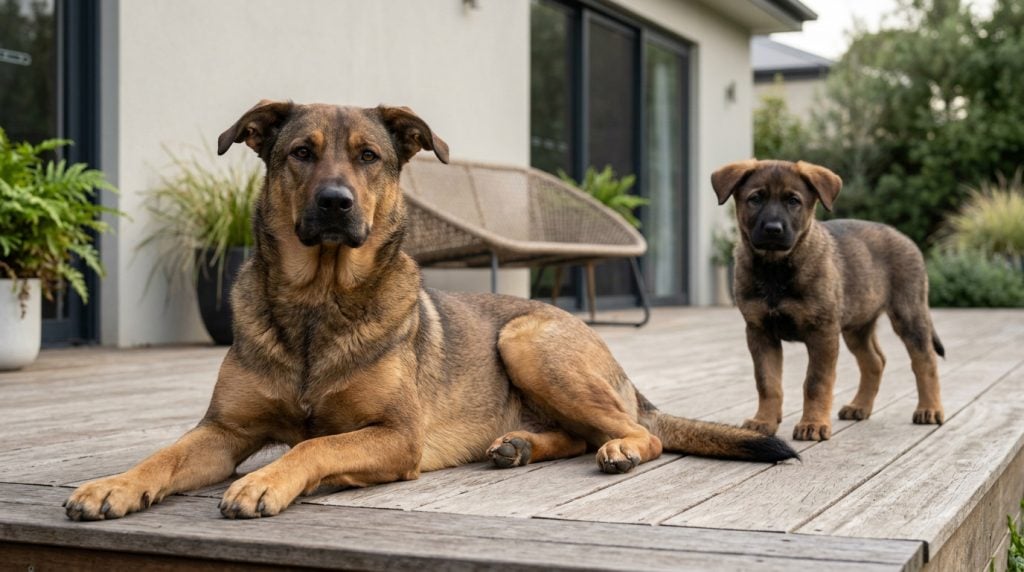
Living with a Sheprador often feels like sharing your home with a devoted companion who thrives on being part of the family. This breed tends to be both energetic and affectionate, making them eager participants in family activities. Owners frequently notice their Sheprador's keen intelligence and willingness to learn, which can make training both rewarding and enjoyable.
At a glance
Core care
- Size: Medium
- Energy: Moderate to high
- Grooming: Low
- Shedding: Moderate
Support style
- Sensitivity: High
- Training style: Willing
Breed guide
Choose a section to explore. These notes describe common patterns, but individual dogs vary widely.
The Sheprador, a blend of the German Shepherd and Labrador Retriever, inherits a rich working heritage that influences its modern-day character. These dogs were originally bred for their versatility, excelling in roles that required intelligence, strength, and a cooperative spirit. Today, many Shepradors carry these traits into their everyday lives, often displaying a strong desire to be involved in family activities and a keen ability to learn new tasks.
Physically, Shepradors are medium-sized dogs that often exhibit a sturdy build, reflecting their working ancestry. Owners frequently note their dog’s athleticism, which can manifest in a love for outdoor activities and a natural agility. This physicality means they often enjoy a variety of exercises, from brisk walks to more vigorous play sessions, making them well-suited for active households.
Temperamentally, Shepradors tend to be affectionate and loyal, often forming strong bonds with their families. Many owners observe their dog’s social nature, which can be both a joy and a challenge, as these dogs may seek constant companionship and attention. Their high sensitivity means they often respond well to positive reinforcement and gentle guidance, making them willing learners in a training context.
While the Sheprador often embodies a blend of both parent breeds, individual dogs can vary significantly. Some may lean more towards the Labrador’s easygoing nature, while others might exhibit the German Shepherd’s protective instincts. Prospective owners should be prepared for this variability and understand that each Sheprador is a unique individual shaped by genetics, upbringing, and environment.
Shepradors are often noted for their social nature, which frequently manifests as a desire to be close to their human companions. This breed tends to thrive in environments where they can be part of the action, whether that means joining family outings or simply resting at their owner’s feet. Their social motivations are deeply rooted in their ancestry, where both parent breeds were valued for their cooperative and loyal traits.
Owners often notice that Shepradors are highly sensitive to the moods and emotions of those around them. This sensitivity can make them particularly attuned to their family’s dynamics, often seeking to provide comfort or companionship when needed. However, it also means they may require gentle handling and positive reinforcement to feel secure and confident.
Trainability is another hallmark of the Sheprador, with many owners finding that their dog is eager to learn and quick to pick up new commands. This willingness to learn is often accompanied by a strong desire to please, making training sessions a rewarding experience for both dog and owner. Consistent, positive training methods tend to work best, helping to harness their intelligence and energy effectively.
Despite these general tendencies, individual Shepradors can vary widely in temperament. Some may exhibit more of the Labrador’s laid-back demeanor, while others might show the German Shepherd’s protective instincts. Understanding and respecting these individual differences is key to fostering a strong and harmonious relationship with a Sheprador.
A typical day for a Sheprador often includes a mix of physical activity and mental stimulation. These dogs generally have moderate to high energy levels, meaning they benefit from regular exercise to keep them happy and healthy. Many owners find that a combination of walks, playtime, and interactive games suits their Sheprador well, providing both physical exertion and mental engagement.
Physical exercise is crucial for this breed, and activities like fetching, running, or hiking can be particularly enjoyable. Shepradors often excel in environments where they can stretch their legs and explore, making them great companions for outdoor enthusiasts. However, it’s important to tailor the intensity and duration of exercise to the dog’s age and health, as younger and older dogs may have different needs.
Mental enrichment is equally important for Shepradors, given their intelligence and curiosity. Puzzle toys, training sessions, and scent games can all provide valuable mental stimulation, helping to prevent boredom and destructive behaviours. Owners often notice that their Sheprador is more content and relaxed after engaging in activities that challenge their mind.
As Shepradors age, their exercise needs may change, requiring adjustments to their routine. While young dogs often thrive on more vigorous activities, older Shepradors may appreciate gentler walks and more frequent rest periods. Understanding these changes and adapting accordingly ensures that a Sheprador’s exercise routine remains supportive and enjoyable throughout their life.
Training a Sheprador often feels like partnering with a willing and eager student. These dogs typically respond well to training that is consistent, positive, and engaging. Owners often find that their Sheprador’s intelligence and desire to please make them quick learners, especially when training is approached with patience and encouragement.
Positive reinforcement techniques tend to be particularly effective with Shepradors. Reward-based training, using treats, praise, or play, can help reinforce desired behaviours and strengthen the bond between dog and owner. Many Shepradors thrive in environments where they feel understood and supported, making gentle guidance a key component of successful training.
Adolescence can bring its own set of challenges, as Shepradors may test boundaries and exhibit increased independence. Consistency in training and clear communication are essential during this stage, helping to guide them towards becoming well-mannered adults. Owners often find that maintaining a routine and setting realistic expectations can help navigate this sometimes tricky phase.
The relationship between a Sheprador and their owner is central to effective training. Building trust and understanding through regular interaction and shared activities can enhance the training experience, making it more enjoyable for both parties. By focusing on positive interactions and mutual respect, owners can foster a harmonious and rewarding partnership with their Sheprador.
Shepradors tend to thrive in homes where they can be active participants in family life. Their social nature and moderate to high energy levels mean they often do well in environments that offer plenty of opportunities for interaction and exercise. Many owners find that a home with a garden or access to outdoor spaces suits a Sheprador’s needs, allowing them to burn off energy and explore.
These dogs often integrate well into family settings, and many Shepradors enjoy the company of children and other pets. Their affectionate and gentle nature can make them wonderful companions for families, although supervision and proper introductions are always recommended. Owners frequently notice that their Sheprador is happiest when included in family activities, whether it’s a casual walk or a day out.
While Shepradors can adapt to various living situations, they may not be the best fit for homes where they are left alone for long periods. Their social and sensitive nature means they often crave companionship, and prolonged isolation can lead to boredom and anxiety. Prospective owners should consider their lifestyle and ensure they have the time and resources to meet a Sheprador’s social and exercise needs.
Ultimately, the best home for a Sheprador is one where they are valued as a member of the family and have opportunities to engage both physically and mentally. By providing a supportive and interactive environment, owners can help their Sheprador thrive and enjoy a fulfilling life.
Health is a vital aspect of a Sheprador’s overall wellbeing, influencing their quality of life and behaviour. These dogs can be prone to certain health issues common to their parent breeds, such as hip dysplasia and obesity. Regular veterinary check-ups and a balanced diet are essential components of preventive care, helping to maintain their health and detect any potential problems early.
Owners often find that maintaining a healthy weight is crucial for a Sheprador, as excess weight can exacerbate joint issues and impact their mobility. Providing a nutritious diet and ensuring regular exercise can help manage weight effectively and support their overall health. Monitoring their food intake and adjusting portions as needed can prevent obesity and its associated risks.
Dental care is another important consideration, as dental disease can affect a Sheprador’s health and comfort. Regular brushing and dental check-ups can help maintain oral hygiene and prevent issues such as gum disease and tooth decay. Many owners incorporate dental care into their grooming routine, making it a regular part of their dog’s care.
Being attentive to a Sheprador’s health and wellbeing means recognising changes in behaviour or physical condition that may indicate a problem. Seeking veterinary advice promptly when concerns arise can ensure that any health issues are addressed effectively. By prioritising their health, owners can help their Sheprador lead a happy and active life.
The Sheprador’s origins lie in the purposeful crossing of two highly regarded breeds: the German Shepherd and the Labrador Retriever. Both parent breeds have rich histories as working dogs, with the German Shepherd renowned for its intelligence and versatility, and the Labrador celebrated for its friendly nature and retrieving skills. This combination was intended to create a dog that embodies the best traits of both breeds.
German Shepherds have a storied history as herding and service dogs, known for their loyalty, intelligence, and protective instincts. Labradors, on the other hand, were originally bred as gun dogs, valued for their retrieving abilities and gentle temperament. The Sheprador inherits these diverse qualities, resulting in a dog that is both capable and affectionate, suited to a variety of roles and environments.
The development of the Sheprador reflects a desire for a versatile companion that can excel in family settings as well as working roles. Many Shepradors today continue to display the traits that made their parent breeds so popular, such as a strong work ethic, eagerness to learn, and a friendly disposition. These characteristics make them well-suited to active families and individuals who appreciate a dog that can participate in various activities.
Understanding the Sheprador’s history provides valuable insight into their behaviour and temperament. Their working ancestry explains their intelligence and energy, while their social nature and loyalty make them cherished companions. By recognising these historical influences, owners can better appreciate the unique qualities that a Sheprador brings to their home.
What shapes individual dogs
- Early social experiences
- Training approach
- Environment & routine
- Genetics & breeding
- Health & pain
- Age / life stage
The Sheprador, a blend of the German Shepherd and Labrador Retriever, inherits a rich working heritage that influences its modern-day character. These dogs were originally bred for their versatility, excelling in roles that required intelligence, strength, and a cooperative spirit. Today, many Shepradors carry these traits into their everyday lives, often displaying a strong desire to be involved in family activities and a keen ability to learn new tasks.
Physically, Shepradors are medium-sized dogs that often exhibit a sturdy build, reflecting their working ancestry. Owners frequently note their dog’s athleticism, which can manifest in a love for outdoor activities and a natural agility. This physicality means they often enjoy a variety of exercises, from brisk walks to more vigorous play sessions, making them well-suited for active households.
Temperamentally, Shepradors tend to be affectionate and loyal, often forming strong bonds with their families. Many owners observe their dog’s social nature, which can be both a joy and a challenge, as these dogs may seek constant companionship and attention. Their high sensitivity means they often respond well to positive reinforcement and gentle guidance, making them willing learners in a training context.
While the Sheprador often embodies a blend of both parent breeds, individual dogs can vary significantly. Some may lean more towards the Labrador’s easygoing nature, while others might exhibit the German Shepherd’s protective instincts. Prospective owners should be prepared for this variability and understand that each Sheprador is a unique individual shaped by genetics, upbringing, and environment.
Shepradors are often noted for their social nature, which frequently manifests as a desire to be close to their human companions. This breed tends to thrive in environments where they can be part of the action, whether that means joining family outings or simply resting at their owner’s feet. Their social motivations are deeply rooted in their ancestry, where both parent breeds were valued for their cooperative and loyal traits.
Owners often notice that Shepradors are highly sensitive to the moods and emotions of those around them. This sensitivity can make them particularly attuned to their family’s dynamics, often seeking to provide comfort or companionship when needed. However, it also means they may require gentle handling and positive reinforcement to feel secure and confident.
Trainability is another hallmark of the Sheprador, with many owners finding that their dog is eager to learn and quick to pick up new commands. This willingness to learn is often accompanied by a strong desire to please, making training sessions a rewarding experience for both dog and owner. Consistent, positive training methods tend to work best, helping to harness their intelligence and energy effectively.
Despite these general tendencies, individual Shepradors can vary widely in temperament. Some may exhibit more of the Labrador’s laid-back demeanor, while others might show the German Shepherd’s protective instincts. Understanding and respecting these individual differences is key to fostering a strong and harmonious relationship with a Sheprador.
A typical day for a Sheprador often includes a mix of physical activity and mental stimulation. These dogs generally have moderate to high energy levels, meaning they benefit from regular exercise to keep them happy and healthy. Many owners find that a combination of walks, playtime, and interactive games suits their Sheprador well, providing both physical exertion and mental engagement.
Physical exercise is crucial for this breed, and activities like fetching, running, or hiking can be particularly enjoyable. Shepradors often excel in environments where they can stretch their legs and explore, making them great companions for outdoor enthusiasts. However, it’s important to tailor the intensity and duration of exercise to the dog’s age and health, as younger and older dogs may have different needs.
Mental enrichment is equally important for Shepradors, given their intelligence and curiosity. Puzzle toys, training sessions, and scent games can all provide valuable mental stimulation, helping to prevent boredom and destructive behaviours. Owners often notice that their Sheprador is more content and relaxed after engaging in activities that challenge their mind.
As Shepradors age, their exercise needs may change, requiring adjustments to their routine. While young dogs often thrive on more vigorous activities, older Shepradors may appreciate gentler walks and more frequent rest periods. Understanding these changes and adapting accordingly ensures that a Sheprador’s exercise routine remains supportive and enjoyable throughout their life.
Training a Sheprador often feels like partnering with a willing and eager student. These dogs typically respond well to training that is consistent, positive, and engaging. Owners often find that their Sheprador’s intelligence and desire to please make them quick learners, especially when training is approached with patience and encouragement.
Positive reinforcement techniques tend to be particularly effective with Shepradors. Reward-based training, using treats, praise, or play, can help reinforce desired behaviours and strengthen the bond between dog and owner. Many Shepradors thrive in environments where they feel understood and supported, making gentle guidance a key component of successful training.
Adolescence can bring its own set of challenges, as Shepradors may test boundaries and exhibit increased independence. Consistency in training and clear communication are essential during this stage, helping to guide them towards becoming well-mannered adults. Owners often find that maintaining a routine and setting realistic expectations can help navigate this sometimes tricky phase.
The relationship between a Sheprador and their owner is central to effective training. Building trust and understanding through regular interaction and shared activities can enhance the training experience, making it more enjoyable for both parties. By focusing on positive interactions and mutual respect, owners can foster a harmonious and rewarding partnership with their Sheprador.
Shepradors tend to thrive in homes where they can be active participants in family life. Their social nature and moderate to high energy levels mean they often do well in environments that offer plenty of opportunities for interaction and exercise. Many owners find that a home with a garden or access to outdoor spaces suits a Sheprador’s needs, allowing them to burn off energy and explore.
These dogs often integrate well into family settings, and many Shepradors enjoy the company of children and other pets. Their affectionate and gentle nature can make them wonderful companions for families, although supervision and proper introductions are always recommended. Owners frequently notice that their Sheprador is happiest when included in family activities, whether it’s a casual walk or a day out.
While Shepradors can adapt to various living situations, they may not be the best fit for homes where they are left alone for long periods. Their social and sensitive nature means they often crave companionship, and prolonged isolation can lead to boredom and anxiety. Prospective owners should consider their lifestyle and ensure they have the time and resources to meet a Sheprador’s social and exercise needs.
Ultimately, the best home for a Sheprador is one where they are valued as a member of the family and have opportunities to engage both physically and mentally. By providing a supportive and interactive environment, owners can help their Sheprador thrive and enjoy a fulfilling life.
Health is a vital aspect of a Sheprador’s overall wellbeing, influencing their quality of life and behaviour. These dogs can be prone to certain health issues common to their parent breeds, such as hip dysplasia and obesity. Regular veterinary check-ups and a balanced diet are essential components of preventive care, helping to maintain their health and detect any potential problems early.
Owners often find that maintaining a healthy weight is crucial for a Sheprador, as excess weight can exacerbate joint issues and impact their mobility. Providing a nutritious diet and ensuring regular exercise can help manage weight effectively and support their overall health. Monitoring their food intake and adjusting portions as needed can prevent obesity and its associated risks.
Dental care is another important consideration, as dental disease can affect a Sheprador’s health and comfort. Regular brushing and dental check-ups can help maintain oral hygiene and prevent issues such as gum disease and tooth decay. Many owners incorporate dental care into their grooming routine, making it a regular part of their dog’s care.
Being attentive to a Sheprador’s health and wellbeing means recognising changes in behaviour or physical condition that may indicate a problem. Seeking veterinary advice promptly when concerns arise can ensure that any health issues are addressed effectively. By prioritising their health, owners can help their Sheprador lead a happy and active life.
The Sheprador’s origins lie in the purposeful crossing of two highly regarded breeds: the German Shepherd and the Labrador Retriever. Both parent breeds have rich histories as working dogs, with the German Shepherd renowned for its intelligence and versatility, and the Labrador celebrated for its friendly nature and retrieving skills. This combination was intended to create a dog that embodies the best traits of both breeds.
German Shepherds have a storied history as herding and service dogs, known for their loyalty, intelligence, and protective instincts. Labradors, on the other hand, were originally bred as gun dogs, valued for their retrieving abilities and gentle temperament. The Sheprador inherits these diverse qualities, resulting in a dog that is both capable and affectionate, suited to a variety of roles and environments.
The development of the Sheprador reflects a desire for a versatile companion that can excel in family settings as well as working roles. Many Shepradors today continue to display the traits that made their parent breeds so popular, such as a strong work ethic, eagerness to learn, and a friendly disposition. These characteristics make them well-suited to active families and individuals who appreciate a dog that can participate in various activities.
Understanding the Sheprador’s history provides valuable insight into their behaviour and temperament. Their working ancestry explains their intelligence and energy, while their social nature and loyalty make them cherished companions. By recognising these historical influences, owners can better appreciate the unique qualities that a Sheprador brings to their home.
What shapes individual dogs
- Early social experiences
- Training approach
- Environment & routine
- Genetics & breeding
- Health & pain
- Age / life stage
Want support with this?
This course is relevant for Sheprador owners looking to deepen their understanding of their dog's complex temperament and social nature.