
German Shepherd
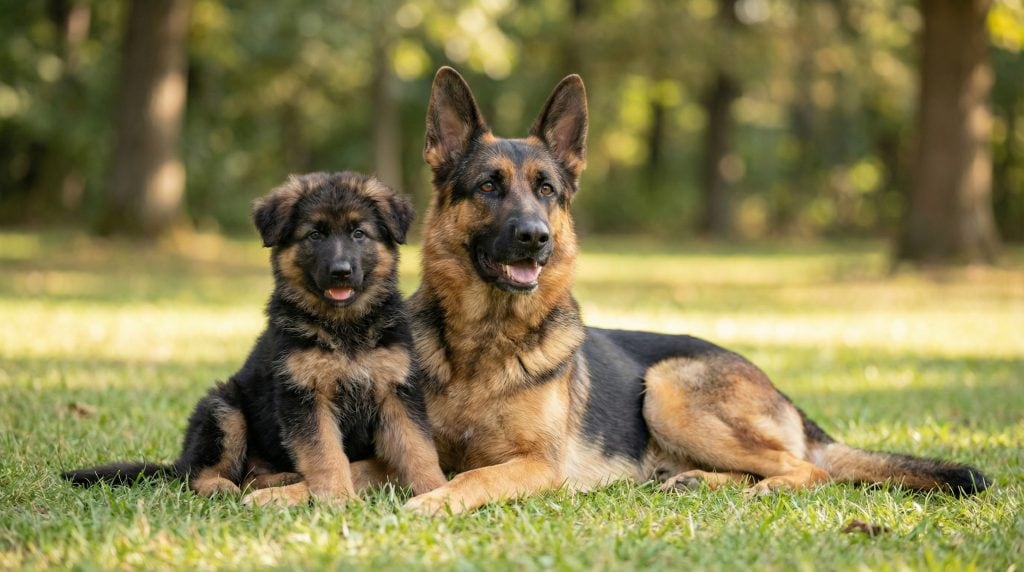
Living with a German Shepherd often means sharing your space with a watchful and attentive companion who prefers to stay closely connected to their people. They tend to do best in homes where their intelligence, energy, and strong working instincts are given regular outlets through activity, learning, and shared routines.
At a glance
Core care
- Size: Large
- Energy: High
- Grooming: Low
- Shedding: High
Support style
- Sensitivity: High
- Training style: Highly responsive
Breed guide
Choose a section to explore. These notes describe common patterns, but individual dogs vary widely.
The German Shepherd, originally bred for herding, has evolved into a versatile working breed known for its intelligence and loyalty. This history of working closely with humans is evident in their modern-day roles, from police and military work to being devoted family companions. Their strong work ethic and eagerness to learn make them highly adaptable to various tasks and environments.
Physically, German Shepherds are large and athletic, which translates into a need for regular exercise to maintain their health and happiness. Their impressive stature and strength are balanced by a graceful agility, allowing them to excel in activities like agility courses and obedience trials. Owners often find that these dogs enjoy having a job to do, whether it’s fetching a ball or learning new commands.
In terms of temperament, German Shepherds are often described as confident and courageous. They tend to be protective of their family, which can make them excellent watchdogs. However, this protective nature means they require early socialisation to ensure they are well-adjusted around strangers and other animals. Owners frequently notice their sensitivity to their environment and their strong desire to please.
While German Shepherds have common traits, individual dogs can vary significantly. Factors such as genetics, upbringing, and environment all play a role in shaping each dog’s personality. Prospective owners should be prepared for the commitment of meeting their physical and mental needs, while also appreciating the unique personality of their individual dog.
Living with a German Shepherd often means having a constant companion by your side, as they tend to form deep bonds with their families. This breed’s social nature stems from their history as herding dogs, where cooperation with humans was essential. Owners typically notice their dog’s desire to be involved in family activities, whether it’s a walk in the park or a quiet evening at home.
German Shepherds are known for their intelligence and trainability, which often makes them eager learners. Their high sensitivity means they respond well to positive reinforcement and consistent training methods. This sensitivity can also mean they pick up on household dynamics and emotions, sometimes mirroring the mood of their owners.
Their protective instincts are a notable trait, making them excellent guardians. However, this can sometimes lead to overprotectiveness if not managed with proper socialisation and training. Owners often find that early exposure to a variety of people, pets, and environments helps their German Shepherd develop a balanced temperament.
While these tendencies are common, each German Shepherd is an individual. Variations in temperament can be influenced by factors such as upbringing, social experiences, and individual personality. Understanding these nuances helps owners appreciate the unique qualities of their dog, while also recognising the importance of tailored training and socialisation.
A typical day for a German Shepherd involves a good mix of physical activity and mental stimulation to keep them content. With their high energy levels, they benefit from daily walks, runs, or play sessions that allow them to expend energy. Activities like fetch, frisbee, or agility training can be particularly enjoyable for them.
Mental enrichment is equally important, as their intelligence requires regular challenges to stay engaged. Puzzle toys, obedience training, and learning new tricks can provide the mental workout they need. Owners often find that these activities not only keep their German Shepherd mentally sharp but also strengthen the bond between dog and owner.
It’s important to adjust exercise routines as German Shepherds age. While puppies and young adults may thrive on high-energy activities, older dogs might prefer gentler walks and low-impact play. Monitoring their physical condition and adapting activities accordingly helps maintain their health and wellbeing throughout their life stages.
Avoiding excessive physical exertion, especially in very young or older dogs, is crucial to prevent injury. Each German Shepherd’s exercise needs can vary, so it’s essential to tailor their routine to their individual energy levels and health status. This approach ensures they remain happy and healthy companions.
Training a German Shepherd often feels like working with a highly motivated student eager to learn. Their responsiveness to training is rooted in their intelligence and desire to please, making them quick learners when positive reinforcement techniques are used. Owners often find that consistency and patience are key to successful training.
Impulse control can be a challenge, particularly during adolescence when their energy levels are high. Structured training sessions focusing on self-control and obedience can help manage these tendencies. Incorporating games and activities that require focus and discipline can also be beneficial.
Building a strong relationship based on trust and respect is crucial for training success. German Shepherds respond well to handlers who are calm and clear in their commands. This breed thrives in environments where they understand their role and expectations, which can be achieved through consistent training routines.
While many German Shepherds excel in training, individual differences mean that some may require more time or different approaches. Understanding each dog’s unique personality and adapting training methods accordingly helps ensure a positive and effective training experience.
German Shepherds tend to thrive in environments where they have space to move and opportunities for regular exercise. Homes with secure gardens or access to outdoor spaces suit their active nature well. However, they can also adapt to apartment living if their exercise needs are consistently met.
Families often find that German Shepherds integrate well into their homes, forming strong bonds with both adults and children. Their protective instincts can be an asset in family settings, though early socialisation is important to ensure they are comfortable with visitors and other pets.
Living with other animals can be harmonious, especially if the German Shepherd is introduced to them at a young age. Their herding background means they may try to herd other pets, so supervision and training are key to managing interactions.
Ultimately, the best home for a German Shepherd is one where their physical, mental, and social needs are met. Owners should be prepared for the commitment of providing regular exercise, training, and companionship to ensure a happy and healthy life for their dog.
Maintaining a German Shepherd’s health is crucial for their overall wellbeing and quality of life. Common health considerations include hip and elbow dysplasia, which can affect mobility and comfort. Regular veterinary check-ups and maintaining a healthy weight can help manage these conditions.
Their high energy levels mean they require a balanced diet to support their activity and maintain optimal health. Owners often find that feeding a diet appropriate for their age and activity level helps prevent obesity and related health issues.
Preventive care, such as vaccinations, flea and tick control, and dental hygiene, plays a significant role in keeping German Shepherds healthy. Routine checks for any signs of discomfort or illness are important, as their sensitivity can sometimes mask underlying issues.
While German Shepherds are generally robust dogs, individual health can vary. Being attentive to changes in behaviour or physical condition and seeking veterinary advice when needed ensures they receive the care they require. This proactive approach helps maintain their health and happiness.
The German Shepherd’s origins trace back to late 19th-century Germany, where they were developed as herding dogs. Their role required intelligence, strength, and a strong work ethic, traits that are still evident in the breed today. The breed’s founder, Max von Stephanitz, aimed to create a versatile working dog, which led to the German Shepherd’s use in various roles beyond herding.
As the breed evolved, their capabilities were recognised in fields such as police and military work, search and rescue, and assistance roles. This versatility is a testament to their intelligence and adaptability, making them one of the most popular working breeds worldwide.
The German Shepherd’s history of working closely with humans explains their strong loyalty and protective nature. These traits, combined with their trainability, make them well-suited to both professional work and family life. Owners often appreciate their dog’s ability to learn quickly and their eagerness to please.
Understanding the breed’s history helps explain modern traits that owners observe, such as their need for mental and physical stimulation and their strong bond with their families. This historical context provides valuable insight into the breed’s behaviour and needs, helping owners provide the best environment for their German Shepherd.
What shapes individual dogs
- Early social experiences
- Training approach
- Environment & routine
- Genetics & breeding
- Health & pain
- Age / life stage
The German Shepherd, originally bred for herding, has evolved into a versatile working breed known for its intelligence and loyalty. This history of working closely with humans is evident in their modern-day roles, from police and military work to being devoted family companions. Their strong work ethic and eagerness to learn make them highly adaptable to various tasks and environments.
Physically, German Shepherds are large and athletic, which translates into a need for regular exercise to maintain their health and happiness. Their impressive stature and strength are balanced by a graceful agility, allowing them to excel in activities like agility courses and obedience trials. Owners often find that these dogs enjoy having a job to do, whether it’s fetching a ball or learning new commands.
In terms of temperament, German Shepherds are often described as confident and courageous. They tend to be protective of their family, which can make them excellent watchdogs. However, this protective nature means they require early socialisation to ensure they are well-adjusted around strangers and other animals. Owners frequently notice their sensitivity to their environment and their strong desire to please.
While German Shepherds have common traits, individual dogs can vary significantly. Factors such as genetics, upbringing, and environment all play a role in shaping each dog’s personality. Prospective owners should be prepared for the commitment of meeting their physical and mental needs, while also appreciating the unique personality of their individual dog.
Living with a German Shepherd often means having a constant companion by your side, as they tend to form deep bonds with their families. This breed’s social nature stems from their history as herding dogs, where cooperation with humans was essential. Owners typically notice their dog’s desire to be involved in family activities, whether it’s a walk in the park or a quiet evening at home.
German Shepherds are known for their intelligence and trainability, which often makes them eager learners. Their high sensitivity means they respond well to positive reinforcement and consistent training methods. This sensitivity can also mean they pick up on household dynamics and emotions, sometimes mirroring the mood of their owners.
Their protective instincts are a notable trait, making them excellent guardians. However, this can sometimes lead to overprotectiveness if not managed with proper socialisation and training. Owners often find that early exposure to a variety of people, pets, and environments helps their German Shepherd develop a balanced temperament.
While these tendencies are common, each German Shepherd is an individual. Variations in temperament can be influenced by factors such as upbringing, social experiences, and individual personality. Understanding these nuances helps owners appreciate the unique qualities of their dog, while also recognising the importance of tailored training and socialisation.
A typical day for a German Shepherd involves a good mix of physical activity and mental stimulation to keep them content. With their high energy levels, they benefit from daily walks, runs, or play sessions that allow them to expend energy. Activities like fetch, frisbee, or agility training can be particularly enjoyable for them.
Mental enrichment is equally important, as their intelligence requires regular challenges to stay engaged. Puzzle toys, obedience training, and learning new tricks can provide the mental workout they need. Owners often find that these activities not only keep their German Shepherd mentally sharp but also strengthen the bond between dog and owner.
It’s important to adjust exercise routines as German Shepherds age. While puppies and young adults may thrive on high-energy activities, older dogs might prefer gentler walks and low-impact play. Monitoring their physical condition and adapting activities accordingly helps maintain their health and wellbeing throughout their life stages.
Avoiding excessive physical exertion, especially in very young or older dogs, is crucial to prevent injury. Each German Shepherd’s exercise needs can vary, so it’s essential to tailor their routine to their individual energy levels and health status. This approach ensures they remain happy and healthy companions.
Training a German Shepherd often feels like working with a highly motivated student eager to learn. Their responsiveness to training is rooted in their intelligence and desire to please, making them quick learners when positive reinforcement techniques are used. Owners often find that consistency and patience are key to successful training.
Impulse control can be a challenge, particularly during adolescence when their energy levels are high. Structured training sessions focusing on self-control and obedience can help manage these tendencies. Incorporating games and activities that require focus and discipline can also be beneficial.
Building a strong relationship based on trust and respect is crucial for training success. German Shepherds respond well to handlers who are calm and clear in their commands. This breed thrives in environments where they understand their role and expectations, which can be achieved through consistent training routines.
While many German Shepherds excel in training, individual differences mean that some may require more time or different approaches. Understanding each dog’s unique personality and adapting training methods accordingly helps ensure a positive and effective training experience.
German Shepherds tend to thrive in environments where they have space to move and opportunities for regular exercise. Homes with secure gardens or access to outdoor spaces suit their active nature well. However, they can also adapt to apartment living if their exercise needs are consistently met.
Families often find that German Shepherds integrate well into their homes, forming strong bonds with both adults and children. Their protective instincts can be an asset in family settings, though early socialisation is important to ensure they are comfortable with visitors and other pets.
Living with other animals can be harmonious, especially if the German Shepherd is introduced to them at a young age. Their herding background means they may try to herd other pets, so supervision and training are key to managing interactions.
Ultimately, the best home for a German Shepherd is one where their physical, mental, and social needs are met. Owners should be prepared for the commitment of providing regular exercise, training, and companionship to ensure a happy and healthy life for their dog.
Maintaining a German Shepherd’s health is crucial for their overall wellbeing and quality of life. Common health considerations include hip and elbow dysplasia, which can affect mobility and comfort. Regular veterinary check-ups and maintaining a healthy weight can help manage these conditions.
Their high energy levels mean they require a balanced diet to support their activity and maintain optimal health. Owners often find that feeding a diet appropriate for their age and activity level helps prevent obesity and related health issues.
Preventive care, such as vaccinations, flea and tick control, and dental hygiene, plays a significant role in keeping German Shepherds healthy. Routine checks for any signs of discomfort or illness are important, as their sensitivity can sometimes mask underlying issues.
While German Shepherds are generally robust dogs, individual health can vary. Being attentive to changes in behaviour or physical condition and seeking veterinary advice when needed ensures they receive the care they require. This proactive approach helps maintain their health and happiness.
The German Shepherd’s origins trace back to late 19th-century Germany, where they were developed as herding dogs. Their role required intelligence, strength, and a strong work ethic, traits that are still evident in the breed today. The breed’s founder, Max von Stephanitz, aimed to create a versatile working dog, which led to the German Shepherd’s use in various roles beyond herding.
As the breed evolved, their capabilities were recognised in fields such as police and military work, search and rescue, and assistance roles. This versatility is a testament to their intelligence and adaptability, making them one of the most popular working breeds worldwide.
The German Shepherd’s history of working closely with humans explains their strong loyalty and protective nature. These traits, combined with their trainability, make them well-suited to both professional work and family life. Owners often appreciate their dog’s ability to learn quickly and their eagerness to please.
Understanding the breed’s history helps explain modern traits that owners observe, such as their need for mental and physical stimulation and their strong bond with their families. This historical context provides valuable insight into the breed’s behaviour and needs, helping owners provide the best environment for their German Shepherd.
What shapes individual dogs
- Early social experiences
- Training approach
- Environment & routine
- Genetics & breeding
- Health & pain
- Age / life stage
Want support with this?
This course is relevant for German Shepherd owners to better understand their dog's complex temperament and behavioural nuances.