
Dutch Shepherd
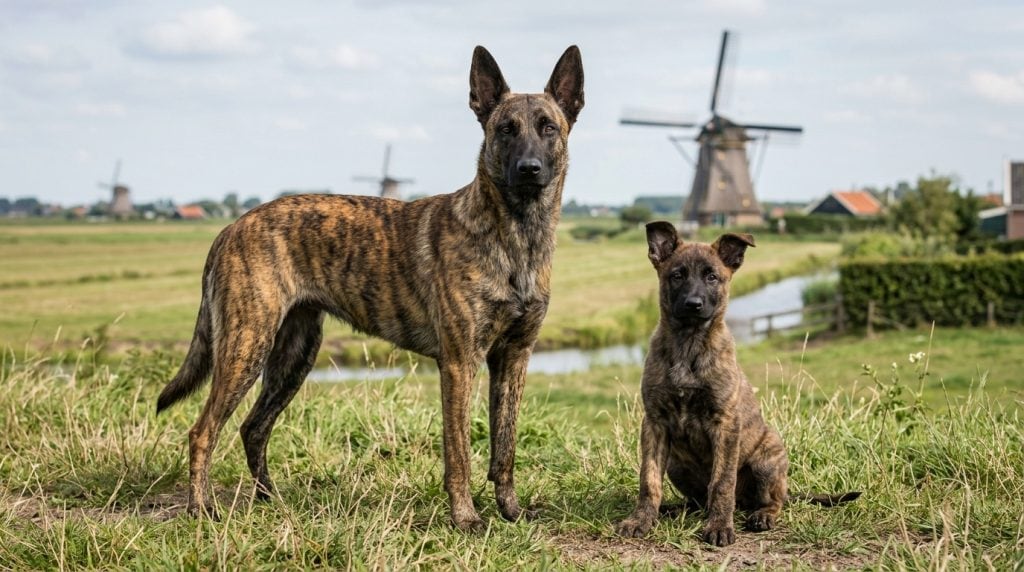
Living with a Dutch Shepherd often means sharing your home with a dog that is both attentive and eager to engage. These dogs are known for their sharp intelligence and strong desire to be part of family activities, making them both loyal companions and vigilant guardians. Their energy and enthusiasm for life are balanced by a deep sensitivity to their environment and the people around them.
At a glance
Core care
- Size: Medium
- Energy: High
- Grooming: Low
- Shedding: Moderate
Support style
- Sensitivity: High
- Training style: Willing
Breed guide
Choose a section to explore. These notes describe common patterns, but individual dogs vary widely.
The Dutch Shepherd has its roots in the Netherlands, where it was originally bred for herding sheep and protecting farms. This working background is still evident in the breed’s modern-day characteristics, as they often display a strong work ethic and a keen sense of duty. Many Dutch Shepherds thrive when given a job to do, whether that’s participating in agility sports, obedience training, or simply being a reliable family companion.
Physically, the Dutch Shepherd is a medium-sized dog with a well-muscled body, which is a testament to its working heritage. Their coat can be short, long, or rough, each type requiring different grooming routines. Owners often note the breed’s striking brindle pattern, which adds to their unique appearance. Despite their robust build, they are agile and quick, traits that serve them well in various canine sports and activities.
In terms of temperament, the Dutch Shepherd is known for its intelligence and willingness to learn. They are often described as being both independent and cooperative, a combination that can make them both challenging and rewarding to train. Their high sensitivity means they respond well to positive reinforcement and thrive in environments where they feel secure and valued. While they are generally friendly, they can be reserved with strangers, a trait that reflects their protective instincts.
Prospective owners should be prepared for a dog that requires both mental and physical stimulation. While they are adaptable, they do best in homes where they can be active participants in daily life. Like all breeds, individual Dutch Shepherds will vary in their behaviour and needs, influenced by their genetics, upbringing, and environment. Understanding these nuances is key to fostering a healthy and happy relationship with this dynamic breed.
Dutch Shepherds are often described as having a social nature that is both engaging and attentive. They tend to form strong bonds with their families, often displaying a loyalty that is both endearing and steadfast. This social inclination means they usually enjoy being involved in family activities, whether that’s a walk in the park or a quiet evening at home.
Their behavioural tendencies are often rooted in their herding background, which can manifest as a keen alertness and a desire to keep an eye on their surroundings. Many owners notice that their Dutch Shepherds are quick to notice changes in their environment, a trait that can be both a blessing and a challenge. This sensitivity means they can be particularly responsive to their owner’s moods and actions, making them excellent companions for those who appreciate a dog that seems to understand them.
Trainability is a hallmark of the breed, with many Dutch Shepherds eager to learn and please. Their intelligence means they often pick up new commands quickly, but it also means they require consistent and thoughtful training to keep them engaged. Owners often find that a positive, reward-based approach works best, as these dogs are sensitive to harsh corrections and thrive on encouragement and praise.
While Dutch Shepherds are generally friendly, they can be reserved around strangers, reflecting their protective instincts. This tendency means early socialisation is important to ensure they grow into well-rounded adults. Every Dutch Shepherd is an individual, and while they share common traits, their personalities can vary widely. Understanding and embracing these differences is key to building a strong and lasting bond with this remarkable breed.
A typical day for a Dutch Shepherd often involves a good amount of physical activity, reflecting their high energy levels. Owners frequently find that their dogs thrive on a mix of walks, play sessions, and more structured activities like agility or obedience training. These dogs are not just physically active; they also enjoy mental challenges, which can be met through puzzle toys or learning new tricks.
Given their herding background, Dutch Shepherds often enjoy activities that involve problem-solving or tasks that mimic their original work. This could be as simple as a game of fetch with a twist, where they have to find the ball hidden in the garden, or more complex tasks like scent work. It’s important to vary their activities to keep them mentally stimulated and prevent boredom.
As they age, the exercise needs of a Dutch Shepherd may change. While young dogs might require more intense physical activity, older dogs might benefit from gentler exercises and more mental enrichment. Owners often find that adjusting the routine to suit their dog’s life stage helps maintain their overall wellbeing and happiness.
It’s also important to note that while Dutch Shepherds enjoy being active, they also need time to rest and recharge. Over-exercising can lead to stress and anxiety, so it’s crucial to find a balance that suits the individual dog. By observing their dog’s behaviour and energy levels, owners can tailor activities to best meet their needs, ensuring a healthy and contented companion.
Training a Dutch Shepherd often feels like working with a highly intelligent and eager partner. These dogs are known for their willingness to learn and their ability to pick up new commands quickly. Owners often find that training sessions are most successful when they are engaging and varied, keeping the dog’s interest piqued.
Positive reinforcement is key when training this breed. Dutch Shepherds respond well to praise, treats, and play, which can be used to reinforce desired behaviours. Consistency is important, as these dogs thrive on routine and clear expectations. Many owners find that establishing a strong relationship based on trust and mutual respect is crucial for successful training.
Adolescence can be a challenging time for Dutch Shepherds, as with many breeds. During this stage, they may test boundaries and exhibit more independent behaviour. Patience and understanding are essential, as is maintaining the training routine. Owners often find that continuing to engage their dogs in activities that challenge both their minds and bodies helps navigate this period successfully.
Ultimately, training a Dutch Shepherd is about building a partnership. By understanding their needs and motivations, owners can create an environment where their dog feels valued and understood. This approach not only supports effective training but also strengthens the bond between dog and owner, leading to a harmonious and fulfilling relationship.
Dutch Shepherds tend to thrive in environments where they can be active participants in daily life. Homes with access to outdoor space are often ideal, allowing these energetic dogs to stretch their legs and explore. However, they can also adapt to urban living if provided with sufficient exercise and mental stimulation.
Many owners find that Dutch Shepherds do well in families where they can be involved in activities and routines. They often enjoy the company of children, although their herding instincts may lead them to try and ‘herd’ young ones. Supervision and early training can help manage this behaviour, ensuring a harmonious relationship within the family.
When it comes to other pets, Dutch Shepherds can be sociable, but introductions should be managed carefully. Their protective nature means they may be wary of unfamiliar animals, but with proper socialisation, they can learn to coexist peacefully. It’s important to remember that each dog is an individual, and their ability to live with other pets will vary.
Ultimately, the Dutch Shepherd is a versatile breed that can adapt to a range of living situations, provided their needs for exercise and companionship are met. Prospective owners should consider whether they can provide the time, space, and engagement this breed requires to thrive.
The health of a Dutch Shepherd is closely tied to their overall wellbeing and quality of life. Like many breeds, they can be prone to certain health issues, but with proper care and attention, they can lead long, healthy lives. Regular veterinary check-ups are important to monitor their health and catch any potential issues early.
Common health concerns for Dutch Shepherds include hip dysplasia and certain eye conditions. Maintaining a healthy weight through proper diet and exercise can help mitigate some of these risks. Owners often find that a balanced diet tailored to their dog’s age, size, and activity level supports their overall health.
Preventive care is crucial in maintaining the health of a Dutch Shepherd. This includes regular vaccinations, parasite control, and dental care. Many owners also find value in learning basic canine first aid, which can be invaluable in managing minor injuries or emergencies before professional help is available.
It’s important for owners to be observant of changes in their dog’s behaviour or physical condition, as these can often be early indicators of health issues. By staying informed and proactive, owners can ensure their Dutch Shepherd remains healthy and happy, enjoying a full and active life.
The Dutch Shepherd originated in the Netherlands, where it was developed as a versatile farm dog. Its primary role was herding sheep, but it also served as a general farmhand, performing tasks such as guarding livestock and pulling carts. This multi-functional role required a dog that was intelligent, agile, and adaptable, traits that are still evident in the breed today.
During the late 19th and early 20th centuries, the breed faced challenges due to changes in farming practices and the introduction of modern machinery, which reduced the need for traditional herding dogs. Despite these challenges, the Dutch Shepherd managed to survive, thanks in part to its versatility and the dedication of breed enthusiasts who recognised its value.
The breed’s working origins have left a lasting impact on its modern-day characteristics. Dutch Shepherds are known for their intelligence, trainability, and strong work ethic, all of which can be traced back to their history as working dogs. These traits make them well-suited for a variety of roles today, from family companions to service and police dogs.
Understanding the history of the Dutch Shepherd helps explain many of the breed’s contemporary traits. Their alertness, loyalty, and eagerness to work are not just random characteristics but are deeply rooted in their past. This historical context provides valuable insight into what makes the Dutch Shepherd the unique and dynamic breed it is today.
What shapes individual dogs
- Early social experiences
- Training approach
- Environment & routine
- Genetics & breeding
- Health & pain
- Age / life stage
The Dutch Shepherd has its roots in the Netherlands, where it was originally bred for herding sheep and protecting farms. This working background is still evident in the breed’s modern-day characteristics, as they often display a strong work ethic and a keen sense of duty. Many Dutch Shepherds thrive when given a job to do, whether that’s participating in agility sports, obedience training, or simply being a reliable family companion.
Physically, the Dutch Shepherd is a medium-sized dog with a well-muscled body, which is a testament to its working heritage. Their coat can be short, long, or rough, each type requiring different grooming routines. Owners often note the breed’s striking brindle pattern, which adds to their unique appearance. Despite their robust build, they are agile and quick, traits that serve them well in various canine sports and activities.
In terms of temperament, the Dutch Shepherd is known for its intelligence and willingness to learn. They are often described as being both independent and cooperative, a combination that can make them both challenging and rewarding to train. Their high sensitivity means they respond well to positive reinforcement and thrive in environments where they feel secure and valued. While they are generally friendly, they can be reserved with strangers, a trait that reflects their protective instincts.
Prospective owners should be prepared for a dog that requires both mental and physical stimulation. While they are adaptable, they do best in homes where they can be active participants in daily life. Like all breeds, individual Dutch Shepherds will vary in their behaviour and needs, influenced by their genetics, upbringing, and environment. Understanding these nuances is key to fostering a healthy and happy relationship with this dynamic breed.
Dutch Shepherds are often described as having a social nature that is both engaging and attentive. They tend to form strong bonds with their families, often displaying a loyalty that is both endearing and steadfast. This social inclination means they usually enjoy being involved in family activities, whether that’s a walk in the park or a quiet evening at home.
Their behavioural tendencies are often rooted in their herding background, which can manifest as a keen alertness and a desire to keep an eye on their surroundings. Many owners notice that their Dutch Shepherds are quick to notice changes in their environment, a trait that can be both a blessing and a challenge. This sensitivity means they can be particularly responsive to their owner’s moods and actions, making them excellent companions for those who appreciate a dog that seems to understand them.
Trainability is a hallmark of the breed, with many Dutch Shepherds eager to learn and please. Their intelligence means they often pick up new commands quickly, but it also means they require consistent and thoughtful training to keep them engaged. Owners often find that a positive, reward-based approach works best, as these dogs are sensitive to harsh corrections and thrive on encouragement and praise.
While Dutch Shepherds are generally friendly, they can be reserved around strangers, reflecting their protective instincts. This tendency means early socialisation is important to ensure they grow into well-rounded adults. Every Dutch Shepherd is an individual, and while they share common traits, their personalities can vary widely. Understanding and embracing these differences is key to building a strong and lasting bond with this remarkable breed.
A typical day for a Dutch Shepherd often involves a good amount of physical activity, reflecting their high energy levels. Owners frequently find that their dogs thrive on a mix of walks, play sessions, and more structured activities like agility or obedience training. These dogs are not just physically active; they also enjoy mental challenges, which can be met through puzzle toys or learning new tricks.
Given their herding background, Dutch Shepherds often enjoy activities that involve problem-solving or tasks that mimic their original work. This could be as simple as a game of fetch with a twist, where they have to find the ball hidden in the garden, or more complex tasks like scent work. It’s important to vary their activities to keep them mentally stimulated and prevent boredom.
As they age, the exercise needs of a Dutch Shepherd may change. While young dogs might require more intense physical activity, older dogs might benefit from gentler exercises and more mental enrichment. Owners often find that adjusting the routine to suit their dog’s life stage helps maintain their overall wellbeing and happiness.
It’s also important to note that while Dutch Shepherds enjoy being active, they also need time to rest and recharge. Over-exercising can lead to stress and anxiety, so it’s crucial to find a balance that suits the individual dog. By observing their dog’s behaviour and energy levels, owners can tailor activities to best meet their needs, ensuring a healthy and contented companion.
Training a Dutch Shepherd often feels like working with a highly intelligent and eager partner. These dogs are known for their willingness to learn and their ability to pick up new commands quickly. Owners often find that training sessions are most successful when they are engaging and varied, keeping the dog’s interest piqued.
Positive reinforcement is key when training this breed. Dutch Shepherds respond well to praise, treats, and play, which can be used to reinforce desired behaviours. Consistency is important, as these dogs thrive on routine and clear expectations. Many owners find that establishing a strong relationship based on trust and mutual respect is crucial for successful training.
Adolescence can be a challenging time for Dutch Shepherds, as with many breeds. During this stage, they may test boundaries and exhibit more independent behaviour. Patience and understanding are essential, as is maintaining the training routine. Owners often find that continuing to engage their dogs in activities that challenge both their minds and bodies helps navigate this period successfully.
Ultimately, training a Dutch Shepherd is about building a partnership. By understanding their needs and motivations, owners can create an environment where their dog feels valued and understood. This approach not only supports effective training but also strengthens the bond between dog and owner, leading to a harmonious and fulfilling relationship.
Dutch Shepherds tend to thrive in environments where they can be active participants in daily life. Homes with access to outdoor space are often ideal, allowing these energetic dogs to stretch their legs and explore. However, they can also adapt to urban living if provided with sufficient exercise and mental stimulation.
Many owners find that Dutch Shepherds do well in families where they can be involved in activities and routines. They often enjoy the company of children, although their herding instincts may lead them to try and ‘herd’ young ones. Supervision and early training can help manage this behaviour, ensuring a harmonious relationship within the family.
When it comes to other pets, Dutch Shepherds can be sociable, but introductions should be managed carefully. Their protective nature means they may be wary of unfamiliar animals, but with proper socialisation, they can learn to coexist peacefully. It’s important to remember that each dog is an individual, and their ability to live with other pets will vary.
Ultimately, the Dutch Shepherd is a versatile breed that can adapt to a range of living situations, provided their needs for exercise and companionship are met. Prospective owners should consider whether they can provide the time, space, and engagement this breed requires to thrive.
The health of a Dutch Shepherd is closely tied to their overall wellbeing and quality of life. Like many breeds, they can be prone to certain health issues, but with proper care and attention, they can lead long, healthy lives. Regular veterinary check-ups are important to monitor their health and catch any potential issues early.
Common health concerns for Dutch Shepherds include hip dysplasia and certain eye conditions. Maintaining a healthy weight through proper diet and exercise can help mitigate some of these risks. Owners often find that a balanced diet tailored to their dog’s age, size, and activity level supports their overall health.
Preventive care is crucial in maintaining the health of a Dutch Shepherd. This includes regular vaccinations, parasite control, and dental care. Many owners also find value in learning basic canine first aid, which can be invaluable in managing minor injuries or emergencies before professional help is available.
It’s important for owners to be observant of changes in their dog’s behaviour or physical condition, as these can often be early indicators of health issues. By staying informed and proactive, owners can ensure their Dutch Shepherd remains healthy and happy, enjoying a full and active life.
The Dutch Shepherd originated in the Netherlands, where it was developed as a versatile farm dog. Its primary role was herding sheep, but it also served as a general farmhand, performing tasks such as guarding livestock and pulling carts. This multi-functional role required a dog that was intelligent, agile, and adaptable, traits that are still evident in the breed today.
During the late 19th and early 20th centuries, the breed faced challenges due to changes in farming practices and the introduction of modern machinery, which reduced the need for traditional herding dogs. Despite these challenges, the Dutch Shepherd managed to survive, thanks in part to its versatility and the dedication of breed enthusiasts who recognised its value.
The breed’s working origins have left a lasting impact on its modern-day characteristics. Dutch Shepherds are known for their intelligence, trainability, and strong work ethic, all of which can be traced back to their history as working dogs. These traits make them well-suited for a variety of roles today, from family companions to service and police dogs.
Understanding the history of the Dutch Shepherd helps explain many of the breed’s contemporary traits. Their alertness, loyalty, and eagerness to work are not just random characteristics but are deeply rooted in their past. This historical context provides valuable insight into what makes the Dutch Shepherd the unique and dynamic breed it is today.
What shapes individual dogs
- Early social experiences
- Training approach
- Environment & routine
- Genetics & breeding
- Health & pain
- Age / life stage
Want support with this?
This course is ideal for understanding the complex temperament and high sensitivity of the Dutch Shepherd.