
Basset Hound
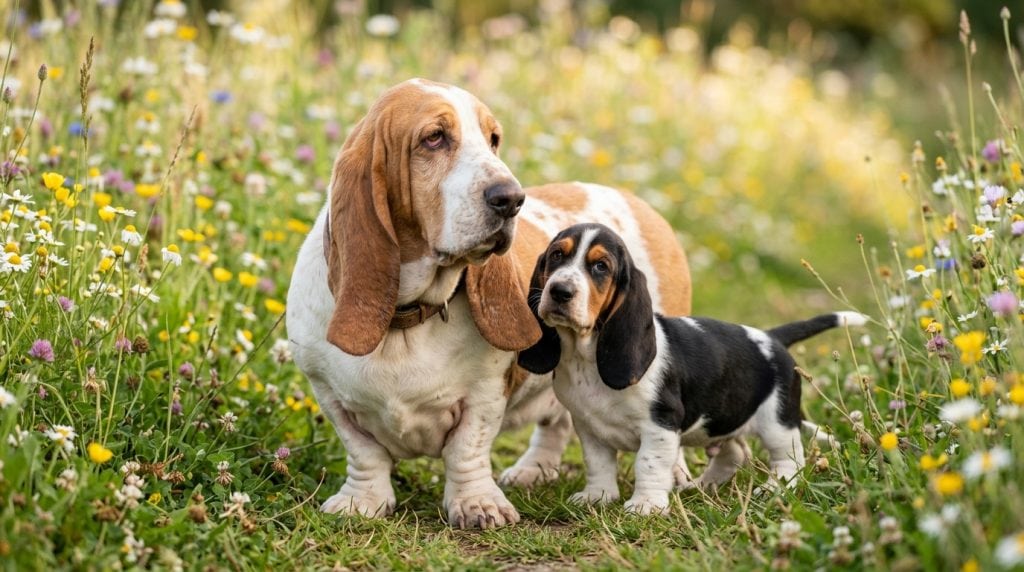
Living with a Basset Hound often means sharing your space with a dog that has a distinctive, laid-back charm. Their soulful eyes and long ears give them an unmistakable presence, and they tend to move through life at their own pace. Many owners appreciate their gentle nature and the way they seem to take everything in stride, making them a comforting companion in a busy household.
At a glance
Core care
- Size: Medium
- Energy: Moderate
- Grooming: Low
- Shedding: Moderate
Support style
- Sensitivity: Moderate
- Training style: Independent
Breed guide
Choose a section to explore. These notes describe common patterns, but individual dogs vary widely.
Basset Hounds are widely recognised for their calm demeanour and their tendency to explore the world through their noses. Many owners quickly notice how these dogs move through their surroundings at a steady pace, often pausing to investigate interesting scents along the way. This scent-driven curiosity reflects generations of breeding as tracking hounds.
Physically, Basset Hounds are known for their distinctive appearance, characterised by their long ears, droopy eyes, and low-slung bodies. These features are not just for show; their long ears help stir up scents from the ground, while their loose skin captures scent particles. In everyday life, this means they may require regular ear cleaning to prevent infections and some extra care when navigating stairs or uneven terrain due to their unique build.
Temperamentally, Basset Hounds are typically gentle and affectionate, often forming strong bonds with their families. They are known for their patient and tolerant nature, which can make them good companions for children. However, their independent streak, a remnant of their working past, can sometimes be mistaken for stubbornness. This independence means they may not always come when called, especially if they’re engrossed in an interesting scent.
It’s important for potential owners to understand that while Basset Hounds share common traits, individual personalities can vary. Some may be more sociable, while others might prefer a quieter life. Their independent nature requires a patient approach to training, and their health needs, particularly regarding their ears and joints, should be considered. Understanding these nuances helps in appreciating the unique qualities of living with a Basset Hound.
Basset Hounds are often described as sociable and easy-going, making them a popular choice for families. Their gentle nature means they typically get along well with children and other pets, often showing patience and tolerance. This social disposition stems from their history as pack animals, where cooperation and companionship were essential. In a home setting, this can translate to a dog that enjoys being part of family activities, whether it’s lounging around during a movie night or joining in on a leisurely walk.
Despite their sociable nature, Basset Hounds are known for their independent streak. This independence is a hallmark of their breed, reflecting their origins as scent hounds that needed to work autonomously. Owners often notice that their Basset may choose to follow their own interests, especially if a particularly intriguing scent catches their attention. This can sometimes be mistaken for stubbornness, but it’s more about their innate curiosity and determination.
Their moderate sensitivity means that while they are generally adaptable, they can be somewhat affected by changes in their environment or routine. Loud noises or sudden changes might cause some Bassets to become a bit anxious, though they usually adjust with time and reassurance from their owners. Understanding this sensitivity can help in providing a stable and comforting environment, which they thrive in.
Training a Basset Hound requires patience and consistency, given their independent nature. Positive reinforcement works well, as they respond better to encouragement than to harsh corrections. While they may not be the quickest learners, their affectionate nature and desire to please their owners can lead to successful training outcomes with time and dedication. Recognising these temperament tendencies helps in building a harmonious relationship with a Basset Hound.
A typical day for a Basset Hound involves a balance of moderate exercise and plenty of relaxation. While they are not high-energy dogs, they do enjoy regular walks, which allow them to explore their environment and satisfy their keen sense of smell. A couple of leisurely walks each day, combined with some playtime in a secure area, usually suffice to keep them content and healthy.
Mental enrichment is equally important for Basset Hounds. Their strong scenting ability means they thrive on activities that engage their noses. Scent games, like hiding treats around the house or garden for them to find, can be particularly rewarding. These activities not only provide mental stimulation but also help satisfy their natural instincts, making for a happier dog.
As Basset Hounds age, their exercise needs may decrease, but maintaining a routine is beneficial for their physical and mental well-being. It’s important to monitor their weight, as their low-slung bodies can be prone to joint issues if they become overweight. Gentle walks and low-impact activities are ideal for older Bassets, ensuring they stay active without putting undue strain on their bodies.
Owners should be mindful of the Basset’s tendency to follow scents, which can lead them astray if not supervised. A secure garden or a lead during walks is advisable to prevent any unplanned adventures. By understanding their moderate energy levels and providing appropriate exercise and enrichment, owners can ensure their Basset Hound remains healthy and content throughout their life.
Training a Basset Hound often feels like a test of patience and creativity. Their independent nature means they may not always respond immediately to commands, especially if something more interesting has captured their attention. However, with a gentle approach and plenty of positive reinforcement, many owners find success in training their Bassets.
Given their scent-driven focus, incorporating scent-based activities into training can be particularly effective. Using treats or toys that engage their sense of smell can help maintain their interest and make training sessions more enjoyable for both dog and owner. Consistency is key, as is keeping sessions short and engaging to prevent boredom.
Adolescence can be a challenging time for Basset Hounds, as their independent streak might become more pronounced. During this stage, maintaining a routine and reinforcing basic commands is crucial. It’s also a good time to enrol in a course like “Puppy Beginnings: Building a Calm Start” to support their development and ensure they grow into well-mannered adults.
Building a strong relationship based on trust and mutual respect is essential when training a Basset Hound. They respond best to a calm and consistent approach, where they feel understood and valued. By focusing on positive interactions and celebrating small victories, owners can foster a positive training experience that strengthens their bond with their Basset.
Basset Hounds tend to fit well into a variety of home environments, provided their needs are met. They are adaptable dogs that can thrive in both urban and rural settings, as long as they have access to regular walks and a secure area to explore. Their moderate energy levels mean they don’t require vast amounts of space, making them suitable for smaller homes or apartments.
Families often find Basset Hounds to be wonderful companions due to their gentle and patient nature. They generally get along well with children, enjoying the company and often displaying a tolerant attitude. However, it’s important to supervise interactions with young children to ensure play remains safe and respectful for both parties.
When it comes to living with other pets, Basset Hounds can be quite sociable. Their history as pack animals means they often enjoy the company of other dogs and can coexist peacefully with cats, provided introductions are handled carefully. As with any breed, early socialisation is beneficial in helping them adapt to a multi-pet household.
While Basset Hounds are adaptable, potential owners should consider their tendency to follow scents, which can lead them on unexpected adventures if not monitored. A secure garden and a commitment to regular walks are important to keep them safe and satisfied. By understanding their needs and temperament, owners can create a harmonious home environment that suits a Basset Hound’s lifestyle.
Basset Hounds’ health is closely tied to their everyday wellbeing, and understanding their specific needs can help ensure a happy, healthy life. One of the most common health considerations for this breed is their predisposition to ear infections due to their long, floppy ears. Regular ear cleaning and monitoring for signs of discomfort can help prevent issues before they arise.
Their unique body structure, characterised by a long back and short legs, can make them prone to joint and spinal issues. Maintaining a healthy weight is crucial to reduce strain on their joints, and providing a balanced diet and regular, gentle exercise can support their overall health. Owners should be mindful of activities that could put undue stress on their backs, such as jumping from heights.
Basset Hounds can also be prone to certain genetic conditions, such as hip dysplasia and eye disorders. Regular veterinary check-ups are important to monitor their health and catch any potential issues early. Preventive care, including vaccinations and parasite control, is essential to keep them protected from common canine illnesses.
If owners notice any changes in behaviour, such as reluctance to move or signs of pain, seeking veterinary advice is important. By staying informed about their health needs and providing proactive care, owners can help their Basset Hound lead a comfortable and fulfilling life.
The Basset Hound’s history is deeply rooted in France, where they were developed as scent hounds for hunting small game such as rabbits and hares. Their name, derived from the French word ‘bas,’ meaning low, reflects their short stature and ground-level tracking ability. This breed was favoured by French aristocrats for their exceptional scenting skills and ability to navigate dense underbrush.
Basset Hounds were bred to work in packs, which required them to be cooperative and sociable. This aspect of their history is still evident today in their friendly and tolerant nature, making them well-suited to family life. Their ability to work independently while maintaining a strong sense of camaraderie is a testament to their origins as hunting companions.
The breed’s development continued in England, where they were refined and gained popularity for their unique appearance and hunting prowess. Their distinctive long ears and droopy eyes were not just aesthetic choices but functional traits that enhanced their scent-tracking abilities. These features remain iconic and contribute to their charm and appeal.
Understanding the Basset Hound’s history provides insight into their modern-day traits. Their independent yet sociable nature, strong scenting ability, and distinctive appearance all hark back to their origins as skilled hunting dogs. This rich history helps explain why they are beloved companions today, cherished for their gentle temperament and endearing quirks.
What shapes individual dogs
- Early social experiences
- Training approach
- Environment & routine
- Genetics & breeding
- Health & pain
- Age / life stage
Basset Hounds are widely recognised for their calm demeanour and their tendency to explore the world through their noses. Many owners quickly notice how these dogs move through their surroundings at a steady pace, often pausing to investigate interesting scents along the way. This scent-driven curiosity reflects generations of breeding as tracking hounds.
Physically, Basset Hounds are known for their distinctive appearance, characterised by their long ears, droopy eyes, and low-slung bodies. These features are not just for show; their long ears help stir up scents from the ground, while their loose skin captures scent particles. In everyday life, this means they may require regular ear cleaning to prevent infections and some extra care when navigating stairs or uneven terrain due to their unique build.
Temperamentally, Basset Hounds are typically gentle and affectionate, often forming strong bonds with their families. They are known for their patient and tolerant nature, which can make them good companions for children. However, their independent streak, a remnant of their working past, can sometimes be mistaken for stubbornness. This independence means they may not always come when called, especially if they’re engrossed in an interesting scent.
It’s important for potential owners to understand that while Basset Hounds share common traits, individual personalities can vary. Some may be more sociable, while others might prefer a quieter life. Their independent nature requires a patient approach to training, and their health needs, particularly regarding their ears and joints, should be considered. Understanding these nuances helps in appreciating the unique qualities of living with a Basset Hound.
Basset Hounds are often described as sociable and easy-going, making them a popular choice for families. Their gentle nature means they typically get along well with children and other pets, often showing patience and tolerance. This social disposition stems from their history as pack animals, where cooperation and companionship were essential. In a home setting, this can translate to a dog that enjoys being part of family activities, whether it’s lounging around during a movie night or joining in on a leisurely walk.
Despite their sociable nature, Basset Hounds are known for their independent streak. This independence is a hallmark of their breed, reflecting their origins as scent hounds that needed to work autonomously. Owners often notice that their Basset may choose to follow their own interests, especially if a particularly intriguing scent catches their attention. This can sometimes be mistaken for stubbornness, but it’s more about their innate curiosity and determination.
Their moderate sensitivity means that while they are generally adaptable, they can be somewhat affected by changes in their environment or routine. Loud noises or sudden changes might cause some Bassets to become a bit anxious, though they usually adjust with time and reassurance from their owners. Understanding this sensitivity can help in providing a stable and comforting environment, which they thrive in.
Training a Basset Hound requires patience and consistency, given their independent nature. Positive reinforcement works well, as they respond better to encouragement than to harsh corrections. While they may not be the quickest learners, their affectionate nature and desire to please their owners can lead to successful training outcomes with time and dedication. Recognising these temperament tendencies helps in building a harmonious relationship with a Basset Hound.
A typical day for a Basset Hound involves a balance of moderate exercise and plenty of relaxation. While they are not high-energy dogs, they do enjoy regular walks, which allow them to explore their environment and satisfy their keen sense of smell. A couple of leisurely walks each day, combined with some playtime in a secure area, usually suffice to keep them content and healthy.
Mental enrichment is equally important for Basset Hounds. Their strong scenting ability means they thrive on activities that engage their noses. Scent games, like hiding treats around the house or garden for them to find, can be particularly rewarding. These activities not only provide mental stimulation but also help satisfy their natural instincts, making for a happier dog.
As Basset Hounds age, their exercise needs may decrease, but maintaining a routine is beneficial for their physical and mental well-being. It’s important to monitor their weight, as their low-slung bodies can be prone to joint issues if they become overweight. Gentle walks and low-impact activities are ideal for older Bassets, ensuring they stay active without putting undue strain on their bodies.
Owners should be mindful of the Basset’s tendency to follow scents, which can lead them astray if not supervised. A secure garden or a lead during walks is advisable to prevent any unplanned adventures. By understanding their moderate energy levels and providing appropriate exercise and enrichment, owners can ensure their Basset Hound remains healthy and content throughout their life.
Training a Basset Hound often feels like a test of patience and creativity. Their independent nature means they may not always respond immediately to commands, especially if something more interesting has captured their attention. However, with a gentle approach and plenty of positive reinforcement, many owners find success in training their Bassets.
Given their scent-driven focus, incorporating scent-based activities into training can be particularly effective. Using treats or toys that engage their sense of smell can help maintain their interest and make training sessions more enjoyable for both dog and owner. Consistency is key, as is keeping sessions short and engaging to prevent boredom.
Adolescence can be a challenging time for Basset Hounds, as their independent streak might become more pronounced. During this stage, maintaining a routine and reinforcing basic commands is crucial. It’s also a good time to enrol in a course like “Puppy Beginnings: Building a Calm Start” to support their development and ensure they grow into well-mannered adults.
Building a strong relationship based on trust and mutual respect is essential when training a Basset Hound. They respond best to a calm and consistent approach, where they feel understood and valued. By focusing on positive interactions and celebrating small victories, owners can foster a positive training experience that strengthens their bond with their Basset.
Basset Hounds tend to fit well into a variety of home environments, provided their needs are met. They are adaptable dogs that can thrive in both urban and rural settings, as long as they have access to regular walks and a secure area to explore. Their moderate energy levels mean they don’t require vast amounts of space, making them suitable for smaller homes or apartments.
Families often find Basset Hounds to be wonderful companions due to their gentle and patient nature. They generally get along well with children, enjoying the company and often displaying a tolerant attitude. However, it’s important to supervise interactions with young children to ensure play remains safe and respectful for both parties.
When it comes to living with other pets, Basset Hounds can be quite sociable. Their history as pack animals means they often enjoy the company of other dogs and can coexist peacefully with cats, provided introductions are handled carefully. As with any breed, early socialisation is beneficial in helping them adapt to a multi-pet household.
While Basset Hounds are adaptable, potential owners should consider their tendency to follow scents, which can lead them on unexpected adventures if not monitored. A secure garden and a commitment to regular walks are important to keep them safe and satisfied. By understanding their needs and temperament, owners can create a harmonious home environment that suits a Basset Hound’s lifestyle.
Basset Hounds’ health is closely tied to their everyday wellbeing, and understanding their specific needs can help ensure a happy, healthy life. One of the most common health considerations for this breed is their predisposition to ear infections due to their long, floppy ears. Regular ear cleaning and monitoring for signs of discomfort can help prevent issues before they arise.
Their unique body structure, characterised by a long back and short legs, can make them prone to joint and spinal issues. Maintaining a healthy weight is crucial to reduce strain on their joints, and providing a balanced diet and regular, gentle exercise can support their overall health. Owners should be mindful of activities that could put undue stress on their backs, such as jumping from heights.
Basset Hounds can also be prone to certain genetic conditions, such as hip dysplasia and eye disorders. Regular veterinary check-ups are important to monitor their health and catch any potential issues early. Preventive care, including vaccinations and parasite control, is essential to keep them protected from common canine illnesses.
If owners notice any changes in behaviour, such as reluctance to move or signs of pain, seeking veterinary advice is important. By staying informed about their health needs and providing proactive care, owners can help their Basset Hound lead a comfortable and fulfilling life.
The Basset Hound’s history is deeply rooted in France, where they were developed as scent hounds for hunting small game such as rabbits and hares. Their name, derived from the French word ‘bas,’ meaning low, reflects their short stature and ground-level tracking ability. This breed was favoured by French aristocrats for their exceptional scenting skills and ability to navigate dense underbrush.
Basset Hounds were bred to work in packs, which required them to be cooperative and sociable. This aspect of their history is still evident today in their friendly and tolerant nature, making them well-suited to family life. Their ability to work independently while maintaining a strong sense of camaraderie is a testament to their origins as hunting companions.
The breed’s development continued in England, where they were refined and gained popularity for their unique appearance and hunting prowess. Their distinctive long ears and droopy eyes were not just aesthetic choices but functional traits that enhanced their scent-tracking abilities. These features remain iconic and contribute to their charm and appeal.
Understanding the Basset Hound’s history provides insight into their modern-day traits. Their independent yet sociable nature, strong scenting ability, and distinctive appearance all hark back to their origins as skilled hunting dogs. This rich history helps explain why they are beloved companions today, cherished for their gentle temperament and endearing quirks.
What shapes individual dogs
- Early social experiences
- Training approach
- Environment & routine
- Genetics & breeding
- Health & pain
- Age / life stage
Want support with this?
This course is relevant for Basset Hound owners to support their dog's development and manage their independent nature effectively.