
Vizsla
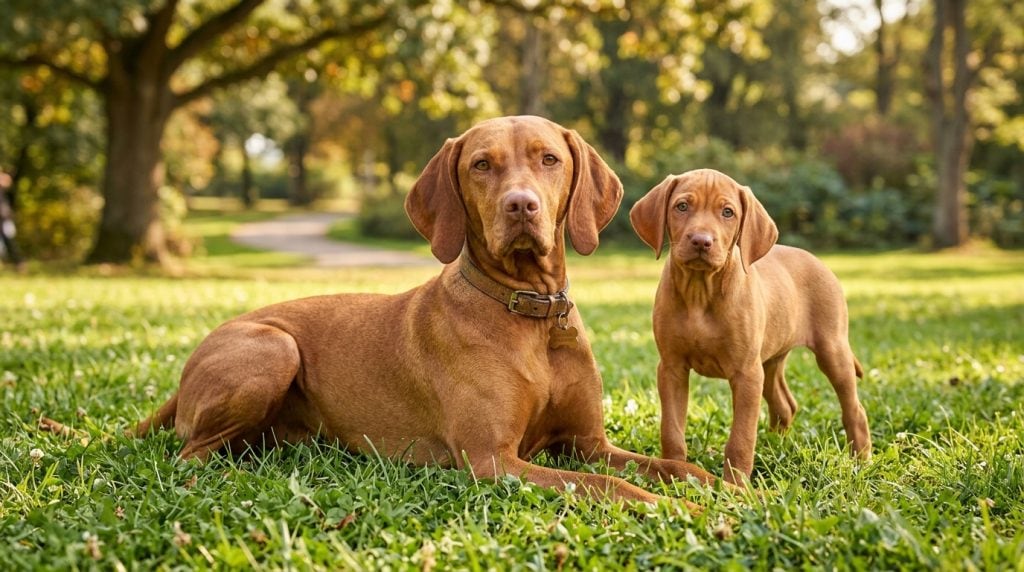
Living with a Vizsla is like having a constant companion who thrives on being part of the family. Their affectionate nature and eagerness to please make them endearing to those who appreciate a dog that is both energetic and loving. Many owners find that their Vizsla is happiest when involved in daily activities, whether it's a run in the park or simply lounging at home.
At a glance
Core care
- Size: Medium
- Energy: High
- Grooming: Low
- Shedding: Moderate
Support style
- Sensitivity: High
- Training style: Willing
Breed guide
Choose a section to explore. These notes describe common patterns, but individual dogs vary widely.
Vizslas are widely recognised for their affectionate nature and their tendency to stay close to the people they live with. Many owners notice how naturally these dogs seek involvement in everyday routines, often choosing to follow family members from room to room or settle nearby while activities unfold. This strong desire for connection reflects generations of working closely alongside humans in the field.
Physically, the Vizsla is a medium-sized dog with a sleek, muscular build that hints at its athletic capabilities. Their short, rust-coloured coat is not only striking but also practical, requiring minimal grooming. This makes them well-suited for active households where they can participate in outdoor adventures. Their physical stamina often means they thrive in environments where they can regularly move, explore, and stay engaged.
In terms of temperament, Vizslas are known for their warm and affectionate nature. They often form deep connections with their families and can be quite sensitive to their owners’ moods. This sensitivity, combined with their eagerness to please, often makes them responsive to training and eager to participate in activities that challenge both mind and body.
It’s important to remember that while these traits are common, each Vizsla is an individual. Factors such as genetics, upbringing, and environment all play a role in shaping their personality. Prospective owners should be prepared for the energetic and affectionate nature of this breed while remaining open to the unique character each dog develops.
Vizslas are often described as ‘Velcro dogs’ due to their strong desire to be close to their human companions. This social nature is deeply rooted in their history as hunting partners, where close cooperation with humans was essential. Owners frequently observe that their Vizsla prefers to be involved in family activities, whether it’s a walk in the park or simply following them from room to room.
This breed’s high sensitivity is another notable characteristic. Vizslas are highly attuned to their owners’ emotions and can often sense changes in mood or routine. This sensitivity can make them excellent companions for those who appreciate a dog that seems to understand their feelings. However, it also means that Vizslas may not respond well to harsh or inconsistent training methods, thriving instead on positive reinforcement and gentle guidance.
Trainability is a strong suit for the Vizsla, largely due to their eagerness to please and intelligence. Many owners find that their Vizsla picks up new commands quickly and enjoys the mental stimulation that training provides. This willingness to learn, combined with their sensitivity, means that training sessions are most successful when they are consistent and engaging. Owners often notice that their Vizsla thrives on routine and clear expectations.
Despite these tendencies, it’s important to remember that each Vizsla is unique. While many may exhibit these traits, individual dogs can vary widely in their behaviour and temperament. Factors such as early socialisation, training, and individual personality all contribute to the dog’s overall character. Understanding and appreciating these variations can help owners build a strong and rewarding relationship with their Vizsla.
A typical day for a Vizsla involves a good amount of physical activity, as they are a high-energy breed that thrives on exercise. Owners often find that their Vizsla needs more than just a short walk around the block to be truly satisfied. Long walks, runs, or even hikes are ideal for burning off their abundant energy. Many Vizslas also enjoy activities like agility or fetch, which allow them to use their natural athleticism.
Mental enrichment is just as important as physical exercise for this intelligent breed. Puzzle toys, scent games, and training sessions can provide the mental stimulation they crave. Owners often notice that a well-exercised and mentally engaged Vizsla is a happy and contented one. Without adequate stimulation, they may become bored and potentially develop unwanted behaviours.
As Vizslas age, their exercise needs may change. While younger dogs often require more vigorous activity, older Vizslas might appreciate gentler walks and less intense play. It’s important for owners to adapt their routines to suit their dog’s life stage, ensuring that they remain healthy and active without overexerting themselves.
Avoiding long periods of inactivity is crucial for this breed. Vizslas are not well-suited to a sedentary lifestyle and may become restless or anxious if their exercise needs are not met. Owners who embrace an active lifestyle often find that their Vizsla is an enthusiastic partner, eager to join in on whatever adventure the day brings.
Training a Vizsla often feels like a collaborative effort, as these dogs are eager to learn and respond well to positive reinforcement. Owners frequently find that their Vizsla is quick to pick up new commands and enjoys the process of training. This willingness to learn makes training sessions enjoyable and rewarding for both dog and owner.
Consistency and patience are key when training a Vizsla. Their high sensitivity means that they respond best to gentle guidance and clear expectations. Harsh training methods can be counterproductive, leading to confusion or anxiety. Instead, positive reinforcement techniques, such as treats and praise, tend to yield the best results. Many owners notice that their Vizsla thrives in a training environment that is supportive and encouraging.
Adolescence can present challenges for Vizsla owners, as with many breeds. During this stage, they may test boundaries and exhibit increased independence. It’s important for owners to remain consistent with training and to reinforce the behaviours they want to see. Building a strong relationship based on trust and mutual respect can help navigate this sometimes challenging period.
Ultimately, training a Vizsla is about building a partnership. Owners who invest time in understanding their dog’s unique personality and needs often find that they develop a deep bond with their Vizsla. This relationship, based on mutual understanding and respect, is the foundation for successful training and a harmonious life together.
Vizslas tend to thrive in homes where they can be active participants in family life. Their affectionate and social nature makes them well-suited to households that enjoy spending time together, whether indoors or out. Many owners find that a Vizsla is happiest when they are included in daily activities and have ample opportunities for exercise and interaction.
This breed often adapts well to various living environments, provided their exercise needs are met. While they can live in smaller spaces like apartments, access to outdoor areas for regular exercise is essential. A home with a secure garden can be beneficial, allowing them to stretch their legs and explore safely.
Living with children and other pets can be a positive experience for many Vizslas, as they are generally friendly and sociable. However, early socialisation is important to ensure they are comfortable and well-mannered around others. Owners often notice that their Vizsla enjoys the company of children, though supervision is always recommended to ensure positive interactions.
Ultimately, a Vizsla’s suitability to a particular home depends on the lifestyle and expectations of the owner. Those who enjoy an active lifestyle and are willing to invest time in training and companionship often find that a Vizsla is a rewarding and loyal addition to their family.
Maintaining a Vizsla’s health is closely tied to their overall wellbeing and quality of life. Regular veterinary check-ups and preventive care are essential to keep them in good condition. Owners often find that a healthy Vizsla is more active and engaged, reflecting their natural zest for life.
There are certain health considerations that are more common in the Vizsla breed, such as hip dysplasia and certain eye conditions. Being aware of these potential issues can help owners take preventive measures and seek veterinary advice when necessary. Many owners choose to have their Vizsla screened for common genetic conditions to ensure early detection and management.
Diet and exercise play crucial roles in maintaining a Vizsla’s health. A balanced diet that meets their nutritional needs, combined with regular physical activity, helps keep them fit and healthy. Owners often notice that a well-exercised Vizsla is not only physically healthier but also more content and well-behaved.
In addition to physical health, mental wellbeing is important for this sensitive breed. Providing mental stimulation through training and interactive play can help prevent behavioural issues and contribute to their overall happiness. Owners who prioritise both physical and mental health often find that their Vizsla leads a fulfilling and joyful life.
The Vizsla’s history is deeply rooted in Hungary, where they were developed as versatile hunting dogs. Their origins can be traced back to the Magyar tribes, who valued them for their ability to work closely with hunters. This close working relationship with humans has left a lasting impact on the breed, contributing to their affectionate and cooperative nature.
Originally, Vizslas were used for hunting game birds and rabbits, tasks that required agility, speed, and a keen sense of smell. Their ability to point and retrieve made them invaluable to hunters, and these skills are still evident in the breed today. Many owners notice that their Vizsla retains a strong hunting instinct, often displaying a natural curiosity and alertness when outdoors.
The breed faced challenges during the World Wars, with numbers dwindling significantly. However, dedicated breeders worked to preserve the Vizsla, and their efforts have ensured the breed’s survival and popularity today. This history of resilience and adaptability is reflected in the modern Vizsla’s versatility and eagerness to engage in a variety of activities.
Understanding the Vizsla’s history helps explain many of their modern traits, such as their strong bond with humans and their need for physical and mental stimulation. Owners who appreciate the breed’s rich heritage often find that these dogs are not only loyal companions but also a link to a storied past.
What shapes individual dogs
- Early social experiences
- Training approach
- Environment & routine
- Genetics & breeding
- Health & pain
- Age / life stage
Vizslas are widely recognised for their affectionate nature and their tendency to stay close to the people they live with. Many owners notice how naturally these dogs seek involvement in everyday routines, often choosing to follow family members from room to room or settle nearby while activities unfold. This strong desire for connection reflects generations of working closely alongside humans in the field.
Physically, the Vizsla is a medium-sized dog with a sleek, muscular build that hints at its athletic capabilities. Their short, rust-coloured coat is not only striking but also practical, requiring minimal grooming. This makes them well-suited for active households where they can participate in outdoor adventures. Their physical stamina often means they thrive in environments where they can regularly move, explore, and stay engaged.
In terms of temperament, Vizslas are known for their warm and affectionate nature. They often form deep connections with their families and can be quite sensitive to their owners’ moods. This sensitivity, combined with their eagerness to please, often makes them responsive to training and eager to participate in activities that challenge both mind and body.
It’s important to remember that while these traits are common, each Vizsla is an individual. Factors such as genetics, upbringing, and environment all play a role in shaping their personality. Prospective owners should be prepared for the energetic and affectionate nature of this breed while remaining open to the unique character each dog develops.
Vizslas are often described as ‘Velcro dogs’ due to their strong desire to be close to their human companions. This social nature is deeply rooted in their history as hunting partners, where close cooperation with humans was essential. Owners frequently observe that their Vizsla prefers to be involved in family activities, whether it’s a walk in the park or simply following them from room to room.
This breed’s high sensitivity is another notable characteristic. Vizslas are highly attuned to their owners’ emotions and can often sense changes in mood or routine. This sensitivity can make them excellent companions for those who appreciate a dog that seems to understand their feelings. However, it also means that Vizslas may not respond well to harsh or inconsistent training methods, thriving instead on positive reinforcement and gentle guidance.
Trainability is a strong suit for the Vizsla, largely due to their eagerness to please and intelligence. Many owners find that their Vizsla picks up new commands quickly and enjoys the mental stimulation that training provides. This willingness to learn, combined with their sensitivity, means that training sessions are most successful when they are consistent and engaging. Owners often notice that their Vizsla thrives on routine and clear expectations.
Despite these tendencies, it’s important to remember that each Vizsla is unique. While many may exhibit these traits, individual dogs can vary widely in their behaviour and temperament. Factors such as early socialisation, training, and individual personality all contribute to the dog’s overall character. Understanding and appreciating these variations can help owners build a strong and rewarding relationship with their Vizsla.
A typical day for a Vizsla involves a good amount of physical activity, as they are a high-energy breed that thrives on exercise. Owners often find that their Vizsla needs more than just a short walk around the block to be truly satisfied. Long walks, runs, or even hikes are ideal for burning off their abundant energy. Many Vizslas also enjoy activities like agility or fetch, which allow them to use their natural athleticism.
Mental enrichment is just as important as physical exercise for this intelligent breed. Puzzle toys, scent games, and training sessions can provide the mental stimulation they crave. Owners often notice that a well-exercised and mentally engaged Vizsla is a happy and contented one. Without adequate stimulation, they may become bored and potentially develop unwanted behaviours.
As Vizslas age, their exercise needs may change. While younger dogs often require more vigorous activity, older Vizslas might appreciate gentler walks and less intense play. It’s important for owners to adapt their routines to suit their dog’s life stage, ensuring that they remain healthy and active without overexerting themselves.
Avoiding long periods of inactivity is crucial for this breed. Vizslas are not well-suited to a sedentary lifestyle and may become restless or anxious if their exercise needs are not met. Owners who embrace an active lifestyle often find that their Vizsla is an enthusiastic partner, eager to join in on whatever adventure the day brings.
Training a Vizsla often feels like a collaborative effort, as these dogs are eager to learn and respond well to positive reinforcement. Owners frequently find that their Vizsla is quick to pick up new commands and enjoys the process of training. This willingness to learn makes training sessions enjoyable and rewarding for both dog and owner.
Consistency and patience are key when training a Vizsla. Their high sensitivity means that they respond best to gentle guidance and clear expectations. Harsh training methods can be counterproductive, leading to confusion or anxiety. Instead, positive reinforcement techniques, such as treats and praise, tend to yield the best results. Many owners notice that their Vizsla thrives in a training environment that is supportive and encouraging.
Adolescence can present challenges for Vizsla owners, as with many breeds. During this stage, they may test boundaries and exhibit increased independence. It’s important for owners to remain consistent with training and to reinforce the behaviours they want to see. Building a strong relationship based on trust and mutual respect can help navigate this sometimes challenging period.
Ultimately, training a Vizsla is about building a partnership. Owners who invest time in understanding their dog’s unique personality and needs often find that they develop a deep bond with their Vizsla. This relationship, based on mutual understanding and respect, is the foundation for successful training and a harmonious life together.
Vizslas tend to thrive in homes where they can be active participants in family life. Their affectionate and social nature makes them well-suited to households that enjoy spending time together, whether indoors or out. Many owners find that a Vizsla is happiest when they are included in daily activities and have ample opportunities for exercise and interaction.
This breed often adapts well to various living environments, provided their exercise needs are met. While they can live in smaller spaces like apartments, access to outdoor areas for regular exercise is essential. A home with a secure garden can be beneficial, allowing them to stretch their legs and explore safely.
Living with children and other pets can be a positive experience for many Vizslas, as they are generally friendly and sociable. However, early socialisation is important to ensure they are comfortable and well-mannered around others. Owners often notice that their Vizsla enjoys the company of children, though supervision is always recommended to ensure positive interactions.
Ultimately, a Vizsla’s suitability to a particular home depends on the lifestyle and expectations of the owner. Those who enjoy an active lifestyle and are willing to invest time in training and companionship often find that a Vizsla is a rewarding and loyal addition to their family.
Maintaining a Vizsla’s health is closely tied to their overall wellbeing and quality of life. Regular veterinary check-ups and preventive care are essential to keep them in good condition. Owners often find that a healthy Vizsla is more active and engaged, reflecting their natural zest for life.
There are certain health considerations that are more common in the Vizsla breed, such as hip dysplasia and certain eye conditions. Being aware of these potential issues can help owners take preventive measures and seek veterinary advice when necessary. Many owners choose to have their Vizsla screened for common genetic conditions to ensure early detection and management.
Diet and exercise play crucial roles in maintaining a Vizsla’s health. A balanced diet that meets their nutritional needs, combined with regular physical activity, helps keep them fit and healthy. Owners often notice that a well-exercised Vizsla is not only physically healthier but also more content and well-behaved.
In addition to physical health, mental wellbeing is important for this sensitive breed. Providing mental stimulation through training and interactive play can help prevent behavioural issues and contribute to their overall happiness. Owners who prioritise both physical and mental health often find that their Vizsla leads a fulfilling and joyful life.
The Vizsla’s history is deeply rooted in Hungary, where they were developed as versatile hunting dogs. Their origins can be traced back to the Magyar tribes, who valued them for their ability to work closely with hunters. This close working relationship with humans has left a lasting impact on the breed, contributing to their affectionate and cooperative nature.
Originally, Vizslas were used for hunting game birds and rabbits, tasks that required agility, speed, and a keen sense of smell. Their ability to point and retrieve made them invaluable to hunters, and these skills are still evident in the breed today. Many owners notice that their Vizsla retains a strong hunting instinct, often displaying a natural curiosity and alertness when outdoors.
The breed faced challenges during the World Wars, with numbers dwindling significantly. However, dedicated breeders worked to preserve the Vizsla, and their efforts have ensured the breed’s survival and popularity today. This history of resilience and adaptability is reflected in the modern Vizsla’s versatility and eagerness to engage in a variety of activities.
Understanding the Vizsla’s history helps explain many of their modern traits, such as their strong bond with humans and their need for physical and mental stimulation. Owners who appreciate the breed’s rich heritage often find that these dogs are not only loyal companions but also a link to a storied past.
What shapes individual dogs
- Early social experiences
- Training approach
- Environment & routine
- Genetics & breeding
- Health & pain
- Age / life stage
Want support with this?
This course will help you understand the Vizsla's sensitive and social nature, enhancing your relationship with your dog.