
German Shorthaired Pointer
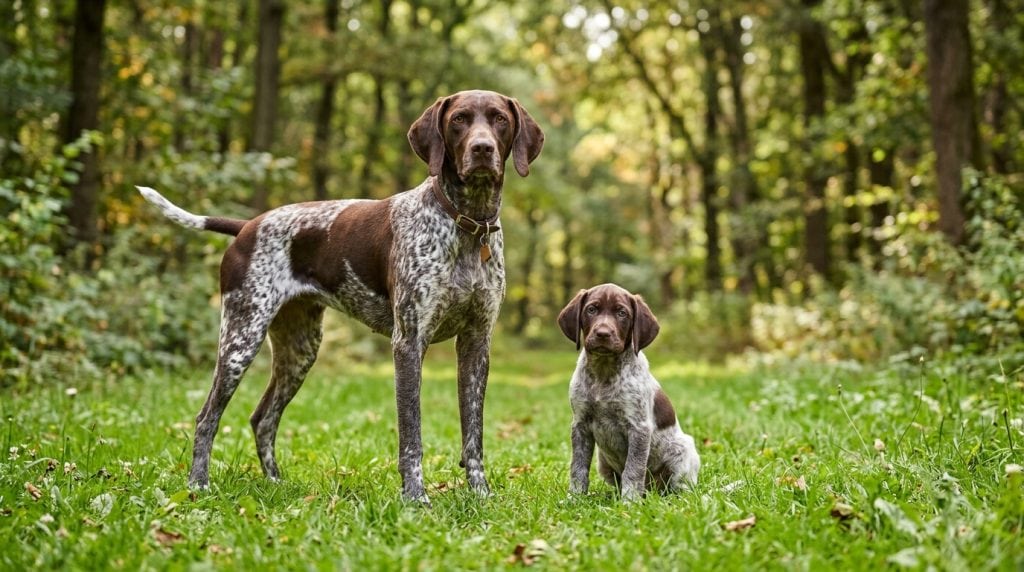
Living with a German Shorthaired Pointer often means sharing your home with an energetic and inquisitive companion who enjoys exploring the world alongside their people. They usually feel most settled in homes where their stamina, curiosity, and cooperative nature are given regular outlets through outdoor activity, training, and shared routines.
At a glance
Core care
- Size: Large
- Energy: High
- Grooming: Low
- Shedding: Moderate
Support style
- Sensitivity: Moderate
- Training style: Willing
Breed guide
Choose a section to explore. These notes describe common patterns, but individual dogs vary widely.
Originating as versatile hunting dogs, German Shorthaired Pointers have a rich history that continues to shape their modern-day character. Bred for their ability to work on land and water, these dogs are known for their stamina and intelligence, which translates into a lively and engaging companion today. Their working roots mean they often have a strong desire to be active and involved in family activities, making them well-suited to homes where they can participate in outdoor adventures.
Physically, German Shorthaired Pointers are large, athletic dogs with a sleek, muscular build. Their short coat is easy to maintain, but their energy levels mean they require plenty of exercise. Owners often notice their dogs’ eagerness to explore and play, which can be a joy for those who enjoy an active lifestyle. Their size and strength mean they need space to move, both indoors and out, to keep them happy and healthy.
In terms of temperament, these dogs are typically friendly and affectionate, often forming close bonds with their human family members. They are known for their willingness to please, which can make training a rewarding experience. However, their high energy and intelligence can also mean they need consistent mental and physical stimulation to prevent boredom. Owners often find that these dogs thrive in environments where they can engage in varied activities and interact closely with their families.
It’s important to remember that while breed traits provide a general guide, individual dogs can vary widely. Factors such as genetics, early socialisation, and daily life experiences all play a role in shaping a dog’s personality and behaviour. Prospective owners should be prepared for the commitment of meeting this breed’s needs and appreciate the unique qualities their individual dog may bring.
German Shorthaired Pointers are often described as sociable and eager to interact with both people and other animals. This social nature is rooted in their history as hunting companions, where cooperation and responsiveness were essential. Owners frequently notice their dog’s enthusiasm for joining in family activities and their tendency to follow people around the home, seeking companionship and engagement.
These dogs are generally very trainable, thanks to their intelligence and desire to please. However, their high energy levels mean they can sometimes become easily distracted, especially in stimulating environments. Patience and consistency in training are key, as is using positive reinforcement to encourage desired behaviours. Many owners find that their German Shorthaired Pointer responds well to training sessions that are both structured and fun.
Sensitivity in this breed is moderate, meaning they may pick up on the emotions and moods of those around them. This can be a double-edged sword; while they are often in tune with their owners, they can also become anxious if their environment is unpredictable or overly stressful. Providing a stable routine and clear communication can help these dogs feel secure and confident.
While many German Shorthaired Pointers share these common traits, individual dogs can vary. Some may be more reserved or independent, while others might be particularly boisterous or affectionate. Understanding and appreciating these differences is part of the joy of owning this breed, as each dog brings its own unique personality to the family dynamic.
A typical day for a German Shorthaired Pointer involves plenty of physical activity, reflecting their high energy levels and need for engagement. Owners often find that long walks, runs, or hikes are essential to keep their dog content and healthy. These dogs also enjoy activities that challenge them mentally, such as agility training or interactive games that require problem-solving.
Given their background as working dogs, German Shorthaired Pointers thrive on having a job to do. This can be as simple as playing fetch, participating in canine sports, or even helping with household tasks like fetching items. Mental enrichment is just as important as physical exercise, and owners can incorporate puzzle toys or scent games to keep their dog’s mind sharp.
It’s important to adjust exercise routines as the dog ages. While puppies and young adults may require more vigorous activity, older dogs might benefit from gentler, more frequent outings. Owners should be mindful of their dog’s physical condition and adjust activities to prevent overexertion, particularly in extreme weather conditions.
Avoiding boredom is crucial for this breed, as a lack of stimulation can lead to unwanted behaviours such as chewing or digging. A well-rounded exercise and enrichment plan that caters to both the body and mind will help ensure a happy and well-adjusted German Shorthaired Pointer. By understanding and meeting these needs, owners can enjoy a fulfilling relationship with their energetic companion.
Training a German Shorthaired Pointer often feels like a dynamic and rewarding experience due to their willingness to learn and eagerness to please. These dogs respond well to positive reinforcement techniques, where praise and rewards are used to encourage good behaviour. Owners often find that keeping training sessions varied and engaging helps maintain their dog’s interest and focus.
Impulse control can be a challenge, especially during adolescence when their energy levels are high and their curiosity is boundless. Consistent training, combined with patience, is essential during this stage. Teaching basic commands such as ‘sit’, ‘stay’, and ‘come’ can help manage their enthusiasm and ensure they respond appropriately in different situations.
Building a strong relationship with your German Shorthaired Pointer is crucial for effective training. These dogs thrive on interaction and connection with their people, so spending quality time together can enhance the training process. Regularly incorporating training into daily routines, such as during walks or playtime, can reinforce learning and strengthen the bond between dog and owner.
Consistency is key when training this breed. Clear communication and a structured approach help set expectations and create a sense of security for the dog. While training a German Shorthaired Pointer can be a fulfilling journey, it’s important to acknowledge that each dog is an individual, and what works for one may not work for another. Remaining flexible and attentive to your dog’s unique needs will help create a positive training experience for both of you.
German Shorthaired Pointers tend to thrive in homes where they have ample space to move and plenty of opportunities for physical activity. They are well-suited to active families who enjoy outdoor pursuits and can provide the exercise and engagement these dogs need. A home with a securely fenced garden can be ideal, offering a safe space for play and exploration.
These dogs often integrate well into family life, forming strong bonds with their human companions. They typically get along well with children, although supervision is recommended due to their size and energy levels. Their friendly nature means they can also coexist peacefully with other pets, particularly if they are introduced and socialised from a young age.
For those living in more urban environments, it’s important to ensure that the dog’s exercise needs are met through regular outings and activities. While they can adapt to various living situations, they may not be the best fit for very small apartments unless owners are committed to providing sufficient exercise and mental stimulation.
Ultimately, the key to a successful relationship with a German Shorthaired Pointer is understanding and meeting their needs for activity, companionship, and structure. By providing an environment that caters to their energetic and social nature, owners can enjoy a rewarding and fulfilling companionship with this lively breed.
Health is a vital component of a German Shorthaired Pointer’s overall wellbeing, influencing their behaviour and quality of life. Like many breeds, they can be prone to certain health issues, so regular veterinary check-ups are essential to monitor and maintain their health. Preventive care, such as vaccinations and parasite control, plays a crucial role in keeping them in good condition.
Common health considerations for this breed include hip dysplasia and certain eye conditions. Being aware of these potential issues allows owners to take proactive steps, such as maintaining a healthy weight and providing joint supplements if recommended by a vet. Regular exercise also supports joint health, but it’s important to balance activity with rest to prevent overexertion.
Behaviour can sometimes be linked to health, so changes in your dog’s usual behaviour may warrant a veterinary check. For instance, a normally active dog that becomes lethargic or a friendly dog that suddenly shows signs of irritability might be experiencing discomfort or illness. Early intervention can often prevent minor issues from becoming major concerns.
Overall, maintaining a strong relationship with a trusted veterinarian and staying informed about breed-specific health risks can help owners provide the best care for their German Shorthaired Pointer. By focusing on preventive care and being attentive to their dog’s health, owners can help ensure a long, happy, and active life for their beloved companion.
The German Shorthaired Pointer has a rich history that dates back to the 19th century in Germany, where it was developed as a versatile hunting dog. The breed was created by crossing various types of pointers and hounds, aiming to produce a dog capable of working on both land and water. This versatility made them highly valued by hunters, as they could track, point, and retrieve game, showcasing a wide range of skills.
The breed’s development was influenced by the need for a reliable and cooperative hunting companion. This focus on versatility and cooperation is evident in the breed’s modern traits, such as their eagerness to please and their high energy levels. These characteristics make them not only excellent working dogs but also engaging family companions who enjoy being active and involved in daily life.
As the breed gained popularity, it spread beyond Germany and became well-regarded in other countries for its hunting prowess and friendly nature. The German Shorthaired Pointer’s adaptability allowed it to transition from a working dog to a beloved family pet, while still retaining the traits that made it successful in the field. This blend of working ability and companionship continues to attract dog enthusiasts today.
Understanding the history of the German Shorthaired Pointer helps explain their modern-day behaviour and needs. Their origins as a hunting dog mean they often have a strong drive to be active and engaged, and they thrive in environments where they can use their natural abilities. This historical context provides valuable insight into why these dogs behave the way they do, helping owners appreciate the unique qualities of this dynamic breed.
What shapes individual dogs
- Early social experiences
- Training approach
- Environment & routine
- Genetics & breeding
- Health & pain
- Age / life stage
Originating as versatile hunting dogs, German Shorthaired Pointers have a rich history that continues to shape their modern-day character. Bred for their ability to work on land and water, these dogs are known for their stamina and intelligence, which translates into a lively and engaging companion today. Their working roots mean they often have a strong desire to be active and involved in family activities, making them well-suited to homes where they can participate in outdoor adventures.
Physically, German Shorthaired Pointers are large, athletic dogs with a sleek, muscular build. Their short coat is easy to maintain, but their energy levels mean they require plenty of exercise. Owners often notice their dogs’ eagerness to explore and play, which can be a joy for those who enjoy an active lifestyle. Their size and strength mean they need space to move, both indoors and out, to keep them happy and healthy.
In terms of temperament, these dogs are typically friendly and affectionate, often forming close bonds with their human family members. They are known for their willingness to please, which can make training a rewarding experience. However, their high energy and intelligence can also mean they need consistent mental and physical stimulation to prevent boredom. Owners often find that these dogs thrive in environments where they can engage in varied activities and interact closely with their families.
It’s important to remember that while breed traits provide a general guide, individual dogs can vary widely. Factors such as genetics, early socialisation, and daily life experiences all play a role in shaping a dog’s personality and behaviour. Prospective owners should be prepared for the commitment of meeting this breed’s needs and appreciate the unique qualities their individual dog may bring.
German Shorthaired Pointers are often described as sociable and eager to interact with both people and other animals. This social nature is rooted in their history as hunting companions, where cooperation and responsiveness were essential. Owners frequently notice their dog’s enthusiasm for joining in family activities and their tendency to follow people around the home, seeking companionship and engagement.
These dogs are generally very trainable, thanks to their intelligence and desire to please. However, their high energy levels mean they can sometimes become easily distracted, especially in stimulating environments. Patience and consistency in training are key, as is using positive reinforcement to encourage desired behaviours. Many owners find that their German Shorthaired Pointer responds well to training sessions that are both structured and fun.
Sensitivity in this breed is moderate, meaning they may pick up on the emotions and moods of those around them. This can be a double-edged sword; while they are often in tune with their owners, they can also become anxious if their environment is unpredictable or overly stressful. Providing a stable routine and clear communication can help these dogs feel secure and confident.
While many German Shorthaired Pointers share these common traits, individual dogs can vary. Some may be more reserved or independent, while others might be particularly boisterous or affectionate. Understanding and appreciating these differences is part of the joy of owning this breed, as each dog brings its own unique personality to the family dynamic.
A typical day for a German Shorthaired Pointer involves plenty of physical activity, reflecting their high energy levels and need for engagement. Owners often find that long walks, runs, or hikes are essential to keep their dog content and healthy. These dogs also enjoy activities that challenge them mentally, such as agility training or interactive games that require problem-solving.
Given their background as working dogs, German Shorthaired Pointers thrive on having a job to do. This can be as simple as playing fetch, participating in canine sports, or even helping with household tasks like fetching items. Mental enrichment is just as important as physical exercise, and owners can incorporate puzzle toys or scent games to keep their dog’s mind sharp.
It’s important to adjust exercise routines as the dog ages. While puppies and young adults may require more vigorous activity, older dogs might benefit from gentler, more frequent outings. Owners should be mindful of their dog’s physical condition and adjust activities to prevent overexertion, particularly in extreme weather conditions.
Avoiding boredom is crucial for this breed, as a lack of stimulation can lead to unwanted behaviours such as chewing or digging. A well-rounded exercise and enrichment plan that caters to both the body and mind will help ensure a happy and well-adjusted German Shorthaired Pointer. By understanding and meeting these needs, owners can enjoy a fulfilling relationship with their energetic companion.
Training a German Shorthaired Pointer often feels like a dynamic and rewarding experience due to their willingness to learn and eagerness to please. These dogs respond well to positive reinforcement techniques, where praise and rewards are used to encourage good behaviour. Owners often find that keeping training sessions varied and engaging helps maintain their dog’s interest and focus.
Impulse control can be a challenge, especially during adolescence when their energy levels are high and their curiosity is boundless. Consistent training, combined with patience, is essential during this stage. Teaching basic commands such as ‘sit’, ‘stay’, and ‘come’ can help manage their enthusiasm and ensure they respond appropriately in different situations.
Building a strong relationship with your German Shorthaired Pointer is crucial for effective training. These dogs thrive on interaction and connection with their people, so spending quality time together can enhance the training process. Regularly incorporating training into daily routines, such as during walks or playtime, can reinforce learning and strengthen the bond between dog and owner.
Consistency is key when training this breed. Clear communication and a structured approach help set expectations and create a sense of security for the dog. While training a German Shorthaired Pointer can be a fulfilling journey, it’s important to acknowledge that each dog is an individual, and what works for one may not work for another. Remaining flexible and attentive to your dog’s unique needs will help create a positive training experience for both of you.
German Shorthaired Pointers tend to thrive in homes where they have ample space to move and plenty of opportunities for physical activity. They are well-suited to active families who enjoy outdoor pursuits and can provide the exercise and engagement these dogs need. A home with a securely fenced garden can be ideal, offering a safe space for play and exploration.
These dogs often integrate well into family life, forming strong bonds with their human companions. They typically get along well with children, although supervision is recommended due to their size and energy levels. Their friendly nature means they can also coexist peacefully with other pets, particularly if they are introduced and socialised from a young age.
For those living in more urban environments, it’s important to ensure that the dog’s exercise needs are met through regular outings and activities. While they can adapt to various living situations, they may not be the best fit for very small apartments unless owners are committed to providing sufficient exercise and mental stimulation.
Ultimately, the key to a successful relationship with a German Shorthaired Pointer is understanding and meeting their needs for activity, companionship, and structure. By providing an environment that caters to their energetic and social nature, owners can enjoy a rewarding and fulfilling companionship with this lively breed.
Health is a vital component of a German Shorthaired Pointer’s overall wellbeing, influencing their behaviour and quality of life. Like many breeds, they can be prone to certain health issues, so regular veterinary check-ups are essential to monitor and maintain their health. Preventive care, such as vaccinations and parasite control, plays a crucial role in keeping them in good condition.
Common health considerations for this breed include hip dysplasia and certain eye conditions. Being aware of these potential issues allows owners to take proactive steps, such as maintaining a healthy weight and providing joint supplements if recommended by a vet. Regular exercise also supports joint health, but it’s important to balance activity with rest to prevent overexertion.
Behaviour can sometimes be linked to health, so changes in your dog’s usual behaviour may warrant a veterinary check. For instance, a normally active dog that becomes lethargic or a friendly dog that suddenly shows signs of irritability might be experiencing discomfort or illness. Early intervention can often prevent minor issues from becoming major concerns.
Overall, maintaining a strong relationship with a trusted veterinarian and staying informed about breed-specific health risks can help owners provide the best care for their German Shorthaired Pointer. By focusing on preventive care and being attentive to their dog’s health, owners can help ensure a long, happy, and active life for their beloved companion.
The German Shorthaired Pointer has a rich history that dates back to the 19th century in Germany, where it was developed as a versatile hunting dog. The breed was created by crossing various types of pointers and hounds, aiming to produce a dog capable of working on both land and water. This versatility made them highly valued by hunters, as they could track, point, and retrieve game, showcasing a wide range of skills.
The breed’s development was influenced by the need for a reliable and cooperative hunting companion. This focus on versatility and cooperation is evident in the breed’s modern traits, such as their eagerness to please and their high energy levels. These characteristics make them not only excellent working dogs but also engaging family companions who enjoy being active and involved in daily life.
As the breed gained popularity, it spread beyond Germany and became well-regarded in other countries for its hunting prowess and friendly nature. The German Shorthaired Pointer’s adaptability allowed it to transition from a working dog to a beloved family pet, while still retaining the traits that made it successful in the field. This blend of working ability and companionship continues to attract dog enthusiasts today.
Understanding the history of the German Shorthaired Pointer helps explain their modern-day behaviour and needs. Their origins as a hunting dog mean they often have a strong drive to be active and engaged, and they thrive in environments where they can use their natural abilities. This historical context provides valuable insight into why these dogs behave the way they do, helping owners appreciate the unique qualities of this dynamic breed.
What shapes individual dogs
- Early social experiences
- Training approach
- Environment & routine
- Genetics & breeding
- Health & pain
- Age / life stage
Want support with this?
This course is relevant for owners of German Shorthaired Pointers to better understand their dog's complex temperament and behaviour nuances.