
Wirehaired Vizsla
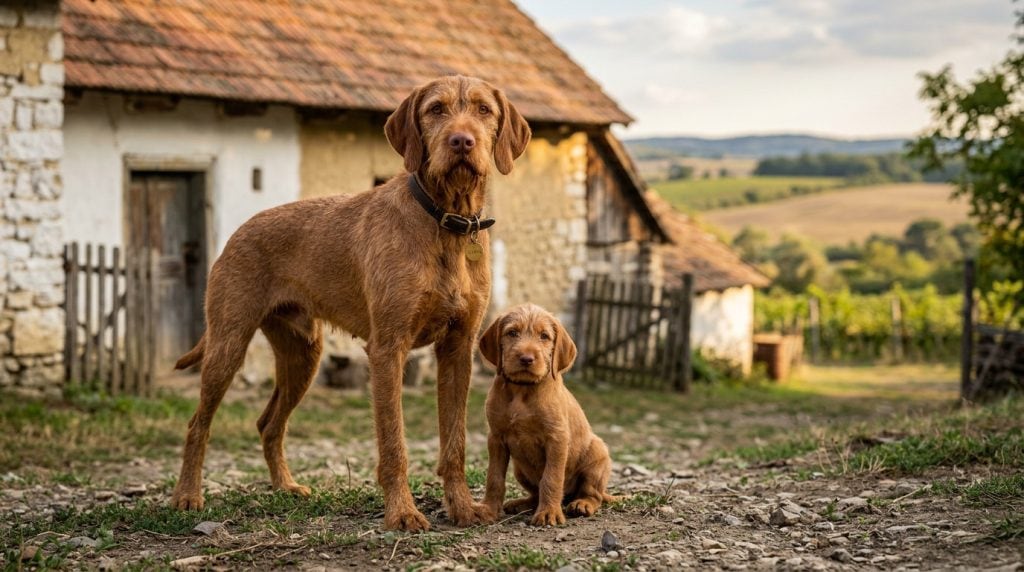
Wirehaired Vizslas are energetic, affectionate gundogs known for their strong bond with their people and enthusiasm for activity. Bred to work closely with hunters, they tend to thrive when given exercise, training, and regular companionship. Many owners value their eagerness to participate in family life and their natural drive to stay engaged.
At a glance
Core care
- Size: Medium
- Energy: High
- Grooming: Low
- Shedding: Low
Support style
- Sensitivity: High
- Training style: Willing
Breed guide
Choose a section to explore. These notes describe common patterns, but individual dogs vary widely.
The Wirehaired Vizsla has its roots in Hungary, where it was developed as a versatile gundog capable of working in various terrains. This history of being a reliable hunting companion is evident in their modern-day behaviour, as they often display a keen sense of alertness and a strong desire to be active. Their working background has instilled in them a need for both physical and mental stimulation, making them a breed that thrives on engagement and exercise.
Physically, the Wirehaired Vizsla is a medium-sized dog with a distinctive wiry coat that provides protection against harsh weather conditions. This coat is not just a feature of their appearance, but also a practical element that requires regular grooming to maintain its texture and health. Owners often find that this breed’s athletic build and endurance make them excellent companions for outdoor activities, from hiking to running.
In terms of temperament, Wirehaired Vizslas are known for their affectionate and gentle nature. They tend to form strong bonds with their families and often seek out companionship and interaction. Their high sensitivity means they respond well to positive reinforcement and gentle guidance. However, individual dogs can vary, with some being more reserved or independent, which is why understanding their unique personality is key.
Prospective owners should be prepared for a dog that requires significant time and attention. While they are generally eager to please and easy to train, their high energy levels mean they are best suited to active households. It’s important to remember that while breed traits provide a general guide, each Wirehaired Vizsla is an individual with its own quirks and needs.
Wirehaired Vizslas are often described as social butterflies of the dog world. Their natural inclination towards forming strong bonds with their human companions is a trait that many owners notice early on. This breed tends to thrive in environments where they can be part of the daily routine, enjoying both the company and the activities that come with family life. Their social nature often means they are happiest when they are involved in whatever is happening around them.
The breed’s high sensitivity plays a significant role in their behaviour. Wirehaired Vizslas are typically very attuned to the emotions and moods of their owners, which can make them excellent companions but also means they may become stressed in chaotic or tense environments. This sensitivity often translates into a strong desire to please, making them responsive to training methods that focus on positive reinforcement and encouragement.
Owners often find that Wirehaired Vizslas are eager learners, thanks to their trainability and willingness to engage with their humans. They enjoy tasks that challenge their minds as well as their bodies, and this can be seen in their enthusiasm for learning new commands or participating in activities like agility or scent work. Their intelligence and eagerness to learn make them a joy to train, provided the training is consistent and engaging.
Despite their many positive traits, it’s important to acknowledge that individual Wirehaired Vizslas can vary in temperament. While many are outgoing and friendly, some may be more reserved or cautious, especially in new situations. Understanding and respecting these individual differences is crucial for fostering a strong, trusting relationship with your dog. Remember that each dog’s personality is shaped by a combination of genetics, upbringing, and environment.
A typical day for a Wirehaired Vizsla involves plenty of physical activity and mental stimulation. These dogs have high energy levels, and owners often find that regular, vigorous exercise is essential to keep them happy and healthy. This can include long walks, runs, or even hikes, as they enjoy exploring new environments and using their natural athleticism.
In addition to physical exercise, Wirehaired Vizslas benefit greatly from mental enrichment activities. Puzzle toys, scent games, and training sessions that challenge their intelligence can help satisfy their need for mental stimulation. Owners often notice that these activities not only tire out their dogs but also strengthen the bond between them and their pets. It’s important to vary these activities to keep them engaged and prevent boredom.
As Wirehaired Vizslas age, their exercise needs may change. While young dogs may require more intense physical activity, older dogs might enjoy shorter, more leisurely walks and gentler play sessions. However, even as they age, they tend to retain a playful spirit and enjoy being active, albeit at a slower pace.
It’s crucial to avoid over-exercising young puppies, as their growing bones and joints are still developing. Instead, focus on short, controlled play sessions and gradually increase the intensity and duration of exercise as they mature. Understanding and adapting to the changing needs of a Wirehaired Vizsla throughout their life stages is key to ensuring their overall wellbeing and happiness.
Training a Wirehaired Vizsla often feels like a rewarding partnership. These dogs are generally eager to learn and respond well to positive reinforcement techniques. Owners often find that using treats, praise, and play as rewards can be particularly effective in encouraging desired behaviours. Consistency and patience are key, as these dogs thrive on clear communication and a strong relationship with their trainers.
Impulse control can be a challenge, especially during adolescence when their energy levels and curiosity are at their peak. Teaching basic commands like ‘sit’, ‘stay’, and ‘leave it’ can help manage their enthusiasm and ensure they remain well-behaved in various situations. Many owners find that incorporating impulse control exercises into daily routines helps their Vizslas develop better self-control over time.
The adolescence phase can sometimes bring about challenges as Wirehaired Vizslas test boundaries and explore their independence. During this time, maintaining consistent training and reinforcing good behaviour is crucial. It’s important to remember that this phase is temporary and with continued guidance, most Vizslas settle into well-mannered adults.
Building a strong bond through training is not just about obedience; it’s about creating a mutual understanding and respect. This breed’s willingness to learn, combined with their sensitivity, means they respond best to training environments that are supportive and encouraging. For owners looking to deepen their understanding of their dog’s behaviour, the course “Understand Your Dog: Dog Psychology for Beginners” can be a valuable resource.
Wirehaired Vizslas tend to thrive in homes where they have plenty of space to move around and a family that is active and engaged. They are well-suited to rural or suburban environments where they can enjoy outdoor activities and explore their surroundings. However, they can also adapt to city living provided they receive sufficient exercise and mental stimulation.
Many owners find that these dogs integrate well into family life, enjoying the company of both adults and children. Their gentle and affectionate nature often makes them good companions for kids, although supervision is always recommended to ensure positive interactions. Their social nature means they usually enjoy the presence of other dogs, but early socialisation is key to ensuring they are well-adjusted and confident around other animals.
Wirehaired Vizslas are generally adaptable to various living situations, but they do best in homes where they are not left alone for long periods. They thrive on companionship and can become anxious or bored if isolated, which can lead to unwanted behaviours. Prospective owners should consider whether they can provide the time and attention this breed needs.
Ultimately, the Wirehaired Vizsla is a versatile and loving companion that fits well into active households. While they have specific needs in terms of exercise and companionship, their affectionate nature and eagerness to be part of the family make them a rewarding addition to many homes.
The health of a Wirehaired Vizsla is closely tied to their overall wellbeing and quality of life. Like many breeds, they can be prone to certain health issues, but with proper care and attention, they often lead healthy, active lives. Regular veterinary check-ups and preventive care play a crucial role in maintaining their health.
Some health considerations for this breed include hip dysplasia and eye conditions, which are common in many medium-sized dogs. Responsible breeders often screen for these issues, so it’s important for prospective owners to choose breeders who prioritise health testing. Regular exercise and a balanced diet also contribute to maintaining a healthy weight and reducing the risk of joint problems.
The Wirehaired Vizsla’s high sensitivity can sometimes mean they are more attuned to discomfort or changes in their environment, which can manifest as behavioural changes. Owners should be observant of any sudden changes in behaviour, as these can sometimes indicate underlying health issues. Prompt veterinary advice is recommended if any concerns arise.
Overall, ensuring a Wirehaired Vizsla’s health involves a combination of regular veterinary care, a healthy lifestyle, and attentive observation of their behaviour and physical condition. By staying proactive and informed, owners can help their dogs enjoy a long, healthy life.
The Wirehaired Vizsla originated in Hungary, where it was developed as a versatile hunting dog. The breed was developed in Hungary during the early 20th century by crossing traditional Vizslas with several wire-coated hunting dogs, including breeds such as the German Wirehaired Pointer. The aim was to produce a versatile hunting dog with the Vizsla’s temperament but a more weather-resistant coat. This combination resulted in a breed that was well-suited to working in a variety of terrains and weather conditions.
The breed’s development was driven by the need for a reliable hunting companion that could handle the challenging environments of Hungary’s varied landscapes. The Wirehaired Vizsla’s ability to work both on land and in water made them invaluable to hunters who required a dog capable of retrieving game from different terrains.
As the breed evolved, its reputation as a versatile and reliable gundog spread beyond Hungary. Today, the Wirehaired Vizsla is recognised for its hunting abilities as well as its suitability as a family companion. Their history as a working dog is reflected in their modern-day traits, such as their high energy levels, intelligence, and eagerness to please.
Understanding the origins of the Wirehaired Vizsla helps explain many of their characteristics that owners will recognise today. Their history as a hunting dog has shaped their need for activity and mental stimulation, while their affectionate nature and strong bond with humans make them beloved companions in many households.
What shapes individual dogs
- Early social experiences
- Training approach
- Environment & routine
- Genetics & breeding
- Health & pain
- Age / life stage
The Wirehaired Vizsla has its roots in Hungary, where it was developed as a versatile gundog capable of working in various terrains. This history of being a reliable hunting companion is evident in their modern-day behaviour, as they often display a keen sense of alertness and a strong desire to be active. Their working background has instilled in them a need for both physical and mental stimulation, making them a breed that thrives on engagement and exercise.
Physically, the Wirehaired Vizsla is a medium-sized dog with a distinctive wiry coat that provides protection against harsh weather conditions. This coat is not just a feature of their appearance, but also a practical element that requires regular grooming to maintain its texture and health. Owners often find that this breed’s athletic build and endurance make them excellent companions for outdoor activities, from hiking to running.
In terms of temperament, Wirehaired Vizslas are known for their affectionate and gentle nature. They tend to form strong bonds with their families and often seek out companionship and interaction. Their high sensitivity means they respond well to positive reinforcement and gentle guidance. However, individual dogs can vary, with some being more reserved or independent, which is why understanding their unique personality is key.
Prospective owners should be prepared for a dog that requires significant time and attention. While they are generally eager to please and easy to train, their high energy levels mean they are best suited to active households. It’s important to remember that while breed traits provide a general guide, each Wirehaired Vizsla is an individual with its own quirks and needs.
Wirehaired Vizslas are often described as social butterflies of the dog world. Their natural inclination towards forming strong bonds with their human companions is a trait that many owners notice early on. This breed tends to thrive in environments where they can be part of the daily routine, enjoying both the company and the activities that come with family life. Their social nature often means they are happiest when they are involved in whatever is happening around them.
The breed’s high sensitivity plays a significant role in their behaviour. Wirehaired Vizslas are typically very attuned to the emotions and moods of their owners, which can make them excellent companions but also means they may become stressed in chaotic or tense environments. This sensitivity often translates into a strong desire to please, making them responsive to training methods that focus on positive reinforcement and encouragement.
Owners often find that Wirehaired Vizslas are eager learners, thanks to their trainability and willingness to engage with their humans. They enjoy tasks that challenge their minds as well as their bodies, and this can be seen in their enthusiasm for learning new commands or participating in activities like agility or scent work. Their intelligence and eagerness to learn make them a joy to train, provided the training is consistent and engaging.
Despite their many positive traits, it’s important to acknowledge that individual Wirehaired Vizslas can vary in temperament. While many are outgoing and friendly, some may be more reserved or cautious, especially in new situations. Understanding and respecting these individual differences is crucial for fostering a strong, trusting relationship with your dog. Remember that each dog’s personality is shaped by a combination of genetics, upbringing, and environment.
A typical day for a Wirehaired Vizsla involves plenty of physical activity and mental stimulation. These dogs have high energy levels, and owners often find that regular, vigorous exercise is essential to keep them happy and healthy. This can include long walks, runs, or even hikes, as they enjoy exploring new environments and using their natural athleticism.
In addition to physical exercise, Wirehaired Vizslas benefit greatly from mental enrichment activities. Puzzle toys, scent games, and training sessions that challenge their intelligence can help satisfy their need for mental stimulation. Owners often notice that these activities not only tire out their dogs but also strengthen the bond between them and their pets. It’s important to vary these activities to keep them engaged and prevent boredom.
As Wirehaired Vizslas age, their exercise needs may change. While young dogs may require more intense physical activity, older dogs might enjoy shorter, more leisurely walks and gentler play sessions. However, even as they age, they tend to retain a playful spirit and enjoy being active, albeit at a slower pace.
It’s crucial to avoid over-exercising young puppies, as their growing bones and joints are still developing. Instead, focus on short, controlled play sessions and gradually increase the intensity and duration of exercise as they mature. Understanding and adapting to the changing needs of a Wirehaired Vizsla throughout their life stages is key to ensuring their overall wellbeing and happiness.
Training a Wirehaired Vizsla often feels like a rewarding partnership. These dogs are generally eager to learn and respond well to positive reinforcement techniques. Owners often find that using treats, praise, and play as rewards can be particularly effective in encouraging desired behaviours. Consistency and patience are key, as these dogs thrive on clear communication and a strong relationship with their trainers.
Impulse control can be a challenge, especially during adolescence when their energy levels and curiosity are at their peak. Teaching basic commands like ‘sit’, ‘stay’, and ‘leave it’ can help manage their enthusiasm and ensure they remain well-behaved in various situations. Many owners find that incorporating impulse control exercises into daily routines helps their Vizslas develop better self-control over time.
The adolescence phase can sometimes bring about challenges as Wirehaired Vizslas test boundaries and explore their independence. During this time, maintaining consistent training and reinforcing good behaviour is crucial. It’s important to remember that this phase is temporary and with continued guidance, most Vizslas settle into well-mannered adults.
Building a strong bond through training is not just about obedience; it’s about creating a mutual understanding and respect. This breed’s willingness to learn, combined with their sensitivity, means they respond best to training environments that are supportive and encouraging. For owners looking to deepen their understanding of their dog’s behaviour, the course “Understand Your Dog: Dog Psychology for Beginners” can be a valuable resource.
Wirehaired Vizslas tend to thrive in homes where they have plenty of space to move around and a family that is active and engaged. They are well-suited to rural or suburban environments where they can enjoy outdoor activities and explore their surroundings. However, they can also adapt to city living provided they receive sufficient exercise and mental stimulation.
Many owners find that these dogs integrate well into family life, enjoying the company of both adults and children. Their gentle and affectionate nature often makes them good companions for kids, although supervision is always recommended to ensure positive interactions. Their social nature means they usually enjoy the presence of other dogs, but early socialisation is key to ensuring they are well-adjusted and confident around other animals.
Wirehaired Vizslas are generally adaptable to various living situations, but they do best in homes where they are not left alone for long periods. They thrive on companionship and can become anxious or bored if isolated, which can lead to unwanted behaviours. Prospective owners should consider whether they can provide the time and attention this breed needs.
Ultimately, the Wirehaired Vizsla is a versatile and loving companion that fits well into active households. While they have specific needs in terms of exercise and companionship, their affectionate nature and eagerness to be part of the family make them a rewarding addition to many homes.
The health of a Wirehaired Vizsla is closely tied to their overall wellbeing and quality of life. Like many breeds, they can be prone to certain health issues, but with proper care and attention, they often lead healthy, active lives. Regular veterinary check-ups and preventive care play a crucial role in maintaining their health.
Some health considerations for this breed include hip dysplasia and eye conditions, which are common in many medium-sized dogs. Responsible breeders often screen for these issues, so it’s important for prospective owners to choose breeders who prioritise health testing. Regular exercise and a balanced diet also contribute to maintaining a healthy weight and reducing the risk of joint problems.
The Wirehaired Vizsla’s high sensitivity can sometimes mean they are more attuned to discomfort or changes in their environment, which can manifest as behavioural changes. Owners should be observant of any sudden changes in behaviour, as these can sometimes indicate underlying health issues. Prompt veterinary advice is recommended if any concerns arise.
Overall, ensuring a Wirehaired Vizsla’s health involves a combination of regular veterinary care, a healthy lifestyle, and attentive observation of their behaviour and physical condition. By staying proactive and informed, owners can help their dogs enjoy a long, healthy life.
The Wirehaired Vizsla originated in Hungary, where it was developed as a versatile hunting dog. The breed was developed in Hungary during the early 20th century by crossing traditional Vizslas with several wire-coated hunting dogs, including breeds such as the German Wirehaired Pointer. The aim was to produce a versatile hunting dog with the Vizsla’s temperament but a more weather-resistant coat. This combination resulted in a breed that was well-suited to working in a variety of terrains and weather conditions.
The breed’s development was driven by the need for a reliable hunting companion that could handle the challenging environments of Hungary’s varied landscapes. The Wirehaired Vizsla’s ability to work both on land and in water made them invaluable to hunters who required a dog capable of retrieving game from different terrains.
As the breed evolved, its reputation as a versatile and reliable gundog spread beyond Hungary. Today, the Wirehaired Vizsla is recognised for its hunting abilities as well as its suitability as a family companion. Their history as a working dog is reflected in their modern-day traits, such as their high energy levels, intelligence, and eagerness to please.
Understanding the origins of the Wirehaired Vizsla helps explain many of their characteristics that owners will recognise today. Their history as a hunting dog has shaped their need for activity and mental stimulation, while their affectionate nature and strong bond with humans make them beloved companions in many households.
What shapes individual dogs
- Early social experiences
- Training approach
- Environment & routine
- Genetics & breeding
- Health & pain
- Age / life stage
Want support with this?
This course is relevant for Wirehaired Vizsla owners looking to deepen their understanding of their dog's behaviour and build a strong, trusting relationship.