
Shih Tzu
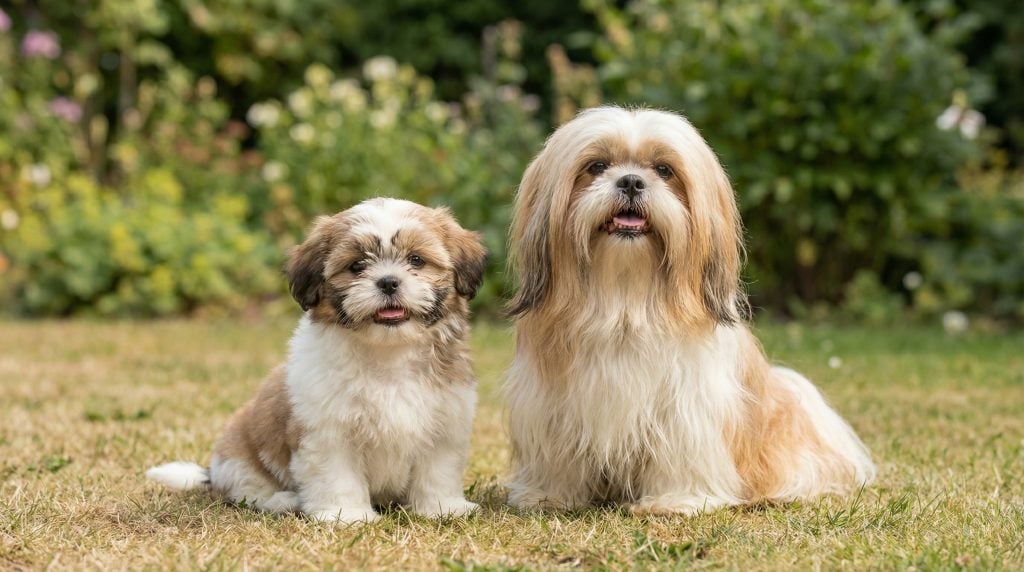
Living with a Shih Tzu often feels like sharing your home with a little companion who truly enjoys being part of the family. Their friendly and affectionate nature means they frequently seek out interaction, whether it's a gentle pat or a spot on the couch beside you. Despite their small size, they have a big personality that can bring a lot of joy to everyday life.
At a glance
Core care
- Size: Small
- Energy: Moderate
- Grooming: Low
- Shedding: Low
Support style
- Sensitivity: Moderate
- Training style: Moderate
Breed guide
Choose a section to explore. These notes describe common patterns, but individual dogs vary widely.
Living with a Shih Tzu often means sharing your home with a small companion who enjoys being close to the people around them. Many owners notice how these dogs naturally seek out company, whether that means sitting beside someone on the sofa or quietly following family members from room to room. Their affectionate and attentive nature reflects generations of breeding as companion dogs whose primary role was simply to be part of household life.
Physically, the Shih Tzu is a small, sturdy dog with a distinctive appearance. Their long, flowing coat is one of their most notable features, requiring regular grooming to maintain its beauty and prevent tangles. While their coat may give them an elegant look, it also means that prospective owners should be prepared for a significant grooming commitment. Their compact size makes them well-suited for various living environments, including apartments.
Temperamentally, Shih Tzus are known for their friendly and outgoing nature. They often enjoy social interactions and can be quite playful, making them delightful companions. However, individual personalities can vary, with some Shih Tzus being more laid-back while others are more energetic. Owners frequently notice their dog’s desire to be involved in family activities, whether it’s a game of fetch or simply lounging around the house.
It’s important for potential Shih Tzu owners to have realistic expectations about the breed. While they are generally affectionate and good-natured, each dog is unique and may have its own quirks and preferences. Understanding that these traits are tendencies rather than guarantees can help in building a strong, positive relationship with a Shih Tzu.
Shih Tzus are often described as social butterflies, enjoying the company of their human family members. They tend to form strong attachments and can be quite affectionate, often seeking out attention and cuddles. This breed’s social nature means they usually do well in homes where they can be part of the daily routine, whether that’s following you from room to room or sitting beside you as you relax.
Their moderate sensitivity means they can be attuned to their owner’s emotions, sometimes offering comfort when you’re feeling down. This sensitivity also means they may not respond well to harsh training methods, preferring a gentle and patient approach. Owners often find that positive reinforcement and consistency work best when training their Shih Tzu, as these dogs can be eager to please but also a bit stubborn at times.
Shih Tzus are generally good with children and other pets, although early socialisation is key to ensuring they develop into well-rounded adults. Many owners notice that their Shih Tzu enjoys playtime and can be surprisingly energetic for their size, though they also appreciate quiet moments of rest. Their moderate trainability means they can learn basic commands and tricks, but patience and persistence are important.
While Shih Tzus are known for their friendly nature, it’s important to remember that each dog is an individual. Some may be more outgoing, while others might be a bit reserved. Understanding and respecting these individual differences can help owners foster a strong bond with their Shih Tzu, ensuring a happy and harmonious relationship.
A typical day for a Shih Tzu involves a balance of moderate exercise and plenty of relaxation. Despite their small size, they enjoy daily walks and play sessions to keep them physically and mentally stimulated. A couple of short walks each day, combined with some interactive playtime, usually suffice to meet their exercise needs. Owners often find that their Shih Tzu is content with a moderate level of activity, making them well-suited for a variety of living situations.
Mental enrichment is also important for this breed, as they can become bored if left without stimulation. Puzzle toys, training games, and interactive play can help keep their minds engaged. Shih Tzus often enjoy learning new tricks or commands, which can be a fun way to bond with your dog while providing mental exercise. It’s essential to keep activities varied to maintain their interest.
As Shih Tzus age, their exercise needs may change. Puppies and young adults are typically more energetic and may require more frequent play sessions to burn off energy. In contrast, older Shih Tzus might prefer shorter, more leisurely walks and more rest periods. Owners should be attentive to their dog’s energy levels and adjust their routine accordingly.
While Shih Tzus enjoy being active, it’s important not to overdo it, especially in hot weather. Their brachycephalic (short-nosed) structure can make them prone to overheating, so it’s crucial to monitor them during exercise and provide plenty of water and shade. By tailoring their exercise routine to their individual needs, owners can help ensure their Shih Tzu remains healthy and happy.
Training a Shih Tzu can be a rewarding experience, as these dogs often enjoy learning and spending time with their owners. However, their moderate trainability means that patience and consistency are key. Owners often find that positive reinforcement techniques, such as treats and praise, work well with this breed. Shih Tzus can be a bit stubborn at times, so keeping training sessions short and fun can help maintain their interest.
Impulse control can be a challenge for some Shih Tzus, especially during their adolescent phase. It’s not uncommon for them to test boundaries, so it’s important to set clear rules and be consistent in enforcing them. Building a strong relationship based on trust and respect can help encourage good behaviour and make training more effective.
Socialisation is an important aspect of training for Shih Tzus. Exposing them to a variety of people, pets, and environments from a young age can help them develop into well-adjusted adults. Many owners find that enrolling their Shih Tzu in puppy classes or playgroups can be beneficial, providing opportunities for social interaction and learning in a controlled setting.
Overall, training a Shih Tzu requires a gentle and patient approach. While they may not always respond immediately, with time and consistency, they can learn a variety of commands and behaviours. Encouraging their natural curiosity and desire to please can make the training process enjoyable for both the dog and the owner.
Shih Tzus tend to adapt well to a variety of living environments, making them a popular choice for both city dwellers and those in more rural settings. Their small size and moderate energy level mean they can thrive in apartments as well as houses with gardens. Many owners find that their Shih Tzu is content as long as they have plenty of companionship and a comfortable place to relax.
In homes with children, Shih Tzus often do well, provided that interactions are supervised and children are taught how to handle dogs gently. Their friendly nature means they can form strong bonds with family members of all ages. However, it’s important to remember that each dog is an individual, and some may be more tolerant of children than others.
When it comes to other pets, Shih Tzus can usually coexist peacefully, especially if they are introduced to other animals from a young age. Early socialisation can help them learn to interact appropriately with other dogs and pets. Owners often find that their Shih Tzu enjoys having a canine companion to play with, although they are also content as the sole pet in the household.
Ultimately, the Shih Tzu’s adaptability and affectionate nature make them a good fit for many different lifestyles. Prospective owners should consider their own lifestyle and how a Shih Tzu might fit into it, taking into account their grooming needs and desire for companionship. By understanding these aspects, owners can provide a loving and suitable home for their Shih Tzu.
Health and wellbeing are closely linked for the Shih Tzu, as with any breed. Regular veterinary check-ups and preventive care are essential to ensure they remain healthy. Shih Tzus can be prone to certain health issues, such as brachycephalic airway syndrome due to their short noses, so monitoring their breathing and avoiding excessive heat is important.
Dental care is another crucial aspect of health for Shih Tzus. Their small mouths can lead to dental problems if not properly managed. Regular brushing and dental check-ups can help prevent issues and maintain good oral health. Many owners find that incorporating dental care into their grooming routine is an effective way to keep their Shih Tzu’s teeth in good condition.
Skin and ear care are also important for this breed. Regular grooming helps to prevent skin issues, but it’s also important to check their ears for signs of infection. Cleaning their ears as part of their grooming routine can help prevent problems. Additionally, keeping an eye on their weight and providing a balanced diet can contribute to their overall health.
While Shih Tzus can be prone to certain health issues, many live long, healthy lives with proper care. By staying informed about potential health concerns and working closely with a veterinarian, owners can help ensure their Shih Tzu remains happy and healthy throughout their life.
The Shih Tzu has a rich history that dates back to ancient times. Originally bred in Tibet, these dogs were given as gifts to Chinese royalty, where they were further developed into the breed we know today. Their primary role was as companion animals, a purpose they continue to fulfill with great success. This history as a cherished companion is evident in their affectionate and social nature.
In the imperial courts of China, Shih Tzus were highly valued for their companionship and were often seen as symbols of status and wealth. Their name, which translates to ‘lion dog,’ reflects their regal bearing and appearance. Despite their royal connections, Shih Tzus were also known for their friendly and approachable nature, traits that have persisted to the present day.
Over time, the Shih Tzu made its way to the Western world, where it quickly gained popularity as a companion dog. Their small size and charming personality made them a favourite among dog lovers, and they continue to be a beloved breed in many households. The breed’s adaptability and affectionate nature have contributed to their enduring appeal.
Today, the Shih Tzu remains a popular choice for those seeking a loyal and loving companion. Their history as a cherished pet is reflected in their temperament and behaviour, making them a delightful addition to many homes. Understanding their origins helps to appreciate the unique qualities that make the Shih Tzu such a special breed.
What shapes individual dogs
- Early social experiences
- Training approach
- Environment & routine
- Genetics & breeding
- Health & pain
- Age / life stage
Living with a Shih Tzu often means sharing your home with a small companion who enjoys being close to the people around them. Many owners notice how these dogs naturally seek out company, whether that means sitting beside someone on the sofa or quietly following family members from room to room. Their affectionate and attentive nature reflects generations of breeding as companion dogs whose primary role was simply to be part of household life.
Physically, the Shih Tzu is a small, sturdy dog with a distinctive appearance. Their long, flowing coat is one of their most notable features, requiring regular grooming to maintain its beauty and prevent tangles. While their coat may give them an elegant look, it also means that prospective owners should be prepared for a significant grooming commitment. Their compact size makes them well-suited for various living environments, including apartments.
Temperamentally, Shih Tzus are known for their friendly and outgoing nature. They often enjoy social interactions and can be quite playful, making them delightful companions. However, individual personalities can vary, with some Shih Tzus being more laid-back while others are more energetic. Owners frequently notice their dog’s desire to be involved in family activities, whether it’s a game of fetch or simply lounging around the house.
It’s important for potential Shih Tzu owners to have realistic expectations about the breed. While they are generally affectionate and good-natured, each dog is unique and may have its own quirks and preferences. Understanding that these traits are tendencies rather than guarantees can help in building a strong, positive relationship with a Shih Tzu.
Shih Tzus are often described as social butterflies, enjoying the company of their human family members. They tend to form strong attachments and can be quite affectionate, often seeking out attention and cuddles. This breed’s social nature means they usually do well in homes where they can be part of the daily routine, whether that’s following you from room to room or sitting beside you as you relax.
Their moderate sensitivity means they can be attuned to their owner’s emotions, sometimes offering comfort when you’re feeling down. This sensitivity also means they may not respond well to harsh training methods, preferring a gentle and patient approach. Owners often find that positive reinforcement and consistency work best when training their Shih Tzu, as these dogs can be eager to please but also a bit stubborn at times.
Shih Tzus are generally good with children and other pets, although early socialisation is key to ensuring they develop into well-rounded adults. Many owners notice that their Shih Tzu enjoys playtime and can be surprisingly energetic for their size, though they also appreciate quiet moments of rest. Their moderate trainability means they can learn basic commands and tricks, but patience and persistence are important.
While Shih Tzus are known for their friendly nature, it’s important to remember that each dog is an individual. Some may be more outgoing, while others might be a bit reserved. Understanding and respecting these individual differences can help owners foster a strong bond with their Shih Tzu, ensuring a happy and harmonious relationship.
A typical day for a Shih Tzu involves a balance of moderate exercise and plenty of relaxation. Despite their small size, they enjoy daily walks and play sessions to keep them physically and mentally stimulated. A couple of short walks each day, combined with some interactive playtime, usually suffice to meet their exercise needs. Owners often find that their Shih Tzu is content with a moderate level of activity, making them well-suited for a variety of living situations.
Mental enrichment is also important for this breed, as they can become bored if left without stimulation. Puzzle toys, training games, and interactive play can help keep their minds engaged. Shih Tzus often enjoy learning new tricks or commands, which can be a fun way to bond with your dog while providing mental exercise. It’s essential to keep activities varied to maintain their interest.
As Shih Tzus age, their exercise needs may change. Puppies and young adults are typically more energetic and may require more frequent play sessions to burn off energy. In contrast, older Shih Tzus might prefer shorter, more leisurely walks and more rest periods. Owners should be attentive to their dog’s energy levels and adjust their routine accordingly.
While Shih Tzus enjoy being active, it’s important not to overdo it, especially in hot weather. Their brachycephalic (short-nosed) structure can make them prone to overheating, so it’s crucial to monitor them during exercise and provide plenty of water and shade. By tailoring their exercise routine to their individual needs, owners can help ensure their Shih Tzu remains healthy and happy.
Training a Shih Tzu can be a rewarding experience, as these dogs often enjoy learning and spending time with their owners. However, their moderate trainability means that patience and consistency are key. Owners often find that positive reinforcement techniques, such as treats and praise, work well with this breed. Shih Tzus can be a bit stubborn at times, so keeping training sessions short and fun can help maintain their interest.
Impulse control can be a challenge for some Shih Tzus, especially during their adolescent phase. It’s not uncommon for them to test boundaries, so it’s important to set clear rules and be consistent in enforcing them. Building a strong relationship based on trust and respect can help encourage good behaviour and make training more effective.
Socialisation is an important aspect of training for Shih Tzus. Exposing them to a variety of people, pets, and environments from a young age can help them develop into well-adjusted adults. Many owners find that enrolling their Shih Tzu in puppy classes or playgroups can be beneficial, providing opportunities for social interaction and learning in a controlled setting.
Overall, training a Shih Tzu requires a gentle and patient approach. While they may not always respond immediately, with time and consistency, they can learn a variety of commands and behaviours. Encouraging their natural curiosity and desire to please can make the training process enjoyable for both the dog and the owner.
Shih Tzus tend to adapt well to a variety of living environments, making them a popular choice for both city dwellers and those in more rural settings. Their small size and moderate energy level mean they can thrive in apartments as well as houses with gardens. Many owners find that their Shih Tzu is content as long as they have plenty of companionship and a comfortable place to relax.
In homes with children, Shih Tzus often do well, provided that interactions are supervised and children are taught how to handle dogs gently. Their friendly nature means they can form strong bonds with family members of all ages. However, it’s important to remember that each dog is an individual, and some may be more tolerant of children than others.
When it comes to other pets, Shih Tzus can usually coexist peacefully, especially if they are introduced to other animals from a young age. Early socialisation can help them learn to interact appropriately with other dogs and pets. Owners often find that their Shih Tzu enjoys having a canine companion to play with, although they are also content as the sole pet in the household.
Ultimately, the Shih Tzu’s adaptability and affectionate nature make them a good fit for many different lifestyles. Prospective owners should consider their own lifestyle and how a Shih Tzu might fit into it, taking into account their grooming needs and desire for companionship. By understanding these aspects, owners can provide a loving and suitable home for their Shih Tzu.
Health and wellbeing are closely linked for the Shih Tzu, as with any breed. Regular veterinary check-ups and preventive care are essential to ensure they remain healthy. Shih Tzus can be prone to certain health issues, such as brachycephalic airway syndrome due to their short noses, so monitoring their breathing and avoiding excessive heat is important.
Dental care is another crucial aspect of health for Shih Tzus. Their small mouths can lead to dental problems if not properly managed. Regular brushing and dental check-ups can help prevent issues and maintain good oral health. Many owners find that incorporating dental care into their grooming routine is an effective way to keep their Shih Tzu’s teeth in good condition.
Skin and ear care are also important for this breed. Regular grooming helps to prevent skin issues, but it’s also important to check their ears for signs of infection. Cleaning their ears as part of their grooming routine can help prevent problems. Additionally, keeping an eye on their weight and providing a balanced diet can contribute to their overall health.
While Shih Tzus can be prone to certain health issues, many live long, healthy lives with proper care. By staying informed about potential health concerns and working closely with a veterinarian, owners can help ensure their Shih Tzu remains happy and healthy throughout their life.
The Shih Tzu has a rich history that dates back to ancient times. Originally bred in Tibet, these dogs were given as gifts to Chinese royalty, where they were further developed into the breed we know today. Their primary role was as companion animals, a purpose they continue to fulfill with great success. This history as a cherished companion is evident in their affectionate and social nature.
In the imperial courts of China, Shih Tzus were highly valued for their companionship and were often seen as symbols of status and wealth. Their name, which translates to ‘lion dog,’ reflects their regal bearing and appearance. Despite their royal connections, Shih Tzus were also known for their friendly and approachable nature, traits that have persisted to the present day.
Over time, the Shih Tzu made its way to the Western world, where it quickly gained popularity as a companion dog. Their small size and charming personality made them a favourite among dog lovers, and they continue to be a beloved breed in many households. The breed’s adaptability and affectionate nature have contributed to their enduring appeal.
Today, the Shih Tzu remains a popular choice for those seeking a loyal and loving companion. Their history as a cherished pet is reflected in their temperament and behaviour, making them a delightful addition to many homes. Understanding their origins helps to appreciate the unique qualities that make the Shih Tzu such a special breed.
What shapes individual dogs
- Early social experiences
- Training approach
- Environment & routine
- Genetics & breeding
- Health & pain
- Age / life stage
Want support with this?
This course is ideal for Shih Tzu owners looking to navigate the early stages of their dog's life with confidence and calm.