
Tibetan Spaniel
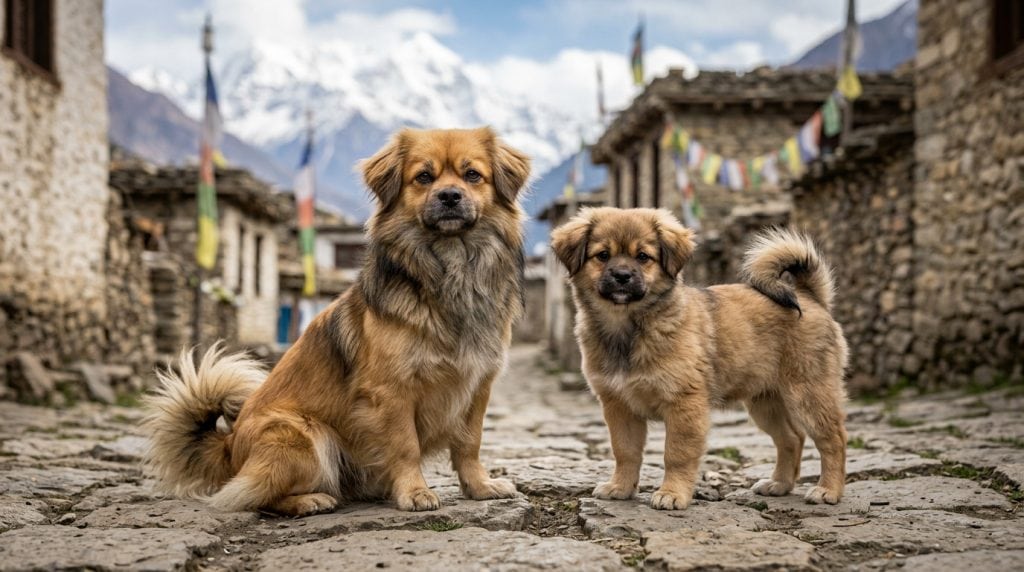
Living with a Tibetan Spaniel often means sharing your space with a dog that values companionship but also enjoys a bit of independence. They are known for their alert and watchful nature, often perched at a window or on a high spot to keep an eye on their surroundings. Despite their small size, they carry a confident presence that many owners find endearing and comforting.
At a glance
Core care
- Size: Small
- Energy: Moderate
- Grooming: Low
- Shedding: Moderate
Support style
- Sensitivity: Moderate
- Training style: Independent
Breed guide
Choose a section to explore. These notes describe common patterns, but individual dogs vary widely.
The Tibetan Spaniel’s history as a companion and sentinel in Tibetan monasteries plays a significant role in shaping their modern-day character. Originally bred to serve as both a watchdog and a companion, they have retained their keen sense of alertness and loyalty. This dual role has influenced their independent yet affectionate nature, making them unique among small breeds.
Physically, Tibetan Spaniels are small but sturdy dogs, often surprising people with their robust build. Their compact size makes them well-suited to various living situations, from apartments to larger homes. Owners often appreciate their manageable size, which allows for easy transport and handling, whether it’s a trip to the vet or a family outing.
In terms of temperament, Tibetan Spaniels are known for their independent streak. They enjoy human company but are not overly demanding of attention, making them a good fit for those who appreciate a dog with a mind of its own. Many owners notice their dog’s tendency to observe rather than immediately engage, a trait that reflects their watchdog heritage. However, they are affectionate with their families and can form strong bonds.
It’s important for potential owners to understand that while breed traits provide a general guide, each Tibetan Spaniel is an individual. Factors such as genetics, upbringing, and environment all play a role in shaping a dog’s personality. Prospective owners should be prepared for a range of behaviours within the breed, from more reserved to more outgoing personalities.
Tibetan Spaniels are often described as being both independent and affectionate, a combination that can be intriguing for many dog lovers. Their history as companions to monks in Tibetan monasteries has ingrained a sense of calm observation in them. This can be seen in how they often prefer to sit and watch the world go by, rather than jumping into the middle of the action.
Their social nature is balanced by a certain level of independence. While they enjoy being around their human family, they are not typically clingy. This makes them well-suited to owners who appreciate a dog that can entertain itself at times. However, they do thrive on companionship and may become bored or anxious if left alone for extended periods.
Sensitivity in Tibetan Spaniels is moderate, meaning they are generally adaptable to different environments and situations. They can be quite intuitive, often picking up on their owner’s moods and responding accordingly. This sensitivity can be a double-edged sword, as it means they may also react to stress or tension in the household.
Training a Tibetan Spaniel requires patience and understanding of their independent nature. While they are intelligent, their trainability can be affected by their desire to do things on their own terms. Positive reinforcement and consistency are key, as they respond best to gentle guidance rather than harsh corrections. This approach helps build a trusting relationship, which is crucial for successful training.
A typical day for a Tibetan Spaniel involves moderate physical activity coupled with mental enrichment. They enjoy daily walks, which provide not only exercise but also an opportunity to explore their environment. These walks don’t need to be overly long, but regularity is important to keep them fit and happy.
Mental stimulation is just as crucial as physical exercise for this breed. Puzzle toys, interactive games, and training sessions can help keep their minds sharp. Tibetan Spaniels are curious by nature, and engaging their intellect can prevent boredom and the behavioural issues that can arise from it.
As they age, their exercise needs may change. Older Tibetan Spaniels might prefer shorter, more frequent walks and less intense play sessions. It’s important for owners to pay attention to their dog’s cues and adjust their routine accordingly to ensure they remain comfortable and healthy.
While Tibetan Spaniels are adaptable, it’s important to avoid pushing them into high-intensity activities that may not suit their moderate energy levels. Owners should aim for a balanced approach that combines physical activity with mental challenges, ensuring their Tibetan Spaniel remains content and well-rounded throughout their life.
Training a Tibetan Spaniel can be a unique experience, often requiring a blend of patience and creativity. Their independent nature means that they may not always be eager to follow commands, but they are certainly capable of learning with the right approach. Owners often find that these dogs respond best to training methods that are gentle and positive.
Consistency is key when training Tibetan Spaniels. They benefit from a routine that includes regular training sessions, but these should be kept short and engaging to maintain their interest. Positive reinforcement, such as treats and praise, can be very effective in encouraging them to learn new behaviours.
Adolescence in Tibetan Spaniels can bring about some challenges, as they may test boundaries and exhibit stubbornness. During this phase, it’s important for owners to remain patient and continue with consistent training. Building a strong relationship based on trust and respect can help navigate this period more smoothly.
Overall, training a Tibetan Spaniel is about understanding their unique personality and working with it rather than against it. By fostering a positive and supportive environment, owners can help their Tibetan Spaniel develop into a well-behaved and confident companion. For those new to dog training, or for those experiencing challenges, the course “Understand Your Dog: Dog Psychology for Beginners” can provide valuable insights into their dog’s behaviour.
Tibetan Spaniels can adapt well to a variety of living situations, making them a versatile choice for different households. Their small size and moderate energy levels mean they can thrive in both apartments and larger homes, provided they receive enough attention and exercise.
Owners often find that Tibetan Spaniels do well in homes where they can be part of the family activities. They enjoy being involved and can often be found following their owners around the house, eager to be where the action is. This breed tends to form strong bonds with their family, making them loyal companions.
When it comes to living with children and other pets, Tibetan Spaniels generally do well, though early socialisation is important. They can be playful and gentle with children, but interactions should always be supervised to ensure safety for both the dog and the child. With other pets, they can coexist peacefully, especially if introduced properly and given time to adjust.
Ultimately, the Tibetan Spaniel’s adaptability makes them suitable for a range of lifestyles. However, potential owners should be prepared to invest time in their care and companionship, ensuring that these dogs feel secure and loved in their home environment.
The health of a Tibetan Spaniel is closely tied to their overall wellbeing, and understanding their specific needs can help ensure a long, healthy life. Regular veterinary check-ups are important to monitor their health and catch any potential issues early.
Some health considerations for Tibetan Spaniels include eye conditions, such as progressive retinal atrophy, and respiratory issues due to their short muzzle. Owners should be aware of these potential problems and seek veterinary advice if they notice any changes in their dog’s vision or breathing.
Preventive care is crucial in maintaining a Tibetan Spaniel’s health. This includes regular vaccinations, parasite control, and dental care. Dental hygiene is particularly important, as small breeds can be prone to dental issues. Regular brushing and professional cleanings can help prevent periodontal disease.
Being informed about the breed’s health tendencies allows owners to provide the best care for their Tibetan Spaniel. While not every dog will experience health issues, being proactive and attentive to their needs can make a significant difference in their quality of life.
The Tibetan Spaniel has a rich history that dates back centuries, originating in the monasteries of Tibet. Bred as companions and watchdogs, they were highly valued by monks who appreciated their alert nature and loyal companionship. These dogs were often given as gifts to visiting dignitaries, spreading their presence beyond Tibet.
Their role as sentinels in the monasteries is reflected in their modern behaviour. Tibetan Spaniels are known for their watchful nature, often positioning themselves in high places to observe their surroundings. This trait, combined with their affectionate disposition, makes them unique among small breeds.
The breed’s development was influenced by the harsh Tibetan climate, which required a dog that was both hardy and adaptable. Their double coat provided protection against the cold, while their small size allowed them to thrive in the confined spaces of the monasteries.
Today, the Tibetan Spaniel’s history is evident in their confident and independent personality. They continue to be cherished as companions, valued for their loyalty and the unique combination of traits that have been honed over centuries. Understanding their origins helps owners appreciate the depth of character that these dogs bring into their homes.
What shapes individual dogs
- Early social experiences
- Training approach
- Environment & routine
- Genetics & breeding
- Health & pain
- Age / life stage
The Tibetan Spaniel’s history as a companion and sentinel in Tibetan monasteries plays a significant role in shaping their modern-day character. Originally bred to serve as both a watchdog and a companion, they have retained their keen sense of alertness and loyalty. This dual role has influenced their independent yet affectionate nature, making them unique among small breeds.
Physically, Tibetan Spaniels are small but sturdy dogs, often surprising people with their robust build. Their compact size makes them well-suited to various living situations, from apartments to larger homes. Owners often appreciate their manageable size, which allows for easy transport and handling, whether it’s a trip to the vet or a family outing.
In terms of temperament, Tibetan Spaniels are known for their independent streak. They enjoy human company but are not overly demanding of attention, making them a good fit for those who appreciate a dog with a mind of its own. Many owners notice their dog’s tendency to observe rather than immediately engage, a trait that reflects their watchdog heritage. However, they are affectionate with their families and can form strong bonds.
It’s important for potential owners to understand that while breed traits provide a general guide, each Tibetan Spaniel is an individual. Factors such as genetics, upbringing, and environment all play a role in shaping a dog’s personality. Prospective owners should be prepared for a range of behaviours within the breed, from more reserved to more outgoing personalities.
Tibetan Spaniels are often described as being both independent and affectionate, a combination that can be intriguing for many dog lovers. Their history as companions to monks in Tibetan monasteries has ingrained a sense of calm observation in them. This can be seen in how they often prefer to sit and watch the world go by, rather than jumping into the middle of the action.
Their social nature is balanced by a certain level of independence. While they enjoy being around their human family, they are not typically clingy. This makes them well-suited to owners who appreciate a dog that can entertain itself at times. However, they do thrive on companionship and may become bored or anxious if left alone for extended periods.
Sensitivity in Tibetan Spaniels is moderate, meaning they are generally adaptable to different environments and situations. They can be quite intuitive, often picking up on their owner’s moods and responding accordingly. This sensitivity can be a double-edged sword, as it means they may also react to stress or tension in the household.
Training a Tibetan Spaniel requires patience and understanding of their independent nature. While they are intelligent, their trainability can be affected by their desire to do things on their own terms. Positive reinforcement and consistency are key, as they respond best to gentle guidance rather than harsh corrections. This approach helps build a trusting relationship, which is crucial for successful training.
A typical day for a Tibetan Spaniel involves moderate physical activity coupled with mental enrichment. They enjoy daily walks, which provide not only exercise but also an opportunity to explore their environment. These walks don’t need to be overly long, but regularity is important to keep them fit and happy.
Mental stimulation is just as crucial as physical exercise for this breed. Puzzle toys, interactive games, and training sessions can help keep their minds sharp. Tibetan Spaniels are curious by nature, and engaging their intellect can prevent boredom and the behavioural issues that can arise from it.
As they age, their exercise needs may change. Older Tibetan Spaniels might prefer shorter, more frequent walks and less intense play sessions. It’s important for owners to pay attention to their dog’s cues and adjust their routine accordingly to ensure they remain comfortable and healthy.
While Tibetan Spaniels are adaptable, it’s important to avoid pushing them into high-intensity activities that may not suit their moderate energy levels. Owners should aim for a balanced approach that combines physical activity with mental challenges, ensuring their Tibetan Spaniel remains content and well-rounded throughout their life.
Training a Tibetan Spaniel can be a unique experience, often requiring a blend of patience and creativity. Their independent nature means that they may not always be eager to follow commands, but they are certainly capable of learning with the right approach. Owners often find that these dogs respond best to training methods that are gentle and positive.
Consistency is key when training Tibetan Spaniels. They benefit from a routine that includes regular training sessions, but these should be kept short and engaging to maintain their interest. Positive reinforcement, such as treats and praise, can be very effective in encouraging them to learn new behaviours.
Adolescence in Tibetan Spaniels can bring about some challenges, as they may test boundaries and exhibit stubbornness. During this phase, it’s important for owners to remain patient and continue with consistent training. Building a strong relationship based on trust and respect can help navigate this period more smoothly.
Overall, training a Tibetan Spaniel is about understanding their unique personality and working with it rather than against it. By fostering a positive and supportive environment, owners can help their Tibetan Spaniel develop into a well-behaved and confident companion. For those new to dog training, or for those experiencing challenges, the course “Understand Your Dog: Dog Psychology for Beginners” can provide valuable insights into their dog’s behaviour.
Tibetan Spaniels can adapt well to a variety of living situations, making them a versatile choice for different households. Their small size and moderate energy levels mean they can thrive in both apartments and larger homes, provided they receive enough attention and exercise.
Owners often find that Tibetan Spaniels do well in homes where they can be part of the family activities. They enjoy being involved and can often be found following their owners around the house, eager to be where the action is. This breed tends to form strong bonds with their family, making them loyal companions.
When it comes to living with children and other pets, Tibetan Spaniels generally do well, though early socialisation is important. They can be playful and gentle with children, but interactions should always be supervised to ensure safety for both the dog and the child. With other pets, they can coexist peacefully, especially if introduced properly and given time to adjust.
Ultimately, the Tibetan Spaniel’s adaptability makes them suitable for a range of lifestyles. However, potential owners should be prepared to invest time in their care and companionship, ensuring that these dogs feel secure and loved in their home environment.
The health of a Tibetan Spaniel is closely tied to their overall wellbeing, and understanding their specific needs can help ensure a long, healthy life. Regular veterinary check-ups are important to monitor their health and catch any potential issues early.
Some health considerations for Tibetan Spaniels include eye conditions, such as progressive retinal atrophy, and respiratory issues due to their short muzzle. Owners should be aware of these potential problems and seek veterinary advice if they notice any changes in their dog’s vision or breathing.
Preventive care is crucial in maintaining a Tibetan Spaniel’s health. This includes regular vaccinations, parasite control, and dental care. Dental hygiene is particularly important, as small breeds can be prone to dental issues. Regular brushing and professional cleanings can help prevent periodontal disease.
Being informed about the breed’s health tendencies allows owners to provide the best care for their Tibetan Spaniel. While not every dog will experience health issues, being proactive and attentive to their needs can make a significant difference in their quality of life.
The Tibetan Spaniel has a rich history that dates back centuries, originating in the monasteries of Tibet. Bred as companions and watchdogs, they were highly valued by monks who appreciated their alert nature and loyal companionship. These dogs were often given as gifts to visiting dignitaries, spreading their presence beyond Tibet.
Their role as sentinels in the monasteries is reflected in their modern behaviour. Tibetan Spaniels are known for their watchful nature, often positioning themselves in high places to observe their surroundings. This trait, combined with their affectionate disposition, makes them unique among small breeds.
The breed’s development was influenced by the harsh Tibetan climate, which required a dog that was both hardy and adaptable. Their double coat provided protection against the cold, while their small size allowed them to thrive in the confined spaces of the monasteries.
Today, the Tibetan Spaniel’s history is evident in their confident and independent personality. They continue to be cherished as companions, valued for their loyalty and the unique combination of traits that have been honed over centuries. Understanding their origins helps owners appreciate the depth of character that these dogs bring into their homes.
What shapes individual dogs
- Early social experiences
- Training approach
- Environment & routine
- Genetics & breeding
- Health & pain
- Age / life stage
Want support with this?
This course offers valuable insights into understanding the independent yet affectionate nature of Tibetan Spaniels, helping you build a strong bond.