
Cavalier King Charles Spaniel
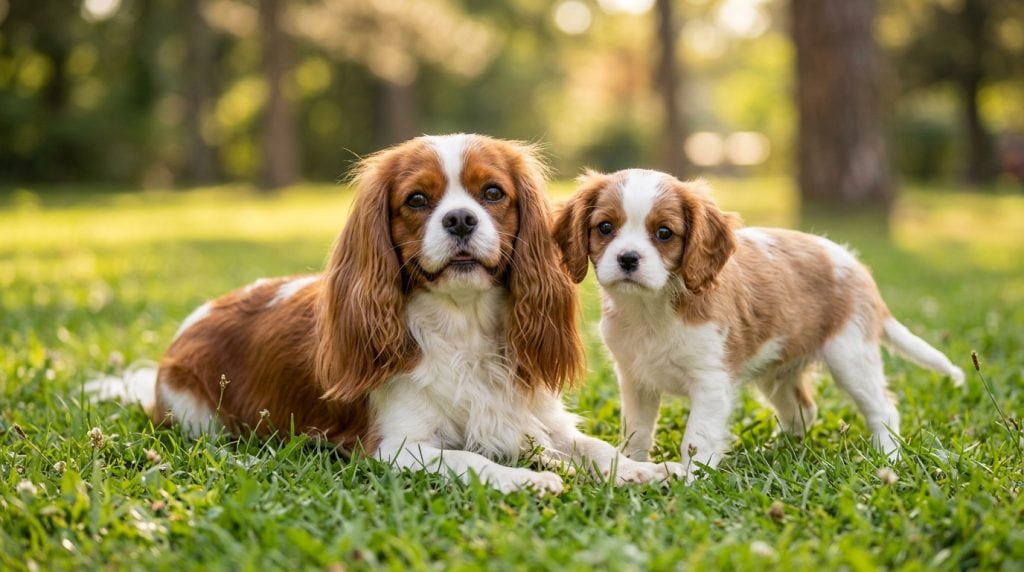
Living with a Cavalier King Charles Spaniel often means sharing your space with a devoted companion. These dogs are known for their affectionate nature, frequently seeking out the company of their human family members. Their gentle demeanor and willingness to please make them a delightful presence in many homes.
At a glance
Core care
- Size: Small
- Energy: Moderate
- Grooming: Low
- Shedding: Moderate
Support style
- Sensitivity: High
- Training style: Willing
Breed guide
Choose a section to explore. These notes describe common patterns, but individual dogs vary widely.
Living with a Cavalier King Charles Spaniel often means sharing your home with a dog that enjoys being close to the people they love. Many owners notice how these small spaniels naturally seek out companionship, whether that means sitting beside someone on the sofa or quietly following family members from room to room. Their affectionate and attentive nature reflects generations of breeding as companion dogs, where their role was simply to be close to their people.
Physically, Cavaliers are small dogs with a graceful appearance, characterised by their silky, medium-length coats and expressive eyes. Their size makes them well-suited for apartment living, as they do not require as much space as larger breeds. However, their luxurious coats do require regular grooming to maintain their beauty and health. Many owners find that the time spent grooming their Cavalier is a bonding experience, further strengthening the connection between dog and owner.
Cavaliers are known for their friendly and sociable temperament. They often get along well with children and other pets, making them a versatile addition to many households. Their high sensitivity means they respond well to gentle training methods and thrive on positive reinforcement. Owners often notice that their Cavaliers are eager to please and quick to learn, which can make training a rewarding experience.
While Cavaliers have many endearing qualities, it’s important to remember that each dog is an individual. Some may be more reserved or independent, while others are more outgoing and social. Prospective owners should be prepared for these variations and understand that a Cavalier’s behaviour can be influenced by a range of factors, including genetics, upbringing, and environment.
Cavalier King Charles Spaniels are often described as social butterflies, thriving in environments where they can interact with people and other animals. Their history as companion dogs is evident in their behaviour, as they frequently seek out human contact and enjoy being part of family activities. This social nature means they can struggle when left alone for long periods, so they do best in homes where someone is around most of the time.
Their high sensitivity is a key aspect of their temperament, making them responsive to the emotions and moods of their human companions. This sensitivity often translates into a deep bond with their family, as Cavaliers are attuned to their owners’ feelings and can provide comfort and companionship. However, it also means they can be easily stressed by loud noises or chaotic environments, so a calm and stable home is ideal.
Cavaliers are known for their willingness to please, which is a trait that many owners appreciate. They respond well to positive reinforcement and gentle training methods, making them relatively easy to train compared to some other breeds. This willingness to learn and cooperate can be seen in their eagerness to participate in activities and their ability to pick up new commands quickly.
Despite their generally friendly and adaptable nature, individual Cavaliers can vary in temperament. Some may be more reserved or cautious, while others are outgoing and adventurous. It’s important for owners to understand that these differences are normal and to approach each dog as an individual. By providing a supportive and understanding environment, owners can help their Cavalier thrive and develop into a well-rounded companion.
A typical day for a Cavalier King Charles Spaniel involves moderate exercise and plenty of social interaction. These dogs enjoy daily walks and playtime, which help to keep them physically fit and mentally stimulated. While they are not as high-energy as some breeds, they do benefit from regular activity to prevent boredom and maintain a healthy weight.
In addition to physical exercise, Cavaliers thrive on mental enrichment. Puzzle toys, training sessions, and interactive games are excellent ways to engage their minds and provide the mental stimulation they need. Many owners find that their Cavaliers enjoy learning new tricks or participating in dog sports like agility, which can be a fun way to bond and keep them entertained.
As Cavaliers age, their exercise needs may change. Puppies and young dogs tend to have more energy and require more frequent play sessions, while older Cavaliers may prefer shorter, more leisurely walks. It’s important for owners to adjust their dog’s exercise routine to suit their age and energy levels, ensuring they remain happy and healthy throughout their lives.
Owners should be mindful of not over-exercising their Cavaliers, particularly in hot weather, as their small size and thick coat can make them prone to overheating. Providing plenty of water and shade during outdoor activities is essential. By tailoring their exercise and enrichment routines to their individual needs, owners can help their Cavaliers lead balanced and fulfilling lives.
Training a Cavalier King Charles Spaniel is often a rewarding experience, as these dogs are known for their willingness to learn and please their owners. Many owners find that their Cavaliers respond best to positive reinforcement techniques, such as treats, praise, and play. This approach helps build a strong bond between dog and owner, fostering a sense of trust and cooperation.
Impulse control can be an area where Cavaliers require some guidance, especially when they are young. Their natural curiosity and eagerness can sometimes lead them to become distracted, so consistent training and patience are key. Short, engaging training sessions that focus on rewarding desired behaviours can help keep their attention and encourage good habits.
Adolescence can be a challenging time for Cavalier owners, as young dogs may test boundaries and become more independent. During this stage, it’s important to remain consistent with training and maintain a calm and supportive environment. Reinforcing basic commands and continuing socialisation can help guide them through this period and set the foundation for a well-behaved adult dog.
The relationship between a Cavalier and their owner is central to successful training. By understanding their dog’s individual personality and adapting training methods to suit their needs, owners can create a positive and enjoyable learning experience. This approach not only helps with obedience but also strengthens the bond and trust between dog and owner, leading to a harmonious and fulfilling partnership.
Cavalier King Charles Spaniels tend to thrive in homes where they can be close to their human family members. Their small size and moderate energy levels make them well-suited to apartment living, provided they receive regular exercise and mental stimulation. Many owners find that their Cavaliers are adaptable and can fit into a variety of living situations, as long as their social needs are met.
These dogs often do well in families with children, as their gentle and affectionate nature makes them patient and tolerant companions. However, it’s important for children to be taught how to interact with dogs respectfully, ensuring a positive relationship for both parties. Cavaliers can also get along well with other pets, particularly if they are introduced and socialised from a young age.
While Cavaliers are generally adaptable, they do best in homes where someone is around for most of the day. Their strong desire for companionship means they can become anxious or distressed if left alone for long periods. Owners who work from home or have flexible schedules may find that a Cavalier is a perfect fit for their lifestyle, as they can provide the attention and interaction these dogs crave.
Ultimately, the key to a successful home fit for a Cavalier is understanding their need for companionship and providing a stable, loving environment. By considering their social and emotional needs, prospective owners can ensure that a Cavalier King Charles Spaniel is a happy and well-adjusted member of their household.
The health of a Cavalier King Charles Spaniel is closely tied to their overall wellbeing and quality of life. These dogs are prone to certain health issues, such as heart conditions and ear infections, which can affect their behaviour and comfort. Regular veterinary check-ups and preventive care are essential to monitor their health and catch any potential problems early.
Owners often notice that their Cavaliers are sensitive to changes in their environment or routine, which can sometimes be linked to underlying health issues. For instance, a normally active Cavalier that becomes lethargic or withdrawn may be experiencing discomfort or pain. Being attentive to these changes and seeking veterinary advice when necessary can help ensure their Cavalier remains healthy and happy.
Preventive care, such as regular vaccinations, flea and tick prevention, and dental care, plays a crucial role in maintaining a Cavalier’s health. Many owners find that establishing a routine for these tasks helps keep their dog in good condition and reduces the risk of health problems. Additionally, maintaining a healthy diet and weight is important, as obesity can exacerbate certain health issues and impact their overall quality of life.
While Cavaliers can be prone to certain health conditions, many live long and healthy lives with the right care and attention. By being proactive about their dog’s health and working closely with their veterinarian, owners can help their Cavalier King Charles Spaniel enjoy a happy and fulfilling life.
The Cavalier King Charles Spaniel has a storied history that dates back to the 16th century, where they were favoured by European nobility as lapdogs and companions. Their role as a beloved pet is evident in many historical paintings, where they are often depicted alongside royalty and aristocrats. This long-standing relationship with humans has shaped their affectionate and gentle nature, traits that are still prominent in the breed today.
Originally bred to be companion animals, Cavaliers were valued for their ability to provide warmth and comfort, often sitting on the laps of their owners. This history as a lapdog is reflected in their modern-day behaviour, as they continue to seek out close contact with their human families. Their small size and charming appearance made them a popular choice among the elite, further cementing their status as a cherished companion.
Over the years, the breed has evolved, but their core characteristics have remained consistent. The Cavalier King Charles Spaniel as we know it today was developed in the early 20th century, when breeders sought to recreate the appearance and temperament of the original spaniels depicted in historical art. This dedication to preserving the breed’s heritage has resulted in a dog that is both beautiful and loving, with a temperament that endears them to many.
Understanding the Cavalier’s history helps explain their modern traits and behaviours. Their long association with humans has made them highly social and sensitive, qualities that are evident in their interactions with people and other animals. This rich history continues to influence the breed, making the Cavalier King Charles Spaniel a beloved companion for many families around the world.
What shapes individual dogs
- Early social experiences
- Training approach
- Environment & routine
- Genetics & breeding
- Health & pain
- Age / life stage
Living with a Cavalier King Charles Spaniel often means sharing your home with a dog that enjoys being close to the people they love. Many owners notice how these small spaniels naturally seek out companionship, whether that means sitting beside someone on the sofa or quietly following family members from room to room. Their affectionate and attentive nature reflects generations of breeding as companion dogs, where their role was simply to be close to their people.
Physically, Cavaliers are small dogs with a graceful appearance, characterised by their silky, medium-length coats and expressive eyes. Their size makes them well-suited for apartment living, as they do not require as much space as larger breeds. However, their luxurious coats do require regular grooming to maintain their beauty and health. Many owners find that the time spent grooming their Cavalier is a bonding experience, further strengthening the connection between dog and owner.
Cavaliers are known for their friendly and sociable temperament. They often get along well with children and other pets, making them a versatile addition to many households. Their high sensitivity means they respond well to gentle training methods and thrive on positive reinforcement. Owners often notice that their Cavaliers are eager to please and quick to learn, which can make training a rewarding experience.
While Cavaliers have many endearing qualities, it’s important to remember that each dog is an individual. Some may be more reserved or independent, while others are more outgoing and social. Prospective owners should be prepared for these variations and understand that a Cavalier’s behaviour can be influenced by a range of factors, including genetics, upbringing, and environment.
Cavalier King Charles Spaniels are often described as social butterflies, thriving in environments where they can interact with people and other animals. Their history as companion dogs is evident in their behaviour, as they frequently seek out human contact and enjoy being part of family activities. This social nature means they can struggle when left alone for long periods, so they do best in homes where someone is around most of the time.
Their high sensitivity is a key aspect of their temperament, making them responsive to the emotions and moods of their human companions. This sensitivity often translates into a deep bond with their family, as Cavaliers are attuned to their owners’ feelings and can provide comfort and companionship. However, it also means they can be easily stressed by loud noises or chaotic environments, so a calm and stable home is ideal.
Cavaliers are known for their willingness to please, which is a trait that many owners appreciate. They respond well to positive reinforcement and gentle training methods, making them relatively easy to train compared to some other breeds. This willingness to learn and cooperate can be seen in their eagerness to participate in activities and their ability to pick up new commands quickly.
Despite their generally friendly and adaptable nature, individual Cavaliers can vary in temperament. Some may be more reserved or cautious, while others are outgoing and adventurous. It’s important for owners to understand that these differences are normal and to approach each dog as an individual. By providing a supportive and understanding environment, owners can help their Cavalier thrive and develop into a well-rounded companion.
A typical day for a Cavalier King Charles Spaniel involves moderate exercise and plenty of social interaction. These dogs enjoy daily walks and playtime, which help to keep them physically fit and mentally stimulated. While they are not as high-energy as some breeds, they do benefit from regular activity to prevent boredom and maintain a healthy weight.
In addition to physical exercise, Cavaliers thrive on mental enrichment. Puzzle toys, training sessions, and interactive games are excellent ways to engage their minds and provide the mental stimulation they need. Many owners find that their Cavaliers enjoy learning new tricks or participating in dog sports like agility, which can be a fun way to bond and keep them entertained.
As Cavaliers age, their exercise needs may change. Puppies and young dogs tend to have more energy and require more frequent play sessions, while older Cavaliers may prefer shorter, more leisurely walks. It’s important for owners to adjust their dog’s exercise routine to suit their age and energy levels, ensuring they remain happy and healthy throughout their lives.
Owners should be mindful of not over-exercising their Cavaliers, particularly in hot weather, as their small size and thick coat can make them prone to overheating. Providing plenty of water and shade during outdoor activities is essential. By tailoring their exercise and enrichment routines to their individual needs, owners can help their Cavaliers lead balanced and fulfilling lives.
Training a Cavalier King Charles Spaniel is often a rewarding experience, as these dogs are known for their willingness to learn and please their owners. Many owners find that their Cavaliers respond best to positive reinforcement techniques, such as treats, praise, and play. This approach helps build a strong bond between dog and owner, fostering a sense of trust and cooperation.
Impulse control can be an area where Cavaliers require some guidance, especially when they are young. Their natural curiosity and eagerness can sometimes lead them to become distracted, so consistent training and patience are key. Short, engaging training sessions that focus on rewarding desired behaviours can help keep their attention and encourage good habits.
Adolescence can be a challenging time for Cavalier owners, as young dogs may test boundaries and become more independent. During this stage, it’s important to remain consistent with training and maintain a calm and supportive environment. Reinforcing basic commands and continuing socialisation can help guide them through this period and set the foundation for a well-behaved adult dog.
The relationship between a Cavalier and their owner is central to successful training. By understanding their dog’s individual personality and adapting training methods to suit their needs, owners can create a positive and enjoyable learning experience. This approach not only helps with obedience but also strengthens the bond and trust between dog and owner, leading to a harmonious and fulfilling partnership.
Cavalier King Charles Spaniels tend to thrive in homes where they can be close to their human family members. Their small size and moderate energy levels make them well-suited to apartment living, provided they receive regular exercise and mental stimulation. Many owners find that their Cavaliers are adaptable and can fit into a variety of living situations, as long as their social needs are met.
These dogs often do well in families with children, as their gentle and affectionate nature makes them patient and tolerant companions. However, it’s important for children to be taught how to interact with dogs respectfully, ensuring a positive relationship for both parties. Cavaliers can also get along well with other pets, particularly if they are introduced and socialised from a young age.
While Cavaliers are generally adaptable, they do best in homes where someone is around for most of the day. Their strong desire for companionship means they can become anxious or distressed if left alone for long periods. Owners who work from home or have flexible schedules may find that a Cavalier is a perfect fit for their lifestyle, as they can provide the attention and interaction these dogs crave.
Ultimately, the key to a successful home fit for a Cavalier is understanding their need for companionship and providing a stable, loving environment. By considering their social and emotional needs, prospective owners can ensure that a Cavalier King Charles Spaniel is a happy and well-adjusted member of their household.
The health of a Cavalier King Charles Spaniel is closely tied to their overall wellbeing and quality of life. These dogs are prone to certain health issues, such as heart conditions and ear infections, which can affect their behaviour and comfort. Regular veterinary check-ups and preventive care are essential to monitor their health and catch any potential problems early.
Owners often notice that their Cavaliers are sensitive to changes in their environment or routine, which can sometimes be linked to underlying health issues. For instance, a normally active Cavalier that becomes lethargic or withdrawn may be experiencing discomfort or pain. Being attentive to these changes and seeking veterinary advice when necessary can help ensure their Cavalier remains healthy and happy.
Preventive care, such as regular vaccinations, flea and tick prevention, and dental care, plays a crucial role in maintaining a Cavalier’s health. Many owners find that establishing a routine for these tasks helps keep their dog in good condition and reduces the risk of health problems. Additionally, maintaining a healthy diet and weight is important, as obesity can exacerbate certain health issues and impact their overall quality of life.
While Cavaliers can be prone to certain health conditions, many live long and healthy lives with the right care and attention. By being proactive about their dog’s health and working closely with their veterinarian, owners can help their Cavalier King Charles Spaniel enjoy a happy and fulfilling life.
The Cavalier King Charles Spaniel has a storied history that dates back to the 16th century, where they were favoured by European nobility as lapdogs and companions. Their role as a beloved pet is evident in many historical paintings, where they are often depicted alongside royalty and aristocrats. This long-standing relationship with humans has shaped their affectionate and gentle nature, traits that are still prominent in the breed today.
Originally bred to be companion animals, Cavaliers were valued for their ability to provide warmth and comfort, often sitting on the laps of their owners. This history as a lapdog is reflected in their modern-day behaviour, as they continue to seek out close contact with their human families. Their small size and charming appearance made them a popular choice among the elite, further cementing their status as a cherished companion.
Over the years, the breed has evolved, but their core characteristics have remained consistent. The Cavalier King Charles Spaniel as we know it today was developed in the early 20th century, when breeders sought to recreate the appearance and temperament of the original spaniels depicted in historical art. This dedication to preserving the breed’s heritage has resulted in a dog that is both beautiful and loving, with a temperament that endears them to many.
Understanding the Cavalier’s history helps explain their modern traits and behaviours. Their long association with humans has made them highly social and sensitive, qualities that are evident in their interactions with people and other animals. This rich history continues to influence the breed, making the Cavalier King Charles Spaniel a beloved companion for many families around the world.
What shapes individual dogs
- Early social experiences
- Training approach
- Environment & routine
- Genetics & breeding
- Health & pain
- Age / life stage
Want support with this?
This course is relevant for Cavalier owners who want to deepen their understanding of their dog's sensitive and social nature.